
In recent years, buying a house in Piedmont has become a true favorite for those dreaming of an affordable property in an authentic setting, where history, nature, and exceptional opportunities come together. Nestled in northwestern Italy, this region is far more than just picturesque landscapes and lush green valleys.
Piedmont is also the birthplace of Italy’s automobile industry, with Fiat’s historic headquarters in Turin. It is home to some of the finest hazelnuts in the world, including the renowned Nocciola Piemonte IGP, and a paradise for wine lovers, boasting prestigious appellations like Barolo and Barbaresco. Whether you are looking for the tranquil charm of the countryside, breathtaking mountain views, or the vibrant cultural scene of Turin, buying a house in Piedmont for under €100,000 is an opportunity you don’t want to miss!
But what makes this region so sought after? Dive into this article to explore everything you need to know about real estate in Piedmont and the best opportunities available right now!
Summary
- Real Estate in Piedmont a smart investment
- Why Buy a House in Piedmont?
- Where to Buy in Piedmont?
- Where Do Foreign Buyers Invest in Piedmont?
- Types of Homes for Sale in Piedmont
- €1 Homes in Piedmont: A Unique Opportunity
- Affordable Homes for Sale in Piedmont
- How to Buy a House in Piedmont?
Real Estate in Piedmont: A Smart Investment for 2025
The Piedmont real estate market in 2025 is more attractive than ever! With an average price of €1,402/m² in February (+6.29% in one year, Immobiliare.it), it remains far more affordable than Lombardy (€2,547/m²) or Tuscany (€2,527/m²) (Immobiliare.it).
There are significant price variations between provinces:
- Biella (€637/m²) stands out for its affordable prices and unspoiled natural setting, making it ideal for a second home or a low-cost investment.
- Novara (€1,338/m²), close to Milan, attracts buyers thanks to its strong economy and excellent transport connections.
- Verbania (€1,977/m²) remains highly sought after due to its exclusive lakeside location on Lake Maggiore.
For under €100,000, the best opportunities can be found in rural areas, where renovation projects are available from €272/m² in Aisone or €423/m² in Pradleves.
With its idyllic landscapes, competitive prices, and high investment potential, Piedmont is emerging as one of Italy’s key real estate hotspots!
Why Buy a House in Piedmont?
With its stunning natural landscapes, thriving economy, and attractive property prices, Piedmont is becoming increasingly popular among buyers looking for a primary or secondary residence in Italy. Nestled between France, Switzerland, and the Ligurian Sea, this northern Italian region offers a perfect mix of quality of life, professional opportunities, and rich cultural heritage.
So why should you choose Piedmont for your next real estate investment? Here are all the reasons why this region is a smart choice!
A Strategic and Ideal Location
Piedmont enjoys a privileged geographical position, stretching between the Alps, the French and Swiss borders, and just a few hours away from the Ligurian Sea. This unique setting offers the perfect balance between nature and accessibility.
Whether you dream of a house in the rolling vineyards of the Langhe, a lakeside retreat near Lake Maggiore, or a property close to Turin or Milan, Piedmont offers a diverse range of living environments, catering to all types of buyers.
A Thriving Economy and a Dynamic Job Market
Continue reading to explore more about Piedmont’s economic growth, real estate potential, and why it’s the perfect place to invest!
Piedmont: A Thriving Economic Hub in Italy
Piedmont is a key economic driver in Italy, ranking 5th in GDP (source: ISTAT). With a high employment rate and booming sectors such as the automotive industry (home to Fiat in Turin), commerce, tourism, healthcare, and logistics, this region attracts both investors and families looking for a stable and dynamic living environment.
Major cities like Turin, Asti, and Alessandria offer numerous career opportunities, making Piedmont a strategic region for both living and investing.
A High-Quality Lifestyle and Modern Infrastructure
Renowned for its quality of life, Piedmont is a great place to live all year round. Whether you choose a city home with a swimming pool or a country retreat, you will benefit from well-developed infrastructure:
- Efficient public transportation for easy commuting
- High-quality healthcare system with modern hospitals
- Renowned schools and universities for families
Whether you are looking for a smart investment or a vacation home, Piedmont offers a welcoming and well-structured environment.
Attractive Real Estate Prices
Unlike more expensive regions like Lombardy or Tuscany, Piedmont remains an exceptional opportunity for buyers!
In Biella or Cuneo, homes can be found for under €100,000—ideal for a first-time purchase or a rental investment. Whether you are searching for a country house in the hills, a mountain chalet, or an apartment in Turin, there are plenty of opportunities!
With prices well below the national average, investing in real estate in Piedmont is a strategic and profitable choice.
Comprehensive Support in English
Purchasing a home in Piedmont, Italy is even more straightforward with our specialized services for English speakers! At Aller en Italie, we assist you at every stage: property search tailored to your criteria, financing and administrative procedures (banks, insurance), energy contracts, notarial and legal support, and much more. With our bilingual team of real estate agents, you benefit from a smooth and secure transition, free from stress and language barriers.
Where to Buy in Piedmont? The Best Destinations for Your Real Estate Investment
Piedmont is home to diverse provinces, each offering a unique lifestyle and exciting real estate opportunities. Here are some of the top locations to consider for your next Piedmont property investment.
1. Cuneo: A Haven for Nature Lovers and Alpine Enthusiasts
Located in southern Piedmont, Cuneo is known for its breathtaking alpine landscapes and vast natural spaces. The lush green hills between the Po and Tanaro valleys create an idyllic setting for a countryside dream home.
With average prices around €1,000/m², you can find charming country Piedmont houses or chalets to renovate for under €100,000. This quiet area is perfect for those seeking tranquility or looking to develop a tourism project in the heart of the Alps.
2. Alba: The Heart of Langhe, Home of Truffles and Prestigious Wines
Nestled in the rolling hills of Langhe, Alba is world-famous for its white truffles and renowned wines.
This charming town of 31,000 residents offers a picturesque lifestyle, surrounded by vineyards and medieval villages, making it ideal for those who appreciate nature, fine wine, and a slower pace of life.
Property prices are higher, averaging €1,500/m², reflecting its strong appeal. However, nearby villages like Cortemilia or Dogliani offer more affordable homes, often under €100,000, with stunning vineyard views.
Investing in this area means embracing authentic Piedmontese culture, while enjoying exceptional gastronomy and wine experiences.
3. Turin: The Vibrant Capital of Piedmont, Where History Meets Modernity
As the capital of Piedmont, Turin is a thriving city that blends a rich historical heritage with modern urban life.
The outskirts of Turin offer affordable apartments, with prices averaging €1,300/m².
For under €100,000, you can purchase a small home close to amenities and ski resorts—ideal for city living or as a rental investment.
Turin is renowned for its architecture, world-class museums, and vibrant cultural scene, offering an exceptional quality of life for its residents.
4. Piedmont: A Region Full of Opportunities
Whether you’re looking for nature, culture, or economic prospects, Piedmont offers a variety of investment opportunities in one of Italy’s most promising real estate markets
Where Do Foreign Buyers Invest in Piedmont?
Piedmont is increasingly attracting foreign buyers, particularly French, Swiss, and British investors, drawn by its diverse, beautiful landscapes and rich cultural heritage. Some of the most sought-after areas include:
1. Langhe: UNESCO-listed Vineyards and Culinary Excellence
This rolling hillside region, recognized as a UNESCO World Heritage Site, is famous for its prestigious vineyards and renowned white truffles. The picturesque villages surrounding Alba provide an idyllic setting for a holiday home or renovation project.
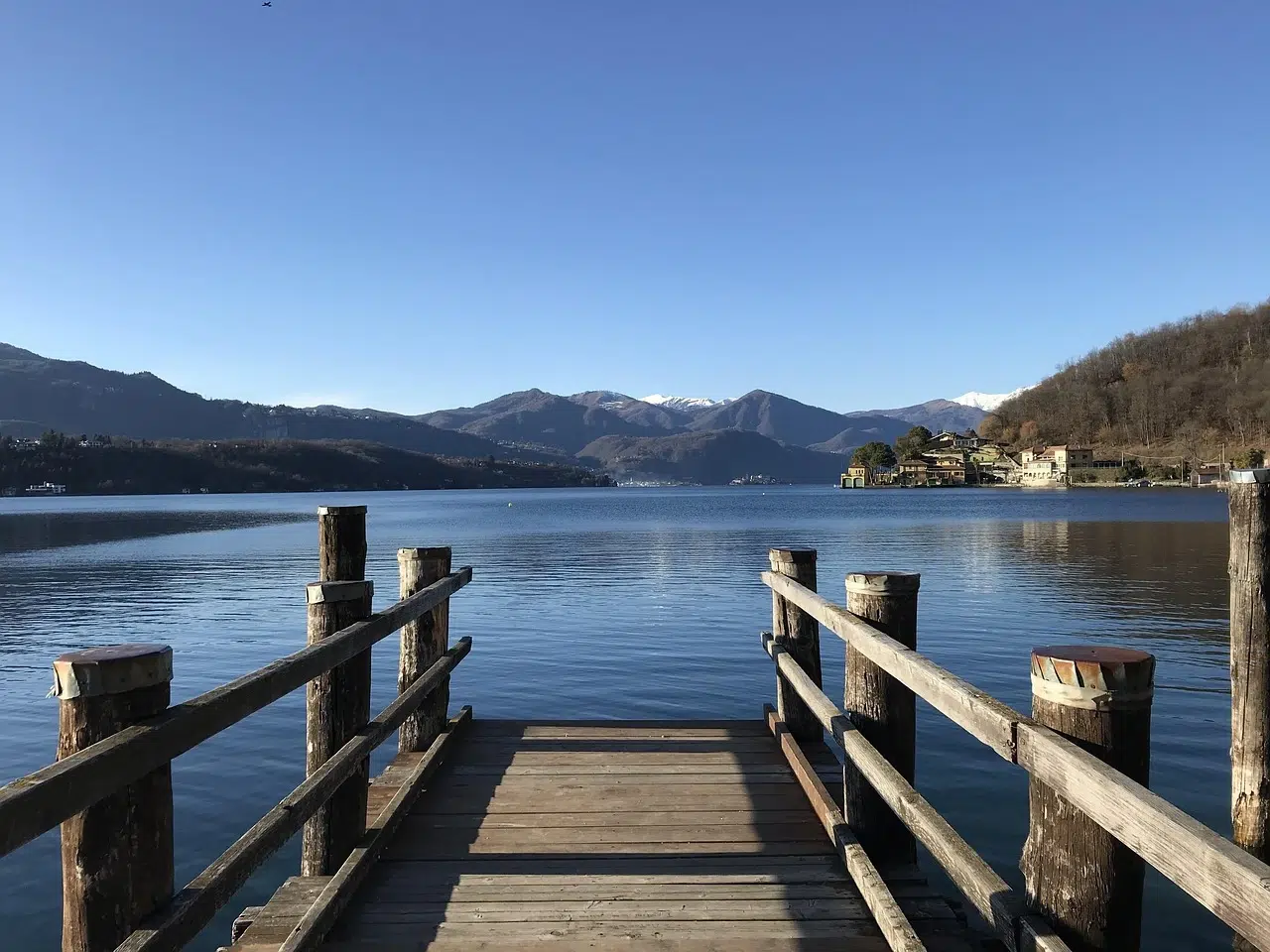
2. Lake Maggiore: A Prestigious Lakeside Retreat
The province of Verbania, bordering the stunning Lake Maggiore, is highly desirable for its serene waterfront setting and lush gardens. Properties with lake views are particularly in demand, offering tranquility and breathtaking natural beauty.
3. The Alpine Valleys: A Paradise for Outdoor Enthusiasts
Regions like Val di Susa offer great investment opportunities for skiing, hiking, and nature lovers. Traditional chalets and mountain homes are highly sought after, making them an excellent option for both personal use and vacation rentals.
With exceptional quality of life and strong investment potential, these areas provide fantastic opportunities for those looking for a second home or rental property in Italy.
Types of Homes for Sale in Piedmont
Piedmont offers a diverse range of properties for sale, catering to different lifestyles and investment goals. Here are some of the most sought-after options:
- Cascine (Traditional Farmhouses): These historic rural estates are typical of the Piedmontese countryside, often featuring large plots of land. They are perfect for those dreaming of a tranquil rural retreat or looking to start an agricultural or tourism project.
- Alpine Chalets: Nestled in alpine valleys like Val di Susa, these charming mountain lodges offer the perfect getaway for nature lovers and winter sports enthusiasts, combining rustic charm with breathtaking landscapes.
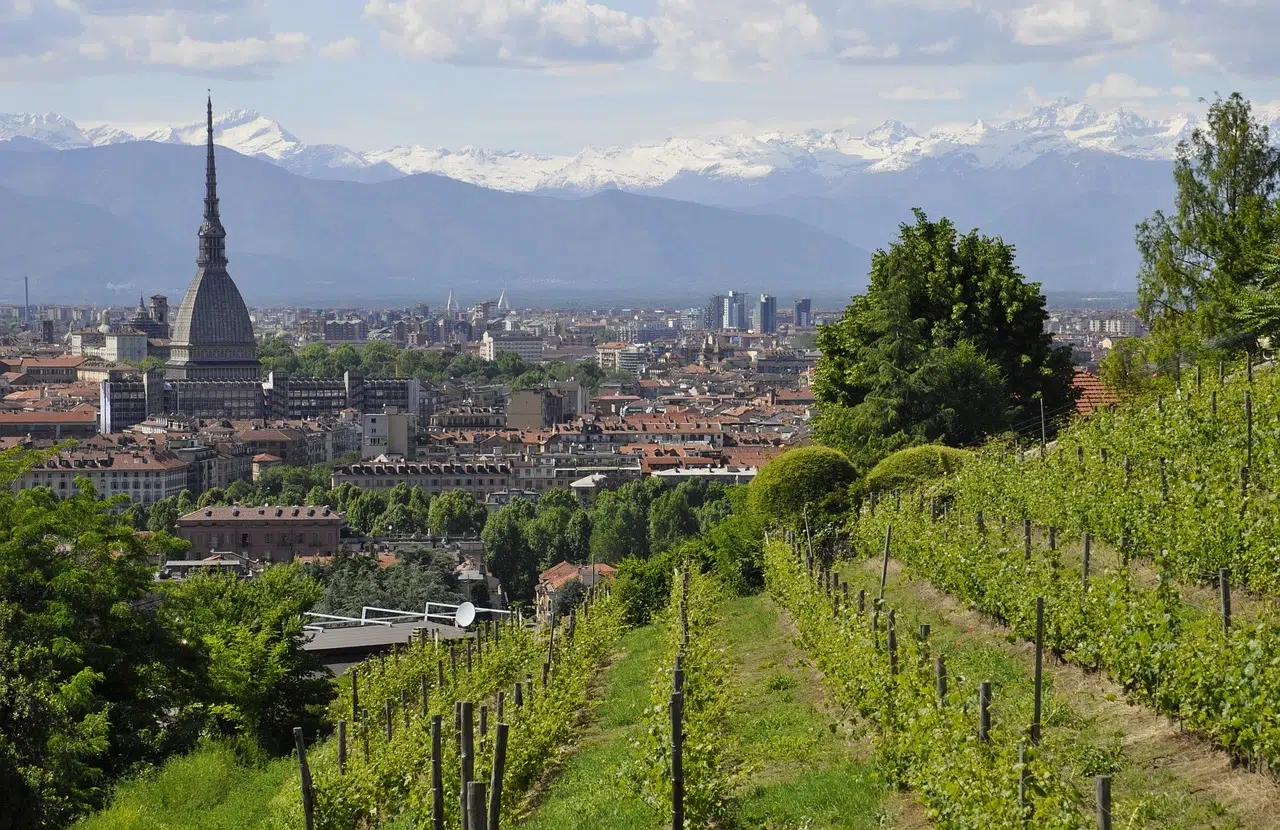
- Urban Apartments in Turin: The regional capital offers a wide selection of apartments, ranging from elegant baroque palaces to modern residences with views of the Po River or the iconic Mole Antonelliana. Ideal for those seeking city life with easy access to services and cultural attractions.
- Countryside Homes: If you’re looking for peace and quiet, Piedmont offers picturesque country houses, perfect for a restorative escape or a renovation project.
- Luxury Properties: The region also boasts high-end real estate, including historic villas and prestigious estates, offering a refined and sophisticated lifestyle.
Whether you prefer the serenity of the countryside, the crisp mountain air, or the vibrancy of a city, Piedmont has a property to match your vision.
€1 Homes in Piedmont: A Unique Opportunity
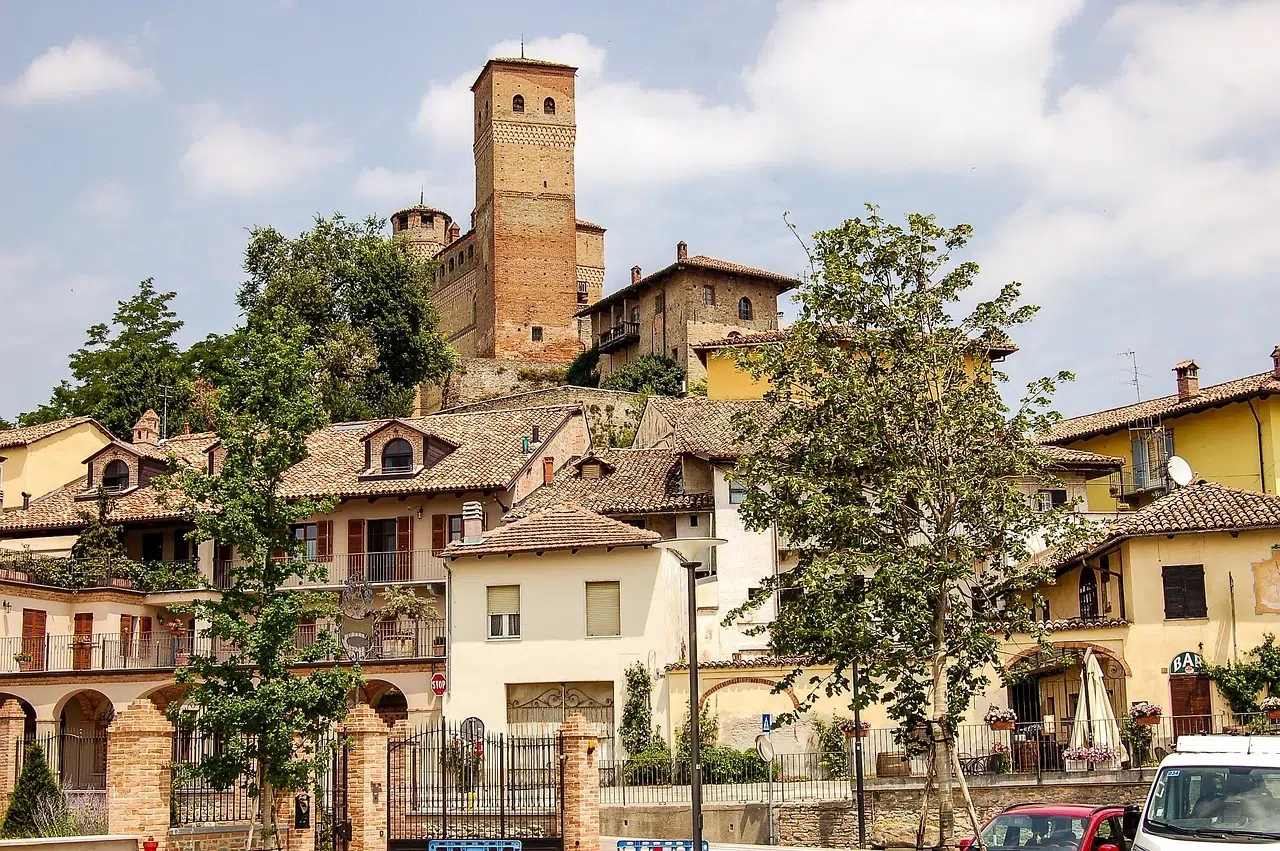
Piedmont actively participates in Italy’s €1 home program, aimed at revitalizing rural areas by offering properties in need of renovation. Villages like Borgomezzavalle and Carrega Ligure present exciting opportunities for buyers looking for a budget-friendly restoration project.
- Borgomezzavalle (near Verbania): Situated in the heart of the Piedmontese Alps, this charming mountain village is perfect for hiking lovers, with breathtaking alpine trails and traditional stone architecture enhancing its authenticity.
- Carrega Ligure (Province of Alessandria): Known for its tranquil rolling hills and rich natural landscapes, Carrega Ligure is ideal for outdoor enthusiasts. The Monte Carmo trails and the Alta Val Borbera Nature Park offer exceptional biodiversity and scenic beauty.
These initiatives allow buyers to acquire and restore unique properties, contributing to the revitalization of Piedmont’s picturesque villages
Affordable Homes for Sale in Piedmont
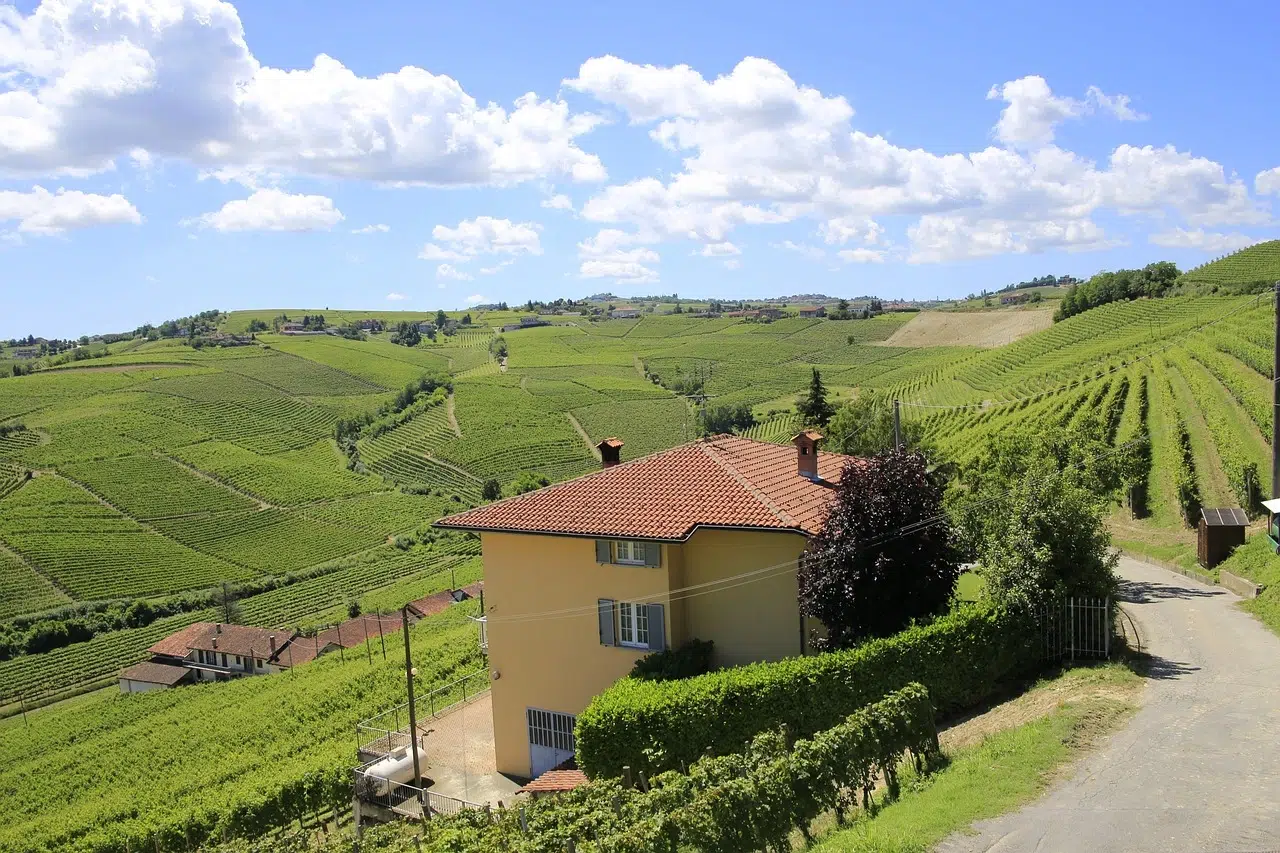
Piedmont offers numerous budget-friendly real estate opportunities, particularly in the provinces of Alessandria and Asti.
For those willing to explore off-the-beaten-path areas, lesser-known parts of Piedmont can reveal even more affordable properties. Charming countryside homes can be found at attractive prices in less touristy regions, making them perfect for a peaceful retreat or investment.
Whether you choose Alessandria, Asti, or a hidden gem elsewhere in Piedmont, there are plenty of affordable real estate opportunities for those looking to invest in this beautiful Italian region.
How to Buy a House in Piedmont?
Purchasing a home in Piedmont is a rewarding experience, offering a blend of breathtaking landscapes, rich cultural heritage, and world-class cuisine. Here are the key steps to making your real estate dream a reality:
- Preparation: Define your budget, factoring in additional costs (taxes, notary fees, etc.), and choose the area that suits your needs, whether it’s the vineyard-covered hills of Langhe, the shores of Lake Maggiore or Lake Como, or the stunning Alpine mountains.
- Property Search: Use specialized real estate platforms to explore available listings in Piedmont.
- Viewings & Selection: Schedule property visits to evaluate the homes and their surroundings.
- Legal & Financial Procedures: Obtain an Italian tax code (Codice Fiscale) and, while not mandatory, opening an Italian bank account is recommended to facilitate transactions.
- Negotiation & Offer: Discuss the price with the seller and, once an agreement is reached, sign a preliminary purchase proposal (Proposta d’Acquisto) with a deposit.
- Preliminary Contract: Draft and sign a compromise of sale (Contratto Preliminare) before a notary, outlining the transaction terms.
- Final Sale Contract: Complete the purchase by signing the notarial deed (Rogito Notarile), finalizing the property transfer.
For a detailed breakdown of each step and expert advice from real estate agents, check out our comprehensive guide on the buying process of a home in Piedmont, Italy.
Frequently Asked Questions (FAQs)
1-What documents do I need to buy a house in Piedmont?
To purchase a property in Piedmont, you will need an Italian tax code (Codice Fiscale), a valid ID (passport or national ID card), and it is recommended to open an Italian bank account for easier transactions.
2-Can I buy a house in Piedmont if I am not an Italian resident?
Yes, non-residents can buy property in Italy, including in Piedmont.
3-What types of homes are available in Piedmont?
Piedmont offers a wide variety of properties, including:
- Cascine (traditional farmhouses) with large plots of land
- Chalets in Alpine valleys
- Urban apartments in cities like Turin
- Village houses in picturesque locations
4-What are the benefits of living in Piedmont?
Piedmont boasts a high quality of life, with:
- Diverse landscapes (mountains, vineyards, and lakes)
- Rich cultural and historical heritage
- Renowned gastronomy (Alba’s white truffles, prestigious wines)
- Modern infrastructure and services
- Strategic location close to France and Switzerland