Living in Calabria: relocating, property and daily life
Discover why Calabria is an appealing choice for relocation with affordable living, stunning landscapes, and a vibrant local culture.

Aller en Italie
Relocation experts · since 2020
4.9
How many steps separate you from Italy?
A tailored offer based on your needs — in 3 min, no commitment
Tell us about your project
Profile, area, buying or renting
We select your services
From 50+ services in English
Receive your quote
Clear, detailed, personalized
*Indicative and customizable quote, no contractual commitment.
Free · 3 min · in English · no commitment
Create my offerWhy choose to live in Calabria?
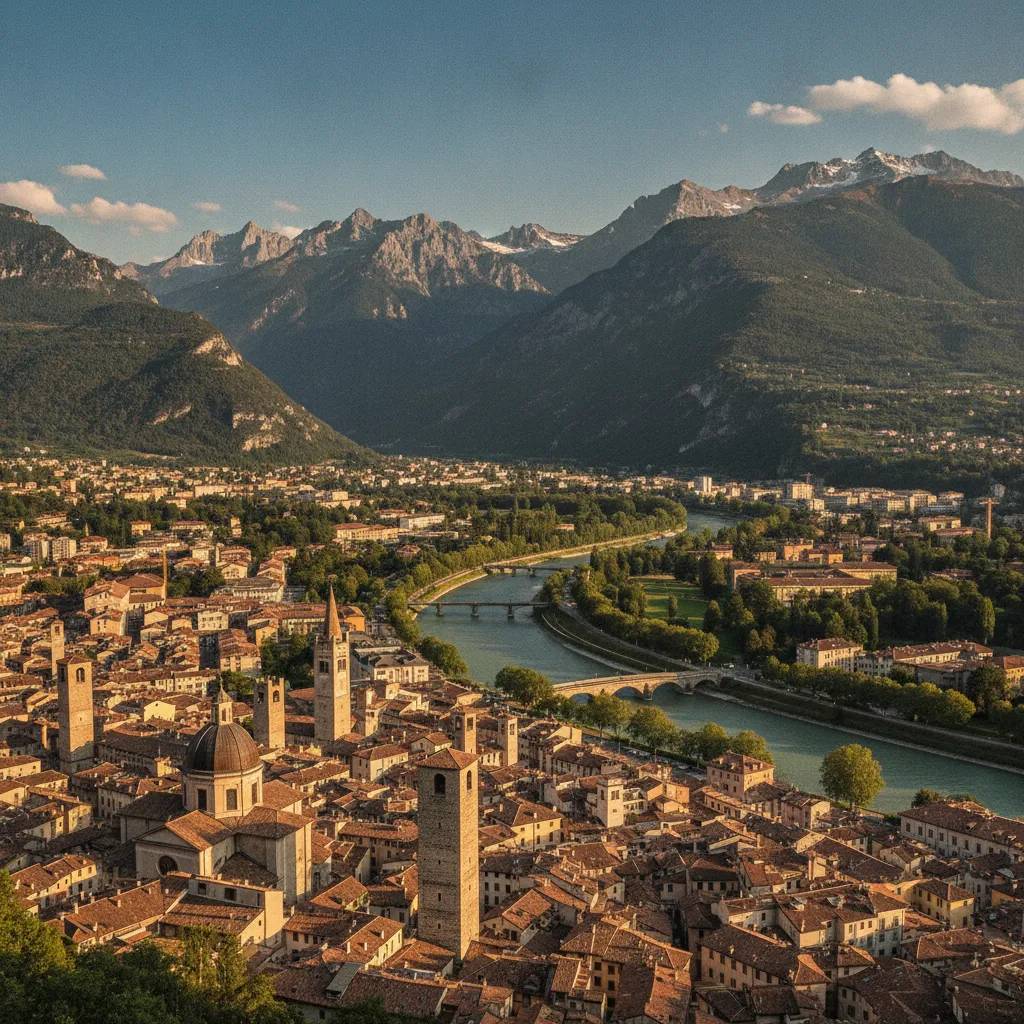
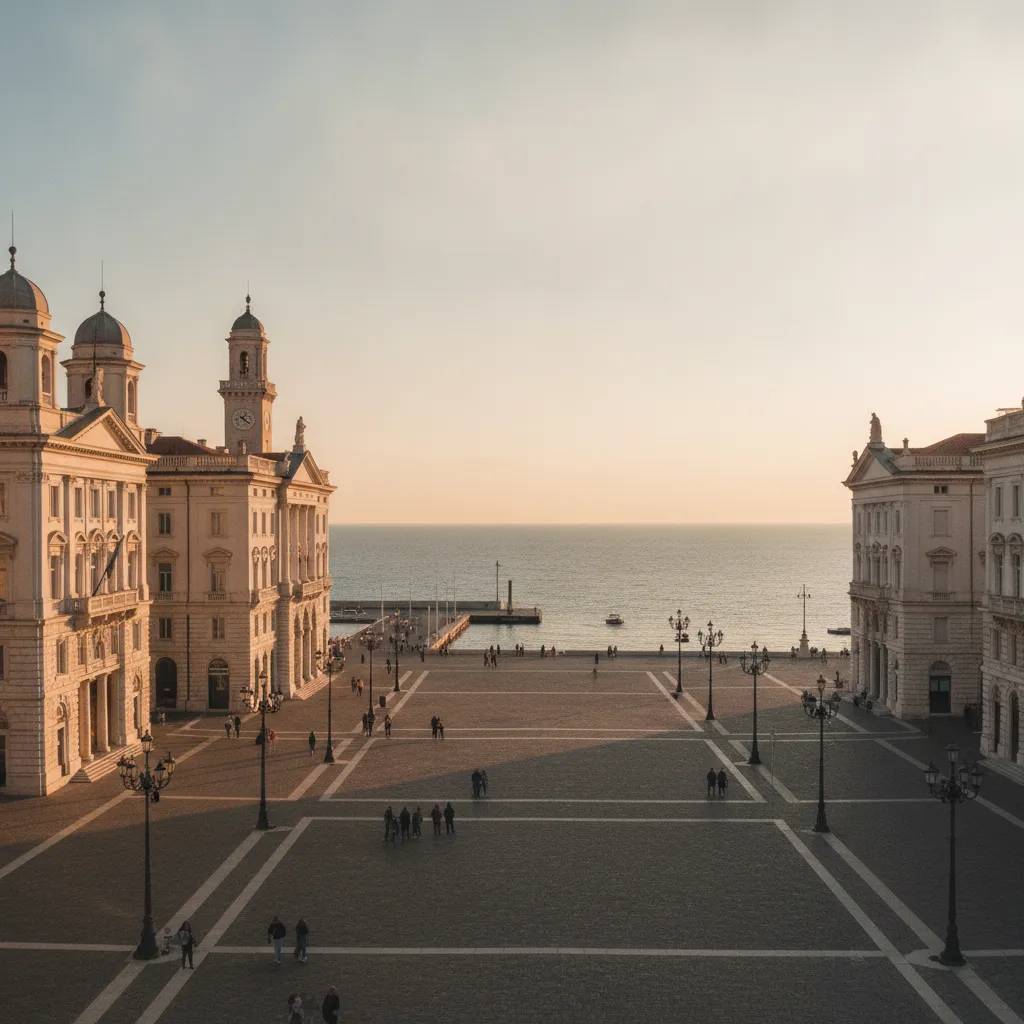
Calabria forms the toe of Italy’s boot, tucked between the Tyrrhenian Sea to the west and the Ionian Sea to the east. Long overlooked by expats in favour of Tuscany or Puglia, it has been drawing a growing number of people in search of an authentic Mediterranean lifestyle, without the tourist pressure or the price tags that come with more famous regions.
Its appeal is easy to understand: 780 km of coastline across two seas, beaches ranked among Italy’s finest (Tropea, Capo Vaticano, Scilla), protected natural parks such as Aspromonte and Pollino, and exceptional food culture (PDO bergamot, ‘nduja from Spilinga, mountain cheeses). All of this in a setting where life costs noticeably less than almost anywhere else in Italy.
Since 2020, the region has intensified efforts to attract new residents: historic centre rehabilitation programmes, incentives for entrepreneurs and the self-employed, and eligibility for generous tax schemes aimed at foreign retirees. Local estimates suggest more than 10,000 newcomers have made this choice in recent years.
Calabria appeals to a wide range of profiles: families looking for a calmer pace of life, retirees drawn by the climate and favourable tax treatment, remote workers, and people with projects in tourism or food production. The region is also actively investing in road and rail infrastructure, and the international airport at Lamezia Terme makes connections across Europe straightforward.
THEY TALK ABOUT US
Maisons & Jardins · Le Figaro · Challenges
« Founded on solid field experience and an in-depth knowledge of Italian procedures. »
Jessica Colpin, co-founder — Maisons & Jardins France, Jan.–Feb. 2026
Where to settle in Calabria?
Calabria is divided into five provinces: Cosenza, Catanzaro, Reggio Calabria, Crotone and Vibo Valentia. Each offers a distinct environment, and the right location depends entirely on your plans.
Cosenza and northern Calabria
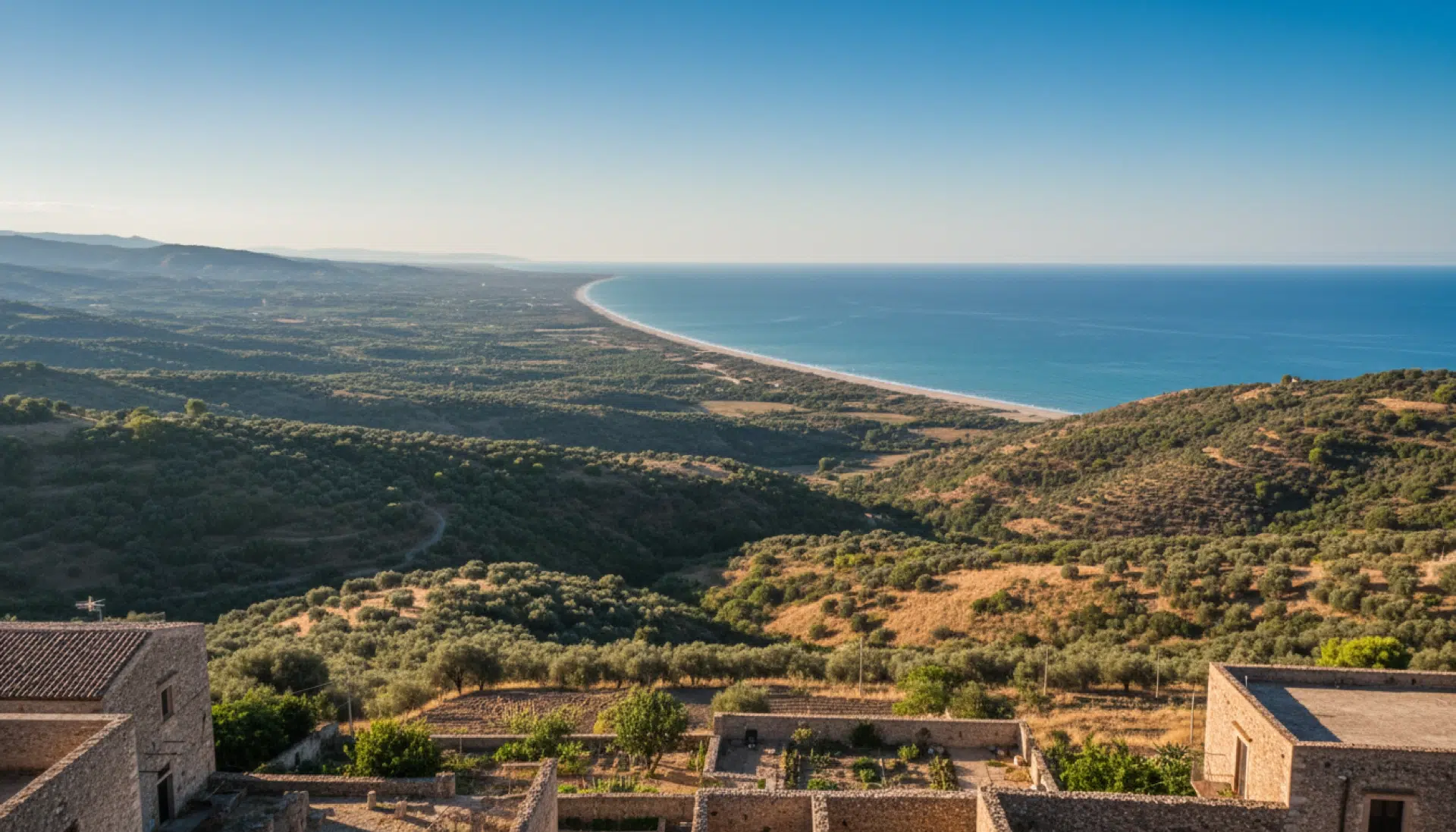
Cosenza is the region’s university city: lively, well-connected, and close to both the Pollino national park to the north and the Tyrrhenian coast to the west. It attracts working-age residents and families thanks to its full range of services, its university (88 active courses according to EURES 2024) and a more diversified economy than most of the region. Further north, Scalea and Santa Maria del Cedro are popular for their relaxed coastal lifestyle and solid infrastructure.
Catanzaro and the centre
Catanzaro, the regional capital, offers a solid institutional framework with government offices, hospitals and public services of reference. Less touristic than the coastal areas, it is an excellent base for those in employment. Soverato, on the nearby Ionian coast, is a well-regarded seaside town with an excellent quality of life year-round and very reasonable prices.
Reggio Calabria and the far south
Reggio Calabria is the region’s main city, looking out across to Sicily. It has a quick ferry link to Messina, its own airport, reference-level medical services and an active cultural scene. Scilla, a few kilometres to the north, is one of Calabria’s most photographed villages, clinging to a cliff above the Tyrrhenian Sea.
Vibo Valentia and the Coast of the Gods
The province of Vibo Valentia holds Calabria’s most celebrated stretch of coastline: Tropea and Capo Vaticano, with their turquoise water and red sandstone cliffs. Tropea is lively in summer but remains affordable year-round and is attracting a growing number of foreigners seeking either a second home or a permanent base. Pizzo, a town of around 9,000 people, offers a quieter and more understated seaside lifestyle.
Crotone and the Ionian coast
Crotone is often cited as one of Italy’s most affordable cities for property, with a particularly accessible real estate market. The surrounding Ionian coast is more family-oriented and less busy than the Tyrrhenian side, with long stretches of wild sandy beach and a calmer atmosphere.
Aller en Italie
French expatriation expert · since 2020
4.9
71 verified reviews
1,500+ expats supported
50+ services with French-speaking professionals
20 regions covered
Local consultants on the ground in Italy
Free appointment · 15 min · in French · no commitment
Book an appointmentThe admin steps you need to take
Before settling in Calabria, several administrative steps are unavoidable. The good news for EU citizens is that no visa is required to live in Italy. For non-EU nationals (including British citizens post-Brexit), a residence permit will be needed; the type depends on your situation (employment, self-employment, retirement, and so on).
The first step for everyone is obtaining the codice fiscale (Italian tax identification number), which is required for virtually every official procedure: renting or buying a property, opening a bank account, taking out a phone contract, or accessing healthcare. It is free and can be requested at the Agenzia delle Entrate or at an Italian consulate in your home country before you leave.
If you are settling permanently, you will need to register your residency (residenza) at the town hall of your Calabrian municipality within three months of arrival. This registration gives you access to the public health system (SSN), local taxation and a wide range of everyday entitlements.
It is also worth opening an Italian bank account early on, to handle rent payments, utility bills and local charges. The procedures can vary from one municipality to another and become complex without a working knowledge of Italian. Being supported by a bilingual team specialised in Italian relocation can save you a great deal of time.

Renting an apartment in Calabria
Renting in Calabria is noticeably more affordable than in most other Italian regions. According to Immobiliare.it data from September 2025, the average rent in Calabria is 8.34 €/m² per month, one of the lowest figures in the country.
In dynamic coastal cities like Reggio Calabria or Cosenza, a one-bedroom apartment typically rents for between 400 and 650 € per month, depending on location and condition. In Tropea and the most popular tourist spots, rents can be slightly higher, particularly close to the sea.
In inland towns and villages, it is common to find comfortable apartments for between 250 and 400 € per month, a very accessible level that suits remote workers and retirees particularly well.
Before signing a lease in Calabria, here are the main points to understand about renting in Italy:
- The most common contract is the “4+4”: four years renewed automatically for a further four, with the tenant able to exit by giving six months’ notice.
- For shorter stays, the contratto transitorio (1 to 18 months) is widely used by people in the early stages of relocation.
- Landlords typically require a security deposit (deposito cauzionale) of two to three months’ rent, returned at the end of the tenancy.
- When using an estate agent, budget roughly one month’s rent in agency fees.
For your search, the Italian portals Immobiliare.it and Idealista are the most widely used. Many listings also circulate locally and never appear on the major platforms.
Buying a house in Calabria
Buying a property in Calabria represents one of the most accessible real estate opportunities in the Mediterranean. As of September 2025, the average price per square metre for a residential property was 953 €/m² according to Immobiliare.it, well below the Italian national average.
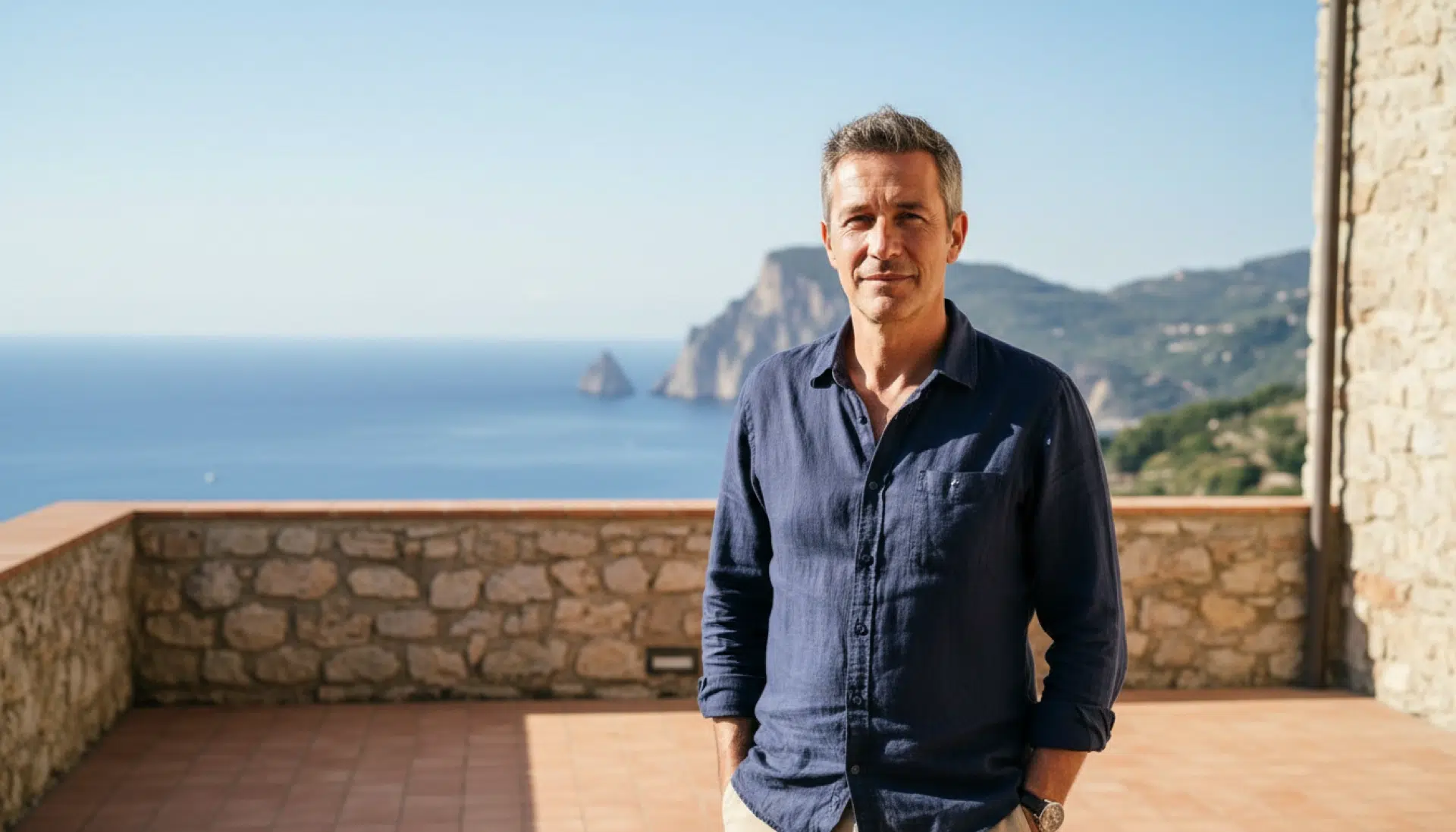
Prices vary considerably depending on location:
| Area | Property type | Price range |
|---|---|---|
| Tyrrhenian coast (Tropea, Pizzo, Scilla) | Sea-view apartment, renovated | 1,500 – 2,500 €/m² |
| Ionian coast (Soverato, Crotone) | Seafront apartment | 900 – 1,600 €/m² |
| Major cities (Reggio, Cosenza) | City centre apartment | 800 – 1,400 €/m² |
| Inland (villages, Aspromonte) | Village house, to renovate | 300 – 800 €/m² |
With average prices around 1,050 €/m² in the best areas and rental yields of 5 to 7% along the coast, Calabria stands out as one of the most accessible entry points into Mediterranean property. A two-bedroom apartment near the sea can be found for 60,000 to 90,000 €, and a village house to renovate in the interior from 30,000 to 50,000 €.
Before any purchase, carefully checking the planning and cadastral status of the property is a must, particularly for older buildings, of which there are many in Calabria. Working with a bilingual professional who knows the local market helps protect every stage of the transaction and allows you to anticipate the real costs involved.
For more detail, see our complete guide to buying property in Italy.
Working in Calabria
Working in Calabria means accepting an economic context quite different from northern Italy. The region is one of the least economically developed in the country: the average gross annual salary is around 25,000 to 30,000 € according to ISTAT data, compared to over 33,000 € in Lombardy. Some provinces, such as Vibo Valentia, record even lower figures.
That said, this salary reality is largely offset by the very low cost of living, which allows a comfortable daily standard of living, particularly when it comes to rent, food and leisure.
The main sectors hiring in Calabria are:
- Tourism and hospitality, growing strongly along the Tyrrhenian coast and around Tropea
- Agri-food production (bergamot, citrus, olives, ‘nduja, livestock farming)
- Healthcare and personal services, within the public hospitals of Reggio, Cosenza and Catanzaro
- Education, with four universities across the region (Catanzaro, Reggio, Cosenza, Dante Alighieri)
- Logistics, driven by the port of Gioia Tauro, one of the largest in the Mediterranean
- Remote work and micro-businesses, a combination that has grown significantly since 2020
For job searching, Indeed, LinkedIn and local recruitment agencies are the main resources. Italian language skills remain important for professional integration in Calabria, though some employers in tourism and international companies do value multilingual profiles.
For remote workers and the self-employed, Calabria offers a clear advantage: an exceptional quality of life at very low cost, combined with internet connectivity that is steadily improving in urban areas. See our guide on working in Italy without speaking Italian for more.
Cost of living in Calabria
The cost of living in Calabria is the second lowest in Italy, just after Sicily. For anyone planning to settle in Italy on a controlled budget, this is one of the most compelling arguments in the region’s favour.
For a single person living in a city like Cosenza, Catanzaro or Reggio, here is a realistic monthly budget breakdown:
| Expense | Monthly range |
|---|---|
| Housing (1-bedroom rental in town) | 350 – 600 € |
| Food (groceries and eating out) | 250 – 400 € |
| Transport (fuel or bus) | 80 – 150 € |
| Bills (water, electricity, internet) | 80 – 130 € |
| Leisure and going out | 100 – 200 € |
| Estimated total | 860 – 1,480 € |
In rural inland villages, these figures can be lower still, particularly for housing and food, thanks to local markets, direct producers and a strong culture of fresh seasonal ingredients.
Calabria also offers a significant tax advantage for foreign retirees. The region is eligible for the 7% flat tax on foreign-sourced income, a scheme designed to attract new residents to municipalities of fewer than 30,000 inhabitants in southern Italy. Valid for ten years, it can substantially reduce your tax burden while you enjoy life in Calabria. The main condition is settling in an eligible municipality where you have not been a tax resident in Italy during the previous five years.
For a full picture of what to expect financially, see our detailed guide on the cost of living in Italy.
Healthcare and services in Calabria
Italy’s public health system (SSN, Servizio Sanitario Nazionale) is open to all residents, and registration with a local GP (medico di base) takes place once you have obtained residency. The main hospital facilities are found in the larger cities:
- The Grande Ospedale Metropolitano in Reggio Calabria, the region’s principal hospital centre
- The Azienda Ospedaliero-Universitaria Mater Domini in Catanzaro, with a university medical faculty
- The Ospedale dell’Annunziata in Cosenza, a major reference centre for northern Calabria
In smaller towns and rural areas, seeing a specialist may require travelling to a larger urban centre. This is worth planning for, particularly if you have regular medical needs.
On infrastructure and transport, Calabria is served by both Adriatic and Tyrrhenian rail lines connecting it to the rest of Italy. Lamezia Terme international airport offers direct flights to several European destinations and is the region’s main hub. Reggio Calabria airport also handles domestic routes. The motorway network allows you to reach Naples in around three hours.Internet access is improving steadily in urban areas, with fibre optic broadband available in most larger towns, though coverage remains more limited in some inland villages.
The English-speaking community in Calabria
The international community in Calabria is smaller than in other Italian regions, but it is growing. Those who settle here tend to fall into a few distinct groups: retirees attracted by the flat tax scheme and the low cost of living, remote workers drawn by the lifestyle and affordable rents, people with entrepreneurial projects in tourism or agri-food, and those with family roots in the region (Calabria historically sent large waves of emigrants to the UK, the US, Australia and Canada in the mid-twentieth century, and descendants are increasingly returning).
English-speaking residents concentrate mainly in the most appealing coastal areas: the province of Cosenza (northern coast), the Vibo Valentia area (Tropea, Capo Vaticano) and, to a lesser extent, Reggio Calabria. According to recent Green-Acres data, foreign buyers account for a meaningful share of property enquiries in Cosenza province.
Unlike more established expat destinations in Italy, Calabria has no significant English-language institutional infrastructure. Rather than a drawback, many residents find this encourages deeper integration into local life and genuinely close relationships with the community. Calabrians are widely known for their warmth towards foreigners who make the effort to connect.
Settling in Calabria is choosing an expatriation that is understated, authentic and lasting, in a region that wins people over through its values and its way of life, long before any question of trend.
Conclusion
Living in Calabria means choosing an Italy that remains genuinely itself: nature everywhere you look, prices that stay accessible, and a human warmth that makes all the difference. Whether you are drawn by affordable coastal property, the tax advantages for retirees, or the freedom of working remotely with the sea in front of you, Calabria deserves serious consideration in any Italy relocation plan.
Ready to start planning? Find all our resources in our complete guide to moving to Italy, and discover how to buy a property in Italy with confidence.
Frequently asked questions about living in Calabria
Do you need to speak Italian to live in Calabria?
A working knowledge of Italian is strongly recommended. Unlike the major cities of northern Italy, English is not widely spoken in Calabria, particularly in smaller towns and villages. An intermediate level is enough for everyday life, and Calabrians are generally patient and encouraging with foreigners who are making the effort to learn. For complex administrative matters, support from a bilingual professional is advisable.
How does the cost of living in Calabria compare to other countries?
The cost of living in Calabria is considerably lower than in most of Western Europe, with housing, food and services all notably more affordable. A single person can live comfortably on 900 to 1,200 € per month, including rent, in an average Calabrian city. In inland areas, that budget can stretch even further.
Is it possible to work remotely from Calabria?
Yes, remote working from Calabria is perfectly viable in urban areas where fibre optic broadband is available. It is one of the fastest-growing profiles among new arrivals. The combination of a very low cost of living, an exceptional natural setting and a European time zone makes Calabria a practical and appealing base for digital nomads and independent professionals.
What are the tax advantages for retirees in Calabria?
Calabria is eligible for the 7% flat tax on foreign-sourced income, available for ten years to foreign retirees who settle in a municipality of fewer than 30,000 inhabitants. The scheme also includes an exemption from declaring foreign assets and no annual tax on properties held outside Italy. This is a very significant benefit for retirees receiving a pension from abroad.
How do you find a rental property in Calabria?
You can start your search online via Immobiliare.it or Idealista. However, many properties are rented locally, often directly between landlord and tenant, without ever appearing on the major platforms. A scouting visit to the area you are considering remains the best way to find real opportunities. Having local professional support makes the process considerably smoother.
Is Calabria safe for expats?
Calabria is a safe region for expats. As in any sizeable region, some urban areas are busier than others, but foreigners who have settled there consistently report positive experiences and a warm welcome from local residents. The region has a calm pace of life, particularly in coastal and rural communities.
Which are the best towns to settle in Calabria?
It depends on your plans. For a lively base with a full range of services, Cosenza and Reggio Calabria are solid choices. For a coastal lifestyle and strong property potential, Tropea, Capo Vaticano and Soverato are highly regarded. For the lowest possible budget and genuine immersion in local life, the inland areas (Aspromonte, Sila, Pollino) offer rare and remarkable opportunities.