What to do in Venice?
Venice, a gem of the Veneto region, blends historic charm with stunning beauty, offering an unforgettable experience among canals and iconic landmarks.

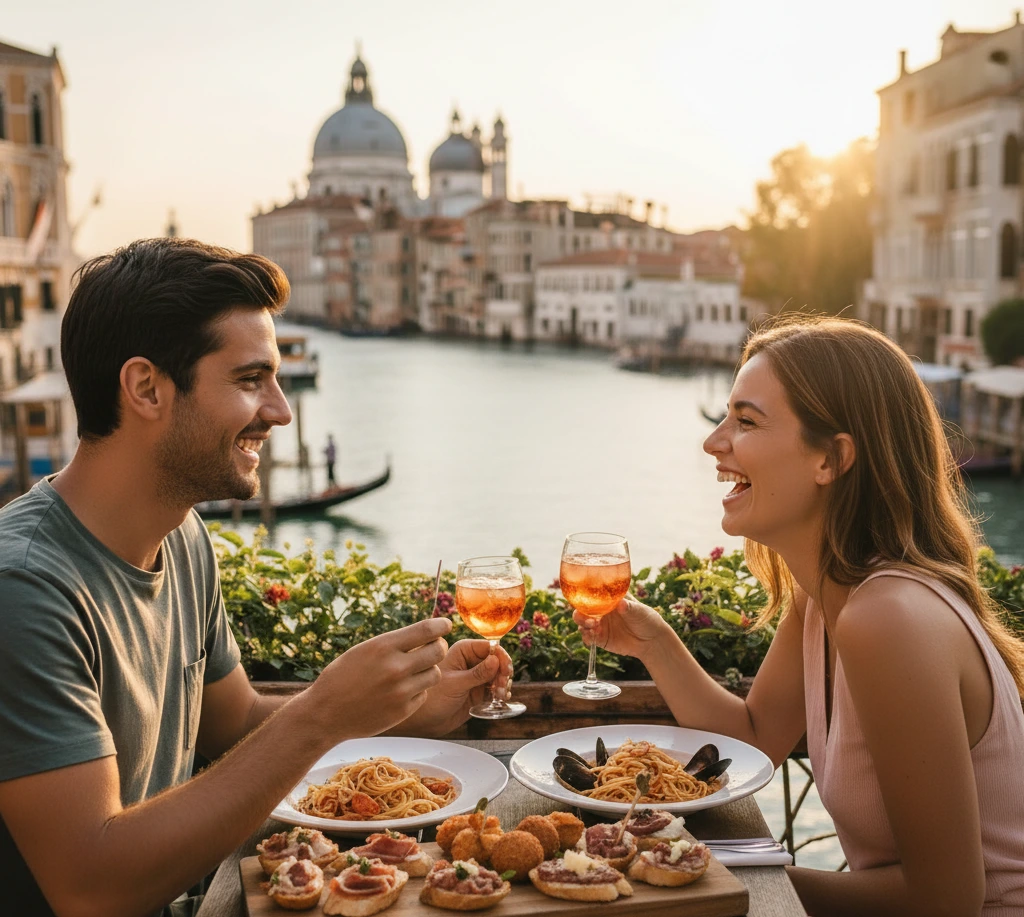
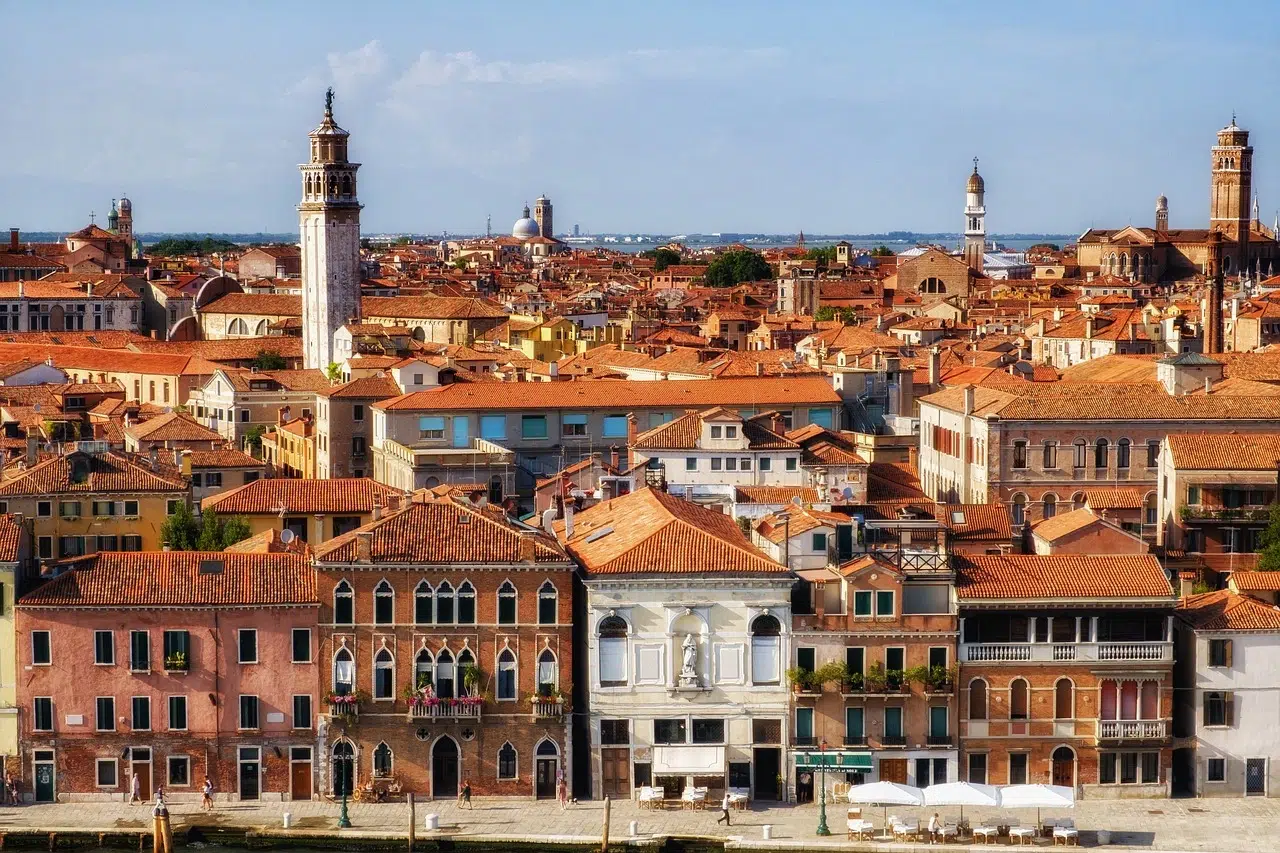
Venice, the timeless jewel of the Veneto region, is a destination unlike any other — where historic charm meets breathtaking beauty. Renowned for its winding canals, magnificent palaces, and romantic atmosphere, the Serenissima offers visitors a rich and unforgettable experience. From the majestic St. Mark's Square to the hidden alleys of its sestieri and the colourful islands of Murano and Burano, every corner of Venice holds a treasure waiting to be discovered.
A city of art and culture, Venice captivates history lovers, food enthusiasts, and curious travellers alike. Walking across its iconic bridges and past its landmark monuments, you step into an atmosphere where time seems to stand still.
This guide invites you to explore every side of Venice — from the must-see highlights to its hidden gems — so you can make the most of your visit to this truly magical city. Ready to discover Venice?
« Built on solid field experience and an in-depth knowledge of Italian procedures. »
Jessica Colpin, co-founder — Maisons & Jardins France, Jan.–Feb. 2026
Visiting Venice: a travel plan to discover the "Serenissima"
Venice, the floating city with timeless appeal, is an open invitation to wonder. Strolling on foot through its narrow streets, getting pleasantly lost in picturesque neighbourhoods like Dorsoduro or Cannaregio, or gliding along its canals in a gondola — these are the experiences that make Venice so unique. Must-see sights such as the Rialto Bridge, St. Mark's Square, and the Doge's Palace will capture your attention, but Venice also hides quieter treasures: small bacari serving delicious cicchetti, churches filled with masterpieces, and the islands of Murano and Burano, perfect for a timeless escape.
Exploring Venice on foot is essential — it lets you discover hidden alleyways, lively squares, and iconic bridges at your own pace. Combine walking with the vaporetto, the water buses that travel along the Grand Canal and connect the city's different neighbourhoods and islands. You can also take a gondola ride for a romantic and authentically Venetian experience. Whether on foot or by water, every street corner, every canal, every cobblestone in Venice tells an unforgettable story.
Aller en Italie
French expatriation expert · since 2020
4.9
73 verified reviews
1,500+ expats supported
50+ services with French-speaking professionals
20 regions covered
Local consultants on the ground in Italy
Free appointment · 15 min · in French · no commitment
Book an appointmentWhen is the best time to visit Venice?
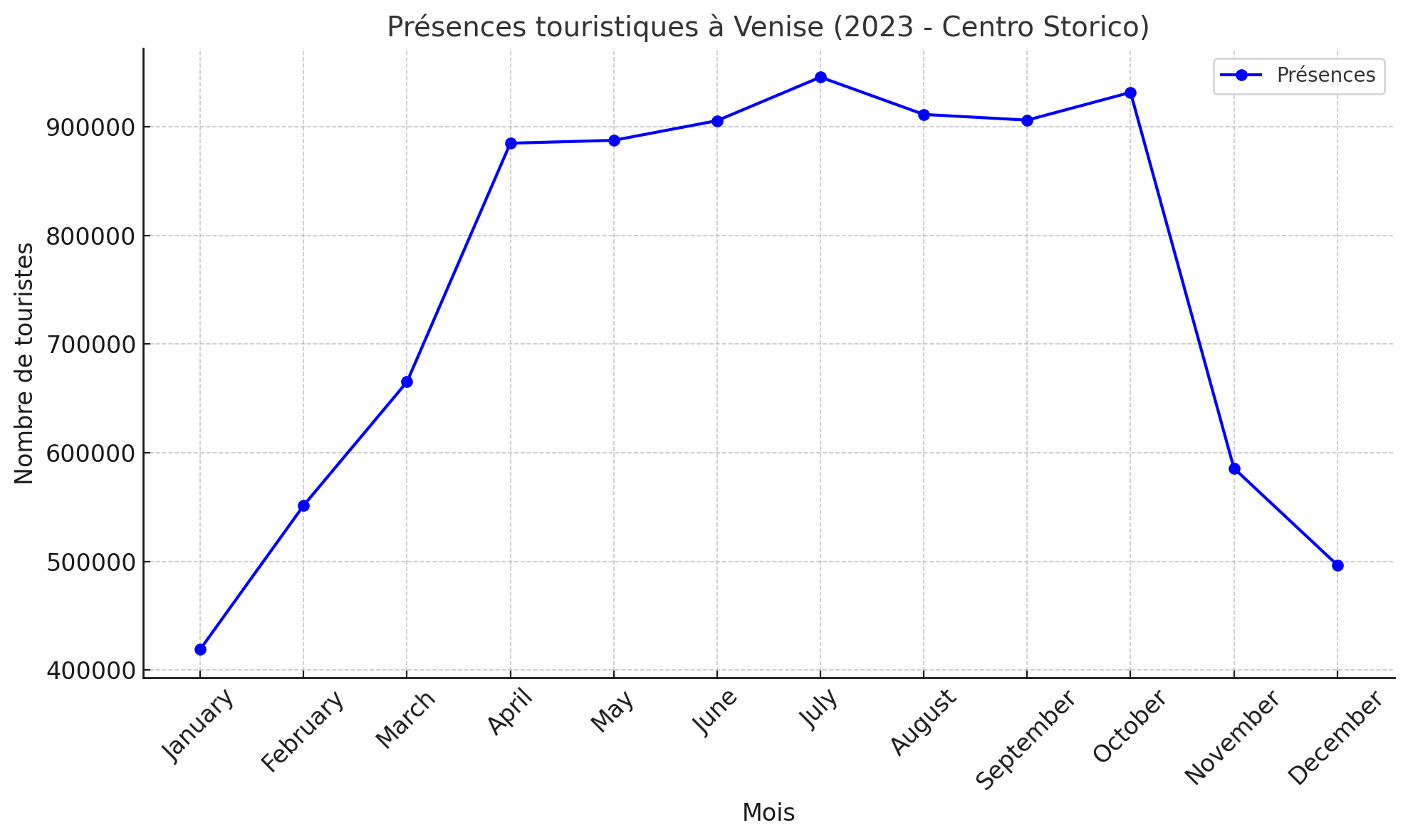
In Venice, timing can truly transform your experience. We visited the city in March, and what surprised us most was the constant activity throughout the day. From morning to evening, the streets and canals buzz with visitors — but in the evening, Venice regains a soothing calm, perfect for a leisurely walk or an intimate dinner. Here is a seasonal guide to help you plan your stay:
- Spring (April to June)
An ideal time to visit Venice. Temperatures are pleasant (15°C to 25°C), and while tourists are present, crowds have not yet reached their summer peak.
Tip: Head out early in the morning to explore St. Mark's Square or the Grand Canal in a peaceful atmosphere. - Summer (July to August)
Peak season brings large crowds, and the combination of high temperatures (up to 30°C) and humidity can feel intense. That said, summer festivals add a lively and festive energy to the city. - Autumn (September to November)
With mild temperatures (15°C to 20°C) and fewer visitors, autumn offers a more tranquil atmosphere. This is also the season of acqua alta — the high tides that, while sometimes inconvenient, add a dramatic and memorable dimension to your visit. - Winter (December to March)
In winter, Venice reveals its mysterious and romantic side. Cooler temperatures (0°C to 10°C) and lower visitor numbers make it a great time for those who enjoy peace and quiet. Be aware, however, that February brings the Venice Carnival, which draws visitors from around the world.
Idea: Take advantage of this quieter period to visit museums and enjoy a warm drink at an iconic café such as Caffè Florian.
Practical tips:
- For a more budget-friendly and relaxed experience, consider visiting between November and January.
- Book accommodation and activities well in advance during busy periods such as spring or the Carnival.
- Plan your visits early in the morning or in the evening to avoid the crowds and enjoy a more intimate experience in this extraordinary city.
Famous Venetian events and festivals
Venice is a city where centuries-old traditions meet contemporary creativity through prestigious celebrations and popular festivals that mark the Serenissima's year. Here are the main events:
- The Venice Carnival (February/March)
One of Venice's most iconic symbols, the Carnival attracts visitors from around the world. For two weeks, the city comes alive with elaborate costumes, Venetian masks, masquerade balls, parades, and street performances — especially in St. Mark's Square.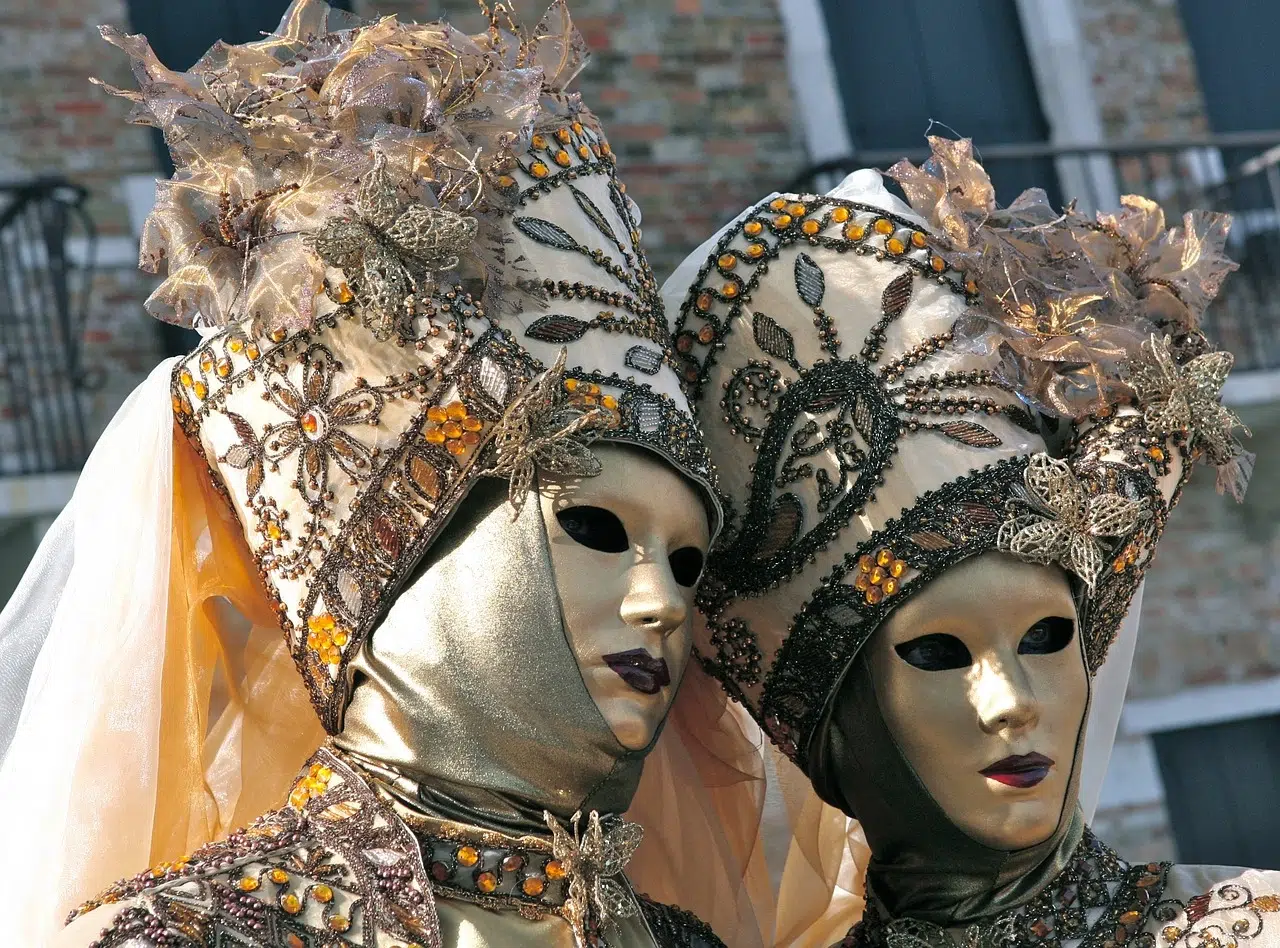
- The Venice Biennale (May to November)
This international art and architecture festival, held in alternating years, transforms Venice into an open-air museum. The Giardini and the Arsenale host national pavilions, while satellite exhibitions spread throughout the city's most unexpected corners. - The Venice Film Festival (August/September)
The world's oldest film festival takes place on the Lido. The Mostra attracts major international stars and awards the best cinematic works with the prestigious Golden Lion. - The Feast of the Redeemer (July)
Celebrating the end of the 16th-century plague, this traditional Venetian festival is marked by a spectacular fireworks display over the lagoon and festivities along the Giudecca Canal. - The Historical Regatta (September)
A highlight of the Venetian calendar, this traditional boat race along the Grand Canal dates back to the Middle Ages. It begins with a parade of richly decorated gondolas before giving way to thrilling competitive races. - The Vogalonga (May)
A non-competitive event dedicated to traditional Venetian watercraft, the Vogalonga celebrates the art of rowing and raises awareness about preserving the lagoon. Participants row a 30 km course through a truly unique setting. - The Festa della Salute (November)
This deeply rooted religious festival commemorates the end of a plague epidemic in 1630. Every 21 November, Venetians take part in a pilgrimage to the Basilica of Santa Maria della Salute — a spiritual and deeply authentic moment in the city's calendar.
Whether artistic, sporting, or religious, these events embody the vibrant soul of Venice and offer visitors a chance to experience the city's history, art, and living traditions up close.
Top sights in Venice — what to see?
Venice, a true fairy-tale city, offers an unparalleled wealth of treasures to discover. Here are the essential places for a full immersion in the Serenissima:
St. Mark's Square and Basilica
The beating heart of Venice, St. Mark's Square is surrounded by landmark monuments, including the magnificent St. Mark's Basilica — a masterpiece of Byzantine architecture. For a sweeping panoramic view over the city and the lagoon, climb to the top of the Campanile bell tower.
The Doge's Palace and the Bridge of Sighs
A symbol of the power of the ancient Venetian Republic, the Doge's Palace impresses with its Gothic architecture and sumptuously decorated halls. Cross the legendary Bridge of Sighs, which connects the palace to the old prisons, for a fascinating journey through history.
The Grand Canal and the Rialto Bridge
The main artery of the city, the Grand Canal is lined with magnificent palaces. A vaporetto or gondola ride reveals all its splendour. The Rialto Bridge, one of the oldest in the city, offers a perfect vantage point over the bustling canal below.
The Islands of Murano and Burano
Explore Murano, famous for its blown-glass artistry, and Burano, known for its brightly coloured houses and traditional lace-making. These islands offer an authentic and picturesque escape into the lagoon.
The Dorsoduro District and the Accademia Gallery
A haven of tranquillity, the Dorsoduro neighbourhood is ideal for a relaxed stroll away from the crowds. Here you will find the prestigious Accademia Gallery, home to major works by great Venetian masters such as Titian and Veronese.
The Basilica of Santa Maria della Salute
Built as a gesture of thanksgiving to the Virgin Mary after a devastating plague, this majestic basilica stands at the edge of the Grand Canal. Its interior houses superb works of art, and its location offers a stunning view over the lagoon and St. Mark's Square.
Venice is a city where every place tells a story. Whether you are passionate about art and history or simply drawn to beauty, these highlights promise an unforgettable experience in the Serenissima.
Visiting Venice in 1 day
Discovering Venice in a single day is a challenge, but with this itinerary you can take in the Serenissima's must-see highlights and capture the essence of this one-of-a-kind city.
- Morning: St. Mark's Square and the Doge's Palace
Start your day at St. Mark's Square, the vibrant heart of Venice. Explore the stunning St. Mark's Basilica, with its golden mosaics and Byzantine architecture. If time allows, climb the Campanile for a panoramic view over the city and the lagoon. Then visit the Doge's Palace, symbol of Venetian power, and walk across the legendary Bridge of Sighs, connecting the palace to the old prisons. - Late morning: A stroll along the Grand Canal and the Rialto Bridge
After exploring the square, walk along the Grand Canal, Venice's main waterway, to admire its magnificent palaces. Make your way to the Rialto Bridge, one of the oldest and most celebrated in the city. Take in the view over the canal and browse the local shops around the bridge. - Lunch: Tasting session at a bacaro
Take a delicious break at a bacaro, one of Venice's traditional taverns. Sample cicchetti — tasty little bites — accompanied by a glass of local wine or a spritz. - Afternoon: Basilica of Santa Maria della Salute
Cross the Grand Canal by vaporetto to reach the majestic Basilica of Santa Maria della Salute. Built in thanksgiving to the Virgin Mary after a plague epidemic, this church boasts a splendid interior and a beautiful view over the canal and the lagoon. - Late afternoon: Gondola ride or a walk through Dorsoduro
End your day with a gondola ride for an authentic and romantic Venetian experience. If you prefer to walk, explore the Dorsoduro neighbourhood — peaceful and full of charm — where you can admire art galleries and enjoy the calm of the evening away from the crowds. - Evening option: Aperitivo on the Grand Canal
Before leaving Venice, enjoy an aperitivo at a café or restaurant along the Grand Canal to watch the sunset and see the city light up.
In just one day, this itinerary will help you discover Venice's most iconic landmarks while soaking up its unique and timeless atmosphere.
Visiting Venice in 2 or 3 days
Venice, the Serenissima, is a city like no other. If you have the chance to spend 2 or 3 days here, you can combine the essential highlights — such as St. Mark's Square and the Grand Canal — with authentic local experiences, like visiting artisan workshops or exploring the lagoon islands. This escape will immerse you in a romantic and timeless atmosphere, while revealing the history and traditions that make this city so extraordinary.
With this itinerary, you will explore Venice's iconic treasures while savouring its gentle way of life — for an unforgettable journey through art, culture, and wonder.
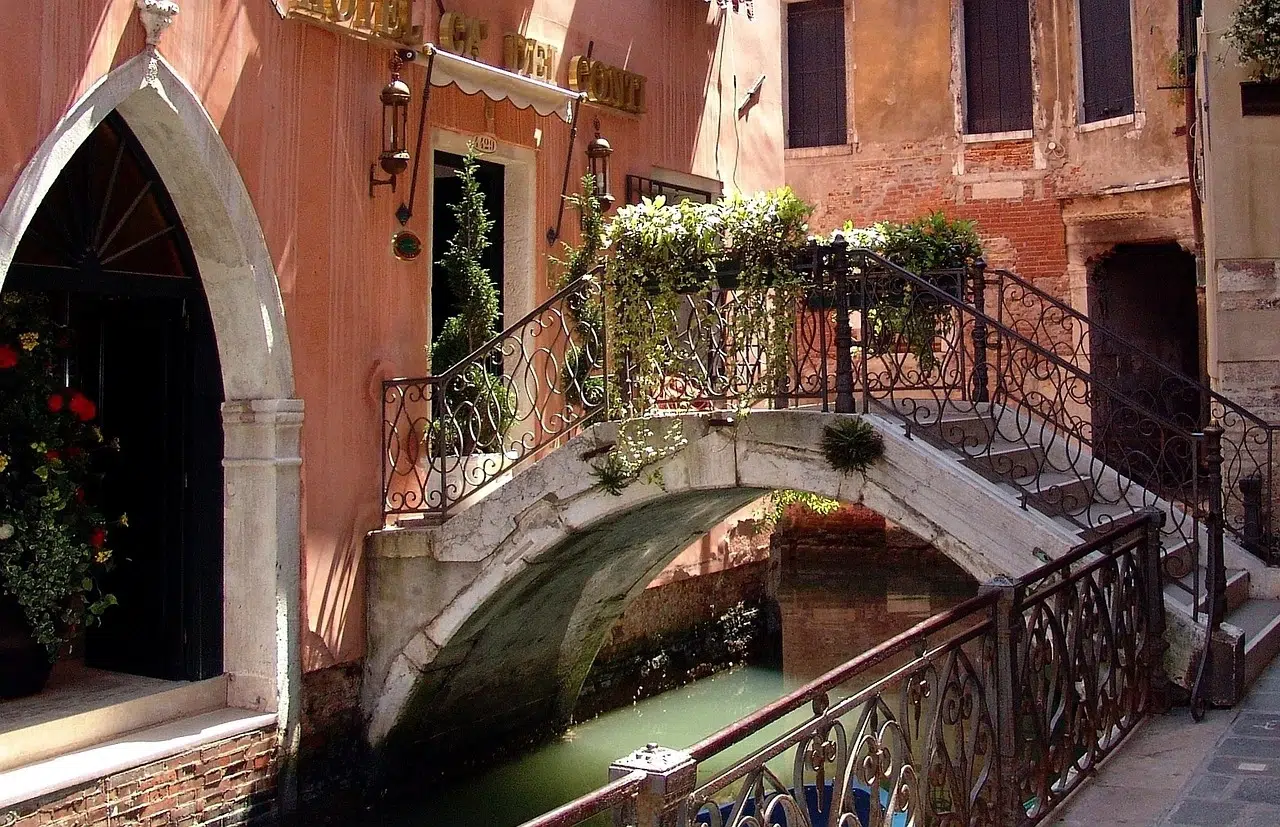
Day 1: Venice's essential highlights
Morning: St. Mark's Square and the Doge's Palace
Begin your visit at the majestic St. Mark's Square, the true heart of Venice. Explore St. Mark's Basilica, with its golden mosaics and Byzantine architecture, and climb the Campanile for a spectacular view over the lagoon. Continue to the Doge's Palace, symbol of Venetian power, then cross the legendary Bridge of Sighs, steeped in history.
Lunch: Meal at a bacaro
Sample cicchetti at a local bacaro — these small bites pair perfectly with a glass of wine or a spritz.
Afternoon: The Grand Canal and the Rialto Bridge
Stroll along the Grand Canal, Venice's main artery lined with magnificent palaces, or hop on a vaporetto to admire these wonders from the water. Then head to the famous Rialto Bridge for an impressive view over the canal.
Evening: Gondola ride or dinner by the canal
Treat yourself to a gondola ride for a romantic experience, or end the day with dinner at a restaurant along the Grand Canal.
Day 2: Craftsmanship and lagoon islands
Morning: Murano and the Glass Museum
Take a vaporetto to Murano, famous for its blown-glass artistry. Visit the Glass Museum to learn about this centuries-old tradition, then watch master glassblowers at work in one of the local workshops.
Lunch: Meal on Murano
Enjoy local specialities at a restaurant on the island, with views over the canals.
Afternoon: Mask-making workshop
Back in Venice, take part in a Venetian mask-making workshop, where you will learn traditional techniques and create your own mask — a unique souvenir from your trip.
Evening: Walk through the Cannaregio neighbourhood
End the day with a stroll through Cannaregio, one of Venice's quieter and more authentic districts, rich in atmosphere and local restaurants.
Day 3: Burano, lace, and serenity
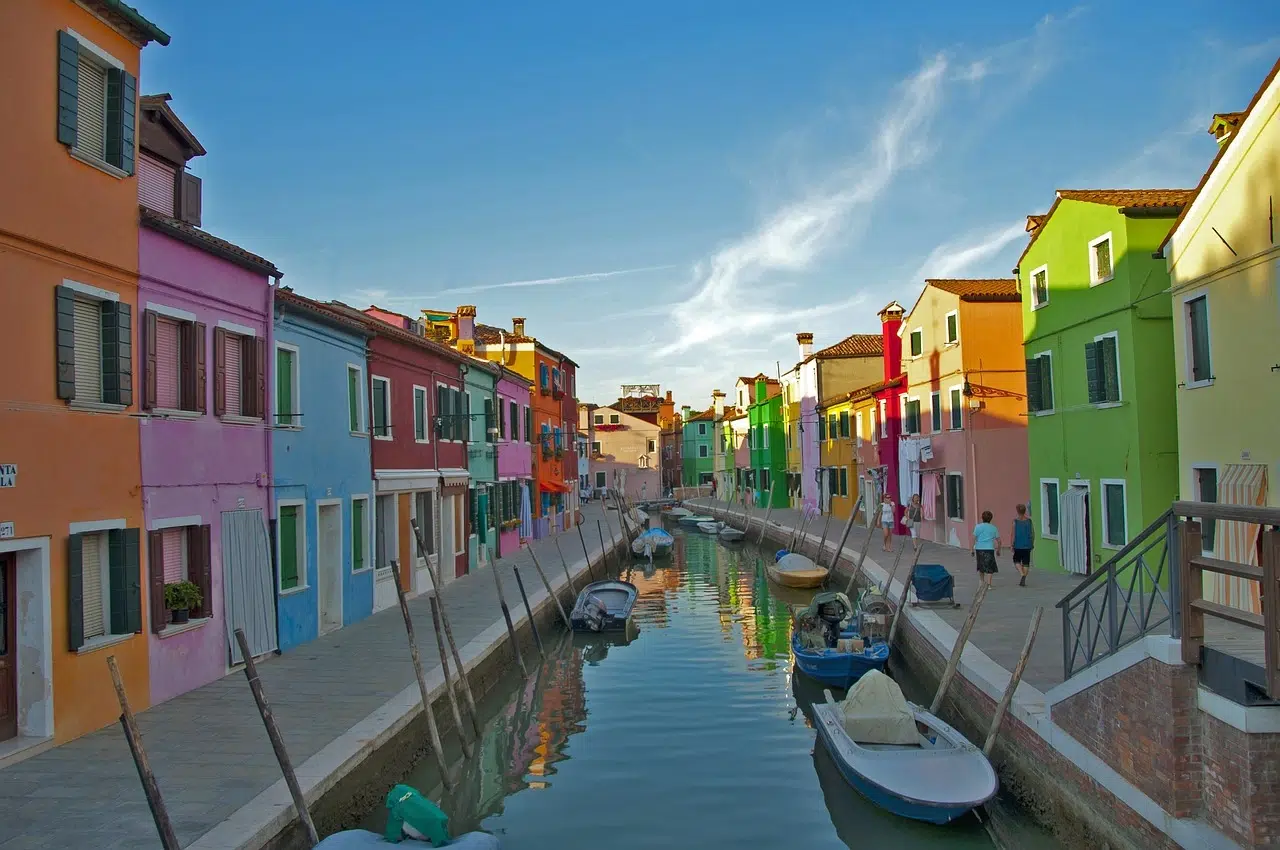
Morning: Burano and a visit to the lace workshops
Take the vaporetto to the island of Burano, famous for its colourful houses and traditional lace-making. Visit a lace workshop to discover the artisan techniques and admire skills passed down through generations.
Lunch: Meal on Burano
Have lunch at a local restaurant, well known for its fresh fish dishes.
Afternoon: The Basilica of Santa Maria della Salute
Return to Venice and visit the majestic Basilica of Santa Maria della Salute, built in thanksgiving to the Virgin Mary after a plague epidemic. Admire its magnificent works of art and enjoy a stunning view over the lagoon.
Evening: A final walk through Dorsoduro
Wander through the peaceful Dorsoduro neighbourhood, ideal for a relaxing stroll away from the crowds, and enjoy one last aperitivo with a view over the Grand Canal.