Why travel to Italy?
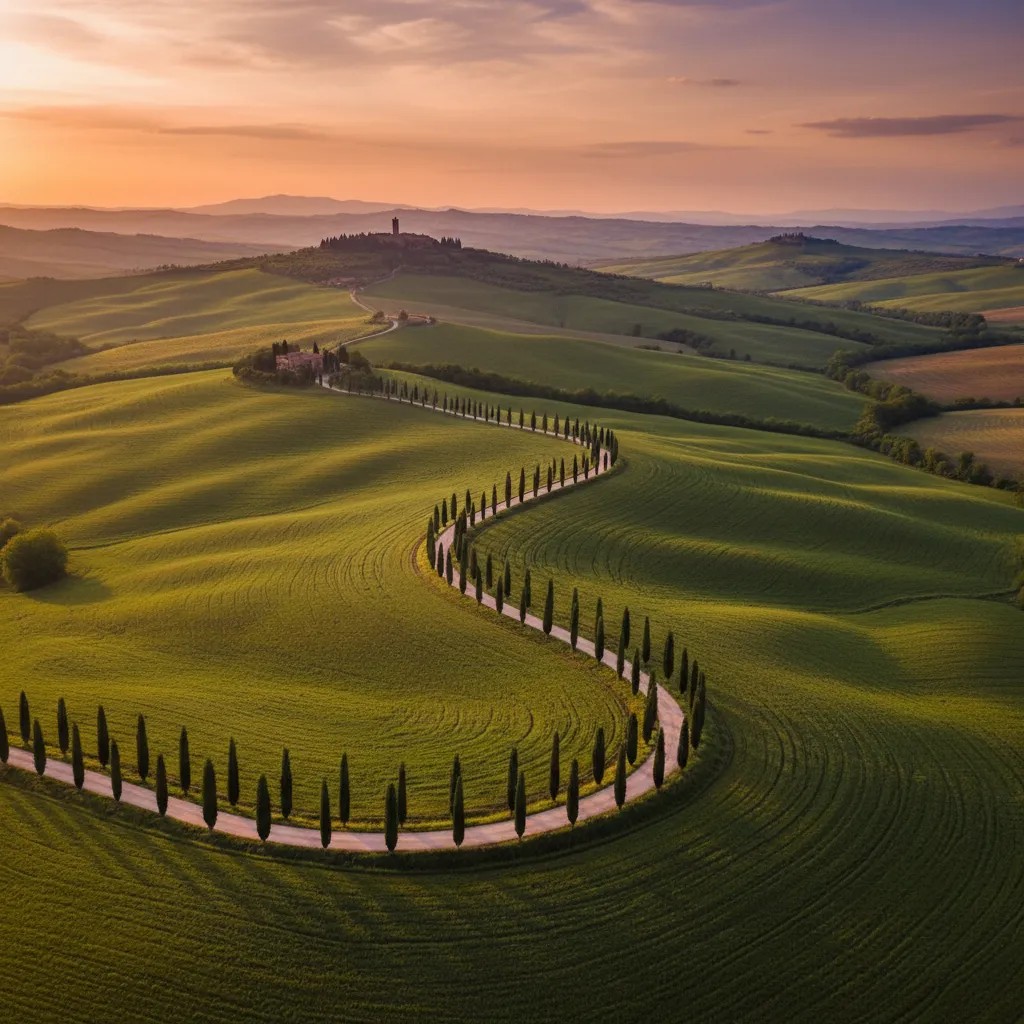
Italy attracts millions of visitors every year for reasons that go far beyond the clichés. It is a country where every region is a destination in its own right: the alpine north with its lakes and mountains, the Tuscan heartland with its golden hills, the sun-drenched south with its spectacular coastlines, and the islands — Sicily and Sardinia — which offer some of the most beautiful Mediterranean landscapes in Europe.
Beyond the scenery, Italy is a symphony of cultures, dialects, regional cuisines and art accumulated over more than two millennia. You do not visit Italy just once: you return, region by region, city by city.
Entry requirements for travelling to Italy
For citizens of the European Union, the formalities are minimal. A national identity card or a valid passport is sufficient for a tourist stay of fewer than 90 days. No visa is required.
It is strongly recommended to carry the European Health Insurance Card (EHIC), which entitles you to treatment at Italian public healthcare facilities under the same conditions as Italian residents. It is free of charge and can be obtained from your national health insurance authority.
Also remember to check your bank card's validity and notify your bank of your travel plans to avoid any transaction blocks.
The best destinations for your holiday in Italy
Rome: the eternal capital
Rome is essential for any first trip to Italy. The Colosseum, the Roman Forum, the Vatican and the Sistine Chapel, the Trevi Fountain, the Pantheon: the concentration of historical and artistic monuments is unrivalled anywhere in the world. Allow a minimum of 3 to 4 days to explore the main sites, though an entire week would not be enough to exhaust its riches.
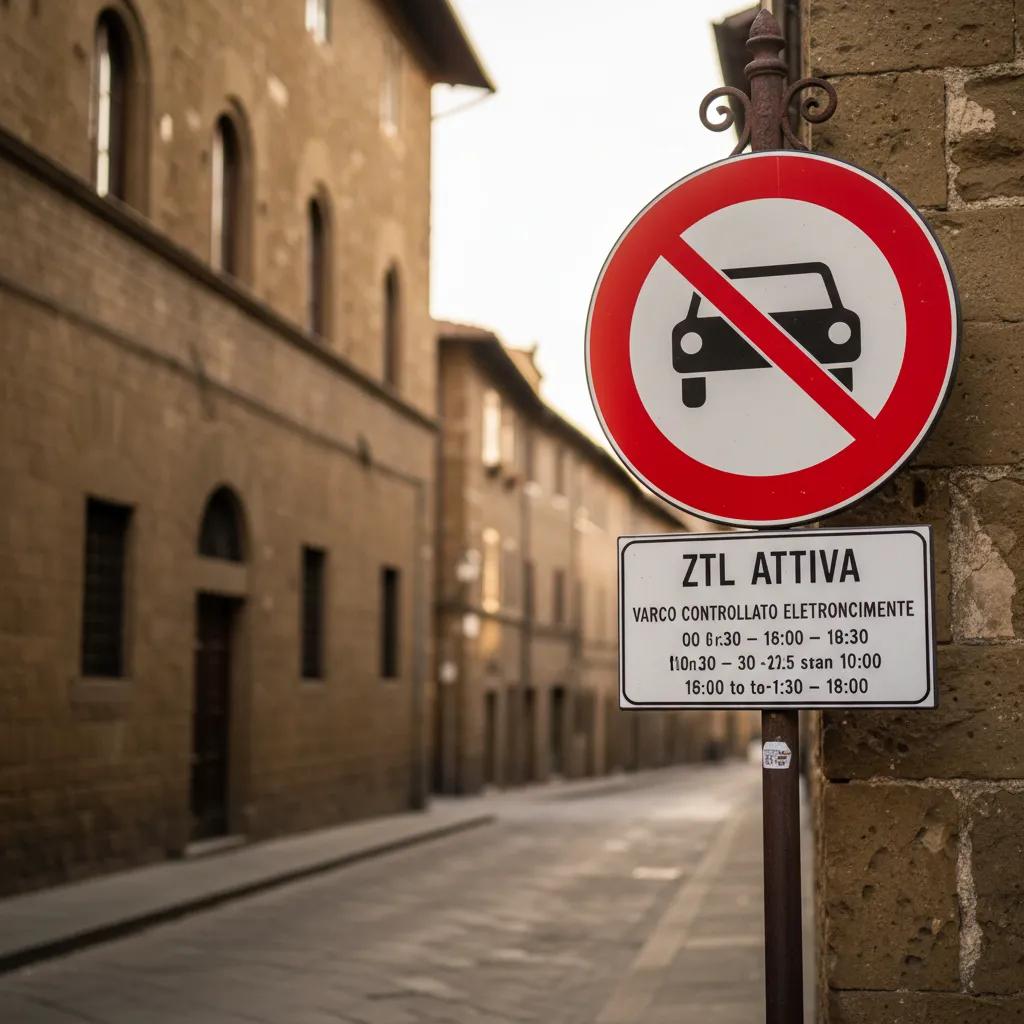
Practical tips for Rome: be sure to book skip-the-line tickets for the Colosseum and the Vatican Museums well in advance, especially during peak season. Avoid driving into the historic centre: the ZTL zones (Limited Traffic Zones) are extensive and fines are issued automatically.
Florence and Tuscany
Florence is the heart of the Italian Renaissance. The Uffizi Gallery, Brunelleschi's Dome, the Palazzo Vecchio, the Ponte Vecchio: the city is an open-air museum. But Florence is merely the gateway to Tuscany, a region that deserves in-depth exploration.
Chianti, Siena, San Gimignano, Pisa, Lucca, Montepulciano and the Val d'Orcia are all magnificent destinations reachable in a day from Florence. Hiring a car in Tuscany is the best way to explore these landscapes at your own pace: the hilltop villages, vineyards and scenic roads are far better discovered by car than by public transport.
Venice and the Veneto
Venice is unique in the world, and that is no exaggeration. Built across 117 islets connected by more than 400 bridges, the city of the Doges moves to the rhythm of gondolas, vaporettos and tides. St Mark's Square, the Doge's Palace, the Rialto Bridge, and the islands of Murano (glassblowing) and Burano (lace-making and colourful houses) are all must-sees.
Please note: Venice now operates access measures (a tourist contribution fee) to manage visitor numbers during peak season. Check the current requirements before your visit.
The Veneto also offers Verona (Romeo and Juliet, the Arena), Padua and the Dolomites, for those wishing to combine culture and nature.
Naples, the Amalfi Coast and Pompeii
Naples is one of the most authentic and intense cities in Italy. Its historic centre is a UNESCO World Heritage Site, its pizza is recognised as an intangible cultural heritage of humanity, and its street energy is incomparable. The National Archaeological Museums house the finest collections from the excavations of Pompeii and Herculaneum.
From Naples, the Amalfi Coast (Positano, Ravello, Amalfi) offers spectacular scenery, while Pompeii and Herculaneum provide an extraordinary archaeological experience. The island of Capri remains one of the most beautiful seaside destinations in the Mediterranean.
Sicily and Sardinia: the unmissable islands
Sicily is the largest island in the Mediterranean, a crossroads of civilisations — Greek, Arab, Norman, Spanish — whose traces are visible in its architecture, cuisine and traditions. Palermo, Syracuse, Agrigento and Mount Etna make it a destination in its own right, well beyond a simple beach holiday.
Sardinia captivates with the wild beauty of its beaches — some among the finest in the world — and its preserved island culture. Cagliari, Nuoro, Ogliastra and the Costa Smeralda each offer very different experiences. On both islands, hiring a car is virtually essential for getting around freely.
Getting around Italy: transport and practical advice
By air
Numerous airlines operate direct flights to Italy's main airports: Rome Fiumicino (FCO) and Ciampino (CIA), Milan Malpensa (MXP), Linate (LIN) and Bergamo Orio al Serio (BGY), Naples (NAP), Venice Marco Polo (VCE), Florence Peretola (FLR), Bologna (BLQ), Palermo (PMO), Cagliari (CAG) and Olbia (OLB) for Sardinia.
Low-cost carriers (Ryanair, EasyJet, Volotea, Transavia) offer very competitive fares, particularly to Milan Bergamo, Venice and the islands. Outside peak season, one-way fares under €50 are common.
By train
Italy has an excellent high-speed rail network. The Frecciarossa services operated by Trenitalia and Italo trains connect Rome, Florence, Milan, Venice, Naples and Bologna in highly competitive journey times. Rome–Florence takes around 1 hour 30 minutes, Rome–Milan under 3 hours.
The train is often the best option for travelling between major Italian cities: convenient, punctual, comfortable and free from parking constraints. Tickets can be booked online via the Trenitalia or Italo websites, often at reduced fares several weeks in advance.
Car hire
Hiring a car in Italy is the ideal solution for exploring rural areas, hilltop villages, vineyards and coastlines that are less accessible by public transport. Tuscany, Puglia, Sicily, Sardinia and the northern lakes are all much better experienced behind the wheel.
However, driving in major cities (Rome, Florence, Naples, Venice) comes with considerable constraints: ZTL zones, difficult and expensive parking, and heavy traffic. It is advisable to leave your car in a peripheral car park and use public transport to visit the historic centres.
Hiring a car in Italy: what you need to know
Rental conditions
To hire a car in Italy, you will need:
- Your driving licence (valid throughout the EU)
- A credit card in the name of the main driver (for the deposit)
- To be generally at least 21 years old (young driver surcharges often apply up to the age of 25)
Insurance and options
Basic third-party liability insurance is always included in the rental price. However, the excess in the event of damage can be very high (several hundred or even thousands of euros). It is strongly recommended to take out Collision Damage Waiver (CDW/LDW) cover, or to check whether your premium bank card already includes this protection.
Useful optional extras include: additional driver, child seat, and built-in GPS (which can often be advantageously replaced by your smartphone).
Driving in Italy: essential rules
- Drive on the right; seatbelts are compulsory
- Mobile phone use while driving is prohibited (hands-free kits are permitted)
- Speed limits: 50 km/h in built-up areas, 90 km/h on secondary roads, 110 km/h on dual carriageways, 130 km/h on motorways
- Toll motorways (autostrade) with payment by ticket or electronic transponder
- Headlights must be on at all times outside built-up areas
ZTL zones: the number one pitfall for foreign drivers
Limited Traffic Zones (ZTL) are the main trap for tourists hiring a car in Italy. These zones — which generally correspond to the historic centres of cities — are accessible only to residents, taxis, buses and authorised vehicles.
Entry is monitored by automatic cameras that read number plates. If your hire car enters a ZTL without authorisation, the fine is sent to the rental agency, which then passes it on to the customer — often with additional administration fees, and sometimes several months after the trip.
Cities most affected: Rome (several ZTL zones including the Centro Storico and Trastevere), Florence, Siena, Bologna, Naples, Pisa, Milan, Turin and virtually all cities with a medieval historic centre.
Our tips for avoiding ZTL fines:
- Check the ZTL boundaries on the city's official website before you arrive
- Enable the ZTL option on your GPS or use Google Maps with ZTL alerts activated
- Park at a park-and-ride facility on the outskirts and use public transport for the centre
- If your accommodation is within a ZTL, contact them before you arrive: the hotel can often register your number plate with the local authority for a temporary authorisation
Budget and seasons for your holiday in Italy
When to go to Italy?
Italy can be visited year-round, but the season makes a significant difference:
- April–May and September–October: ideal. Pleasant temperatures, smaller crowds, more affordable prices. This is our recommendation for the vast majority of travellers.
- June–August: peak tourist season. Crowded sites, sometimes extreme heat in the south (Sicily, Sardinia, Naples), highest prices. Best if you are looking for sea and beaches.
- November–March: low season. Low prices, few tourists, but some sites and hotels may be closed. Ideal period for visiting Rome, Florence or major cultural cities.
- Winter in the Alps: northern Italy (the Dolomites, Aosta Valley, Trentino) is a first-class ski destination.
Indicative budget
Italy offers a very wide range of budget options. A budget trip is possible by choosing hostel or apartment accommodation, eating at local trattorias and travelling by train. A mid-range trip with a comfortable hotel, restaurants and paid museum entries averages between €150 and €250 per person per day. The major cities (Rome, Florence, Milan, Venice) are the most expensive.
Useful resources for planning your trip to Italy
For further help planning your trip, consult our specialist guides: