Real Estate in Italy: Find Your Dream Home
You'll love exploring the Italian property market — incredibly vast and varied! Country house, villa with swimming pool, apartment in a historic city centre or seaside home — there is something for every taste and every budget. A French-speaking concierge service by your side to guide you through every step.
Quick navigation:

Un service de conciergerie français à vos côtés
Aller en Italie est une entreprise francophone basée en Italie qui accompagne les francophones à chaque étape de leur projet immobilier, de la recherche du bien jusqu'à la signature finale.
Notre équipe prend en charge toutes les démarches administratives et juridiques, pour un achat clair, simple et sans stress. Un seul référent dédié coordonne, explique et sécurise votre dossier.
Whether you are looking for a primary residence, a holiday home or a rental investment, we find the ideal property suited to your budget and your wishes.

Top Regions for Buying in Italy
Discover the most sought-after Italian regions for property purchases among international buyers.
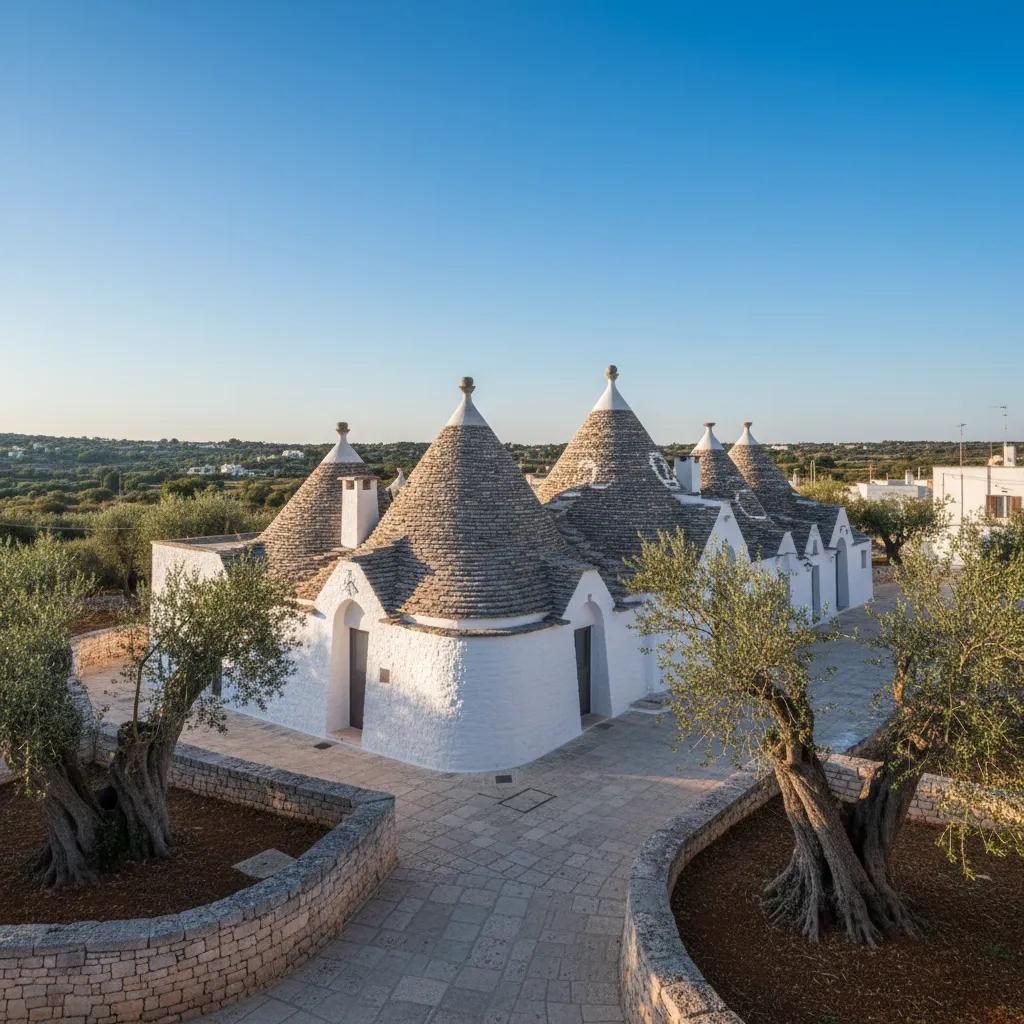
Puglia
Iconic trulli, crystal-clear sea, whitewashed villages. Attractive prices and an exceptional quality of life. A flagship region for foreign buyers.
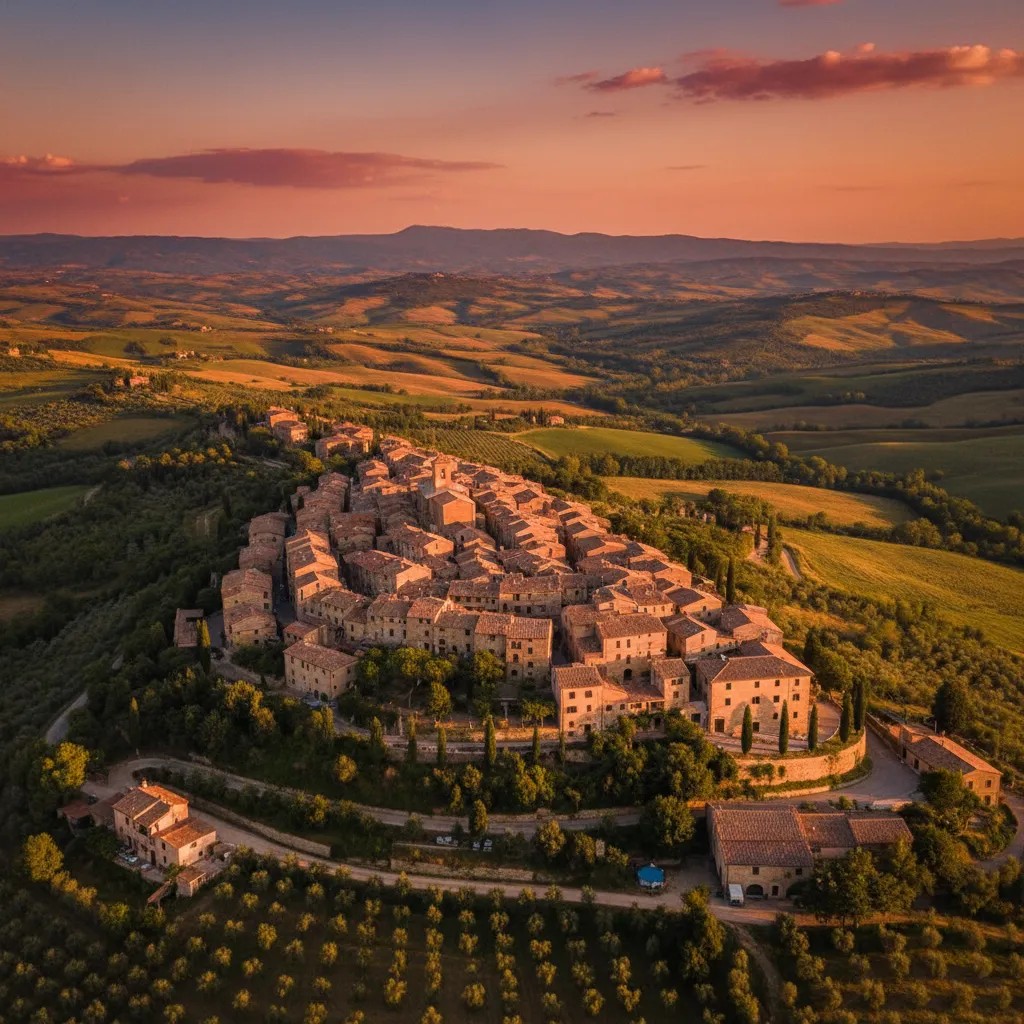
Tuscany
Charming villas, rolling green hills, vineyards. An unmatched way of life between Florence, Siena and the countryside.
Sardinia
Paradisiacal coastlines, turquoise sea, unspoilt nature. Fishermen's houses or luxury villas — a truly unique setting.
Sicily
Millennia of history, unrivalled gastronomy, accessible prices. Baroque palaces, masserie and village houses await you.
Piedmont
Mountains, alpine lakes, renowned wines (Barolo, Barbaresco). An authentic region on the doorstep of France.
Campania
Naples, Amalfi, Capri, Pompeii. A concentration of culture, beauty and gastronomy in southern Italy.
Where to buy in Italy?
Italy offers exceptional real estate diversity. Depending on your priorities, here are some options to consider:
🌞 For the sea and sunshine
- Puglia: Adriatic and Ionian coastline, trulli, masserie. Prices still accessible.
- Sardinia: Some of the most beautiful beaches in Europe, crystal-clear waters.
- Sicily: Mediterranean warmth, history and gastronomy.
- Calabria: Unspoilt nature, turquoise sea, very attractive prices.
🏔️ For the mountains and nature
- Piedmont: Alps, lakes, vineyards. Close to France.
- Aosta Valley: Ski resorts, alpine nature, French-Italian bilingualism.
- Trentino-Alto Adige: Dolomites, one of the highest quality of life in Italy.
🏛️ For culture and history
- Tuscany: Florence, Siena, San Gimignano, picture-perfect hills.
- Umbria: Perugia, Assisi, unspoilt countryside. "The green heart of Italy".
- Lazio: Rome and its surrounding region, thousands of years of history.
💼 For rental investment
- Major cities: Rome, Milan, Florence, Bologna — strong rental potential.
- Tourist areas: Amalfi Coast, Cinque Terre, Puglia — high seasonal rental yields.
💡 Our team can advise you on the best region based on your profile and budget. Book a free appointment.
Top Cities for Real Estate in Italy
The most attractive Italian cities for buying or investing.
Florence
A Renaissance gem. Historic apartments, high tourist demand.
Bologna
A vibrant university city. Affordable market, high quality of life, outstanding gastronomy.
Renting in Italy
Before buying, you may want to consider renting in Italy to test a region or a city. Here is what you need to know:
Types of rentals
- Long-term rental: Standard contract (4+4 or 3+2 years). Ideal for a gradual relocation.
- Seasonal rental: Available through Airbnb or local agencies. Perfect for exploratory stays.
- Furnished rental: Very common in major cities, practical for newcomers.
Indicative prices (monthly)
| City | Studio | 1-bedroom | 2-bedroom |
|---|---|---|---|
| Rome | €800–1,200 | €1,200–1,800 | €1,500–2,500 |
| Milan | €1,000–1,500 | €1,500–2,200 | €2,000–3,500 |
| Florence | €700–1,100 | €1,100–1,600 | €1,400–2,200 |
| Naples | €500–800 | €700–1,200 | €900–1,600 |
| Palermo | €400–600 | €600–900 | €800–1,200 |
Steps to rent
- Obtain your codice fiscale (Italian tax identification number)
- Sign the contratto d'affitto (rental agreement)
- Register the contract with the Agenzia delle Entrate (Italian Revenue Agency)
- Set up utility contracts (water, electricity, gas)
Our team can guide you through all of these steps. Contact us.
Les Étapes pour Buying in Italy
A structured, step-by-step process to secure your property purchase.
1. Property Search
Define your criteria (region, budget, property type). Our team selects the best listings matching your project.
2. Viewings and Selection
In-person or virtual viewings arranged by our team. Accompanied by a French-speaking expert on site.
3. Purchase Offer
Drafting and submission of the proposta d'acquisto (purchase offer). Price negotiation with the seller.
4. Preliminary Contract
Signing of the compromesso (preliminary contract). Payment of a deposit (typically 10–20% of the price).
5. Due Diligence
Thorough verification of all legal, planning, and cadastral documents. No unpleasant surprises.
6. Notarial Deed
Signing of the atto notarile at the notary's office. Official transfer of ownership and handover of keys.

Real Estate in Puglia : The Flagship Region
Puglia has become the number 1 region sought after by French-speaking buyers looking to purchase property in Italy. Stretching between the Adriatic and Ionian Seas, with landscapes of ancient olive groves and the unique architecture of the trulli, this region offers an exceptional quality of life.
Indicative prices: from €50,000 for a trullo in need of renovation, €150,000–€300,000 for a masseria with land. Prices remain well below those of Tuscany or the French Riviera for a comparable quality of life.
Key towns: Ostuni, Alberobello, Lecce, Bari, Polignano a Mare, Monopoli. Each with its own character and an already well-established expat community.
We recommend Allerenitalie to anyone who wishes to buy with peace of mind. Their French-speaking team guided us every step of the way, from the property search through to signing. An exceptional service!
The process was handled quickly and efficiently. Without them, purchasing our Tuscan farmhouse would have been impossible. Thank you for your professionalism and availability.
Without their help, our purchase project would not have succeeded, as the file was very complex. Their knowledge of the local market and Italian legal specificities proved invaluable.
Clear, fast and efficient. Perfect follow-up, clear explanations, very quick turnaround. I highly recommend this service to anyone looking to invest in Italy.
A very responsive team — thank you! They managed all the administrative side, and we were able to enjoy our Italian retirement stress-free. Outstanding support!
Efficient, attentive, professional and trustworthy. Their advice and dedication were essential in helping us achieve our Mediterranean dream.
Ready to buy your home in Italy?
1,500+ expatriates assisted since 2020 · 20 regions covered
Real Estate FAQ
All your questions about buying in Italy
Find here the answers to the most frequently asked questions from our clients looking to purchase a property in Italy.
Can a foreigner (French, Belgian, Swiss) buy property in Italy?
Yes, absolutely. European Union nationals can purchase property in Italy freely, without any restrictions. Swiss and Canadian citizens can do so as well, thanks to reciprocity agreements. The process is similar to buying property in France, with a few local specificities.
What is the average cost of a house in Italy?
Prices vary greatly depending on the region and type of property. On average: €80,000–€150,000 in the South (Calabria, Basilicata, Molise), €150,000–€350,000 in Puglia or Sardinia, €300,000–€800,000 in Tuscany or Lombardy. Major cities such as Rome and Milan can exceed one million euros for premium properties.
What are the additional costs when buying property in Italy?
You should generally budget between 10% and 15% of the purchase price in additional costs: notary fees (1–3%), registration tax (2% for a primary residence, 9% for a secondary residence), VAT if buying a new-build property (4–22%), and agency fees (3–6%). Our team will provide you with a precise cost estimate before any commitment.
Is it mandatory to have a lawyer or a notary?
A notary (notaio) is required in Italy to finalise the purchase. They represent both parties (buyer and seller) and ensure the legal validity of the transaction. A lawyer is not mandatory but is strongly recommended for complex transactions. Our service includes introductions to French-speaking professionals.
What is the codice fiscale and how do you obtain one?
The codice fiscale is the Italian equivalent of a national identification number used for tax and administrative purposes. It is essential for any administrative procedure in Italy (opening a bank account, signing a contract, purchasing a property). You can obtain it from the Italian consulate in your country or directly in Italy at the Agenzia delle Entrate.
Can a foreigner obtain a mortgage in Italy?
Yes, Italian banks do grant mortgages to foreign nationals, particularly EU residents. The conditions vary depending on your situation (resident or non-resident, employed or self-employed). Banks generally finance up to 80% of the property value. Our financial partner can guide you towards the best available options.
How does Italy's approach to welcoming foreigners work?
Italy is generally welcoming towards foreigners, particularly European nationals. The political landscape in Italy evolves, but property rights for European citizens are firmly guaranteed by European treaties. Some regions even offer tax incentives to attract new residents (flat tax of €100,000, 7% flat-rate scheme for retirees).
What are the best regions for a rental investment?
For seasonal rental investment: Puglia, Sardinia, Sicily, and the Amalfi Coast. For long-term rentals: Rome, Milan, Florence, and Bologna. Gross rental yields range from 3% to 8% depending on location and season. Our team can assist you with a profitability analysis.