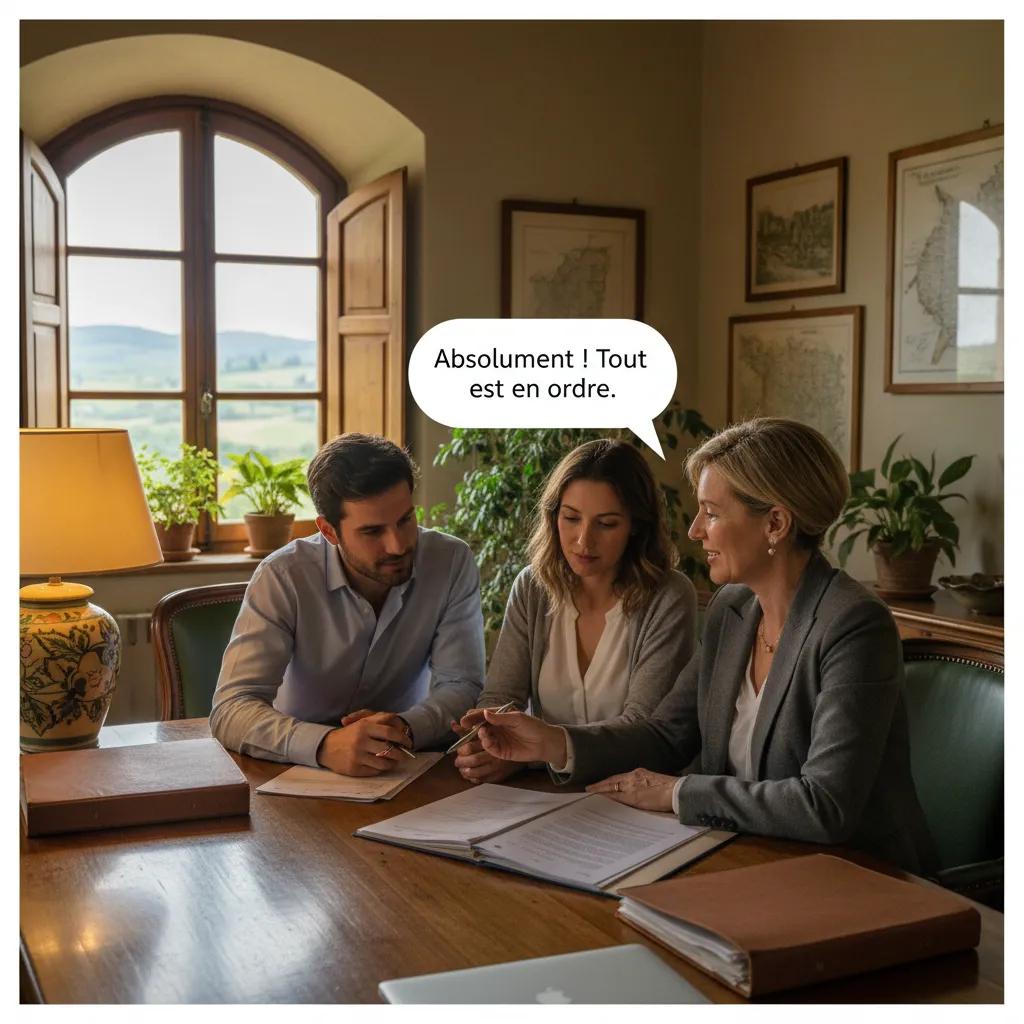
A dedicated concierge service by your side

Renting an Apartment in Italy

The Italian rental market has its own rules. Contracts, notice periods, neighbourhoods, average prices… Our complete guide prepares you for everything, so you can start your Italian adventure with confidence and peace of mind.
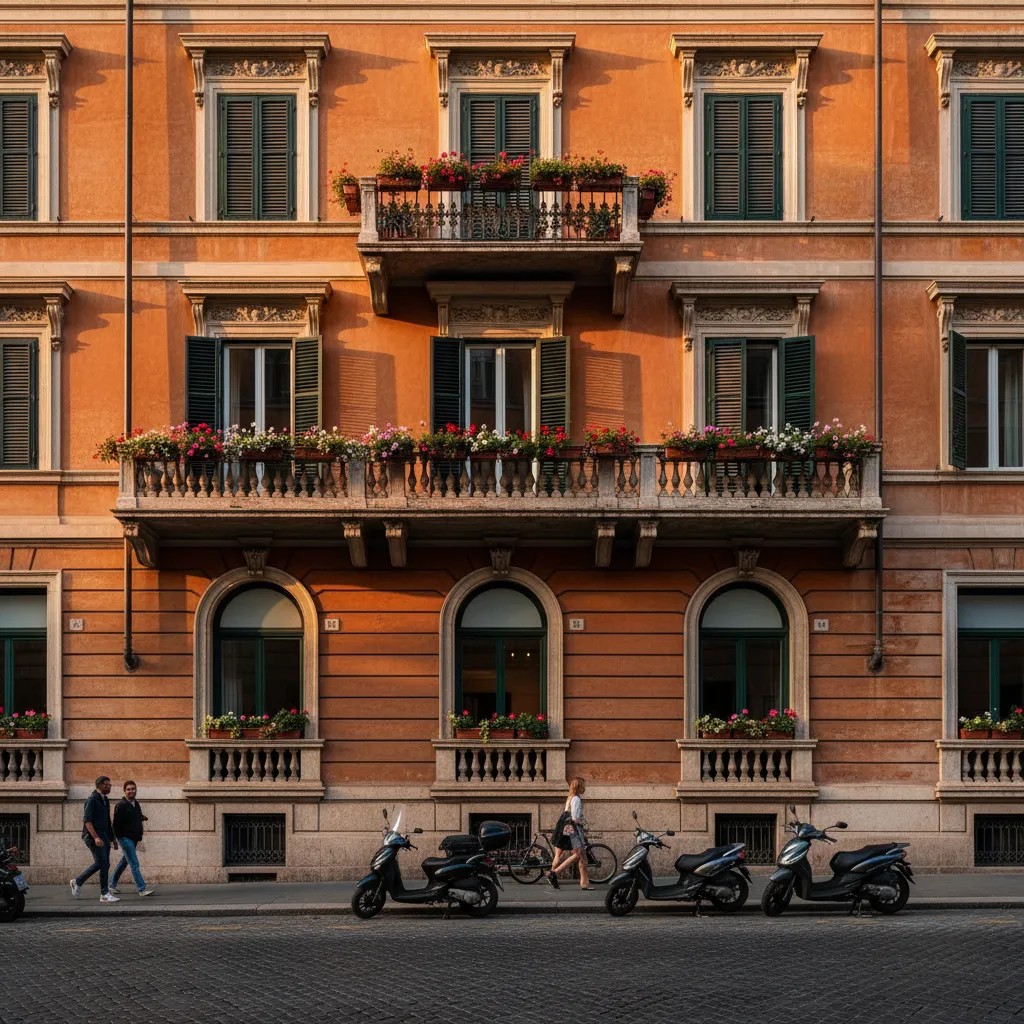
Louer un appartement en Italie
1 200 €
Average rent in Rome
for a 1-bedroom apartment in the city centre
1 500 €
Average rent in Milan
for a 1-bedroom apartment in the city centre
4 ans
Minimum lease duration
renewable for 4 years (standard 4+4)

How to Rent an Apartment in Italy?

The key steps to securing your rental in Italy with confidence

Define your budget and criteria

Set your monthly budget including utility charges, waste tax (TARI), and security deposit (typically 2 to 3 months' rent). Specify your target city, neighbourhood, and desired apartment size.

Search on the right platforms

Immobiliari.it, Idealista, Subito.it, and Casa.it are the main Italian property portals. Also join expat Facebook groups based in Italy for direct listings.

Visit and inspect the property

Check the overall condition, heating system, electrical compliance, and utility meters. Always request a receipt for every payment and confirm that the landlord is the registered owner of the property.

Sign the rental agreement

The contract must be registered with the Agenzia delle Entrate within 30 days. Common contract types are the 4+4 (primary residence) or the 3+2 (uso transitorio — transitional use). Always insist on a written contract.

Obtain your tax identification number (Codice Fiscale)

Essential for signing a lease in Italy. It can be obtained free of charge from an Italian consulate abroad or directly from the Agenzia delle Entrate in Italy. Without it, no administrative procedure can be completed.

Move in and register your residence

After signing, register your residency (residenza) with the local municipal office (Comune) within 20 days. This gives you access to public services, your health card, and social benefits.

Renting an Apartment in Rome

Rome is a city of contrasts where you can live in an apartment overlooking ancient ruins or in a classic period building. The Roman rental market is competitive, especially in central neighbourhoods. Here are the most popular areas:

  • Prati: quiet, upscale, close to the Vatican. Rent: €1,200 – €1,800/month for a one-bedroom.
  • Trastevere: bohemian and lively, very popular with expats. Rent: €1,100 – €1,600/month.
  • Pigneto: a trendy neighbourhood undergoing rapid change, more affordable. Rent: €800 – €1,200/month.
  • EUR: a residential district in the south, quiet and well connected. Rent: €900 – €1,400/month.
  • Ostiense / Testaccio: vibrant and cultural, ideal for young professionals. Rent: €900 – €1,300/month.

In Rome, a security deposit of 2 to 3 months' rent is standard. Be cautious of non-compliant properties or unregistered contracts — these carry significant legal risks.

Apartment in Rome
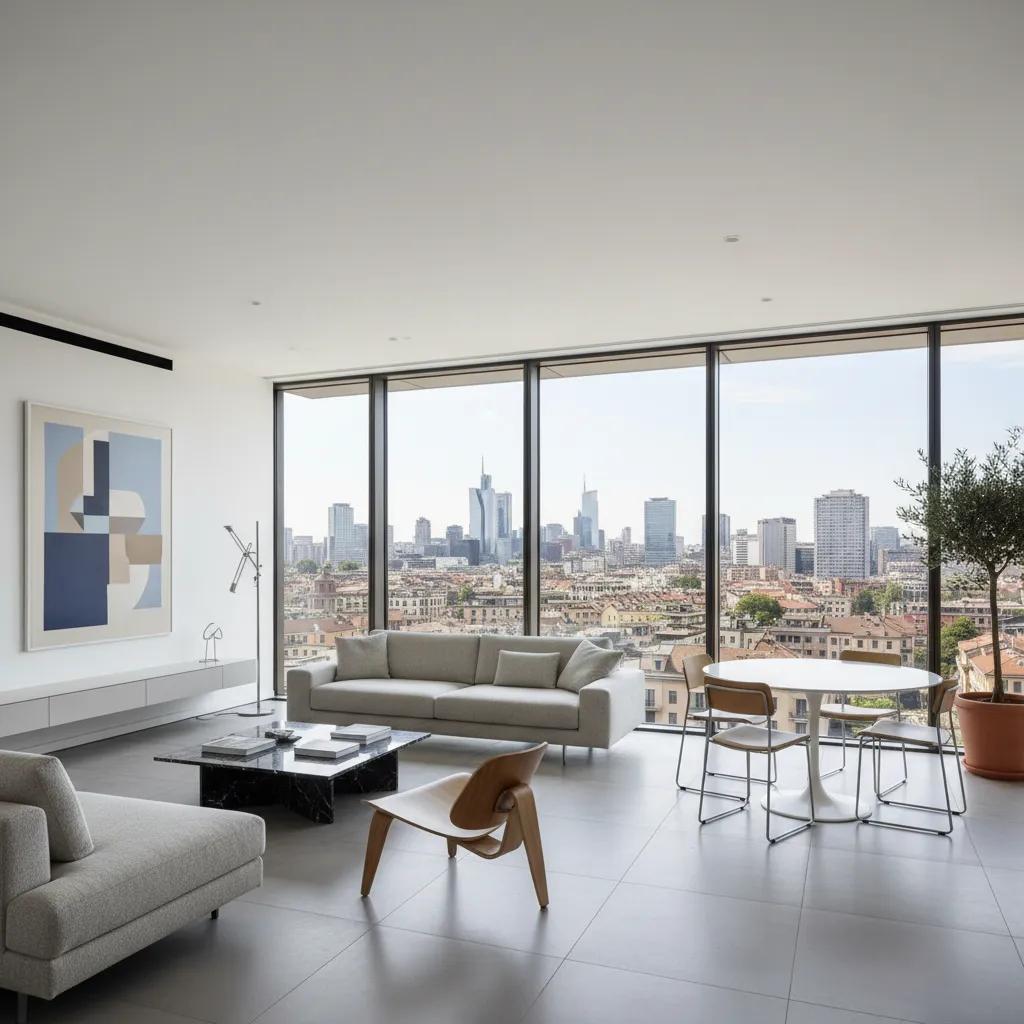
Apartment in Milan

Renting an Apartment in Milan

Milan is Italy's economic capital. The rental market is highly dynamic, with prices among the highest in the country. Here are the most sought-after neighbourhoods:

  • Brera: an artistic and upscale neighbourhood, very central. Rents: €1,600 – €2,500/month for a one-bedroom apartment.
  • Navigli: lively and trendy, popular with young professionals. Rents: €1,200 – €1,800/month.
  • Isola: a fashionable neighbourhood, on-trend and well located. Rents: €1,300 – €1,900/month.
  • Porta Romana: residential and quiet, close to the city centre. Rents: €1,100 – €1,700/month.
  • Sesto San Giovanni: on the outskirts but well connected, and more affordable. Rents: €800 – €1,200/month.

In Milan, demand far exceeds supply. It is strongly recommended to work with a local expert to find accommodation quickly and avoid fake listings.

Types of Rental Contracts in Italy

Understanding the different contracts to choose the option that suits your situation

4+4 Contract (Primary Residence)

This is the standard contract for long-term rentals. Initial duration of 4 years, automatically renewable for an additional 4 years. The rent is freely set and the notice period for termination is a minimum of 6 months on the tenant's side.

Agreed Rent Contract (3+2)

A contract with rent regulated by local agreements, offering a below-market rent. Duration of 3 years, renewable for 2 years. Tax benefits for the landlord. Ideal for those on a tighter budget.

Transitional Contract (1 to 18 months)

For temporary stays justified by professional or academic reasons. Duration between 1 and 18 months. Requires written justification. Commonly used by expatriates during their settling-in period.

Holiday Rental (Uso turistico)

For short stays, subject to specific regulations. After 30 consecutive days, the nature of the contract changes. No tenant protections apply. Rates are higher but very flexible — a good option for trying out a city before committing.

Un Service de Concierge à tes Côtés

Aller en Italie is a company based in Italy that supports you throughout every step of your rental journey: property search, contract review, landlord negotiation, and administrative follow-up.

Our experts have an in-depth knowledge of the local rental market and can help you avoid the most common pitfalls: unregistered contracts, online scams, excessive deposits, and illegal clauses.

  • ✅ Personalised search based on your criteria
  • ✅ Legal review of the contract
  • ✅ Assistance obtaining your codice fiscale
  • ✅ Support with residence registration
  • ✅ Dedicated support at every step

Book a Free Appointment

Concierge service in Italy

How to Spot a Rental Scam in Italy?

Protect yourself from the most common scams on the Italian rental market

Abnormally low price

A well-located apartment priced significantly below market rate is the first red flag. Always compare with similar listings in the same neighbourhood.

Request for upfront payment

Be cautious if the landlord asks for a bank transfer before even a viewing, claiming to be abroad or overwhelmed. Never send money before signing a verified contract.

Unregistered contract

Every rental contract must be registered with the Agenzia delle Entrate within 30 days. An unregistered contract is illegal and offers you no protection in the event of a dispute.

Photos that don't match

Run a reverse image search on the listing photos (Google Images). Scams frequently use stolen photos from other properties or fake interiors.

Non-existent or untraceable landlord

Always verify the landlord's identity and confirm they are the registered owner of the property through the land registry (visura catastale). An agent or private individual must be able to prove their right to rent.

Artificially created urgency

"Other people are interested — you need to decide now!" is a classic pressure tactic. Always take the time to verify and do not let yourself be rushed.

FAQ

All your questions about renting in Italy

Have more questions? Our team is available to guide you through every step of your rental process in Italy.

Contact an expert

What is the average rent for an apartment in Italy?
Prices vary significantly depending on the city and neighbourhood. In Rome, expect to pay between €800 and €1,800/month for a one-bedroom apartment, depending on the area. In Milan, prices are generally higher: €1,000 to €2,500/month. In mid-sized cities such as Bologna, Florence, or Turin, rents range from €600 to €1,400/month. In southern Italy (Naples, Palermo), prices are considerably lower, between €400 and €900/month.

Do you need a tax code (codice fiscale) to rent in Italy?
Yes, the codice fiscale is essential for signing a rental agreement in Italy. It can be obtained free of charge from an Italian consulate in your home country, or directly from the Agenzia delle Entrate in Italy. The process is straightforward and relatively quick (a few days to a few weeks). Without this code, you cannot sign any contract or carry out any administrative procedure in Italy.

What is the minimum duration of a rental contract in Italy?
In Italy, the standard rental contract (4+4) has a minimum duration of 4 years, automatically renewable for a further 4 years. Transitional contracts (1 to 18 months) are also available for temporary stays. Students can access specific contracts lasting 6 to 36 months. Short-term tourist rentals (uso turistico) allow brief stays with no statutory minimum duration.

What documents are required to rent an apartment in Italy?
The documents typically required are: a valid identity document (passport or European ID card), codice fiscale, proof of income (last 3 pay slips or tax return), and possibly a bank guarantee or joint surety. For self-employed or non-salaried applicants, landlords may request a tax return or recent bank statements.

How can you avoid rental scams in Italy?
Several precautions are essential: never transfer money before visiting the property and signing a contract; verify the landlord's identity and their right to let the property; insist on a contract registered with the Agenzia delle Entrate; be wary of unusually low prices; and perform a reverse image search on the listing photos. Our team can review listings and contracts on your behalf.

Is it possible to rent an apartment in Italy without speaking Italian?
It is possible, but it makes the process considerably more complicated. Contracts, communications with landlords, and administrative procedures are all conducted in Italian. This is where our concierge service proves particularly valuable: we act as an intermediary, translate documents, and assist you throughout the entire process so you can rent with confidence and peace of mind.

What are the main differences between renting in Italy and renting abroad?
There are several important differences: Italian rental contracts tend to offer less tenant protection than in many other countries; the security deposit is typically 2 to 3 months' rent (compared to 1 to 2 months elsewhere); bills-included rentals are rare in Italy — heating, water, and electricity are usually charged separately; eviction procedures are more complex for landlords; and finally, the TARI tax (waste collection) is the tenant's responsibility.

Need help renting in Italy?

Our concierge service supports you every step of the way: property search, contract review, administrative formalities and settling in. Book your first consultation free of charge.