Buying a house in Bologna: practical guide to prices, neighbourhoods and procedures
Bologna is attracting more and more international buyers with its dynamic real estate market. Discover key prices, neighbourhoods and buying procedures.

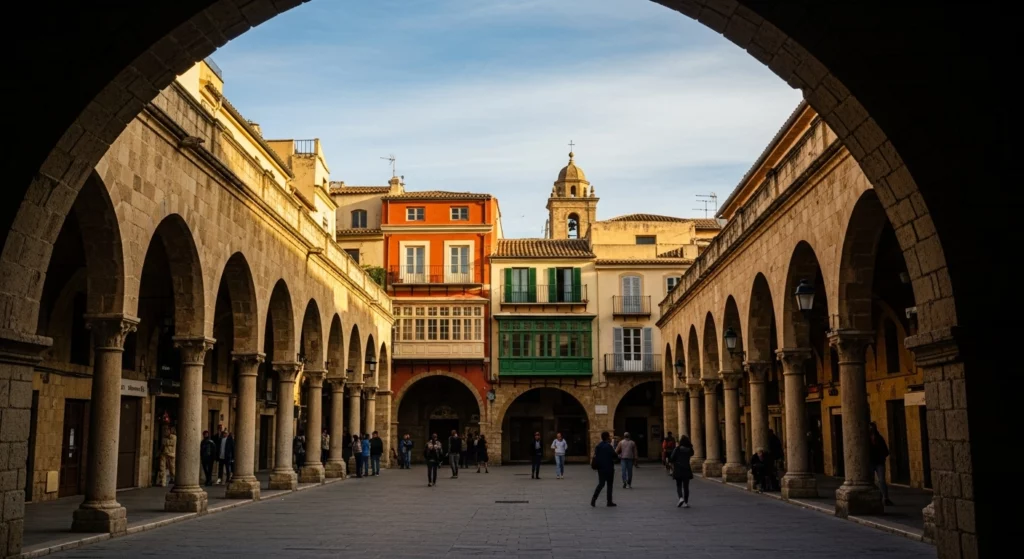
Bologna, with its dynamic property market, is attracting a growing number of international buyers looking to purchase real estate in this historic Italian university city. The capital of Emilia-Romagna has a competitive market characterised by strong demand and limited supply, which directly affects prices and transaction timelines.
For foreign buyers, navigating this steadily rising market can be challenging — especially since the purchasing process differs considerably from what most people are used to in their home countries. Between Italy's administrative specificities and local particularities, solid preparation is essential.
In this guide, you will find the current market trends in Bologna, neighbourhood price benchmarks, the most sought-after property types, and the concrete steps to carry out your project successfully. We also cover the additional costs to budget for and the key watch points to secure your purchase in this highly attractive city.
Aller en Italie
Relocation experts · since 2020
4.9
How many steps separate you from Italy?
A tailored offer based on your needs — in 3 min, no commitment
Tell us about your project
Profile, area, buying or renting
We select your services
From 50+ services in English
Receive your quote
Clear, detailed, personalized
*Indicative and customizable quote, no contractual commitment.
Free · 3 min · in English · no commitment
Create my offerBologna: why buy property in the capital of Emilia-Romagna?
Bologna stands out as the vibrant heart of Emilia-Romagna, a region that is drawing increasing attention from international property buyers. The city combines several strengths that make it a compelling real estate destination for those considering buying a house in Emilia-Romagna: steps and key points.
Practical advantages of living in Bologna
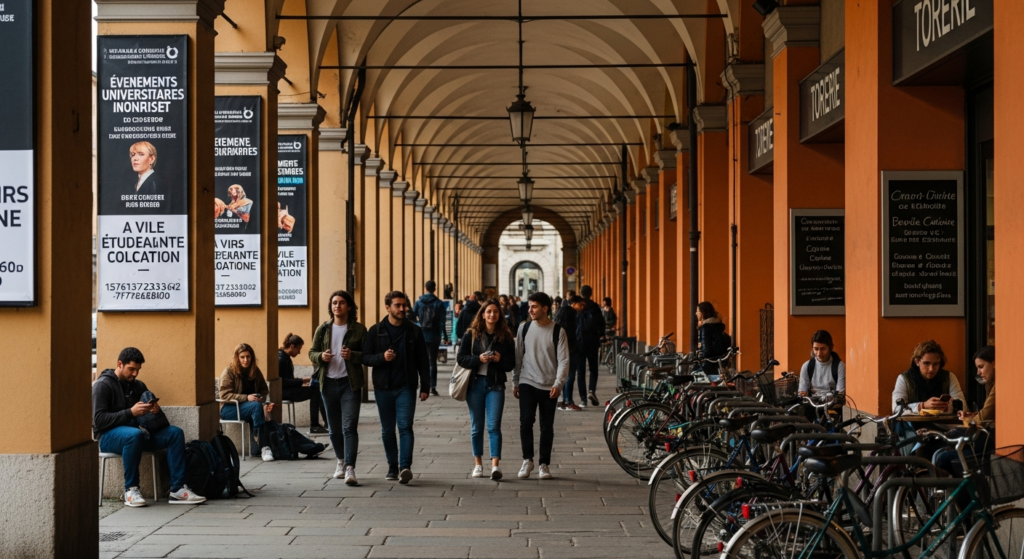
The Emilian capital appeals through its stable and diversified economic environment. Its well-developed transport network makes it easy to get around the city and reach other Italian urban centres. The presence of the University of Bologna — one of the oldest in Europe — draws a large student population that keeps the rental market active.
Emilia-Romagna also enjoys a widely recognised quality of life, combining a well-preserved historical heritage with efficient public services. The local gastronomy and cultural vitality add further appeal.
Key constraints to be aware of
That said, buying in Bologna does come with specific challenges. The property market is tight, with limited supply facing sustained demand. Properties in the historic centre are particularly sought after, and their prices reflect this popularity.
The purchasing process in Italy differs considerably from what buyers may be accustomed to elsewhere, requiring adaptation to local procedures. The language barrier can also complicate negotiations and the understanding of administrative documents for foreign buyers.
THEY TALK ABOUT US
Maisons & Jardins · Le Figaro · Challenges
« Built on solid hands-on experience and an in-depth knowledge of Italian procedures. »
Jessica Colpin, co-founder — Maisons & Jardins France, Jan.–Feb. 2026
Buying in Bologna: what makes purchasing property in Italy different (rules, documents, key players)
Buying property in Emilia-Romagna has several specificities compared to other countries. For foreign buyers looking to purchase in Bologna, understanding these differences is essential.
Italy-specific documents
Even before you start your property search, you will need to obtain a codice fiscale, the Italian tax identification number. This document is mandatory for any real estate transaction in Italy.
The purchase process involves two major contractual documents: the preliminare (preliminary sale agreement) which commits both parties, and the rogito (notarial deed) signed before a notary, which finalises the transaction.
Land registry and planning checks are particularly important in Bologna, where much of the built heritage is old. Make sure that any modifications made to the property have been properly registered.
Key players in the transaction
The Italian notary (notaio) plays a central but different role from notaries in other countries. They represent the State rather than the parties involved, verifying the legality of the transaction without necessarily protecting your specific interests.
Real estate agencies (agenzie immobiliari) are generally paid by both parties — buyer and seller — unlike in many other countries where only the seller typically pays the commission.
To navigate these differences, many foreign buyers engage a geometra (technical surveyor) to check the technical and planning aspects of the property before purchase.
Overall budget to plan for
Beyond the purchase price, you should budget for several additional expenses: notary fees, registration taxes or VAT depending on whether the property is new or existing, and agency commission if applicable.
Recurring costs include local property taxes (IMU for second residences), building maintenance charges (spese condominiali), as well as the waste collection tax (TARI) and the television licence fee (charged on the electricity bill), which can be significant in Bologna's historic buildings.
Properties in Emilia-Romagna may require renovation work, particularly in the historic centre of Bologna. Factor this into your overall budget.
To make your project a success, research the local specificities in advance and prepare your file carefully. Buying a house in Emilia-Romagna: steps and key points.
Aller en Italie
French expatriation expert · since 2020
4.9
73 verified reviews
1,500+ expats supported
50+ services with French-speaking professionals
20 regions covered
Local consultants based in Italy
Free appointment · 15 min · in French · no commitment
Book an appointmentBologna's neighbourhoods and the property market
Bologna stands out for its diverse neighbourhoods, each with its own character — ideal whether you are looking to live there or invest. The city has a dynamic property market, with average prices around €3,749/m² for sales for residential properties and approximately €16.76/m²/month for rentals (December 2025). Central areas remain the most expensive, while peripheral districts offer more affordable options.
Centro Storico
The historic core is home to iconic landmarks such as Piazza Maggiore and the Due Torri. It is also the most expensive area, with prices around €4,613/m² for sales and up to ~€18/m²/month for rentals.
University District (Zona Universitaria)
A young and lively area centred around Via Zamboni, ideal for students or short stays. Close to the city centre, it offers good access to transport and services.
Saragozza
Quieter and more residential, this neighbourhood heading towards the San Luca hill is popular for its quality of life. Prices are generally lower than in the centre but remain stable.
Bolognina & Murri
More affordable, these mixed-use areas attract young families and buyers on a moderate budget. In the Murri/Massarenti area, sale prices are around ~€3,844/m².
In summary, whether to invest or live in Bologna depends on your priorities: the historic centre for a classic urban experience, student districts for a lively atmosphere, or residential zones for a better value-for-money ratio.
Bologna property market: supply tensions and price trends
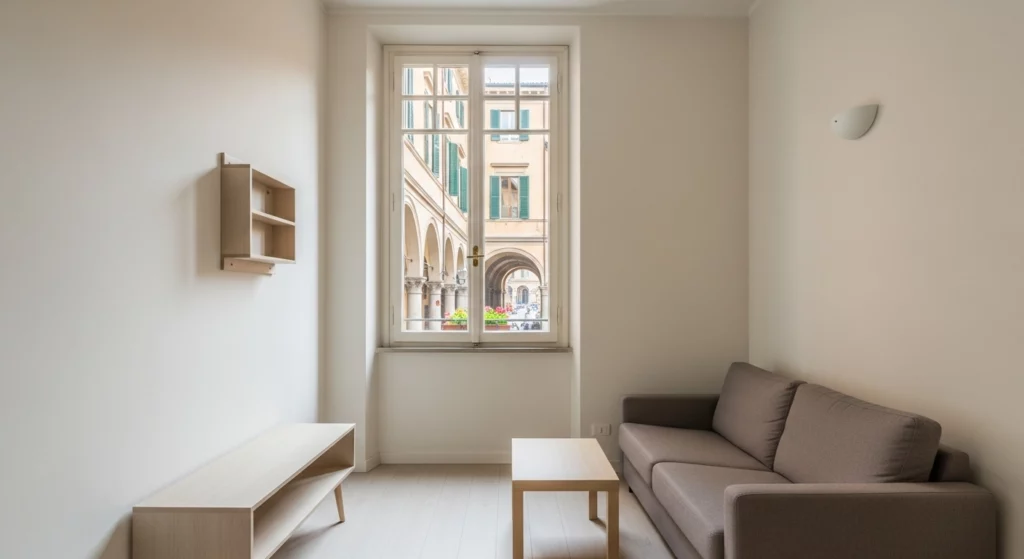
Bologna's property market is going through a period of tension characterised by sustained demand facing limited supply. Average prices currently stand at around €3,727/m² (November 2025), with a clear upward trend over the past year. Projections suggest this growth is set to continue through 2026.
Rental prices are following the same trajectory, with an average level of €17.1/m² and further increases expected in the coming months. This situation reflects the city's enduring attractiveness.
Particularly strong demand in certain segments
Property demand in Bologna is concentrated mainly on:
- Small units, which are in very high demand
- Properties suitable for flat-sharing
- Homes close to public transport
This pressure is driven in large part by the need for student housing. Despite an increase in private supply in this segment, demand continues to outstrip availability.
Constrained supply keeping prices high
The supply of properties in Bologna has several characteristics:
- A scarcity of new-build developments
- Shorter selling times, especially in well-connected areas
- A significant rise in transactions at the start of 2025
This tight market configuration explains why prices remain at high levels and continue to rise steadily.
How to buy a property in Bologna: step-by-step from your search to the rogito
Buying property in Bologna follows a structured process that requires organisation and preparation, particularly for foreign buyers.
Planning your project and property search in Bologna
Before you start viewings, clearly define:
- Your priority search area
- Your total budget, including fees and taxes
- Your non-negotiable criteria (size, floor, orientation)
This preparation will allow you to act quickly in a market where attractive properties go fast.
Essential checks before committing
Before signing any document or paying a deposit, make sure you verify:
- The property's land registry and planning status
- Current and upcoming building maintenance charges
- Any approved or anticipated works
- Compliance of installations with Italian standards
Steps involved in buying a property in Bologna
The typical purchase process includes:
- Viewing the property and submitting a purchase offer
- Preliminary agreement with the payment of a deposit
- Signing the preliminary contract (preliminare) with payment of a down payment
- The final deed (rogito) signed before the notary
For foreign buyers, additional considerations apply regarding the opening
Buying in Bologna: key takeaways
Investing in Bologna's property market represents a real opportunity in a dynamic and attractive city. The capital of Emilia-Romagna is characterised by rising prices, strong demand for smaller properties, and significant price differences between neighbourhoods. Areas such as the Colli hills offer prestige and quality of life, while other districts like San Donato-Pilastro allow for more affordable acquisitions.
To make your purchase a success in this context, focus on thorough preparation: plan your full budget (purchase price plus fees), target neighbourhoods according to your priorities, and never skip technical and administrative checks. Before any viewing, prepare a personalised checklist covering your maximum budget, non-negotiable criteria, and the documents you need to move quickly when the right opportunity comes up in Bologna.
FAQ — Buying in Bologna: prices, demand, and timelines
How long does it typically take to complete a property purchase in Bologna?
- In well-connected areas of Bologna, selling times tend to be short due to strong demand
- Plan for 3–6 months in total, from the initial search to the final signing before the notary (rogito)
- The timeline may be longer for non-residents (obtaining the codice fiscale, opening a bank account)
Are areas near new transport projects a good investment in Bologna?
- Districts affected by the tramvia development are already showing signs of value appreciation (e.g. Borgo Panigale)
- Casteldebole is experiencing price growth linked to improved transport connections
- Accessibility and public transport links remain major factors driving property values in Bologna
Is it straightforward to rent out a property you buy in Bologna?
- Rental demand is strong in Bologna, particularly for smaller units (average rents around €17.1/m²)
- Check the rules of the condominio, as they may restrict or regulate letting
- Demand is especially high in university areas and districts with good transport connections
What specific documents should you check before buying in Bologna?
- The property's land registry and planning status (compliance of any previous works)
- The state of building maintenance charges and any approved upcoming works
- Mandatory technical surveys (energy performance certificate, installations)
- Any restrictions on the property (vincoli), especially in Bologna's historic districts