Swiss border homes — Varese & cross-border workers: buy and live on the Italian side
Buy a home near the Swiss border in Varese in 2026: property prices, areas, cross-border worker tax rules and practical advice for living in Italy while working in Switzerland.

Overview
This guide is aimed at cross-border workers living or planning to live in the province of Varese to work in Switzerland, as well as Swiss and international buyers attracted by Italian property close to the confine. To explore taxation or relocation procedures in depth, visit our guides on the taxation in Italy hub and the working in Italy hub.
Aller en Italie
Relocation experts · since 2020
4.9
How many steps separate you from Italy?
A tailored offer based on your needs — in 3 min, no commitment
Tell us about your project
Profile, area, buying or renting
We select your services
From 50+ services in English
Receive your quote
Clear, detailed, personalized
*Indicative and customizable quote, no contractual commitment.
Free · 3 min · in English · no commitment
Create my offerVarese: Italy's quintessential border city
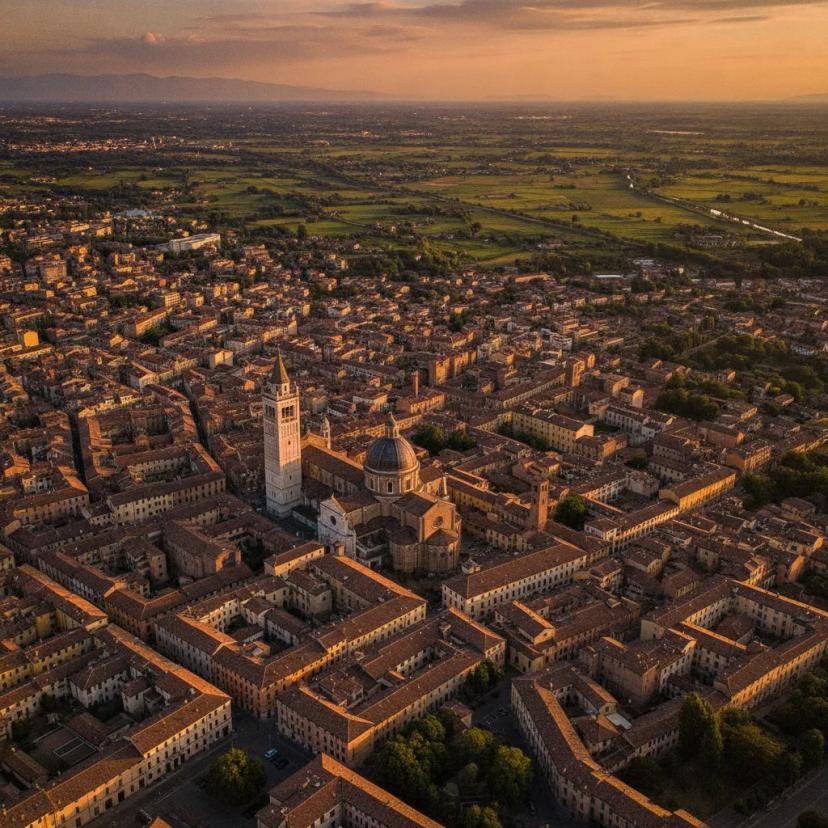
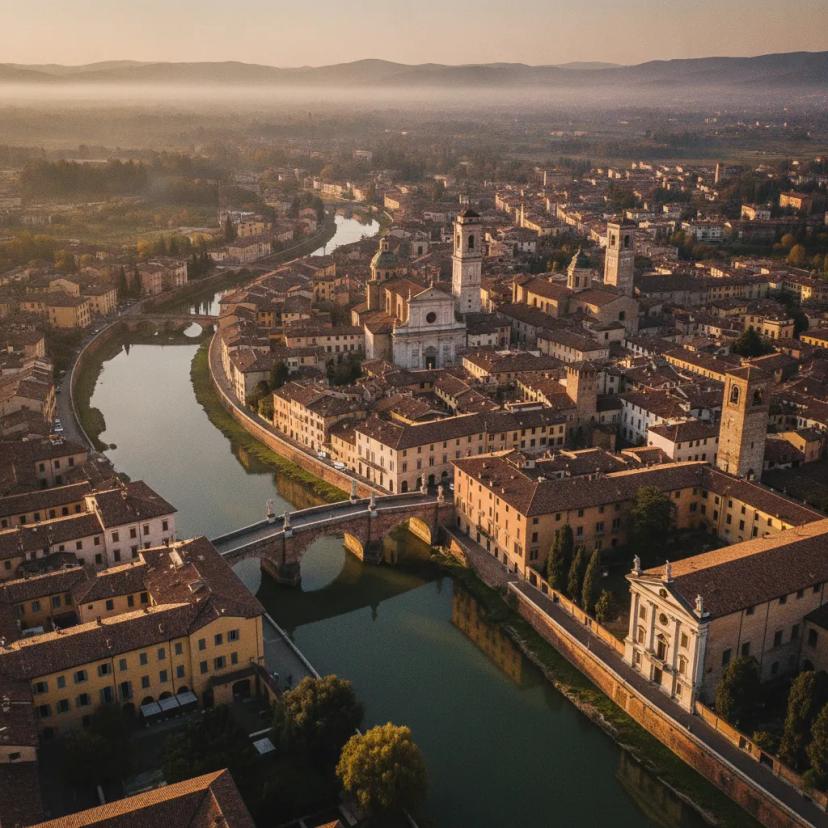
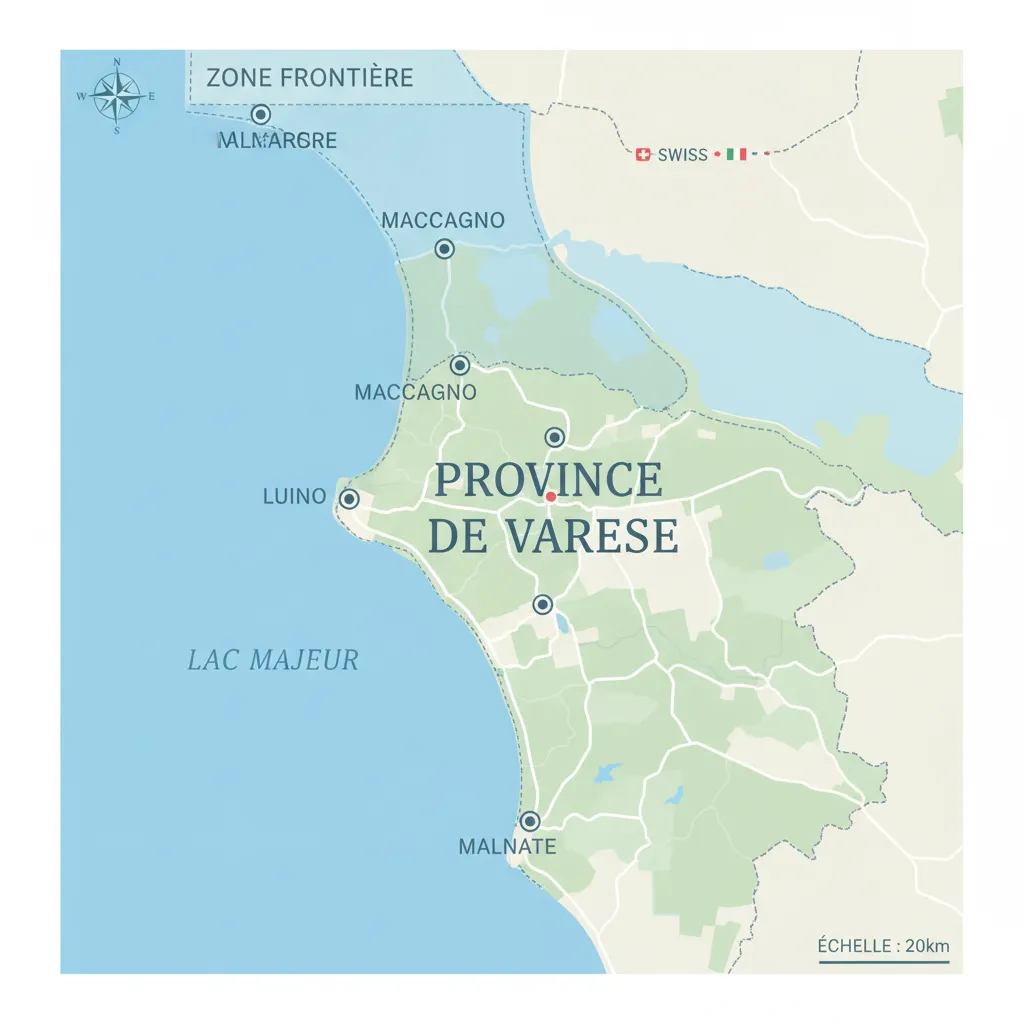
Less than 15 kilometres from the canton of Ticino, the province of Varese holds a unique geographical position in Italy: it is the only major Lombard urban area that shares a direct land border with Switzerland. This proximity has long made it a preferred place to live for cross-border workers — people who reside in Italy and cross the border daily or weekly to work on Swiss soil.
If you are considering buying a house near the Swiss border on the Varese side, you are entering a highly competitive market: demand from Italian cross-border workers, Swiss investors looking to invest, and international buyers drawn by the alpine lifestyle has pushed prices up considerably in the communes closest to the confine. Understanding this market, its dynamics, and its tax specificities is essential before taking the plunge.
For a broader overview of settling in the region, see our guide on living in Lombardy and our dedicated page on living in Varese.
THEY TALK ABOUT US
Maisons & Jardins · Le Figaro · Challenges
« Built on solid hands-on experience and an in-depth knowledge of Italian procedures. »
Jessica Colpin, co-founder — Maisons & Jardins France, Jan.–Feb. 2026
The best areas to buy a house near the Swiss border
The province of Varese covers roughly 1,200 km² between the Pre-Alps and the lakes, but not all communes benefit equally from their border location. Buyers looking to purchase property near the Swiss-Italian border tend to focus on three main geographical corridors, each with its own price characteristics, transport links, and quality of life.
The Luino – Maccagno corridor (eastern shore of Lake Maggiore)
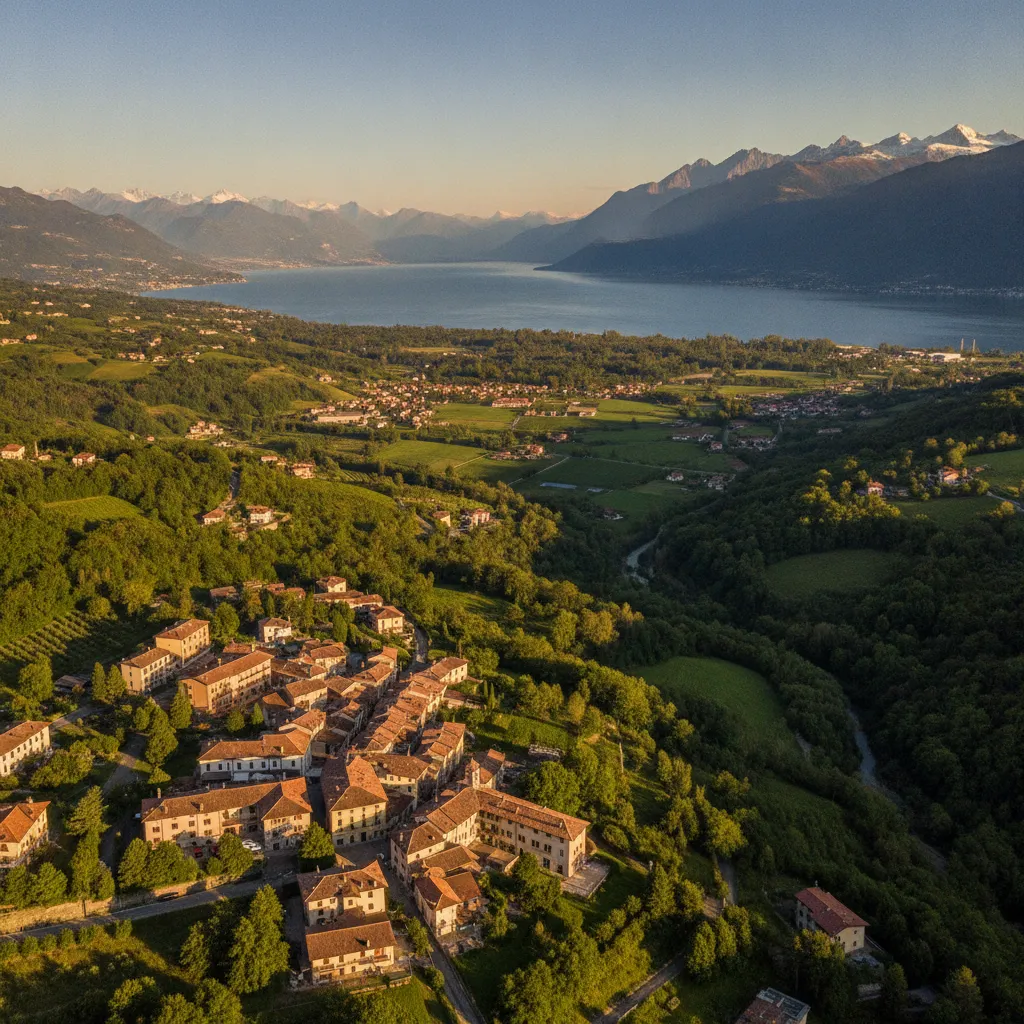
The Italian shore of Lake Maggiore on the Varese side is arguably the most sought-after area. Luino, Maccagno, Germignaga, and neighbouring communes offer an exceptional lakeside setting, just minutes from the border crossings towards Lugano and Bellinzona. The natural surroundings — turquoise water, forested mountains, clean air — combined with direct access to Ticino explain some of the highest prices in the province. Detached houses and villas with lake views regularly reach €500,000 to €750,000, and exceptional properties can go well beyond that.
The Varese city – Malnate corridor (motorway access to Chiasso)
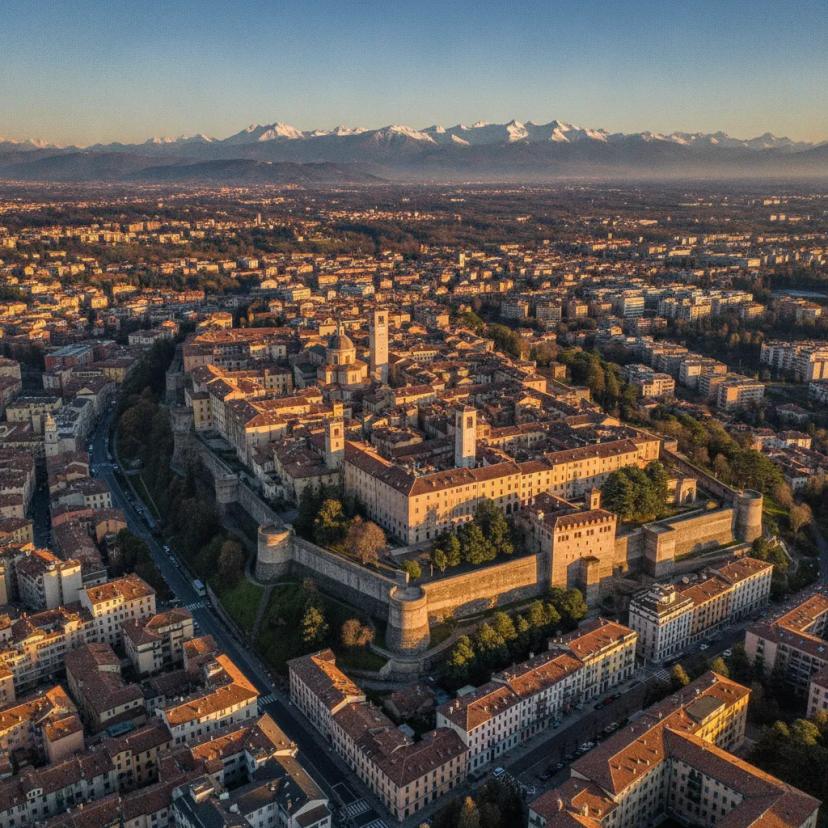
The city of Varese and its suburban belt (Malnate, Vedano Olona, Castellanza) form the province's main urban area. The A8/A9 motorway connects to the Chiasso-Como border crossing in 20 to 30 minutes depending on traffic, making it a popular logistical base. Flats and terraced houses are more affordable here than on the lakeside, though prices have risen noticeably since 2022. Varese city offers full urban amenities: a university hospital, universities, shops, and a lively cultural scene — it is often the choice for families who prioritise services over panoramic views.
The Gallarate – Busto Arsizio corridor (cross-border workers heading to Zurich)
Further south, Gallarate and Busto Arsizio attract cross-border workers employed in the cantons of Zurich or Zug, often reached via Malpensa airport and rail links to German-speaking Switzerland. These towns offer a dense urban fabric, full services, and slightly lower prices than Varese city. One important caveat: these communes can sometimes fall outside the 20 km zone defined for the cross-border worker tax regime depending on the border crossing used — this must be verified without fail before registering your residency there.
| Area | Distance to border | Main crossing | Indicative price range 2026 |
|---|---|---|---|
| Luino / Maccagno | 2–8 km | Luino (Ticino) | €400,000 – €750,000 (house) |
| Varese city / Malnate | 10–15 km | Gaggiolo / Stabio | €300,000 – €500,000 |
| Gallarate / Busto Arsizio | 25–35 km | Como / Chiasso | €200,000 – €380,000 |
Indicative price ranges for 2026 — sources: FIAIP, Italian property portals. Always verify current prices with a local agent.
Aller en Italie
French expatriation expert · since 2020
4.9
73 verified reviews
1,500+ expats supported
50+ services with French-speaking professionals
20 regions covered
Local consultants based in Italy
Free appointment · 15 min · in French · no commitment
Book an appointmentVarese property market prices for cross-border workers in 2026
The market for houses near the Swiss border in Varese is currently under considerable pressure. According to a FIAIP estate agent quoted by VareseNews in 2026, a villetta that was selling for €310,000 to €330,000 a few years ago now reaches €450,000 in communes close to the confine — a rise of around 35 to 45% in just a few years. This surge is driven by two distinct but cumulative factors:
- Demand from Italian cross-border workers: their CHF salaries give them significantly greater purchasing power than the local average, mechanically pushing prices upward. A cross-border worker earning CHF 80,000 gross per year has a property-buying capacity that bears no comparison to an employee earning euros in the same province.
- Demand from Swiss buyers: many Swiss investors choose the Italian side to take advantage of per-square-metre prices that are still lower than in Switzerland, lighter property taxation in many cases, and an attractive lifestyle without the constraints of the Swiss property market.
For properties requiring renovation, the province shows an average price of around €900/m² across all communes — an average that conceals wide variations: the most sought-after border areas are well above this figure, while more isolated villages remain well below.
Key budget considerations
For a detached house in communes very close to the border (within a 5 km radius), budget at least €400,000 to €450,000 in 2026. Flats in Varese city start from around €180,000 – €250,000. Well-located properties requiring renovation can offer a more accessible entry point, provided you factor in renovation costs and thoroughly check all planning documents.
To compare with other Lombard lakeside markets, see our guides on buying on Lake Como and buying a house in Lombardy.
Living in Varese as a cross-border worker: daily life across the border
Living in the province of Varese while working in Switzerland is a lifestyle built around the border — one that thousands of families have adopted and refined over the years. The most frequently used crossings for workers heading to Ticino are Luino, Gaggiolo, Stabio, and Ponte Tresa, while the Chiasso motorway corridor serves those bound for Lugano or central Switzerland. Journey times vary: 15 to 20 minutes from Luino to Lugano, 30 to 50 minutes from Varese city depending on customs traffic.
The region benefits from a cross-border rail network (Ticino S-Bahn via Luino or Bellinzona) and regular bus connections. Many cross-border workers nonetheless prefer to drive, particularly from rural communes with limited public transport. At peak hours, border crossing queues can significantly extend journey times — factor this into your choice of commune.
Services, schools, and quality of life
Varese has a leading university hospital (Ospedale di Circolo), universities, a full range of shops, and a varied cultural scene. The cost of living is considerably lower than in Switzerland: food, restaurants, healthcare, and leisure are all more affordable on the Italian side — one of the main draws for cross-border families. Active cross-border worker communities provide a space to share practical advice and stay up to date with regulatory changes.
To explore daily life in Lombardy further, see our guide on living in Lombardy and our article on the cost of living in Italy.
Cross-border worker status and Switzerland–Italy taxation: the key points
The taxation of Switzerland–Italy cross-border workers is governed by the bilateral agreement of 23 December 2020, ratified by Italy through Law 83/2023. This agreement defines who qualifies for the special regime and how Swiss income is taxed on both sides of the border. We outline the main principles below; for a personalised analysis, visit our Italian taxation hub.
The 20 km zone: the defining criterion
To qualify for cross-border worker status and the associated tax regime, you must reside within the 20 km zone as the crow flies from the Swiss border. This band covers the vast majority of the province of Varese: Varese city, Luino, Malnate, Maccagno, Germignaga, and their surrounding areas. Some more southerly communes may fall outside this band depending on the border crossing used. Always verify the exact situation of your address with a tax adviser before making any property commitment.
Pre-existing vs. new cross-border workers
The agreement distinguishes between two regimes based on the date of employment in Switzerland:
- Pre-existing cross-border workers (employed before 17 July 2023): exclusive taxation in Switzerland on Swiss employment income, with a partial redistribution to the Italian communes of residence.
- New cross-border workers (employed from that date onwards): tassazione concorrente — Switzerland withholds tax at source and Italy also taxes the Swiss income, with a €10,000 allowance (franchigia) to avoid full double taxation.
On the Swiss side (Ticino), for a gross income of CHF 80,000, the tax withholding in Lugano is approximately 4.8% (2024 data). On the Italian side, regional and municipal surcharges (addizionali) are added on top of national IRPEF: Lombardy applies a 1.73% regional surcharge, to which a variable municipal surcharge is added depending on the commune. These rates can create differences of up to €900 per year between two neighbouring communes in the same border zone.
Important: compare municipal surcharge rates
Before choosing your commune of residence, compare the municipal addizionale rates: some communes in the border zone apply higher rates than others, which can mean several hundred euros of difference per year on your Italian tax bill. A strategic choice of domicile can make a significant long-term difference.
To explore this further, read our articles on IMU and property taxes in Italy and the Italian flat tax.
Buying property in Varese as a cross-border worker or international buyer
Buying a house in Italy as a cross-border worker or future resident follows the standard Italian property purchase process, with a few important specificities. Here are the main steps:
- Obtain your codice fiscale — essential for any transaction. See our guide on how to get an Italian tax code.
- Assess and secure your financing — cross-border workers receiving a CHF salary can obtain a euro-denominated mortgage from an Italian bank. A deposit of 20 to 25% is often required. Factor in the EUR/CHF exchange rate risk and compare multiple offers. Our guide on Italian property mortgages covers everything you need to know.
- Verify the property's documentation — planning compliance, land registry records, absence of hidden charges. Read our guides on documents to check and mistakes to avoid.
- Compromesso and rogito — the preliminary sale agreement precedes the final notarial deed. The notary is mandatory and essential under Italian law.
- Register your residency — to benefit from the prima casa bonus, transfer your primary residence to the purchase commune within 18 months of the rogito. This transfer is also the condition for accessing the cross-border worker tax regime if you are not yet registered in the 20 km zone.
For a complete overview of the process, see our guide on the steps to buying a house in Italy and our central article on buying a house in Italy.
Further resources to help your project succeed
- Property in Lombardy: buying a house in Lombardy
- Nearby lakes: Lake Maggiore and Lake Como
- Life in Lombardy: living in Lombardy — living in Varese
- Working: working in Italy guide
- Taxation: taxation in Italy — IMU and property taxes — prima casa bonus
- Insurance: insurance guide for Italy — home insurance in Italy
- Practical steps: registering residency in Italy — opening a bank account
Frequently asked questions — Property near the Swiss border & cross-border workers in Varese
Which communes in the province of Varese fall within the 20 km zone for cross-border worker status?
The vast majority of communes in the province of Varese lie within the 20 km zone as the crow flies from the Swiss border, which determines eligibility for the special tax regime for cross-border workers defined by the Switzerland–Italy agreement of 23 December 2020. Communes included are notably: Varese city, Luino, Malnate, Maccagno, Germignaga, Ponte Tresa, and their surrounding municipalities. However, some more southerly towns such as Gallarate or Busto Arsizio may fall outside this 20 km band depending on the border crossing used. It is therefore essential to verify the exact geographical situation of your residential address with a specialist tax adviser before making any property commitment, as this criterion underpins your entire tax optimisation as a cross-border worker.
What are the indicative prices for buying a house near the Swiss border in Varese in 2026?
In 2026, prices in the province of Varese vary considerably depending on proximity to the border. In the closest communes such as Luino or Maccagno (2 to 8 km from the confine), detached houses typically sell for between €400,000 and €750,000, with exceptional villas that can exceed one million euros. In Varese city and its suburban belt (10 to 15 km away), prices range from €300,000 to €500,000 for a house. Further south, around Gallarate and Busto Arsizio, properties remain accessible from €200,000 to €380,000. According to FIAIP data, a villetta that sold for €310,000 to €330,000 a few years ago now reaches €450,000 in the most sought-after border zones — a rise of 35 to 45% in just a few years.
What is the tax difference between a pre-existing and a new Switzerland–Italy cross-border worker?
The Switzerland–Italy agreement of 23 December 2020 (ratified in Italy through Law 83/2023) distinguishes between two categories based on the date of employment. Pre-existing cross-border workers, employed before 17 July 2023, benefit from exclusive taxation in Switzerland on their Swiss employment income: only Switzerland levies the tax, with a portion redistributed to the Italian communes of residence. New cross-border workers, employed from that date onwards, fall under tassazione concorrente: Switzerland still withholds tax at source, but Italy also taxes that Swiss income while applying a €10,000 allowance (franchigia) to mitigate double taxation. In both cases, the Switzerland–Italy double taxation treaty prevents the same income from being taxed in full twice. On the Ticino side, the tax withholding for a gross income of CHF 80,000 in Lugano is approximately 4.8% (2024 data).
Can a foreign national buy a house in Varese and live there as a Swiss cross-border worker?
Yes, citizens of EU member states — and in many cases non-EU nationals — can purchase property in Italy without specific restrictions, thanks to European Community law and bilateral reciprocity agreements. Once registered as a resident in the province of Varese and holding a Swiss G permit (cross-border worker permit), they will be subject to the Italy–Switzerland cross-border worker tax rules for their Swiss employment income: the agreement of 23 December 2020 applies as long as the residence is within the 20 km zone and work is carried out in Switzerland. Their home country nationality may be relevant for any income or assets remaining in their country of origin, which would fall under the applicable bilateral tax treaty, but does not affect the Italy–Switzerland cross-border regime itself. Consulting an international tax specialist is strongly recommended to map out the full picture.
Is it possible to get a property mortgage in Italy when earning a salary in Swiss francs?
Yes, Italian banks generally accept foreign-currency income for mortgage applications, but they typically require a higher deposit than for a euro-income file — often between 20 and 25% of the purchase price. The main specific risk to plan for is EUR/CHF exchange rate fluctuation: if you are repaying a euro-denominated mortgage with a CHF salary, a depreciation of the franc can mechanically reduce your repayment capacity. It is strongly advisable to compare offers from several Italian banks, consult a broker specialising in cross-border financing, and explore whether a CHF-denominated loan might be available to limit currency risk exposure.
Does the prima casa bonus apply to a cross-border worker buying their main residence in Varese?
Yes, the prima casa bonus (agevolazione prima casa) can apply provided you transfer your primary residence to the purchase commune within 18 months of signing the notarial deed (rogito). This tax benefit significantly reduces registration tax (from 9% to 2%) and mortgage and cadastral taxes (to €50 each) when purchasing your first primary residence in Italy. For a cross-border worker already registered in the province of Varese, this condition is generally met naturally. For a buyer relocating from abroad, the residency transfer must be carefully planned within the required timeframe to avoid losing the benefit of this tax advantage.
What are the main risks to avoid when buying property near the Swiss border in Varese?
The main risks identified when purchasing property in the province of Varese are: acquiring a property with undisclosed planning irregularities (abusivismo edilizio), failing to verify that the land registry records match the physical reality of the property, underestimating service charges or required renovation works, and not confirming that the chosen commune falls within the 20 km zone before registering your residency there. It is also important to check for natural hazards (seismic, hydrological) and, for flats, to ensure the financial soundness of the condominium. Engaging an independent surveyor (geometra), a thorough notary, and ideally a professional buyer's agent specialising in Italian property purchases is strongly recommended to secure the transaction.