Living in Friuli: Complete Guide to Moving There in 2026
Living in Friuli in 2026: cost of living, cities, residency and quality of life for internationals looking to settle in Friuli-Venezia Giulia.

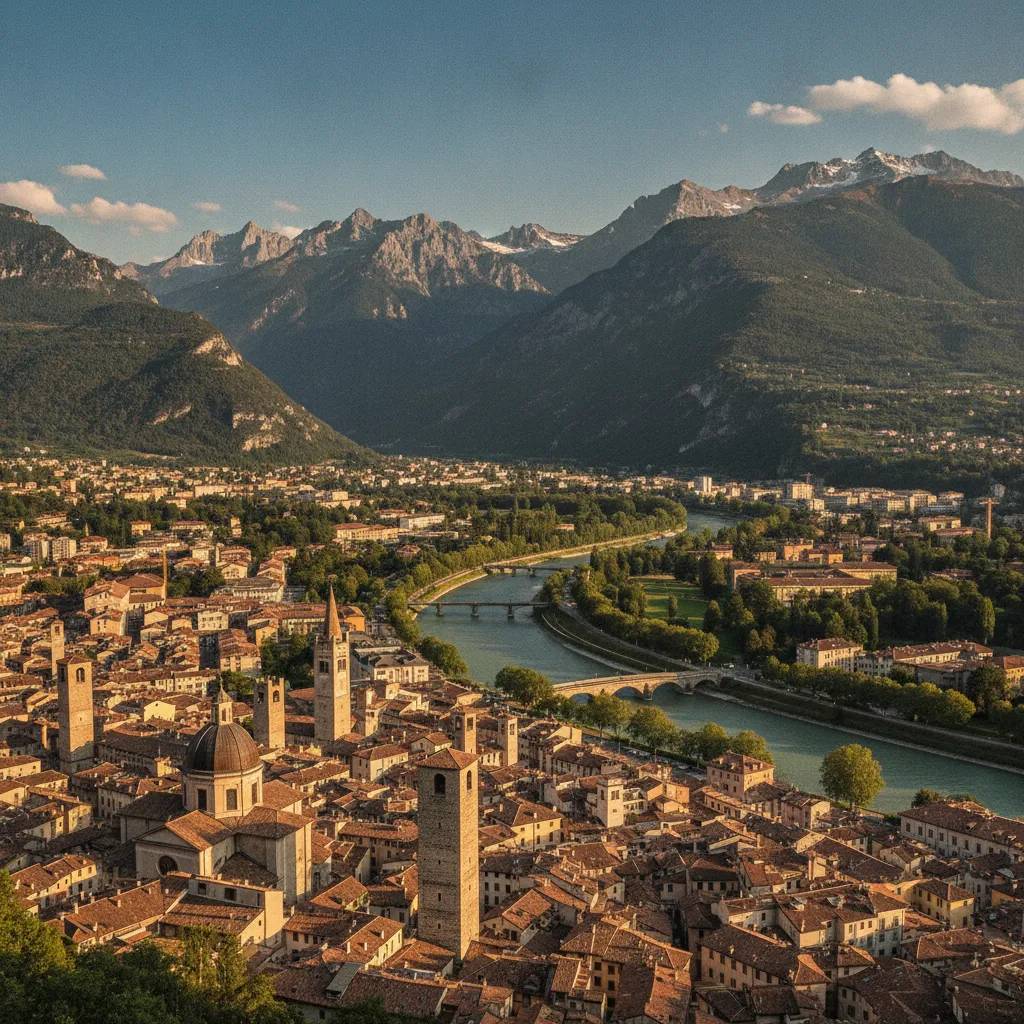
Living in Friuli means choosing one of the most fascinating and lesser-known regions in north-east Italy. Friuli-Venezia Giulia offers a balanced lifestyle between mountains, fertile plains, and the Adriatic coast, right on the border with Slovenia and Austria. With around 1.22 million inhabitants, the region is attracting a growing number of international residents drawn by its relaxed pace of life, rich cultural heritage, and still-affordable property market. This comprehensive guide gives you everything you need to make a successful move to Friuli.
Aller en Italie
Relocation experts · since 2020
4.9
How many steps separate you from Italy?
A tailored offer based on your needs — in 3 min, no commitment
Tell us about your project
Profile, area, buying or renting
We select your services
From 50+ services in English
Receive your quote
Clear, detailed, personalized
*Indicative and customizable quote, no contractual commitment.
Free · 3 min · in English · no commitment
Create my offerWhere to live in Friuli: a guide to the main cities
Friuli-Venezia Giulia has four main provinces, each with its own distinct character. Before settling down, it is essential to understand the differences between these areas so you can choose the base that best suits your lifestyle.
Trieste: the cosmopolitan capital
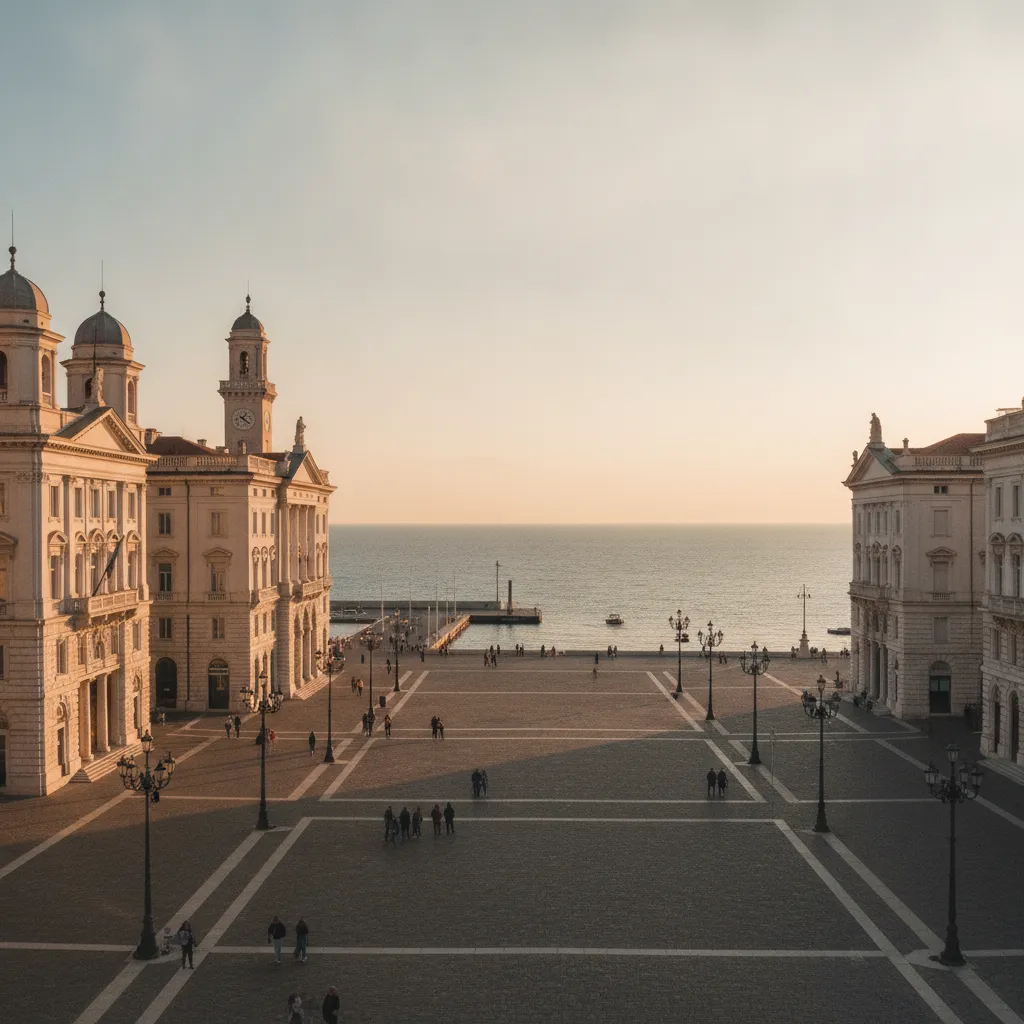
Living in Trieste means embracing an exceptional port city where Latin, Slavic, and Central European cultures converge. Once the jewel of the Austro-Hungarian Empire, Trieste retains a unique soul: its historic cafés such as the Caffè degli Specchi, its Piazza Unità d'Italia opening onto the sea, its sweeping waterfront promenade, and a multicultural identity that few Italian cities can match.
Trieste is the most expensive city in the region, with an average purchase price of around €2,294/m² (July 2025) and an average rent of €11.3/m² (up to €12.1/m² in the historic centre). It has a well-established expat community — the "Expats in Trieste" group, active since 2016, organises weekly events and is an excellent entry point for newcomers. The city is ideal for those seeking an international environment, a vibrant cultural scene, and an immediate connection to the sea.
Udine: the city for everyday living
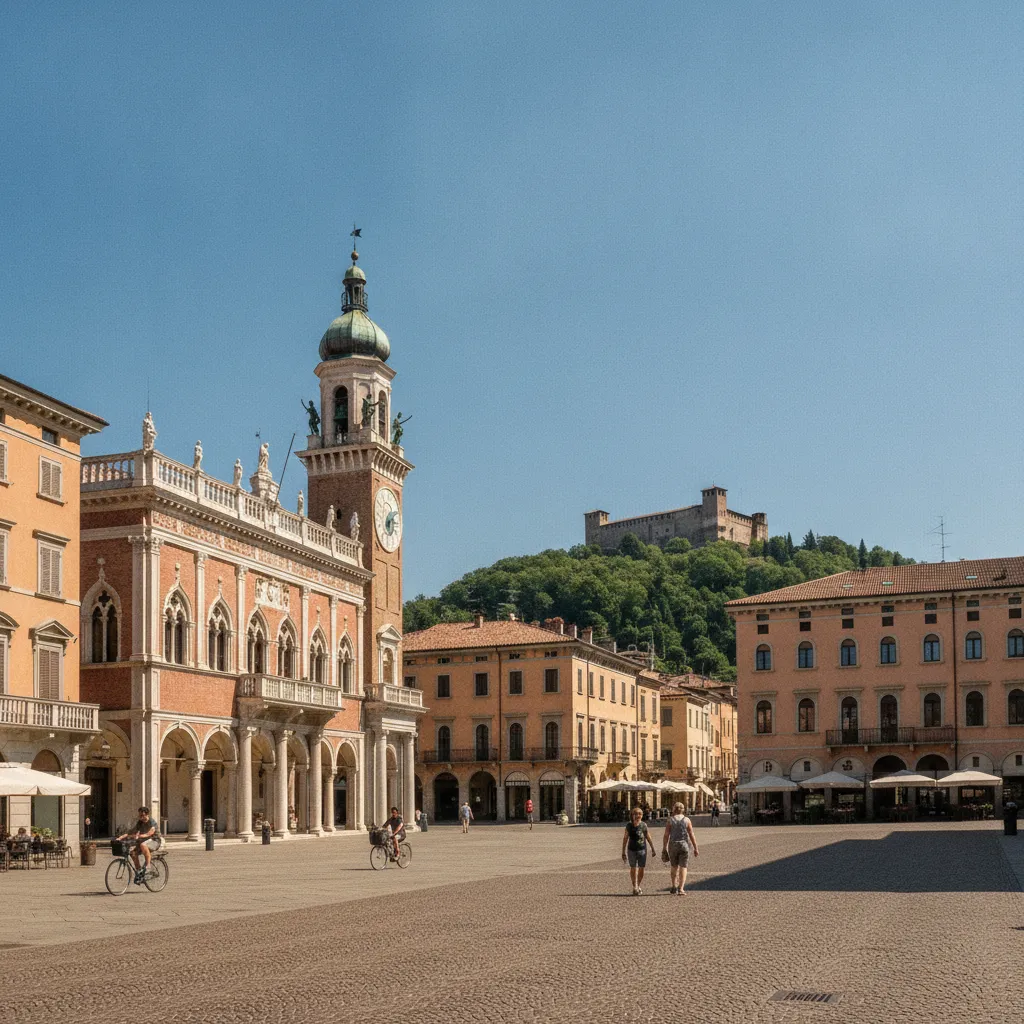
Udine is often described as the ideal base for year-round living. The historic capital of Friuli, it combines modern amenities, authentic neighbourhood life, easy access to the mountains (the Dolomites are just one hour away) and the coast (Lignano Sabbiadoro is 45 minutes away). Expats who live there consistently describe it as calm, safe, and well-organised, with a high safety rating and very low crime.
In Udine, rents for a one-bedroom apartment in the centre range from €455 to €780/month, and a three-bedroom apartment from €600 to €1,000/month. Some residents report finding three- to four-bedroom properties for under €90,000 to buy in the outer neighbourhoods. The international community is smaller than in Trieste — Facebook groups such as "Français à Udine" or "Français en Frioul-Vénétie Julienne" help people connect — but integration into local life tends to be more direct and often deeply rewarding. One important note: English is rarely spoken in Udine, making Italian almost essential.
Pordenone and Gorizia: the overlooked alternatives
Pordenone, in the west of the region, is a dynamic industrial city with a strong artisan tradition and a solid economic base. It mainly attracts those coming to work in the industrial sector or looking for a quiet base close to Venice (less than an hour by train). Gorizia, a border city with Slovenia — it is literally split in two with Nova Gorica — offers the unique experience of living in a European twin city, with some of the lowest property prices in the region.
Map of Friuli-Venezia Giulia: Trieste, Udine, Pordenone and Gorizia — the four provinces of the autonomous region, between the Alps, the plain, and the Adriatic coast.The coast and hinterland: Lignano, Grado, and the Friulian villages
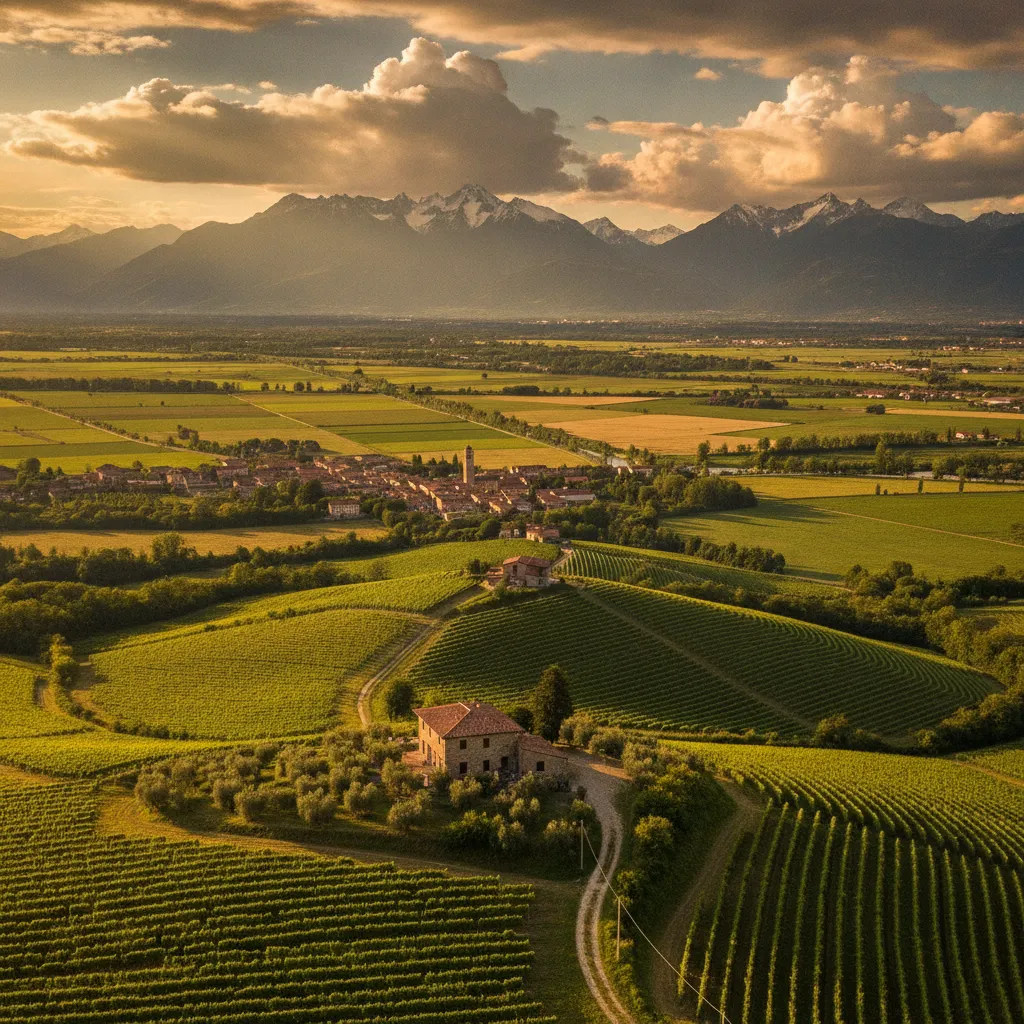
The Friulian Adriatic coast, with its seaside resorts of Lignano Sabbiadoro and Grado (nicknamed "the golden island"), is most popular for a holiday home or seasonal rental project. The Friulian hinterland, with medieval villages such as Cividale del Friuli (a UNESCO site) and Palmanova, offers total immersion in local culture at very affordable prices.
THEY TALK ABOUT US
Maisons & Jardins · Le Figaro · Challenges
« Founded on solid field experience and an in-depth knowledge of Italian procedures. »
Jessica Colpin, co-founder — Maisons & Jardins France, Jan.–Feb. 2026
Everyday life in Friuli
Climate: between the Adriatic and the Alps
The climate of Friuli-Venezia Giulia varies considerably depending on the area. On the coast, Trieste has a humid subtropical climate (Cfa): cool winters (around 6.5 °C in January) and warm summers (25 °C in July–August), with approximately 1,000 mm of annual rainfall. Trieste is also known for the Bora, a cold and powerful wind that sometimes gusts spectacularly down from the Slovenian karst. In Udine and across the plain, the climate is similarly humid subtropical, with frequent ventilation that limits temperature extremes. In the mountains, the climate becomes alpine, with snowy winters that are greatly appreciated by skiing enthusiasts.
Transport: an integrated regional network
The region has an impressive integrated mobility system. The glimble FVG platform (MaaS — Mobility as a Service) coordinates urban and inter-urban buses (TPL FVG), Trenitalia regional trains, the Opicina tram in Trieste, and bike-sharing services, all with unified ticketing. Integrated passes (annual, six-monthly, monthly, or 15-day) cover the main routes: Udine–Trieste, Udine–Pordenone, Udine–Grado, Gorizia–Monfalcone. Urban tickets are valid for 60 minutes with unlimited trips on the chosen network. For long-distance connections, Trieste and Udine are linked to Venice in 2 hours and to Ljubljana (Slovenia) in under 3 hours — a considerable advantage for those who travel frequently within Europe.
Healthcare and public services
Friuli-Venezia Giulia is part of the Servizio Sanitario Nazionale (SSN), Italy's public healthcare system. Residents registered at the anagrafe (local population register) are entitled to public health coverage. Udine is consistently praised for the quality of its healthcare services, which adds to its appeal for retirees and families. The region's main hospitals are the Azienda Sanitaria Universitaria Giuliano Isontina in Trieste and the Azienda Sanitaria Universitaria Friuli Centrale in Udine.
Schools and universities
The public school network covers the entire territory, with nursery, primary, and secondary schools in every major town. The region is home to two well-regarded universities: the University of Trieste and the University of Udine. The availability of genuinely international schools (with English or other foreign-language programmes) is more limited than in major metropolitan areas; families will generally integrate into the local Italian school system, which tends to help children adapt quickly.
Proximity to Slovenia and Austria
This is one of the great advantages of living in Friuli: the region sits at the crossroads of three cultures and three Schengen countries. Ljubljana is 2.5 hours by road from Trieste; Vienna is reachable in around 4 hours. This strategic position is particularly valued by digital nomads, cross-border workers, and those with professional interests in Central Europe. In some border areas, multilingualism (Italian, Slovenian, Friulian) is part of everyday life and enriches the cultural experience.
Aller en Italie
French expatriation expert · since 2020
4.9
71 verified reviews
1,500+ expats supported
50+ services with French-speaking professionals
20 regions covered
Local consultants on the ground in Italy
Free appointment · 15 min · in French · no commitment
Book an appointmentCost of living in Friuli in 2026
Here is a summary table of estimated monthly expenses for 2026, depending on your situation and the city you choose:
| Expense category | Trieste (estimate) | Udine (estimate) |
|---|---|---|
| Rent (1-bedroom, city centre) | €700–950/month | €455–780/month |
| Rent (3-bedroom, city centre) | €1,000–1,400/month | €600–1,000/month |
| Utilities (standard apartment) | ~€200/month | ~€200/month |
| Groceries (1 person) | €300–400/month | €280–380/month |
| Transport (monthly pass) | €35–50/month | €30–45/month |
| Restaurant (average meal) | €12–18/meal | €10–16/meal |
| Estimated total (1 person, including rent) | €1,600–2,100/month | €1,200–1,700/month |
| Estimated total (family of 4, including rent) | €3,500–4,500/month | €2,800–3,800/month |
The cost of living in Friuli-Venezia Giulia is estimated at around €1,566/month for a single person, approximately 1.05 times the Italian national average. In 2025, the region was ranked 2nd most affected by inflation, with an annual increase of 1.9% and an additional cost of around €450 per household over the year. Despite this, Friuli remains far more affordable than Lombardy, Liguria, or Trentino-Alto Adige, and the quality of life on offer more than justifies the investment.
For more on the tax aspects of relocating, the France–Italy tax treaty is a key document to understand before transferring your tax residency.
Moving to Friuli: residency and administrative steps
For an EU citizen, settling in Friuli is administratively straightforward. Here are the essential steps:
- Obtain your codice fiscale: essential for all administrative processes in Italy (banking, housing, healthcare). It can be obtained from an Italian consulate or directly at the local Agenzia delle Entrate.
- Register at the anagrafe: for stays of more than 3 months, registration with your municipality's population register (comune) is compulsory. You will need to prove employment, sufficient financial means, or student status, and have health insurance coverage.
- Open a bank account: made straightforward once you have your registered residency and codice fiscale.
- Establish your tax residency: if you spend more than 183 days per year in Italy and your main centre of life is there, you become an Italian tax resident. The France–Italy tax treaty of 1989 provides tie-breaker rules in cases of dual residency.
For a detailed guide to these steps, see our article on residency in Italy. Our team can also support you throughout the entire process via our relocation assistance services.
In my experience working with clients relocating to Friuli, the most common mistake is underestimating the tax residency question. A family I assisted in moving to Udine had kept their official address in France while living in Italy for 8 months — an ambiguous situation that could have led to double taxation. Clarifying your status early on, with the help of a Franco-Italian tax adviser, will save you a great deal of trouble.
Buying property in Friuli: an accessible and promising market
If you are considering purchasing property in the region, Friuli offers genuine opportunities at still-reasonable prices. With a regional average of around €1,950/m², the market is well below that of Lombardy or Veneto. The region has options ranging from urban apartments in Trieste or Udine to village houses in the Friulian hinterland or coastal properties.
For a full breakdown of prices by area, recommended neighbourhoods, and the buying process, see our dedicated guide: buying a house in Friuli. If you are also interested in the neighbouring region, our article on buying in Veneto provides a useful comparison.
Worth noting: if you plan to convert your future property into a guesthouse or B&B to generate additional income, the region is particularly well-positioned thanks to its tourist appeal. See our guide on opening a B&B in Italy to understand the process.
Exploring neighbouring regions
Friuli shares similarities with several bordering regions. If you are still weighing up your options, our guides on living in Veneto and living in Trentino-Alto Adige will help you refine your choice. For those who love mountains and nature, living in the Aosta Valley is another option worth considering.
Discover our personalised relocation support →
Frequently asked questions — Living in Friuli
What is the cost of living in Friuli for a single person in 2026?
The cost of living in Friuli-Venezia Giulia is estimated at around €1,200–1,900/month for a single person, depending on the city and lifestyle. In Trieste, you should budget closer to €1,600–2,100/month including rent, while in Udine the budget can come down to €1,200–1,700/month. For context, the regional average is approximately 1.05 times the Italian national average. The 2025 inflation added around €415–464 per household depending on the city.
Is it better to live in Trieste or Udine?
The choice depends on your profile. Trieste suits people who prefer an international, cosmopolitan, and maritime city, with a well-organised expat community (the "Expats in Trieste" group has been active since 2016) and a rich cultural life. Udine is better suited to those looking for a quiet, safe, family-friendly city with a slightly lower cost of living and deeper integration into Italian everyday life. Both cities offer an excellent quality of life, but Trieste is significantly more expensive for housing (€2,294/m² to buy vs approximately €1,400–1,800/m² in Udine).
How can an EU citizen obtain residency in Friuli?
As an EU citizen, you can settle freely in Friuli. For a stay of more than 3 months, you must register at the anagrafe (population register) of your municipality. You will need to demonstrate either employment in Italy, sufficient financial resources and health insurance coverage, or student status. The process involves submitting a complete application (identity document, codice fiscale, proof of accommodation), after which the local authorities (vigili) may carry out a check visit before confirming your registration.
Is Friuli a good destination for retirees?
Yes, Friuli is very popular among European retirees, particularly for its relaxed pace of life, quality healthcare services, rich cultural heritage, and still-affordable property prices. Udine is especially sought after for its high safety levels, good amenities, and proximity to nature. Retirees may also benefit from favourable tax regimes in Italy, such as the flat tax for retirees available in certain municipalities. It is advisable to consult a tax specialist to optimise your situation with regard to the applicable tax treaty.
What is the property market like in Friuli for foreign buyers?
The property market in Friuli-Venezia Giulia is accessible and still reasonably priced: the regional average is around €1,950/m², well below neighbouring regions such as Lombardy. In Trieste, the average price is approximately €2,294/m² (July 2025). EU citizens can purchase property freely without restriction. The market is not saturated with foreign buyers, which leaves good room for negotiation. Quality properties can be found at very reasonable prices, particularly in the villages of the Friulian hinterland.
Is Friuli well connected to the rest of Europe?
Yes, Friuli-Venezia Giulia benefits from a strategic position at the crossroads of Italy, Slovenia, and Austria. Trieste is linked to Venice in around 2 hours by train, and to Ljubljana in under 3 hours. Ronchi dei Legionari International Airport (Trieste-Udine) offers flights to several European cities. An integrated regional public transport network (glimble FVG) coordinates trains, buses, and bike-sharing with unified monthly passes. For travel by car, the A4 motorway connects Trieste quickly to Venice and Milan.
Do you need to speak Italian to live in Friuli?
Italian is almost essential for living comfortably in Friuli, especially in Udine where English is rarely spoken and the expat community is very small. In Trieste, the international community is more established and English is more widely used, particularly in academic and tourist circles. In any case, learning Italian will significantly improve your integration and quality of life. Friulian (a distinct regional language) is also spoken in certain areas, but standard Italian will be more than sufficient for all your administrative processes and daily life.