Living in Lazio: Between the Sea, Countryside, and Eternal History
Living in Lazio offers a unique blend of historical richness, quality of life, and diverse landscapes stretching from the coast to the countryside — ideal for expats.


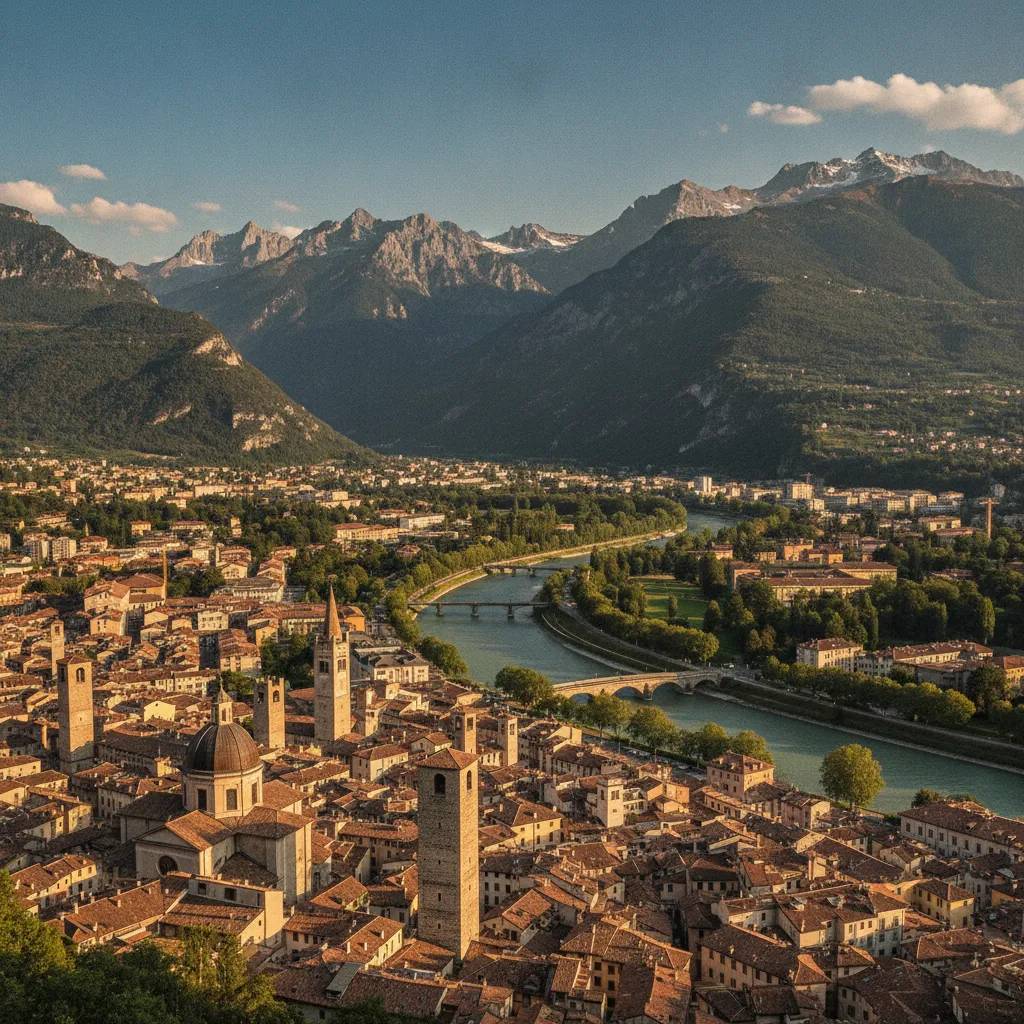
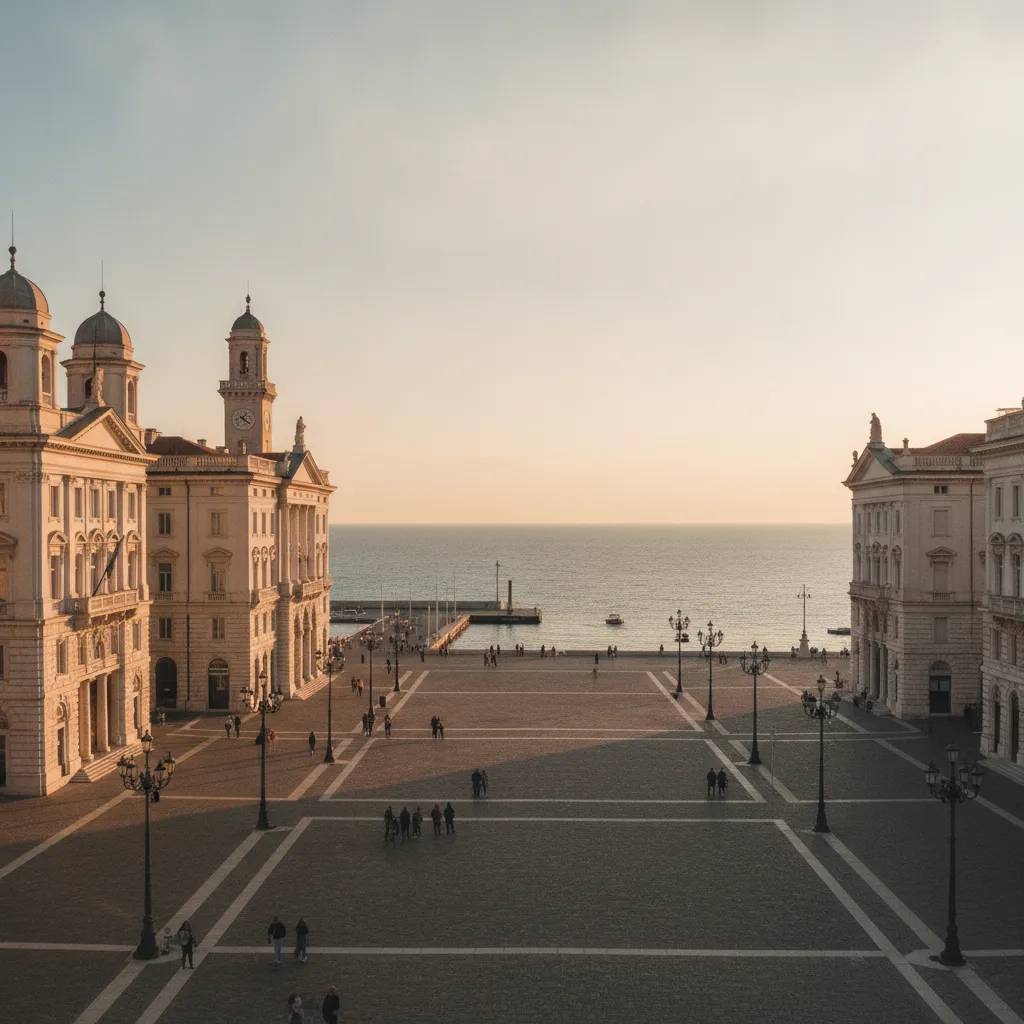
Living in Lazio means settling in a region where millennia of history, a relaxed pace of life, and strikingly varied landscapes all come together. From ancient Rome to the rolling green hills of Tuscia, from the beaches of Gaeta and Sperlonga to the hilltop medieval villages of the Viterbo area, Lazio offers a unique balance between urban energy and rural tranquillity.
Every corner of Lazio breathes culture and beauty: the ruins of Imperial Rome, Renaissance palaces, the volcanic lakes of Bracciano and Bolsena, and a local cuisine that is simple yet deeply satisfying — think Sabina olive oil, fresh pasta, and wines from the Roman hills.
Beyond its remarkable heritage, Lazio stands out for its quality of life. The region benefits from a temperate climate, a well-connected transport network, and strategic proximity to Rome, the political, cultural, and business heart of Italy. It is an ideal destination for those who want to combine professional opportunities with an inspiring living environment.
In this guide, we explore why a growing number of international residents are choosing to move to Lazio, which areas are most appealing to settle in, how to find housing, work, and plan your budget. We also cover the key administrative steps and the quality of public services that make Lazio a modern, welcoming, and authentically Italian region.
Aller en Italie
Relocation experts · since 2020
4.9
How many steps separate you from Italy?
A tailored offer based on your needs — in 3 min, no commitment
Tell us about your project
Profile, area, buying or renting
We select your services
From 50+ services in English
Receive your quote
Clear, detailed, personalized
*Indicative and customizable quote, no contractual commitment.
Free · 3 min · in English · no commitment
Create my offerWhy choose to live in Lazio?

Choosing to live in Lazio means embracing a region that is historic, vibrant, and authentically Italian. Located at the heart of the Italian peninsula, it offers a rare balance between an extraordinary cultural heritage, diverse natural landscapes, and a high quality of life. From the green hills of Tuscia to the sun-drenched shores of the Tyrrhenian Sea, from the hilltop villages of the Viterbo area to the eternal treasures of Rome, every corner of Lazio tells a story and reveals a timeless charm.
A region rich in culture and full of life, Lazio attracts both history and food lovers and expatriates seeking a quieter, more human-scale lifestyle. With Rome as its regional capital — the true political, economic, and cultural heart of Italy — the region blends professional opportunities, urban dynamism, and Mediterranean ease.
Its diversified economy spans key sectors including tourism, culture, craftsmanship, agriculture, as well as services and innovative technologies driven by the Roman metropolis. Yet living in Lazio is about more than access to a thriving economy: it is above all about adopting a way of life rooted in conviviality, scenic beauty, and a deep sense of heritage.
Between sea, lakes, and hills, Lazio embodies the very essence of the Italian art of living well, where modernity and tradition meet harmoniously to create a living environment that is both inspiring and deeply peaceful.
THEY TALK ABOUT US
Maisons & Jardins · Le Figaro · Challenges
« Founded on solid field experience and an in-depth knowledge of Italian procedures. »
Jessica Colpin, co-founder — Maisons & Jardins France, Jan.–Feb. 2026
Where to settle in Lazio?
Moving to Lazio means choosing between city living, rural charm, and a Mediterranean atmosphere. The region offers a wide variety of settings, from the rolling hills of the north to the beaches of the Tyrrhenian coast, and the small hilltop villages that seem frozen in time.
Rome, the regional and national capital, remains the economic and cultural heart of Lazio. Cosmopolitan and lively, the city draws expatriates looking for professional opportunities, historical richness, and a dynamic social life. Residential neighbourhoods such as Monteverde, Prati, and EUR offer a quieter pace while remaining close to the city centre.
Further north, Viterbo and its surrounding countryside appeal to those who prefer a more peaceful environment, set in the heart of Tuscia. Its medieval villages, natural thermal spas, and proximity to lakes Bolsena and Vico make it a sought-after spot for a quiet life, just one hour from Rome.
Along the coast, Latina and Gaeta offer a lifestyle oriented towards the sea, with accessible beaches, lively harbours, and a mild climate year-round. These areas are particularly popular with families and retirees looking for a balance between modern comforts and a natural setting.
Finally, for those who want to enjoy the beauty of the countryside while staying connected, smaller towns in southern Lazio — such as Frosinone, Anagni, and Alatri — represent an excellent compromise between authenticity, tranquillity, and an affordable cost of living.
Aller en Italie
French expatriation expert · since 2020
4.9
71 verified reviews
1,500+ expats supported
50+ services with French-speaking professionals
20 regions covered
Local consultants on the ground in Italy
Free appointment · 15 min · in French · no commitment
Book an appointmentEssential steps for moving to Lazio

Settling in Lazio requires careful preparation to avoid administrative delays and ensure a smooth relocation. As soon as your plans take shape, the first step is to apply for your codice fiscale, the Italian tax identification number. This personal number is essential for all official procedures: signing a lease, setting up utility contracts, purchasing property, or accepting a job offer. You can obtain it free of charge from the Agenzia delle Entrate in Lazio, or from the Italian consulate in your home country before you leave.
Once you have settled permanently, you will need to register your residency at the town hall (comune) of your new municipality. This official registration confirms your presence in Italy and gives you access to a wide range of services, including public healthcare, local taxation, vehicle registration, and school enrolment for children.
Administrative procedures can vary from one municipality to another. Rome, for example, offers well-digitalised administrative services, while smaller towns such as Viterbo, Gaeta, and Alatri may involve longer processing times and more traditional procedures. It is therefore advisable to contact the local town hall directly before starting the formalities.
You should also remember to open an Italian bank account, register with the local waste collection service, and check the ZTL zones (limited traffic areas) if you live in a historic centre, particularly in Rome or Viterbo.
Finally, if you are not yet confident in Italian or simply want to make your move easier, working with a specialist expatriation support team in Italy can save you considerable time and stress. This personalised assistance will help you settle into Lazio with peace of mind, so you can fully enjoy your new life between history, sea, and the Italian dolce vita.
Renting an apartment in Lazio
Finding accommodation in Lazio depends greatly on your lifestyle and chosen location. The region offers a wide range of options, from urban apartments in Rome to peaceful countryside homes in the northern hills or seaside residences along the coast.
In the capital, the property market is active throughout the year. Rents vary considerably by neighbourhood: the historic centre and areas near the Vatican or Trastevere are among the most expensive, while residential districts such as Monteverde, Appio Latino, and San Paolo offer good alternatives at more reasonable prices. Outside Rome, cities like Viterbo, Latina, and Frosinone provide a quieter setting with noticeably lower rents.
Along the coast — particularly around Gaeta, Sperlonga, and Anzio — demand remains strong during the summer season, with many properties listed as short-term or holiday lets, which can make finding a long-term lease more challenging. However, these areas become more accessible out of season, and it is sometimes possible to negotiate annual contracts on favourable terms.
Rental contracts in Italy typically follow the "4+4" model (four-year terms, renewable), with six months' notice required. Transitional leases (from 1 to 18 months) are better suited to temporary stays or expatriates still settling in. At the time of signing, expect to pay a security deposit equivalent to two or three months' rent and agency fees of roughly one month's rent.
Lazio thus offers a unique combination: the economic vitality of Rome, the serenity of smaller cities, and the beauty of the coastline. Renting a home in this region allows you to enjoy a well-balanced lifestyle where dynamism, culture, and nature all coexist.
Buying a house in Lazio
Buying a house in Lazio means investing in a region where history, culture, and a relaxed way of life come together, just a short distance from Italy's capital. The region offers an impressive variety of properties, from elegant apartments close to Rome to countryside homes nestled among vineyards and hills, right through to villas with views over the Tyrrhenian Sea.
While Rome remains the most dynamic market — with often high prices in the historic centre — many alternatives appeal to international buyers. The Castelli Romani area, around Frascati, Marino, and Grottaferrata, offers a lush green setting, an excellent quality of life, and properties starting from around €2,000/m², well below the capital's prices.
For those looking to buy a home in Lazio without straying far from the sea, coastal towns such as Anzio, Santa Marinella, and Sperlonga combine seaside charm, historical heritage, and attractive seasonal rental potential. Further north, towns like Viterbo and Tarquinia draw buyers with their authenticity and competitive prices, often ranging between €1,200 and €2,500/m², depending on the property's condition and location.
Nature lovers and those seeking tranquillity will also find excellent opportunities in the province of Frosinone, where properties in need of renovation remain affordable, sometimes from as little as €1,000/m². These rural areas, well connected yet still unspoilt by mass tourism, offer real potential for those looking to put down long-term roots in Italy.
Before buying a house in Lazio, it is essential to verify the property's cadastral and planning compliance. Many older properties have undergone undeclared modifications, so working with a lawyer specialising in Italian real estate law is strongly recommended.
Working in Lazio

Working in Lazio means benefiting from a dynamic economic environment driven by both Rome, Italy's political and financial capital, and a dense network of regional businesses active across many sectors. The region combines diverse professional opportunities with a well-rounded quality of life, set between sea, countryside, and historical heritage.
Lazio stands out for its diversified economy. Rome is home to the headquarters of major companies, international institutions, and public bodies, making it a key hub for services, communications, finance, and business tourism. The tourism sector remains one of the largest employers, particularly in hospitality, restaurants, cultural heritage, and events.
Other provinces, such as Viterbo, Frosinone, and Latina, are also experiencing notable growth, particularly in agri-food processing, logistics, renewable energy, and local craftsmanship. The port of Civitavecchia plays a vital role in trade and maritime tourism, generating both direct and indirect jobs in transport and distribution.
In terms of salaries, earnings in Lazio are broadly in line with the national average, with a slight advantage in Rome, where skilled positions tend to be better paid. The average net salary ranges between €1,500 and €1,800 per month, while experienced professionals — engineers, managers, architects, sales directors, and IT specialists — can earn €2,500 to €3,000 net depending on the sector.
To find a job in Lazio, platforms such as Indeed Italia, Subito Lavoro, and Jooble are good starting points. It is also advisable to keep your LinkedIn profile up to date in Italian and to connect with expat networks to build useful local contacts.
A good command of Italian remains a significant advantage, though bilingual profiles are in high demand in sectors such as tourism, international trade, and expat services, where the foreign-speaking clientele is steadily growing.
Cost of living in Lazio
The cost of living in Lazio depends primarily on where you choose to settle, with Rome naturally representing the most expensive part of the region. Overall, Lazio offers a good balance between professional opportunities, modern services, and Italian quality of life, though budgets will need to be higher than the national average in the capital.
In Rome, a single person typically spends around €1,800 to €2,200 per month including rent. A one-bedroom apartment ranges from €1,100 to €1,400 in the historic centre, and around €800 to €1,000 in residential areas such as Monteverde, San Giovanni, or Prati.
By contrast, in mid-sized cities like Viterbo, Frosinone, or Latina, the cost of living is considerably more affordable: a similar apartment rents for between €550 and €750, and the overall monthly budget for a single person or couple often stays well below €1,400 per month.
Food shopping, true to Italian tradition, combines quality and affordability: local products — Sabina olive oil, Castelli Romani wines, cheeses from the hills of northern Lazio — are both delicious and reasonably priced at local markets. Public transport is well developed around Rome, with monthly passes costing around €50 to €60, though in rural areas a car is often essential for daily travel.
Leisure options are plentiful: museums, festivals, coastal beaches, hiking in the Tolfa hills, and day trips to Tivoli or Sperlonga. Despite the tourist appeal of certain areas, prices remain reasonable compared to other major European capitals, and it is entirely possible to live comfortably in Lazio while enjoying an exceptional historical, cultural, and natural setting.
Healthcare and public services in Lazio
Lazio has a solid and well-organised healthcare system, supported by numerous leading hospitals — particularly in Rome, the regional capital and home to several of Italy's most respected medical institutions. For several years, the region has been investing in infrastructure modernisation, medical research, and preventive care, while ensuring broad and equitable access to healthcare for both residents and expatriates.
In Rome, you will find some of the country's most reputable medical facilities:
-
Ospedale Policlinico Umberto I, affiliated with La Sapienza University, is one of the largest university hospitals in Europe, recognised for its research departments in cardiology, neurology, oncology, and advanced surgery.
-
Policlinico Gemelli, a leading private hospital, is renowned for the quality of its care and its state-of-the-art technology.
-
Ospedale San Camillo-Forlanini plays a key role in emergency medicine and specialist care.
Outside the capital, Lazio has a network of well-distributed hospital facilities, including hospitals in Viterbo, Frosinone, and Latina, providing quality care across rural and coastal areas. Several facilities collaborate with the universities of Rome and Viterbo, supporting ongoing medical staff training and the development of regional research.
In terms of public services, the region also stands out for the quality of its transport and infrastructure. The rail network efficiently connects Rome to the rest of Italy's major cities, while motorways and the international airport of Rome Fiumicino — one of the most modern in Europe — facilitate travel at both national and international level.
Thanks to this combination of medical excellence, accessibility, and innovation, Lazio guarantees a high level of well-being and health security, making it an ideal region to live in comfortably — whether with a family, as a working professional, or in retirement.
The international community in Lazio

In 2025, Lazio is attracting a growing number of international residents, drawn by the region's historical richness, the vitality of Rome, and the relaxed atmosphere of nearby provinces such as Viterbo, Latina, and Frosinone. According to data from Tuttitalia, the permanent foreign community in Lazio numbers several thousand residents, spread between the capital and medium-sized towns where quality of life remains high while offering greater peace and quiet.
In Rome, the expat community is particularly active. The city is home to several international and bilingual schools, cultural associations, and professional networks that facilitate connections between expatriates and Italians. Profiles vary widely: diplomats, entrepreneurs, freelancers, families, and retirees who have chosen to settle in the region for its exceptional living environment.
Outside the capital, Lazio's provinces attract those in search of authenticity and calm. Viterbo, with its medieval centre and natural thermal baths, is drawing an increasing number of foreign residents. Latina, close to the Tyrrhenian Sea and the Circeo National Park, appeals for its nature and climate. Rieti and its hilltop villages offer a peaceful rural atmosphere, ideal for retirement projects or remote working.
Settling in Lazio means choosing a region where history and modernity coexist harmoniously, and where economic opportunities blend with a Mediterranean quality of life. With a well-established expat community, solid support structures, and a balanced living environment, Lazio stands out as one of the most attractive regions in central Italy for those looking to live, invest, or simply thrive in their daily lives.
FAQs
1- Do I need to speak Italian to live in Lazio?
Speaking Italian makes daily life in Lazio significantly easier, especially for administrative procedures, healthcare, and interactions with local residents. In Rome, where many expatriates and international institutions are based, it is often possible to get by in English — particularly in professional, academic, and tourist environments. That said, learning Italian remains essential for truly integrating, understanding the local culture, and making the most of everyday life in Italy.
2- What is the cost of living in Lazio?
The cost of living in Lazio varies considerably between the capital and the provinces. In Rome, rents are among the highest in Italy: expect to pay between €1,000 and €1,400 for a one-bedroom apartment in the city centre, and €700 to €900 in outlying areas. In mid-sized cities such as Viterbo, Latina, or Rieti, the cost of living is much more affordable — often below €1,200 per month for a single person, all-inclusive. Overall, the region offers a solid balance between economic dynamism, modern infrastructure, and Mediterranean quality of life.
3- How do I find accommodation in Lazio?
The Lazio property market is large and varied. In Rome, demand is high — especially in central and historic neighbourhoods such as Trastevere, Prati, and Monti — which leads to elevated rents and fast-moving listings. In quieter areas like Viterbo or Frosinone, spacious properties at reasonable prices are more readily available. For long-term rentals, the most reliable portals are Immobiliare.it, Casa.it, and Idealista.it. As elsewhere in Italy, "4+4" leases are the standard, with six months' notice required. To avoid misunderstandings, it is advisable to have the contract reviewed by a qualified professional or a lawyer familiar with Italian tenancy law.
4- What are the advantages of Lazio for expatriates?
Living in Lazio means enjoying both the energy of a major European capital and the charm of its lush provinces. The region offers a mild climate, an exceptional historical heritage, and an ideal geographical position for travelling throughout Italy. Expatriates appreciate the diversity of lifestyles on offer: the buzz of city life in Rome, rural tranquillity in Viterbo, or seaside living in Latina. The quality of public services, the presence of international schools, and the warm welcome of the local population make it a top destination for those looking to settle, work remotely, invest, or enjoy their retirement.