Living in Le Marche: Peace, Nature and Authenticity
Le Marche, one of Italy's most authentic regions, combines tranquillity, natural beauty, a reasonable cost of living and quality services for a truly peaceful lifestyle.


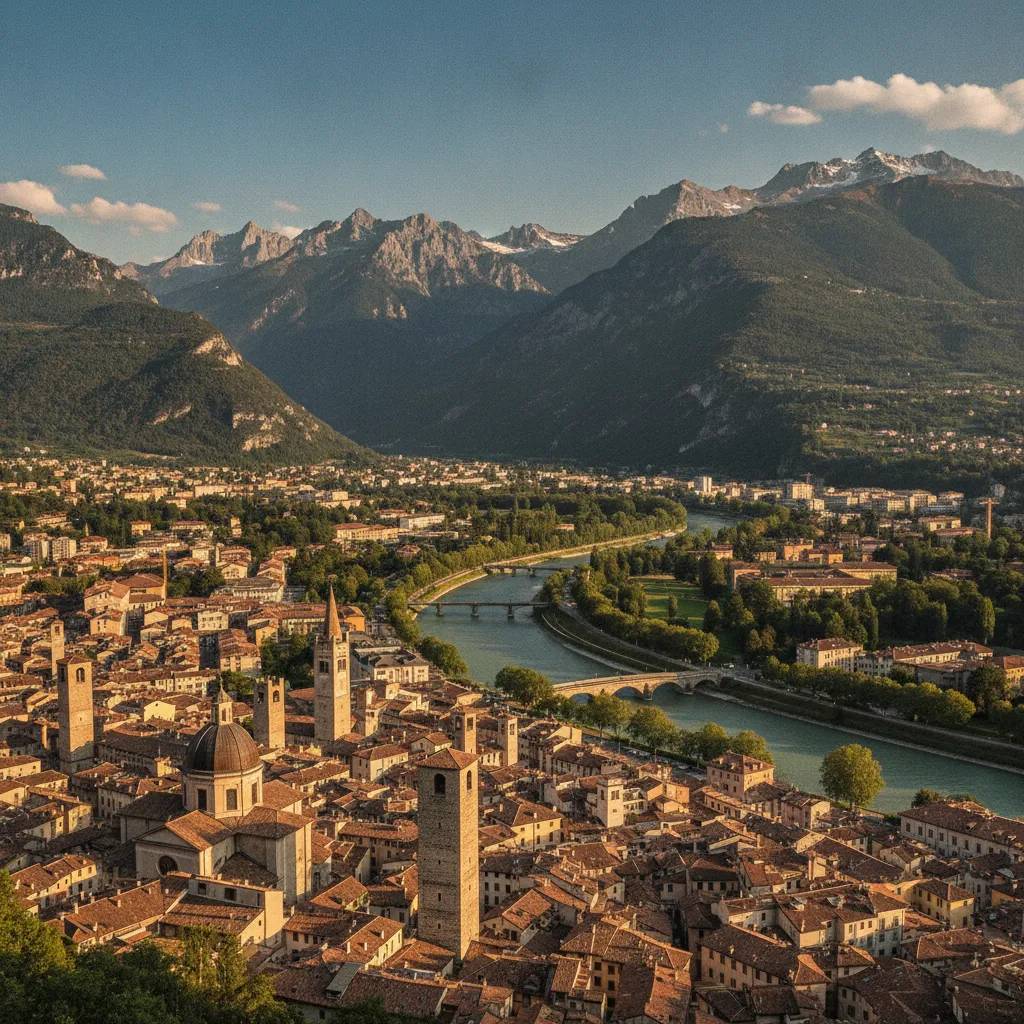
Living in Le Marche means choosing a region that is authentic, harmonious, and largely unspoilt. Nestled between rolling green hills, hilltop medieval villages, the Adriatic Sea, and the Apennine mountains, this central Italian region offers a peaceful lifestyle — close to nature and deeply rooted in local traditions.
Le Marche stands out for its reasonable cost of living, slower pace of life, high-quality local produce, and strong sense of community. The region strikes an appealing balance between quality of life, safety, cultural heritage, and varied landscapes — all without the bustle of major cities.
In this guide, we explore why so many people are choosing to settle in Le Marche, which areas are worth considering, how to rent or buy a home, find work, and plan your budget. We also cover the key administrative steps and the quality of services — healthcare, transport, education — that make Le Marche a welcoming and reliable region in which to build a new life.
Aller en Italie
Relocation experts · since 2020
4.9
How many steps separate you from Italy?
A tailored offer based on your needs — in 3 min, no commitment
Tell us about your project
Profile, area, buying or renting
We select your services
From 50+ services in English
Receive your quote
Clear, detailed, personalized
*Indicative and customizable quote, no contractual commitment.
Free · 3 min · in English · no commitment
Create my offerWhy choose to live in Le Marche?

Living in Le Marche means embracing a slower, more relaxed pace, with a high quality of life and access to all essential services. Located in the heart of Italy, between the Adriatic Sea and the Apennine mountains, Le Marche offers a compelling balance between nature, cultural heritage, and comfortable everyday living. Cities such as Ancona, Pesaro, Urbino, Fermo, and Ascoli Piceno provide a well-organised, lively environment that still feels human in scale.
The local economy is built on a solid network of small and medium-sized enterprises, quality craftsmanship, and specialised industries — furniture, footwear, precision engineering, food production, and tourism. This creates opportunities for those looking to start a business, work remotely, or find employment in stable, tangible sectors, all within a calmer and more accessible environment than Italy's major cities.
But living in Le Marche goes beyond work. It means enjoying a region that is varied and harmonious: family-friendly beaches, agricultural hills, nature parks, medieval villages, UNESCO-listed sites such as Urbino, cultural festivals, and a well-regarded local food scene. The region's central location, well connected by road and rail, makes it easy to travel across Italy.
For those considering a move abroad, Le Marche represents a well-rounded choice: a welcoming territory, living costs that are often lower than in northern Italy, reliable public services, and a lifestyle that keeps you close to nature — ideal for building a lasting life project.
THEY TALK ABOUT US
Maisons & Jardins · Le Figaro · Challenges
« Founded on solid field experience and an in-depth knowledge of Italian procedures. »
Jessica Colpin, co-founder — Maisons & Jardins France, Jan.–Feb. 2026
Where to settle in Le Marche?
Choosing where to live in Le Marche depends largely on your lifestyle and priorities. If you prefer an urban setting with a wide range of services, Ancona, the regional capital, is a strong base — with its port, airport, and good rail connections.
For a quieter life without sacrificing connectivity, cities such as Pesaro, Fano, Jesi, and Macerata offer an excellent balance of employment opportunities, quality of life, and affordable property. They feature lively historic centres, efficient public services, and easy access to major infrastructure.
Nature lovers and those drawn to rolling countryside will appreciate the inland areas, particularly around Urbino, Camerino, and San Severino Marche: authentic villages, a calmer pace, and generally more affordable prices — while still within reasonable distance of the coast.
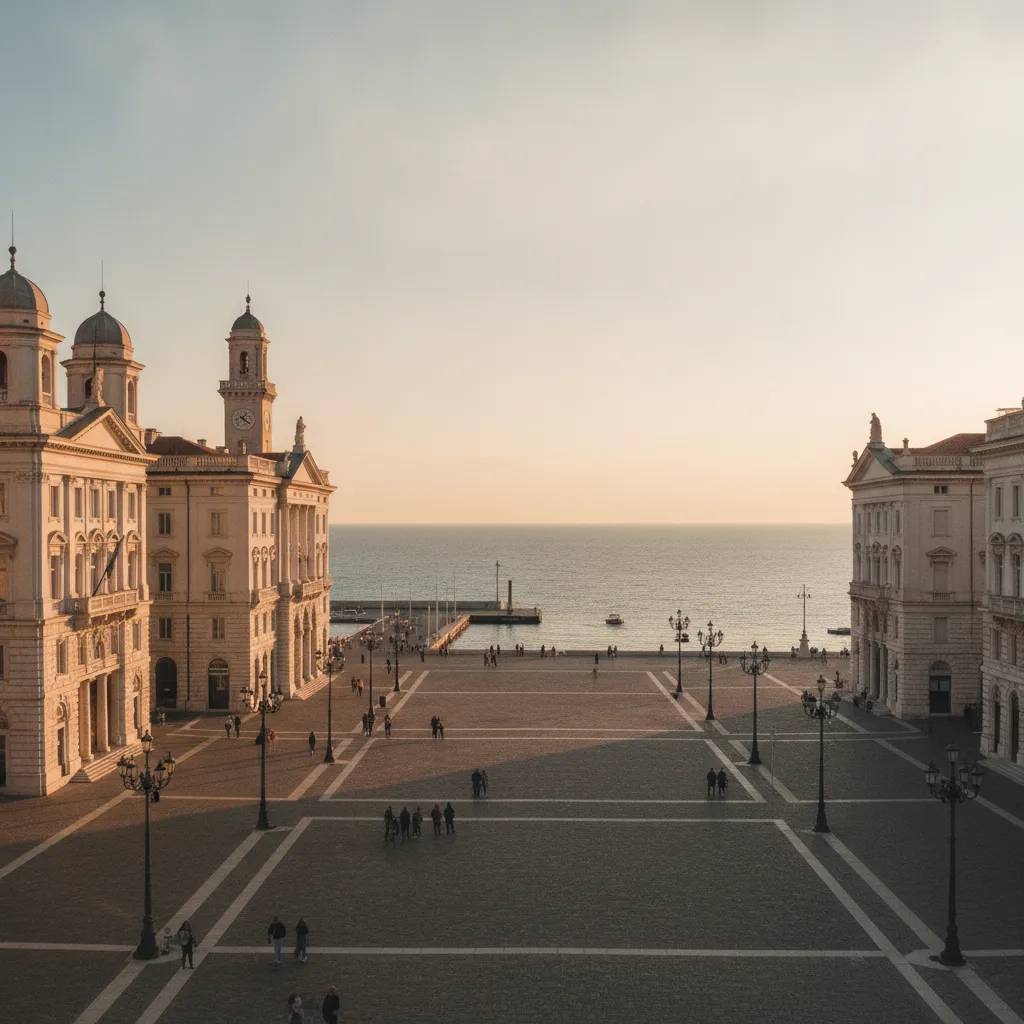
Finally, the Adriatic coastline, stretching from Senigallia to Civitanova Marche, appeals to those seeking a coastal lifestyle, with a pleasant climate and plenty of activities, while keeping the cost of living relatively moderate compared to other Italian regions.
Aller en Italie
French expatriation expert · since 2020
4.9
71 verified reviews
1,500+ expats supported
50+ services with French-speaking professionals
20 regions covered
Local consultants on the ground in Italy
Free appointment · 15 min · in French · no commitment
Book an appointmentEssential administrative steps for living in Le Marche

Before settling in Le Marche, it is essential to prepare your move by following the required Italian administrative procedures. The first step is to obtain your Italian tax code (codice fiscale), which is required for almost every procedure: renting a home, signing an employment contract, opening a bank account, or buying property. You can apply for it free of charge at the Agenzia delle Entrate in Italy, or at your Italian consulate in your home country.
Once you are settled on a long-term basis, you will need to register your residence (residenza) with the local town hall (comune). This registration gives you access to a range of rights and services: the public health system, local taxation, vehicle registration, and more. If you are working or residing in Italy for more than three months, this step is compulsory.
It is also advisable to open an Italian bank account and to familiarise yourself with local municipal services: waste collection, parking, public transport, and any specific local procedures.
Finally, as some administrative steps can be complex and conducted entirely in Italian, it may be worth working with a bilingual team specialising in expatriate support, able to check, translate, and manage your documents. This will give you greater clarity and make your move to Le Marche smoother and more secure.
Renting a home in Le Marche
Renting a home in Le Marche offers a wide range of options to suit different lifestyles. The region stands out for its strong balance between quality of life, safety, and property costs that are generally more affordable than in Italy's major cities.
Coastal towns such as Pesaro, Fano, Senigallia, and Civitanova Marche attract those who favour the sea and easy access to services, with moderate rents for well-located apartments. Inland, towns such as Macerata, Jesi, and Fabriano offer even more affordable prices in a quieter setting, often popular with families or remote workers.
Before signing a lease, it is useful to know that rental conditions in Italy are fairly standardised. The most common contract type is the "4+4": an initial four-year term, automatically renewable for a further four years unless terminated. Tenants can leave the property by giving six months' notice. For shorter stays, the contratto transitorio is available, lasting between 1 and 18 months, and is commonly used by expats, students, or those in the process of settling in.
At the time of signing, landlords typically require a security deposit (deposito cauzionale) equivalent to 2 or 3 months' rent, returned at the end of the tenancy if there is no damage. Estate agencies may also charge up to one month's rent as a fee for managing the contract and related formalities.
Buying a home in Le Marche
Buying a property in Le Marche opens the door to a wide variety of projects, depending on the area you choose. Unlike ultra-touristy regions where purchases are often driven by seasonal rental income, Le Marche allows you to build projects deeply rooted in local life, while remaining well connected to the rest of Italy and Europe.
Between the Adriatic coast, vineyard-covered hills, and medieval villages, the region has for several years been attracting craftspeople, creatives, freelancers, and international families seeking a more peaceful pace of life. A period property can be transformed into a craft workshop, a cultural space, an artistic retreat, or an educational project tied to the land and its traditions.
Le Marche is also a dynamic agricultural region. In rural areas, buying a house with land opens the door to small-scale production (olive oil, wine, truffles, organic vegetables), local food processing, or agritourism. These projects respond to growing demand for authentic, sustainable products with a direct link to their producer.
The coastline, meanwhile, lends itself more to soft tourism: small guesthouses, nature stays, wellness retreats, culinary or craft workshops. Le Marche is not chasing mass tourism — it favours projects that are human in scale, built on quality and genuine hospitality.
With a still-accessible cost of living and gradually improving digital infrastructure, many newcomers are choosing Le Marche to work remotely while living in a preserved environment. A home with a dedicated workspace, garden, or outbuilding makes it possible to combine remote work, local life, and perhaps a small complementary activity.
Working in Le Marche

The economy of Le Marche is built on a productive fabric that is diverse and deeply rooted in the territory.
Several complementary sectors offer opportunities for a range of professional profiles.
Manufacturing and industrial craftsmanship are among the region's historic strengths: footwear, leather goods, furniture, precision engineering, musical instruments, and boat building. Many companies — often family-owned but highly export-oriented — look for profiles capable of managing production, quality control, logistics, and international commercial relations.
Agriculture and food production also play a central role: olive oil, wine (Verdicchio, Rosso Conero), truffles, cheese, artisan pasta, and organic produce. Around these supply chains, there is growing activity in export, local processing, gastronomy, and agritourism, generating both seasonal and more stable employment.
Tourism draws on a unique combination of assets: the Adriatic coast, rolling hills, nature parks, and medieval villages. This supports a growing range of boutique B&Bs, family-run accommodation, slow tourism, cultural events, outdoor activities, and culinary experiences, with increasing demand for multilingual staff.
Public and social services — healthcare, schools, local government, and social care structures — also represent a significant employment sector, given that Le Marche is made up of many small and medium-sized towns with ongoing demand for local services.
Cost of living in Le Marche
Moving to Le Marche means enjoying a relaxed lifestyle between the sea and the hills, without necessarily needing a large budget. The region is generally more affordable than Italy's major cities, while still offering good services, quality local produce, and a well-preserved natural environment.
In cities such as Ancona, Macerata, and Fermo, a one-bedroom apartment in the centre typically ranges between €550 and €750 per month, while on the outskirts, rents often fall between €400 and €550. In smaller inland towns, it is still possible to find considerably more affordable housing, particularly in less touristy historic centres.
For a single person, monthly expenses beyond rent remain manageable.
The food basket benefits from the strong presence of local produce — markets and short supply chains — often cheaper and of good quality. Public transport is accessible: a monthly bus pass in a mid-sized town in Le Marche costs around €30–40, while a meal for two at a mid-range restaurant comes to roughly €55–70, depending on location and season.
In more sought-after areas — the Adriatic coast, popular tourist villages, and renovated historic centres — prices can be higher, especially in summer. But as soon as you move away from the busiest spots, day-to-day life remains broadly affordable.
As a rough guide, a single expat can live comfortably in Le Marche on a monthly budget of around €1,100 to €1,500, depending on the type of accommodation and lifestyle.
Healthcare and public services in Le Marche
Le Marche has a well-organised public hospital network, spread across both the coast and the inland areas. The region's medium-sized cities make it easy to access essential services while benefiting from several high-level medical centres.
The main reference centres are located in Ancona, Pesaro, Macerata, and Ascoli Piceno.
-
Ancona (Torrette) concentrates most advanced specialities: complex emergencies, surgery, cardiology, oncology, and specialist diagnostics.
-
Pesaro–Fano and Macerata–Civitanova Marche handle the majority of routine care, maternity services, tests, and planned hospitalisations.
-
Ascoli Piceno and San Benedetto del Tronto effectively cover the southern zone, with referrals to Ancona for highly specialised cases.
In rural areas, local community hospitals provide consultations, basic tests, and continuity of care. For more specific procedures, patients are directed to the main regional centres, which are generally reachable within a reasonable time.
As elsewhere in Italy, waiting times can vary: emergencies are handled promptly, while some specialist appointments may involve a longer wait. Overall, the standard of care is reliable and well structured, with strong cooperation between hospitals, universities, and research centres.
For getting around, regional trains and buses connect the main towns with medical facilities; however, in hilly or more isolated areas, having a car makes it easier to reach the most comprehensive hospital services.
International residents in Le Marche

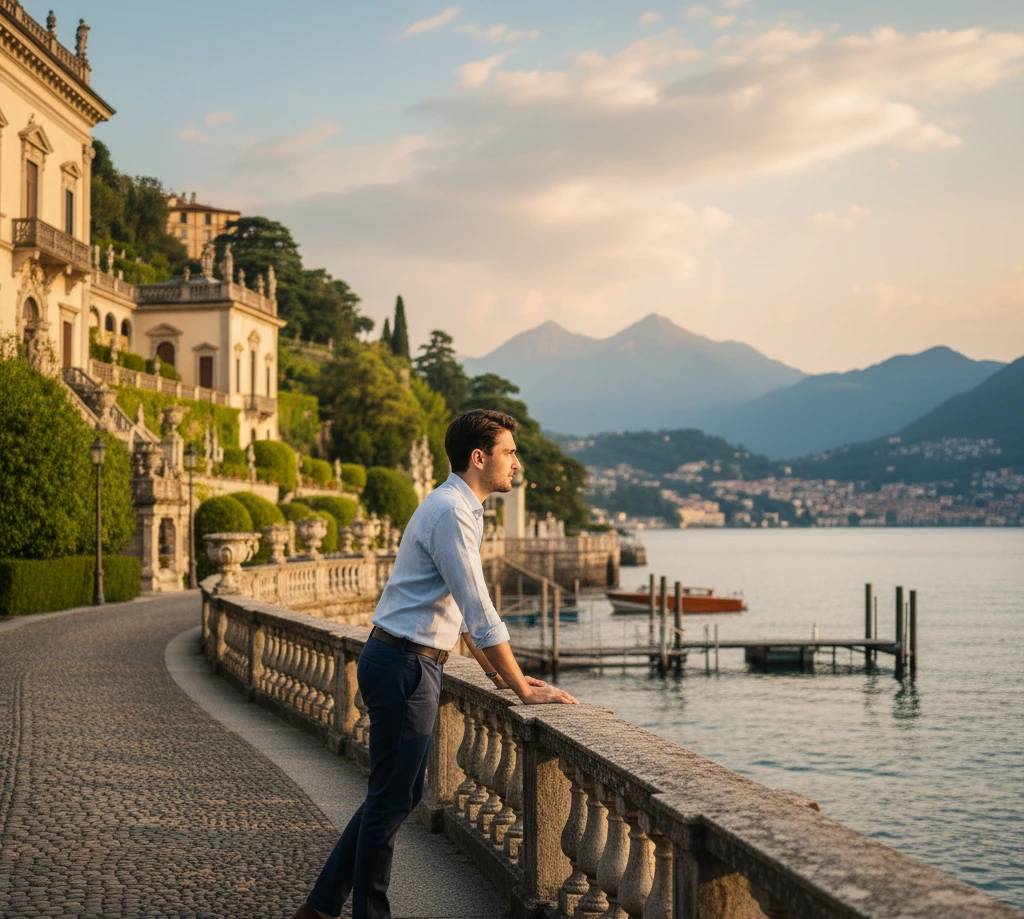
Choosing Le Marche means opting for a region that is still off the radar — where Italy is lived day to day rather than consumed as a tourist destination. Towns here are human in scale, the sea is never far away, hills shape the landscape, and life moves at a gentler pace, without sacrificing essential services, schools, or connections to the rest of the country.
Unlike heavily promoted regions such as Tuscany or Puglia, Le Marche has a relatively small international expat community: the total number of foreign residents across the region remains modest. This creates an environment where integration happens primarily through contact with locals — in associations, shops, and everyday community life — rather than within established expat circles.
Newcomers tend to gravitate towards Ancona, Macerata, Fermo, and Ascoli Piceno. These cities offer a good balance of services, culture, schools, and proximity to nature. Residential neighbourhoods close to the historic centres allow you to enjoy a pleasant environment while staying well connected to transport and local amenities.
The Adriatic coast — with towns such as Senigallia, Civitanova Marche, and San Benedetto del Tronto — attracts those looking for a coastal lifestyle, a small-scale hospitality project, or simply a quiet place to live and work remotely. Less touristy areas just inland from the coast remain particularly appealing for those seeking more stable prices and a genuinely local atmosphere.
Further inland, the hills and medieval villages offer opportunities for renovation projects, agritourism, crafts, or showcasing local produce. These are often modest, gradually built initiatives — but they find their place when they respect the land and its traditions.
Living in Le Marche means choosing a region that is authentic, accessible, and still unspoilt — where it is possible to build a lasting personal, professional, or family life project, while remaining connected to modern Italy and Europe.
FAQs
1. Do I need to speak Italian to live in Le Marche?
Yes, it is strongly recommended. While some coastal towns are accustomed to tourists and English may get you by in shops, everyday life is conducted in Italian: administrative procedures, healthcare, neighbourly relations, and work.
Learning the language gradually will make a real difference to your integration and your understanding of how things work locally.
2. What is the cost of living in Le Marche?
The cost of living is more affordable than in many northern Italian regions, particularly outside the most popular coastal areas.
Rents and everyday expenses remain reasonable in medium-sized towns and inland areas, while coastal resorts and renovated historic centres can be somewhat more expensive, especially in summer.
3. How do I find a home in Le Marche?
You can start by searching Italian property portals, but many properties are located in small municipalities or require careful checks (renovation work, planning compliance, land registry, structural condition).
It is therefore advisable to work with a local agent, a surveyor (geometra), or an English-speaking expert who can clearly explain the process and help you avoid unwanted surprises.
4. What are the main advantages of Le Marche for expats?
Le Marche appeals through its quality of life, varied landscapes, tranquillity, and authenticity. It is a welcoming region, still largely untouched by mass tourism, with reasonable prices, good infrastructure, and real scope for human-scale projects — whether that means a home, a hospitality venture, a craft business, remote work, or simply a quieter way of life.