Traveling in Italy

What to do in Palermo?

Palermo, the capital of Sicily, blends tradition and modernity, offering visitors a rich cultural, historical, and culinary experience.

Aller en Italie
Aller en Italie
Read Time 12 minutes

Nestled between the sea and the mountains, Palermo, the captivating capital of Sicily, is a city where centuries-old traditions and modern life meet in perfect harmony. Shaped by Arab, Norman, and Italian influences, it embodies a unique cultural mosaic that continues to fascinate visitors. From its vibrant markets and magnificent palaces such as the Norman Palace to its history-laden alleyways, Palermo reveals an authentic charm at every turn. Whether you want to explore its iconic landmarks, discover its renowned cuisine, or simply soak up its Mediterranean atmosphere, this city will not fail to captivate you. Get ready for a sensory journey into the heart of Sicily.

THEY TALK ABOUT US
Maisons & Jardins · Le Figaro · Challenges

« Built on solid field experience and an in-depth knowledge of Italian procedures. »

Jessica Colpin, co-founder — Maisons & Jardins France, Jan.–Feb. 2026

Maisons & Jardins 2026Le Figaro 2025Challenges 2024Français à l'Étranger 2026
4+ media outlets · #1 reference France–ItalyPress review →

Visiting Palermo: a travel itinerary to discover the Sicilian capital

Palermo, the capital of Sicily, is a city of countless facets that will enchant every traveller. With its rich blend of Arab, Norman, Spanish, and Italian influences, this vibrant city offers a unique immersion into history, culture, and gastronomy. From iconic landmarks such as Palermo Cathedral and the Norman Palace, to bustling alleyways lined with colourful markets and breathtaking Mediterranean scenery, Palermo is a destination not to be missed. Whether you have two days or more, this city promises fascinating discoveries at every corner. Follow our itinerary to explore the treasures of Palermo and enjoy an unforgettable Sicilian experience.

Powered by GetYourGuide


Aller en Italie

French expatriation expert · since 2020

4.9

71 verified reviews

1,500+ expats supported

50+ services with French-speaking professionals

20 regions covered

Local consultants on the ground in Italy

Free appointment · 15 min · in French · no commitment

Book an appointment

When is the best time to visit Palermo?

If you are wondering when to visit Palermo, the answer depends on your preferences and what you plan to do there. Spring (April to June) and autumn (September to November) are the ideal periods to explore the city. During these seasons, the weather in Palermo, Sicily is pleasant, with mild temperatures around 20–25°C and little rainfall — perfect for visiting historic monuments or wandering through the local markets. Summer, though very hot, draws those who want to enjoy the beaches and the lively atmosphere of Sicilian evenings. In winter, the climate remains mild, with temperatures rarely dropping below 10°C, making it a great option for avoiding tourist crowds and discovering a more authentic side of Palermo. Each season offers a unique experience — choose the one that suits you best.

Top things to do in Palermo – must-see highlights
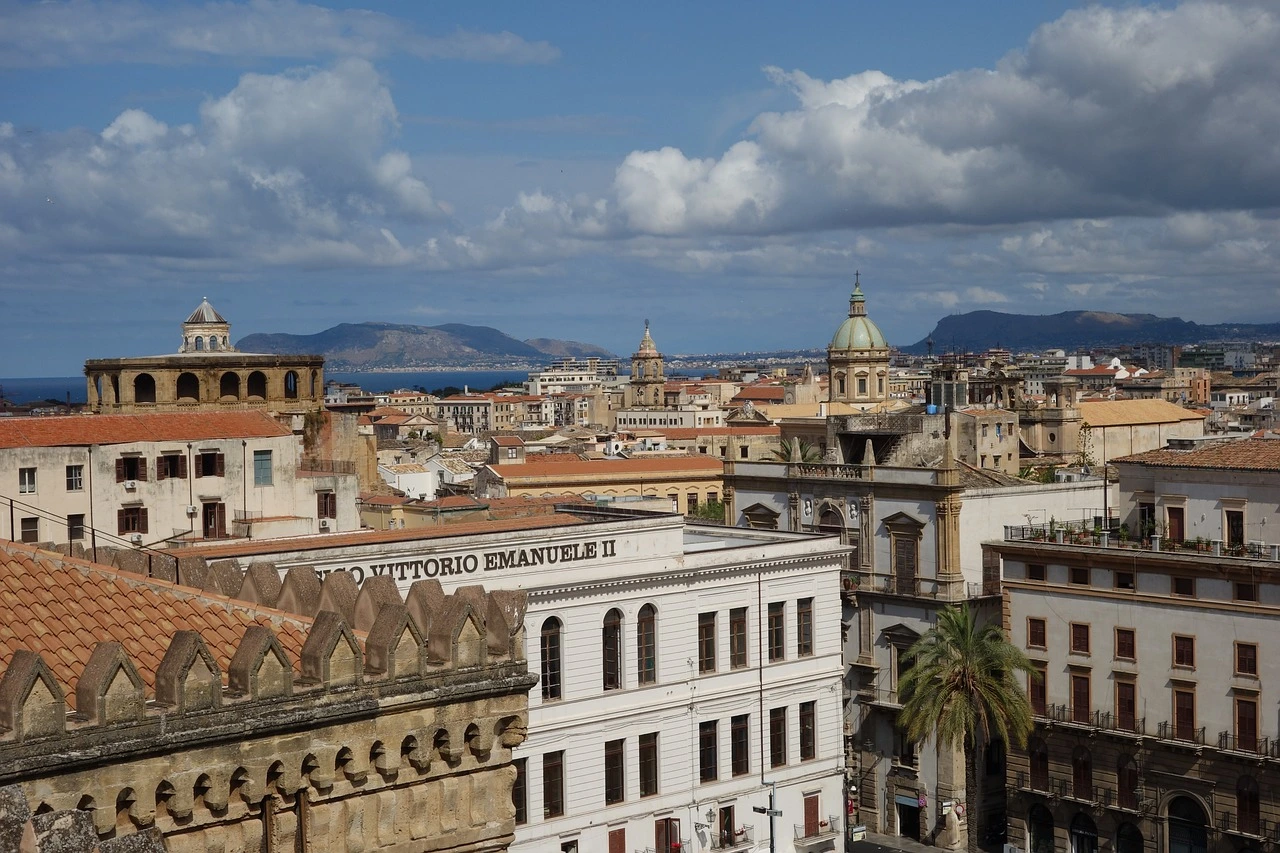
Palermo is a city to be explored with all your senses: admire its monuments, listen to the bustle of its markets, savour its culinary specialities, and feel the energy of its people. These must-see sites are just the beginning of your immersion into this captivating capital, where every visit promises wonder. Here is a selection of the top landmarks not to miss:

Palermo seen from above

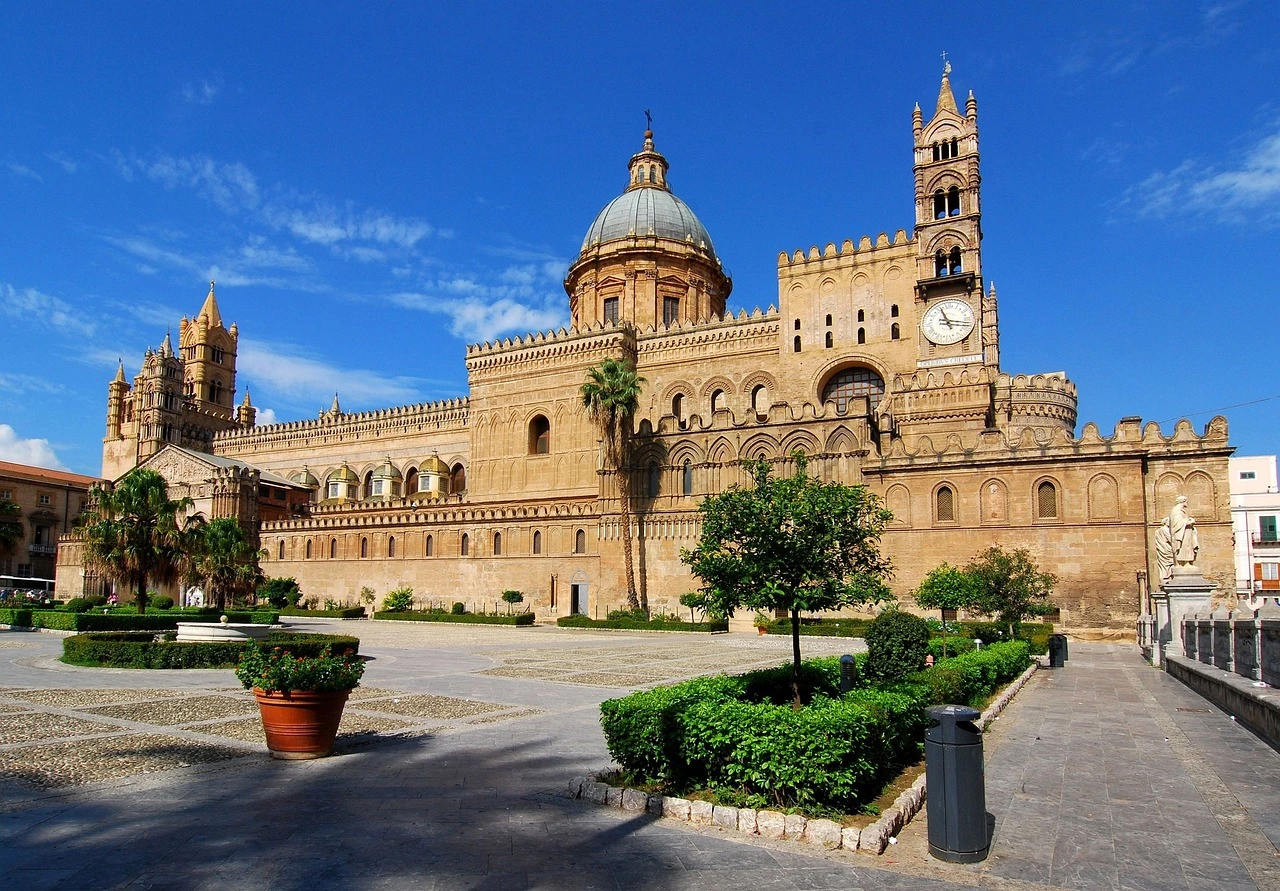
Palermo Cathedral: an architectural masterpiece

Built in the 12th century, Palermo Cathedral is a symbol of Sicily's cultural diversity. It blends Norman, Gothic, Arab, and Baroque styles in perfect harmony, reflecting the many civilisations that have shaped the city. Inside, you can admire the tombs of the Norman kings and an impressive treasury. For an even more memorable experience, climb up to the rooftop terraces: the panoramic view over Palermo and its surroundings is truly breathtaking.

The Norman Palace and the Palatine Chapel: a Byzantine gem

Once the residence of Norman kings, the Norman Palace is a historic and political jewel. Its centrepiece, the Palatine Chapel, is celebrated for its dazzling golden mosaics, considered the finest in Sicily. This UNESCO World Heritage Site is a must for anyone wishing to understand the depth of Sicilian history.

Teatro Massimo: a temple of the performing arts

Imposing and elegant, Teatro Massimo is one of the largest opera houses in Europe. A symbol of Italian artistic excellence, it is a place not to be missed — whether you attend a performance or simply explore its magnificent interiors. Its neoclassical façade and grand staircase also make it one of the city's most photogenic landmarks.

Historic markets: Ballarò and Vucciria

Palermo would not be Palermo without its markets. Ballarò and Vucciria are genuine treasures where you can dive headfirst into local life. Among the colourful stalls and enticing aromas, you can sample Sicilian specialities such as arancini, panelle, and the famous cannoli. These markets are also a spectacle in themselves, with vendors competing energetically for the attention of passers-by.

Quattro Canti: the Baroque heart of Palermo

Located at the intersection of two main thoroughfares, this Baroque square is a jewel of architectural harmony. The Quattro Canti, with their four façades adorned with statues and fountains, symbolise the seasons, the patron saints, and the Spanish rulers. This crossroads is the true nerve centre of the city and a gateway to Palermo's many other wonders.

Monreale Monastery: a treasure just a few kilometres away

Just 10 km from Palermo, the Monreale Monastery is an essential day trip. Its cathedral, decorated with golden mosaics depicting biblical scenes, is a masterpiece of Norman art. The monastery's cloister, with its elegantly carved columns, is a peaceful haven where you can admire the extraordinary craftsmanship of medieval artisans.

Visiting Palermo in one day

Palermo is a city where every street corner tells a story, and in a single day, you can discover its most iconic treasures. Start your morning with a visit to Palermo Cathedral, an architectural masterpiece blending Norman, Arab, and Baroque styles. Be sure to climb to the rooftops for an exceptional panoramic view over the city. Just a short walk away, step into Norman history at the Norman Palace, where the magnificent Palatine Chapel impresses with its golden mosaics and unique atmosphere. These sites stand as living witnesses to Sicily's glorious past.

At midday, take a food break at one of the city's traditional markets, such as Ballarò or Vucciria. These lively spots are perfect for sampling local specialities such as arancini or panelle, while soaking up the authentic Sicilian atmosphere. After lunch, continue your exploration towards the Quattro Canti, Palermo's symbolic Baroque square, before heading to Piazza Pretoria, famous for its fountain adorned with mythological statues. Round off this cultural tour with a visit to the Church of the Martorana, an architectural gem combining Byzantine mosaics with Baroque decoration.

Palermo Cathedral

To wrap up your day, make your way to the majestic Teatro Massimo, one of the largest opera houses in Europe. Even if you cannot attend a performance, a guided tour will allow you to discover the stunning interior of this landmark. Finally, settle onto a terrace at Piazza Verdi for an aperitivo or a light dinner, enjoying the relaxed and vibrant atmosphere of Palermo in the evening. With this itinerary, you will have a rich and varied taste of the Sicilian capital — spanning history, culture, and gastronomy.

Where to eat — the best restaurants in Palermo

Palermo is a top destination for food lovers, offering a culinary richness that reflects the history and traditions of Sicily. If you are looking for authentic local dishes in a welcoming setting, the city's many trattorias and restaurants will greet you with unmissable specialities. Among them, pasta con le sarde — a delicate combination of sardines, wild fennel, and pine nuts — is a classic not to be missed. Seafood lovers will also appreciate the simple yet flavourful dishes at Trattoria Piccolo Napoli, renowned for its fresh produce.

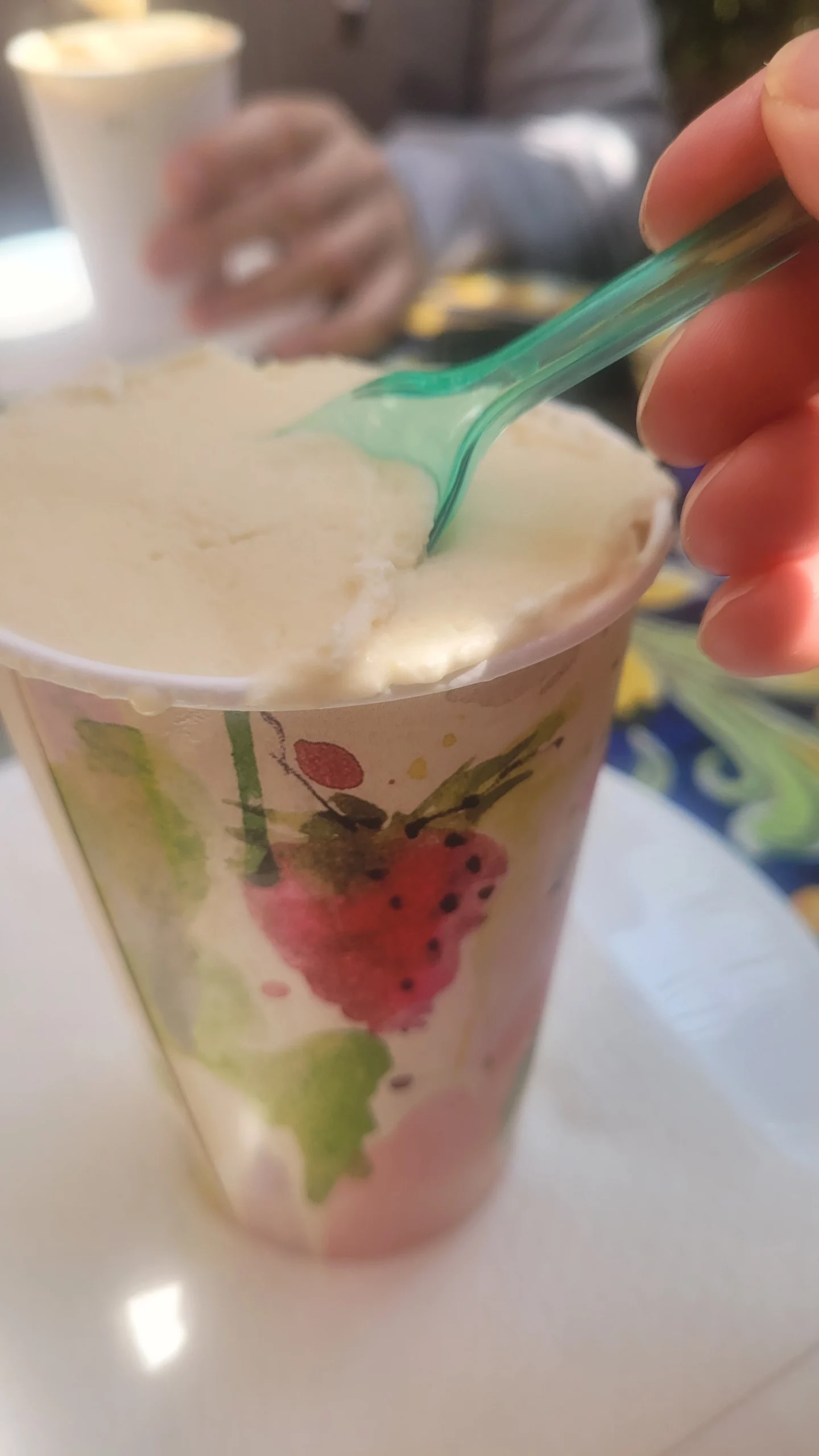
Sicilian granita

For a modern take on Sicilian cuisine, Osteria Ballarò offers a contemporary spin on traditional recipes, with a focus on the quality of local ingredients. Dishes are reimagined while preserving the authentic flavours of Sicily. If you prefer to visit one of the city's historic institutions, Antica Focacceria San Francesco, open since 1834, is an essential stop for classic Sicilian fare in a setting steeped in history.

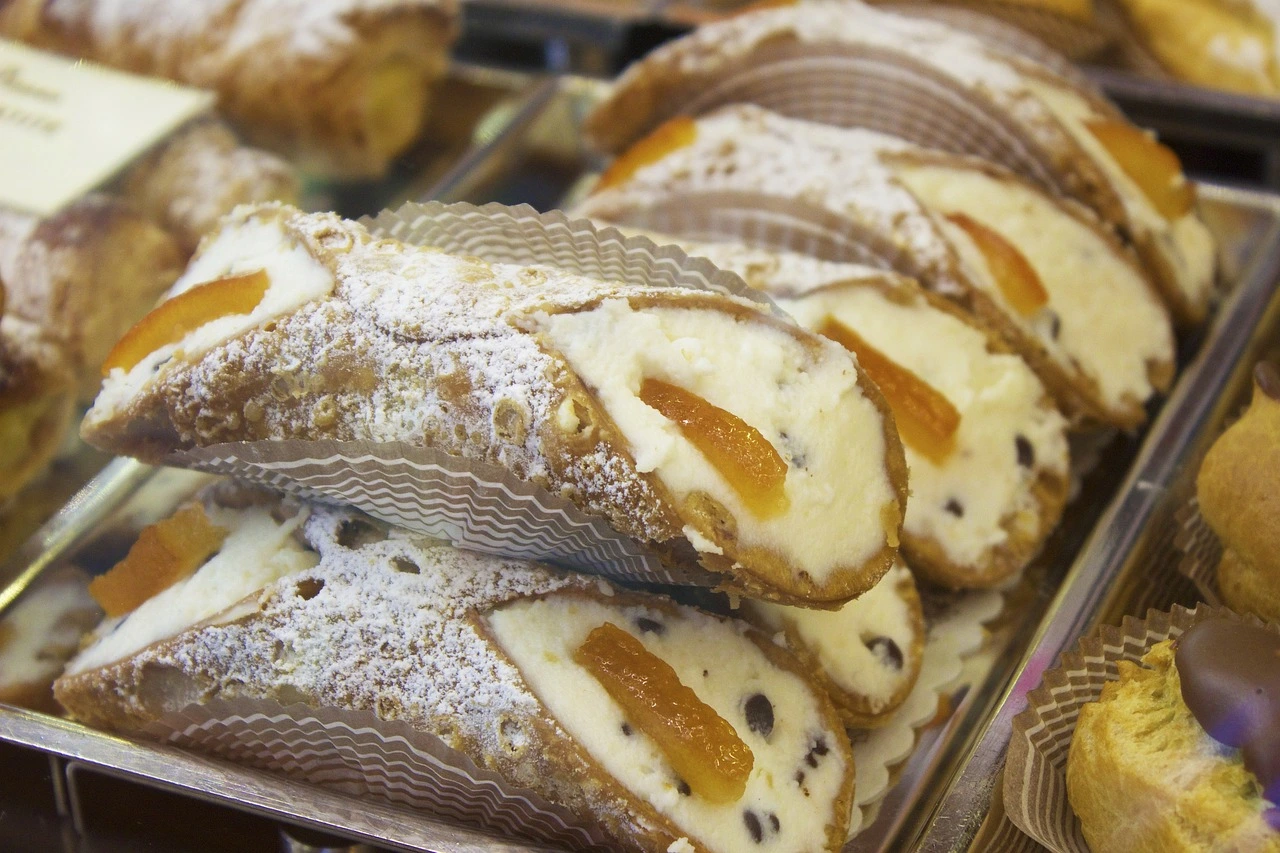
When it comes to desserts, Palermo is a paradise for those with a sweet tooth. You cannot leave without trying the famous cannoli — crispy pastry tubes filled with sweetened ricotta — or the cassata siciliana, a rich cake layered with candied fruit and marzipan. In summer, cool down with a granita served alongside a brioche, a simple yet irresistible treat.

In Palermo, food is a true celebration, and every meal is an invitation to connect with the soul of Sicily. Whether you choose a refined restaurant or a traditional trattoria, every bite takes you on a unique sensory journey.

Street food in Palermo

Palermo is the undisputed street food capital of Sicily, offering a wealth of authentic flavours to discover in its alleyways and bustling markets. Among the must-tries, pane e panelle is arguably one of the most iconic specialities: a sandwich made with fried chickpea fritters served in crusty bread, often with a squeeze of lemon. To try one of the best in the city, head to Nino U' Ballerino or Friggitoria Chiluzzo, both renowned for this speciality.

Another classic is pane con la milza (also known as 'u pani câ meusa), a bread roll filled with veal spleen and lung cooked in lard — a true symbol of Palermitan street food culture. For an authentic experience, try it at Antica Focacceria San Francesco, where this recipe has been prepared since 1834.

Fans of fried food will not want to miss arancini, those golden rice balls filled with meat, cheese, or vegetables, perfect for eating on the go. Meanwhile, crocchette di patate (potato croquettes) and stigghiola (grilled lamb intestine skewers) reflect the rustic and bold spirit of Sicilian gastronomy.

For something on the sweeter side, try sfincione, a thick Sicilian pizza topped with tomatoes, onions, anchovies, and cheese, or panelle di ceci, which are also a great option for vegetarians.

Markets such as Ballarò and Vucciria are the ideal places to explore these specialities while soaking up the vibrant atmosphere of Palermo. With simple yet intense flavours, Palermitan street food is an unmissable way to discover the culinary soul of Sicily.

Sicilian cannoli

Where to stay in Palermo?

Choosing where to stay in Palermo depends on your preferences and the type of experience you are looking for. If you want to be at the heart of the action, the historic centre is ideal. This neighbourhood brings together the city's main attractions, including the Cathedral, the Quattro Canti, and the Ballarò market. You will find numerous hotels, guesthouses, and B&Bs in historic buildings, perfect for immersing yourself in the authentic atmosphere of the city.

For those seeking a more modern setting with shops and restaurants nearby, the Politeama – Libertà district is an excellent choice. Located close to Teatro Massimo and Teatro Politeama, it offers easy access to public transport while providing a more elegant and refined ambiance.

If you prefer a quieter stay away from the hustle and bustle, the Mondello neighbourhood is perfect. Situated by the sea, a few kilometres from the city centre, it is known for its fine sandy beaches and relaxed atmosphere — ideal for those who want to combine cultural sightseeing with time to unwind by the water.

Finally, the Kalsa district will appeal to history and art enthusiasts. This area, marked by Arab and Norman influences, is home to iconic landmarks such as the Norman Palace and Piazza Marina. It is also a neighbourhood undergoing a cultural revival, with a varied range of accommodation from charming small hotels to modern apartments.

Whether you opt for a stay in the lively centre, an upscale neighbourhood, or a seaside retreat, Palermo offers accommodation options to suit all tastes and budgets.

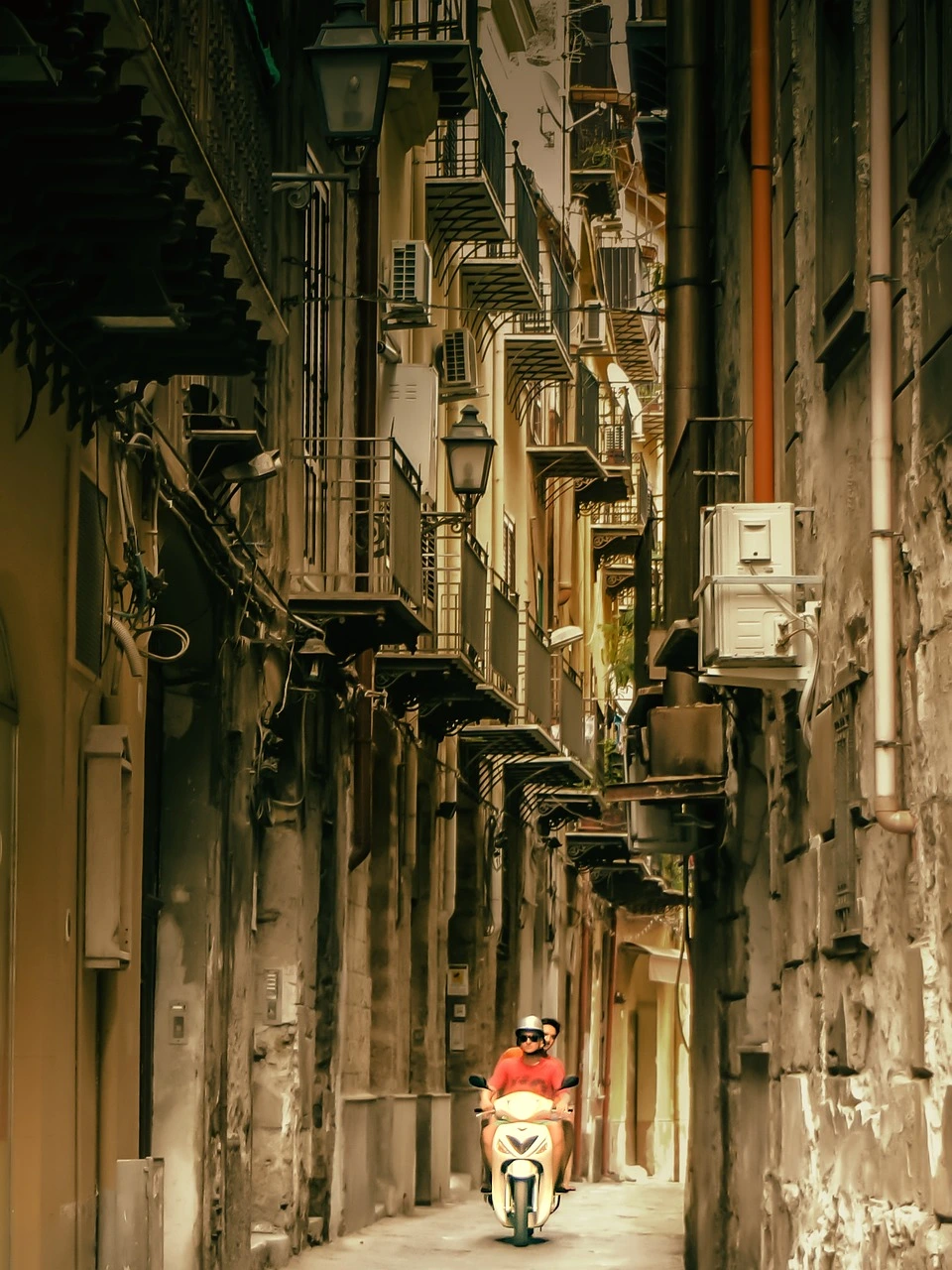
Palermo with vespa

Travel tips for your stay in Palermo

Planning a trip to Palermo requires knowing a few local specifics to make the most of your visit. Here are some practical tips to help you get the best out of your time there:

Beaches near Palermo city centre

If you are staying in Palermo and want to spend a day at the beach, the closest option is Mondello, located about 10 km from the centre. With its fine sand and turquoise waters, it is perfect for a seaside escape. You can get there easily by bus on lines 806 and 833, which run regularly from the city centre, especially in summer.

Reaching Palermo's beaches without a car

Palermo is surrounded by beautiful beaches, ideal for a sunny break. Mondello beach, 10 km away (about 20 minutes by car or 30 minutes by bus), is the closest and most popular. With its fine sand and turquoise waters, it is perfect for a relaxing day out.

For those without a car, other beaches are accessible by public transport. Sferracavallo beach, about 12 km from the centre (20 minutes by car or 30 minutes by bus or train), is a picturesque little bay popular with locals. Isola delle Femmine, around 16 km away (25 minutes by car or 30 minutes by train), offers a calmer atmosphere and crystal-clear waters. These beaches are well served by regional trains and local buses, though it is advisable to check timetables in advance to plan your journey efficiently.

For beaches a little further afield but equally spectacular, Cefalù, 70 km from Palermo (about 50 minutes by train), is an ideal destination for a full-day trip.

Getting from Palermo Airport to the city centre by train

Getting from Palermo Airport (Falcone-Borsellino) to the city centre is straightforward thanks to the Trinacria Express train. This rail service connects the airport directly to Palermo Central Station in approximately 45 minutes, with regular departures throughout the day. It is a fast, affordable, and comfortable option — ideal for avoiding traffic and starting your Sicilian adventure stress-free.

Currently, as the Trinacria Express train is not in service, the bus is the best option for reaching Palermo city centre from Falcone-Borsellino Airport. The bus service is operated by Prestia e Comandè, with frequent departures approximately every 30 minutes. The journey takes around 50 minutes and drops you off in the heart of Palermo, close to the central station and the main tourist sites.

Tickets can be purchased directly on board the bus, at the airport ticket desks, or online for added convenience. This service is ideal for travellers looking for a comfortable and budget-friendly way to reach the city centre.

Once you arrive, you can easily continue your journey on foot, by taxi, or by public transport to explore all that Palermo has to offer. This reliable service ensures a smooth transition from the airport to the Sicilian capital, letting you begin your stay with peace of mind.

Renting a car in Palermo

If you plan to visit the surrounding area or explore the Sicilian countryside, renting a car can be a good option. However, it is best to pick up your vehicle at the airport to avoid complications related to city centre traffic and ZTL restrictions. Bear in mind that parking in the centre can be limited and expensive.

Limited Traffic Zones (ZTL) in Palermo

Palermo's historic centre is subject to Limited Traffic Zones (ZTL), meaning access by car is restricted, particularly during peak hours. If you are staying in this area, check with your accommodation whether they can register your vehicle to help you avoid fines. In these zones, it is generally more practical to get around on foot or by public transport.

Tourist tax in Palermo

As in many Italian cities, a tourist tax is charged in Palermo. The amount varies depending on the type and category of your accommodation (hotels, B&Bs, etc.). This tax is typically between €1 and €3 per person per night, and is usually paid directly to your accommodation provider.

Map of Palermo

To get around efficiently, make sure you have a detailed map of Palermo, available at tourist offices or online. The historic centre is easily walkable, but if you want to explore more distant neighbourhoods, a public transport map is essential.

These practical tips will help you organise your stay in Palermo as smoothly as possible, whether you want to enjoy the beaches, explore the historic alleyways, or discover the surrounding area at your own pace. Palermo, with its cultural richness and stunning scenery, promises an unforgettable journey.

What to do around Palermo?

Palermo is a fascinating city, but its surroundings are equally full of treasures waiting to be discovered. Whether you are drawn to paradise beaches, historic sites, or natural landscapes, these destinations are well worth the detour — and in most cases, renting a car is the best way to explore them freely and make the most of what they have to offer.

Cefalù: a coastal gem accessible by train

Located about 70 km from Palermo, Cefalù is a charming coastal town known for its blend of culture and relaxation. Easily accessible by train from Palermo in under an hour, Cefalù boasts a beautiful beach perfect for unwinding. Be sure to visit the famous Cefalù Cathedral, a Norman masterpiece inscribed on the UNESCO World Heritage List, with its spectacular mosaics. Stroll through the picturesque lanes of the old town and enjoy local specialities at the seafront restaurants.
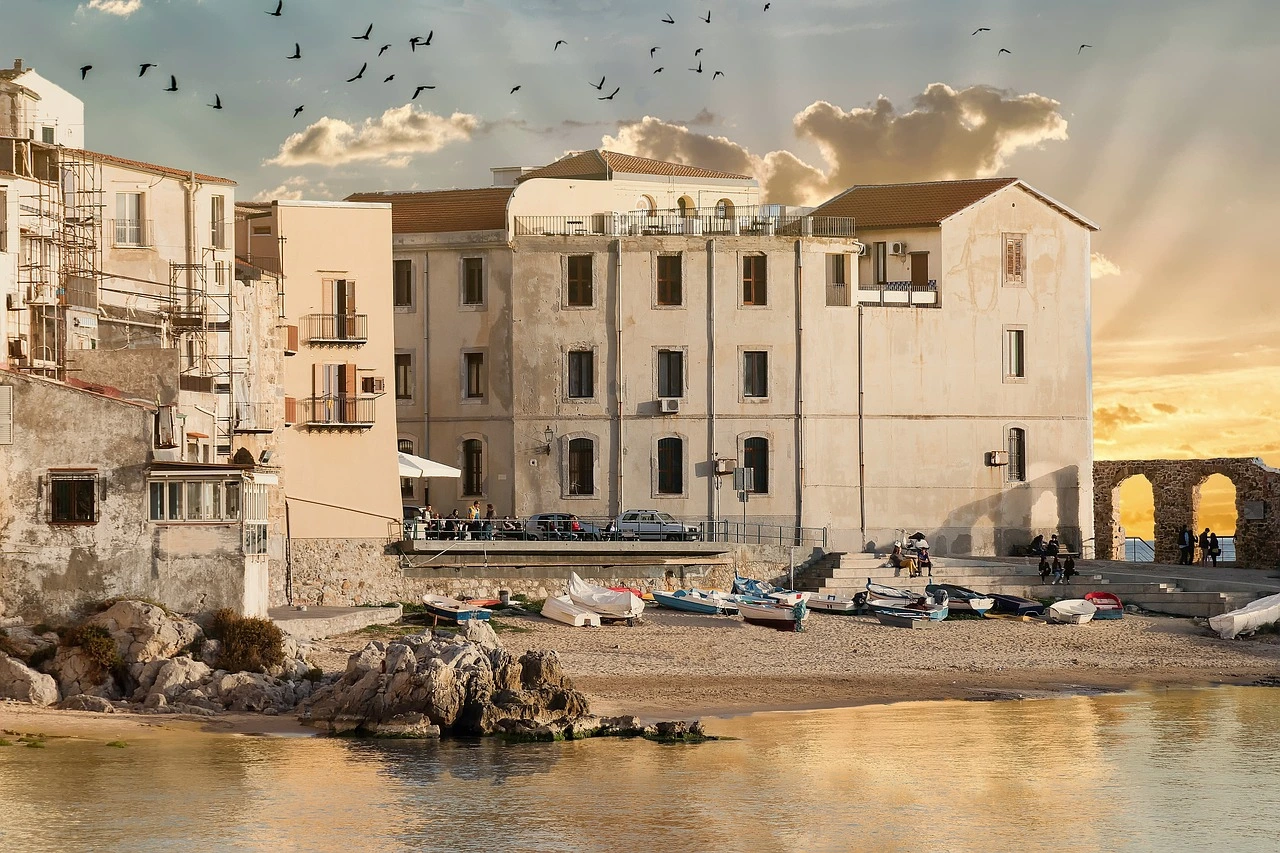
cefalu sea

Monreale: a Norman treasure on the doorstep of Palermo

Just 10 km from Palermo city centre, Monreale is famous for its exceptional cathedral, a jewel of Norman architecture. Its interior is adorned with golden mosaics depicting biblical scenes — a true spectacle for art lovers. The entrance fee for the cathedral and its cloister is modest and well worth it. Monreale is easily reached by bus or taxi, and you will be rewarded with a stunning view over the Conca d'Oro valley.

San Vito Lo Capo and the Zingaro Nature Reserve: beaches and nature

San Vito Lo Capo, located about 90 km from Palermo, is one of Sicily's most beautiful beaches, with its crystal-clear waters and fine white sand. Nearby lies the Zingaro Nature Reserve, a paradise for nature lovers. The park offers hiking trails with spectacular sea views and the chance to discover secluded coves perfect for swimming. San Vito Lo Capo is accessible by car or bus from Palermo, and makes for an ideal full-day excursion combining relaxation and exploration.

Marsala and the Salt Pans: history and unique landscapes

Located on Sicily's western coast, about 120 km from Palermo, Marsala is famous for its wines and the unique scenery of its salt pans. The Trapani and Paceco salt flats offer a spectacular panorama, especially at sunset, with their rose-tinted water basins and picturesque windmills. You can also visit the town of Marsala to explore its historic wine cellars and taste its celebrated Marsala wine.
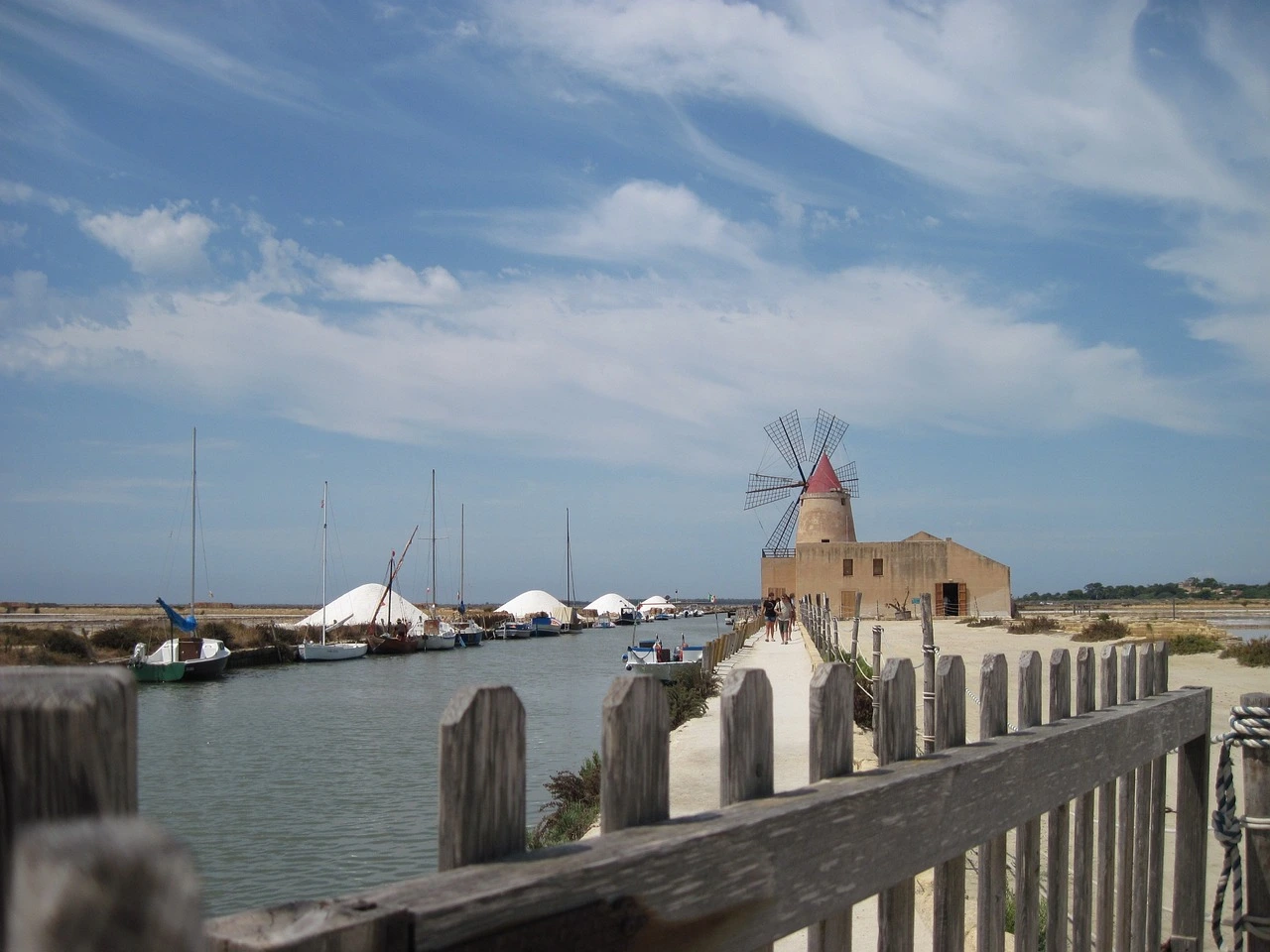
windmills and salt pans marsala

Favignana and the Tonnare: an escape to the Egadi Islands

Favignana, the largest of the Egadi Islands, is a true gem to discover from Trapani, located about 100 km from Palermo. Accessible by ferry, Favignana is known for its turquoise waters and its tonnare — ancient tuna fishing facilities that bear witness to the region's rich maritime history. Rent a bicycle to explore the island at your own pace, and dive into its paradise coves such as Cala Rossa and Cala Azzurra.

Selinunte: a journey into antiquity

About 130 km from Palermo, the archaeological site of Selinunte is one of the most impressive in Sicily. This park contains the ruins of ancient Greek temples, offering a fascinating journey through the history of the ancient world. Take your time exploring the various sections of the site and enjoy the sweeping views over the Mediterranean Sea. Selinunte is accessible by car and is an essential cultural excursion.

With so many destinations within easy reach, the area around Palermo offers a diverse range of experiences that perfectly complement a visit to the city itself. Whether you are drawn to history, nature, or the beach, each destination promises unforgettable moments.


FAQs

1 – Where can you find the best Sicilian food in Palermo?

In Palermo, you can savour authentic Sicilian cuisine at iconic spots such as Antica Focacceria San Francesco, famous for traditional dishes like pane con la milza. For a more refined experience, Osteria dei Vespri offers a modern take on Sicilian cuisine in an elegant setting. If you are a street food enthusiast, head to the Ballarò or Vucciria markets to try arancini, panelle, and other local specialities, prepared fresh right in front of you.

2 – What is the best time of year to visit Palermo?

The best times to visit Palermo are spring (April to June) and autumn (September to November), when the weather is mild and pleasant with temperatures around 20–25°C. These seasons are ideal for exploring monuments, wandering through the markets, and enjoying the nearby beaches. In summer, despite the heat, Palermo attracts visitors who want to experience local festivities and the beach scene. Winter, with its mild temperatures (10–15°C), allows you to visit the city without the tourist crowds.

3 – Which museums should you not miss in Palermo?

Palermo is home to exceptional museums that reflect its rich history and cultural heritage. Among the highlights:

  • The Norman Palace and the Palatine Chapel, with its dazzling Byzantine mosaics.
  • The Antonio Salinas Archaeological Museum, which displays treasures from ancient Sicily, including Greek and Phoenician artefacts.
  • The Regional Gallery of Sicily (Palazzo Abatellis), celebrated for its medieval and Renaissance works, including the famous Annunciation by Antonello da Messina.
  • The Museum of Modern Art in Palermo (Palazzo Riso), for contemporary art enthusiasts.
4 – How do you get around Palermo easily?

To get around Palermo, walking is the best option in the historic centre, where most landmarks are close to one another. For longer distances, AMAT buses cover the whole city, while taxis and ride-hailing services such as It Taxi are convenient for occasional journeys. Avoid driving in the centre due to Limited Traffic Zones (ZTL). To reach the beaches or destinations on the outskirts, local trains and buses are a practical and affordable choice.

Aller en Italie

Aller en Italie

editor

Aller en Italie

We are the first French-speaking company in Italy, with a multidisciplinary and bilingual team of lawyers, administrative assistants, consultants, and accountants, dedicated to supporting French speakers in bringing their projects to life in Italy. We offer comprehensive support for every need: expatriation, job search, business creation, real estate purchase, or B&B opening.

Related articles

What to do in Venice?
Traveling in Italy

What to do in Venice?

Read Time 1 minute
What to do in Florence?
Traveling in Italy

What to do in Florence?

Read Time 1 minute
What to do in Naples?
Traveling in Italy

What to do in Naples?

Read Time 1 minute
Housing & daily lifeTaxation & administrative proceduresGuides in English
Everything you need to know about living in Italy

Receive our complete guide — housing, taxation, healthcare, administrative procedures. Written by our local consultants, present in 6 Italian regions.

1 500+ expatriates supported since 2020 · 20 regions covered

Receive the free guide: Living in Italy

4.9 · 71 reviews · No spam · Unsubscribe in 1 click

Consultants based in

LombardyPiedmontPugliaSicilyUmbriaSardinia· and 14 other regions