What to Do in Rome?
Discover the must-see highlights of Rome — history, art, and gastronomy for an unforgettable experience in the Eternal City.

 Rome, the Eternal City, has captivated travellers from around the world for centuries. Rich in history, art, and culture, the Italian capital offers an endless wealth of places to explore. But with so many wonders to discover, what should you do in Rome to make the most of this unique experience?
From iconic landmarks like the Colosseum and the Vatican, to charming neighbourhoods like Trastevere, and hidden treasures tucked away down cobblestone streets — Rome has something for everyone. Whether you are passionate about history, a lover of food, or simply curious to wander its alleyways, this guide will walk you through all the must-see highlights of your Roman adventure.
Get ready to discover a city where every street corner tells a story, and where the past and present meet in perfect harmony. Here is our selection of the places you cannot miss when exploring what to do in Rome.
« Built on solid field experience and an in-depth knowledge of Italian procedures. »
Jessica Colpin, co-founder — Maisons & Jardins France, Jan.–Feb. 2026
Visiting Rome: an itinerary to discover the Eternal City
A trip to Rome is far more than a quick getaway — it is a full immersion into history, culture, and the dolce vita. The Italian capital is filled with treasures at every turn, and all it takes is a stroll down a cobblestone lane to uncover its magic. A day might begin with a visit to the great classics like the Colosseum or the Vatican, then wind down in the warm atmosphere of Trastevere. Take your time wandering through lively squares such as Piazza Navona or Campo de' Fiori, and don't forget to look up and admire the details of the historic buildings all around you. Rome cannot be seen in a single day — let yourself be carried along by its unique rhythm and boundless richness.
Aller en Italie
French expatriation expert · since 2020
4.9
73 verified reviews
1,500+ expats supported
50+ services with French-speaking professionals
20 regions covered
Local consultants on the ground in Italy
Free appointment · 15 min · in French · no commitment
Book an appointmentWhen is the best time to visit Rome?
Rome can be visited year-round, but some seasons are more enjoyable than others. Spring and autumn are ideal: temperatures are mild, the days are sunny, and the streets are less crowded. May and September offer the perfect balance between pleasant weather and a lively atmosphere.
Summer, especially August, can be stifling, with temperatures regularly exceeding 35°C. On top of that, many shops and restaurants close as locals head off on holiday. If you do decide to visit in summer, try to plan your sightseeing for early morning or late afternoon, and enjoy the cooler evenings for a leisurely stroll. Winter, though cooler, is also a worthwhile option — with fewer tourists around, the experience feels more intimate, particularly at the most popular sites.
Rome's must-see attractions — what to visit?
Rome is a city that captivates with its extraordinary history, unique culture, and unmatched atmosphere. A visit to the Italian capital simply wouldn't be complete without stopping at its most iconic landmarks — living testaments to its glorious past. Whether you are a history enthusiast, an art lover, or simply someone who appreciates places full of character, the Eternal City will leave you in awe at every step.
In this section, we invite you to explore Rome's essential sights. These world-famous places are absolute must-sees during your stay — they will take you straight to the heart of Roman identity and leave you with memories that last a lifetime. Prepare to be amazed.
The Colosseum and the Roman Forum
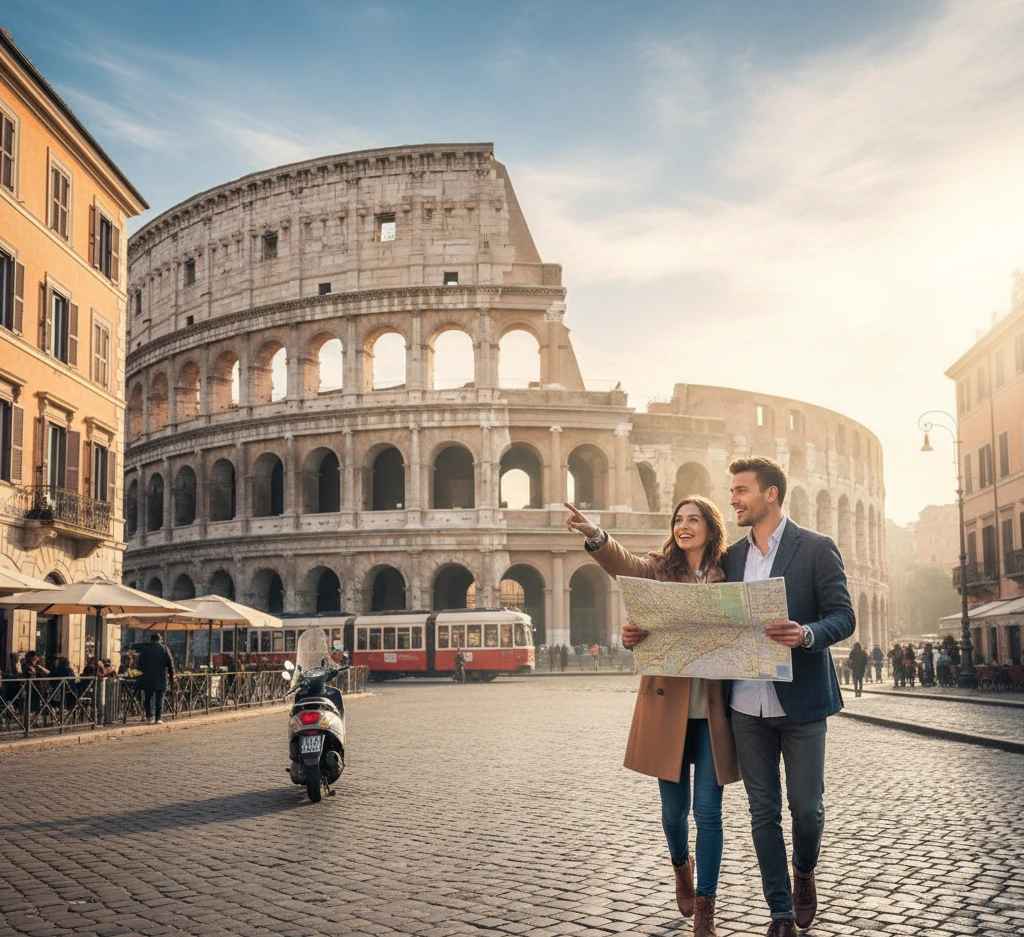
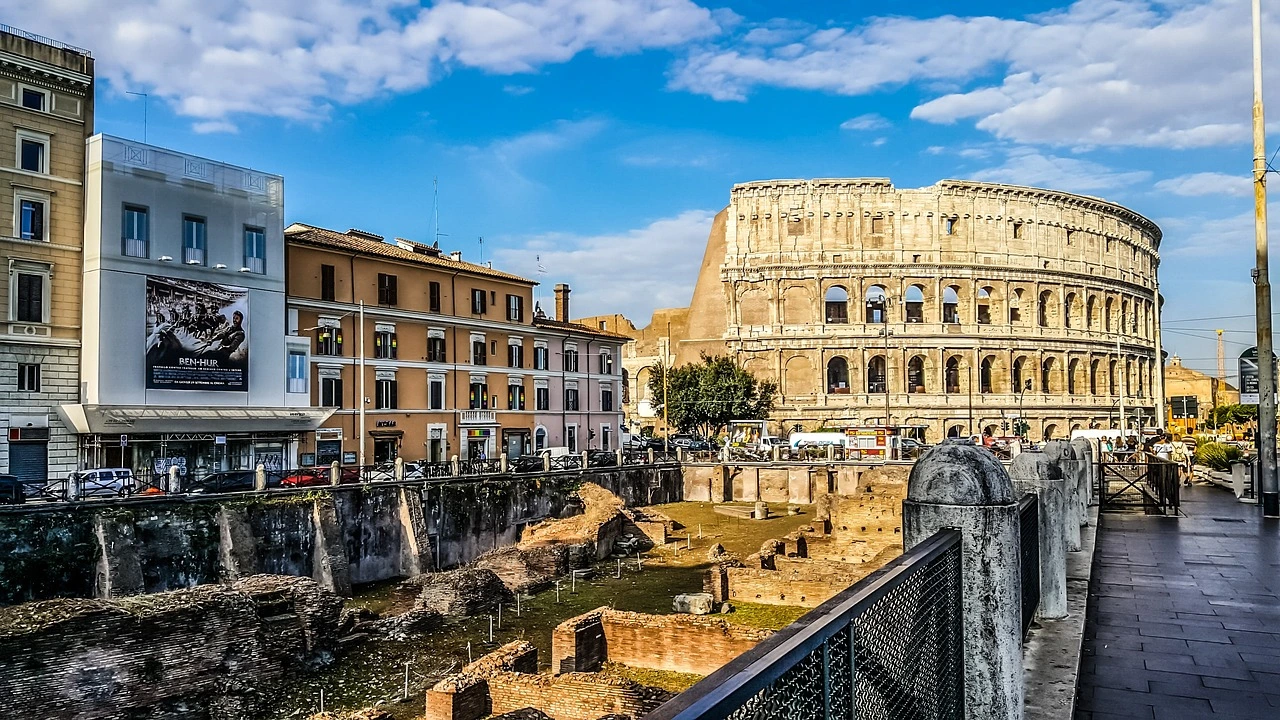
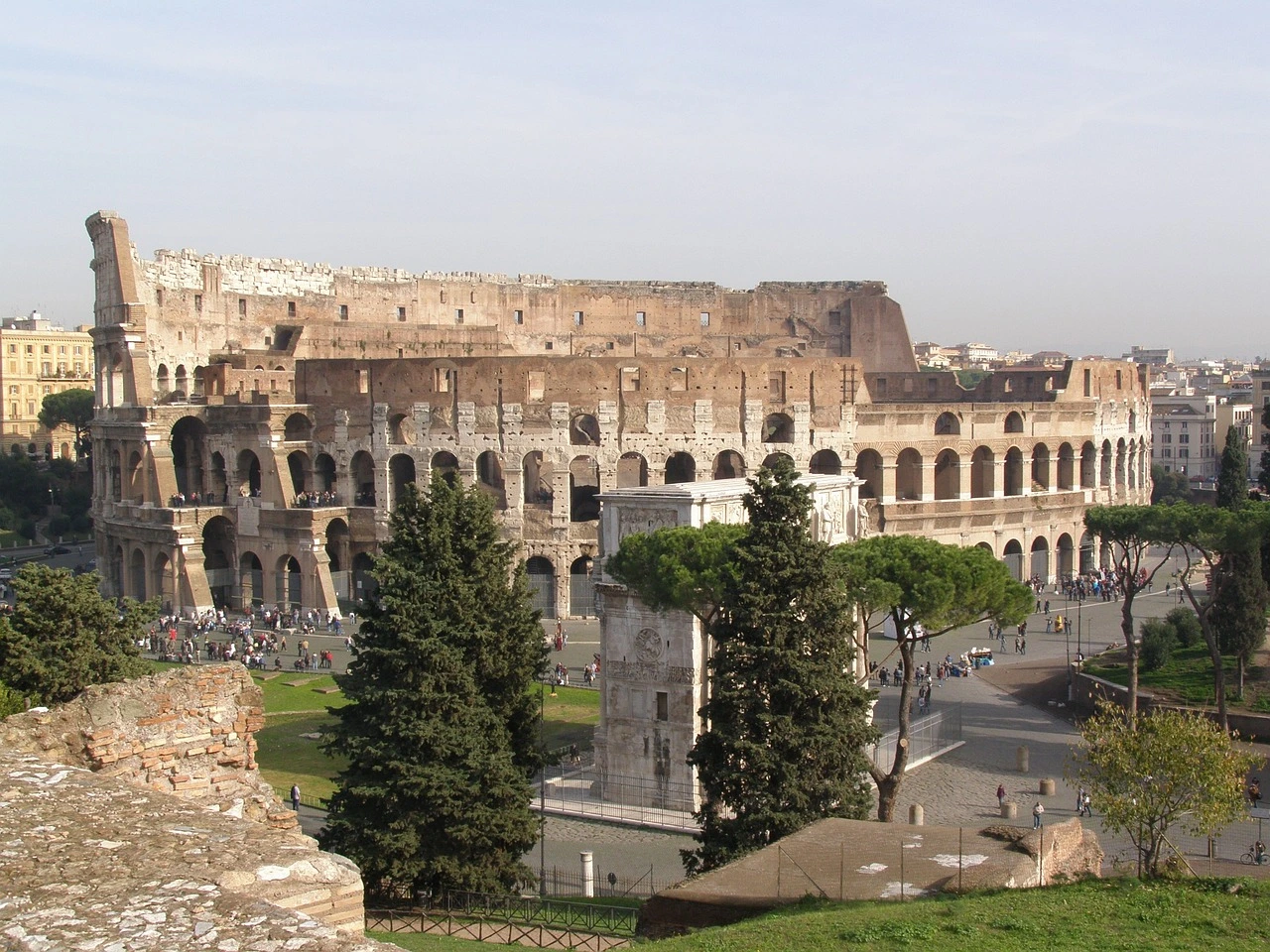
No visit to Rome is complete without exploring these two defining symbols of the Roman Empire's grandeur. The Colosseum, a majestic amphitheatre, tells the story of the spectacular events of antiquity, while the Roman Forum, just a short walk away, lets you imagine the daily life of Romans some 2,000 years ago.
Vatican City
The spiritual heart of Catholicism, Vatican City is home to incomparable artistic treasures. St Peter's Basilica impresses with its splendour, while the Sistine Chapel astonishes with Michelangelo's breathtaking frescoes. Set aside time to explore the Vatican Museums for a deep dive into art and history.
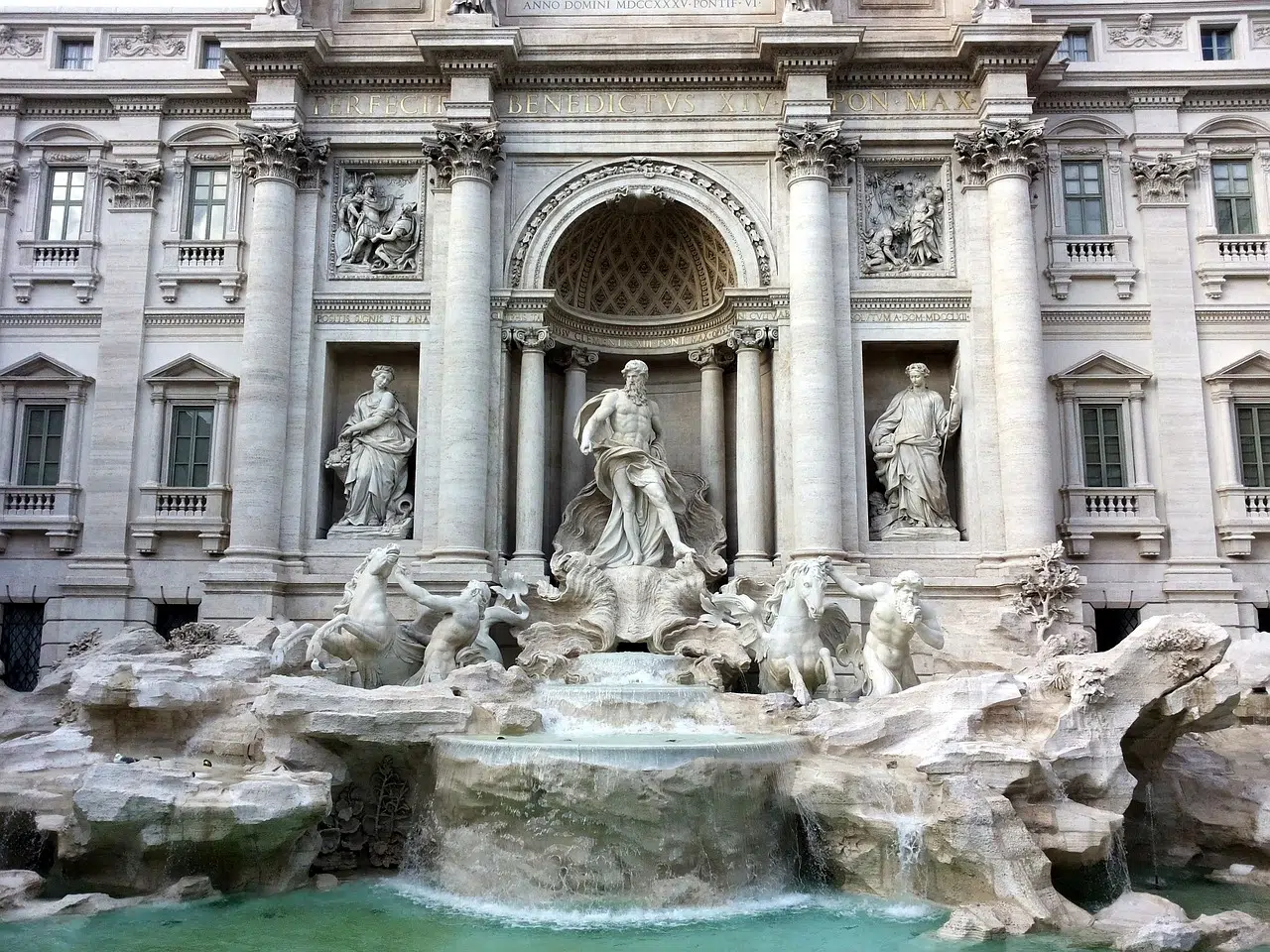
The Trevi Fountain
This iconic Baroque fountain draws millions of visitors every year. Don't forget to toss a coin over your shoulder to ensure you'll return to Rome one day. In the evening, the fountain becomes even more magical, lit up beneath the stars.
The Pantheon
An architectural masterpiece of antiquity, the Pantheon is renowned for its enormous dome and the open oculus at its centre. Inside, the peaceful atmosphere invites quiet contemplation, and its fascinating history never fails to impress on every visit.
Trastevere
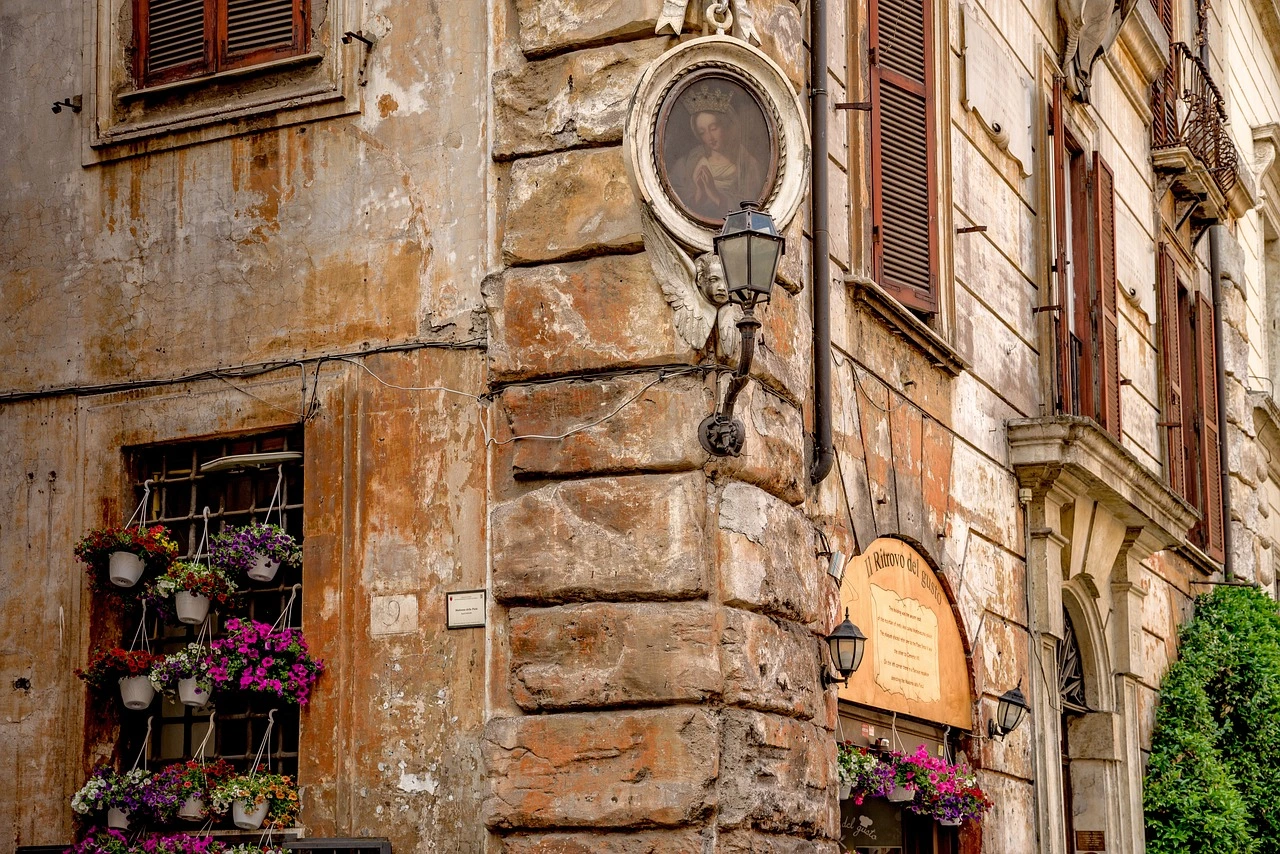
Bohemian and picturesque, Trastevere is the perfect neighbourhood to experience the authentic soul of Rome. With its cobblestone lanes, colourful facades, and welcoming trattorias, it offers a charming backdrop for an evening stroll or a classic Roman dinner.
Rome is filled with many more treasures waiting to be discovered as you wander, but these essential sights are an excellent starting point for exploring the Eternal City.
Visiting Rome in 2 days
In two days, you will discover the essential highlights of Rome: its ancient monuments, Baroque squares, and the unique atmosphere of its vibrant neighbourhoods. This itinerary is ideal for a first visit, blending history, art, and moments of relaxation.
Day 1: The historic must-sees
- Morning: Explore the Colosseum, an iconic monument that bears witness to the grandeur of the Roman Empire. Continue with a walk through the Roman Forum, the true heart of political and social life in antiquity.
- Lunch: Take a break at a traditional restaurant near Piazza Venezia.
- Afternoon: Head up to the Palazzo Venezia and enjoy the view from the Capitoline Hill. End your day at the Trevi Fountain, where tradition calls for tossing a coin to ensure your return to Rome.
- Evening: Have dinner in the Trastevere neighbourhood, renowned for its authentic charm and welcoming atmosphere.
Day 2: Religious splendour and Baroque grandeur
- Morning: Visit Vatican City, including St Peter's Basilica and the Sistine Chapel. Book your tickets in advance to avoid long queues.
- Lunch: A trattoria near Borgo Pio is ideal for a quick and satisfying break.
- Afternoon: Discover Piazza Navona, the Pantheon, and the Baroque churches of the historic centre. Take time to admire the frescoes inside the Church of San Luigi dei Francesi.
- Evening: Wander around Campo de' Fiori and soak up the lively night-time atmosphere.
Visiting Rome in 3 days
With three days in Rome, you will have time to deepen your exploration, adding charming neighbourhoods and panoramic viewpoints to your schedule. This itinerary strikes a balance between famous landmarks and more intimate corners of the city.
Day 1: Ancient and Baroque essentials
- Morning: Begin your visit at the Colosseum, an architectural marvel that plunges you into the heart of ancient spectacle. Continue with a walk through the Roman Forum, an open-air museum where the ruins bring everyday Roman life vividly to life.
- Lunch: Enjoy a hearty meal at an authentic restaurant near Piazza Venezia, taking in the city's energetic atmosphere.
- Afternoon: Make your way to the Palazzo Venezia, then climb Capitoline Hill for a sweeping view over the ancient remains. End your stroll at the Trevi Fountain, a Baroque jewel where tossing a coin is said to guarantee your return to Rome.
- Evening: Let yourself be drawn in by the Trastevere neighbourhood. Its picturesque lanes, colourful facades, and warm trattorias make it the perfect setting for a relaxed dinner.
Day 2: The Vatican and the Baroque centre
- Morning: Start the day with a visit to Vatican City, where the grandeur of St Peter's Basilica and the magnificent frescoes of the Sistine Chapel are sure to leave a lasting impression. Remember to book your tickets online to skip the queues.
- Lunch: Take a break at a typical trattoria near Borgo Pio, a charming and peaceful neighbourhood just steps from the Vatican.
- Afternoon: Immerse yourself in the Baroque elegance of Piazza Navona, then visit the Pantheon, an ancient architectural masterpiece at the heart of Rome. Make a detour to the Church of San Luigi dei Francesi to admire its exceptional frescoes.
- Evening: End the day with a stroll around Campo de' Fiori, a lively square that truly comes alive after dark.
Day 3: Charming neighbourhoods and panoramic viewpoints
- Morning: Wander through Trastevere, a picturesque neighbourhood with cobblestone streets and churches such as the Basilica of Santa Maria in Trastevere.
- Lunch: Enjoy a meal at a trattoria in Trastevere.
- Afternoon: Climb up to the Janiculum Hill for a sweeping panoramic view over Rome. Afterwards, visit the Baths of Caracalla, one of the most impressive ancient thermal complexes in the world.
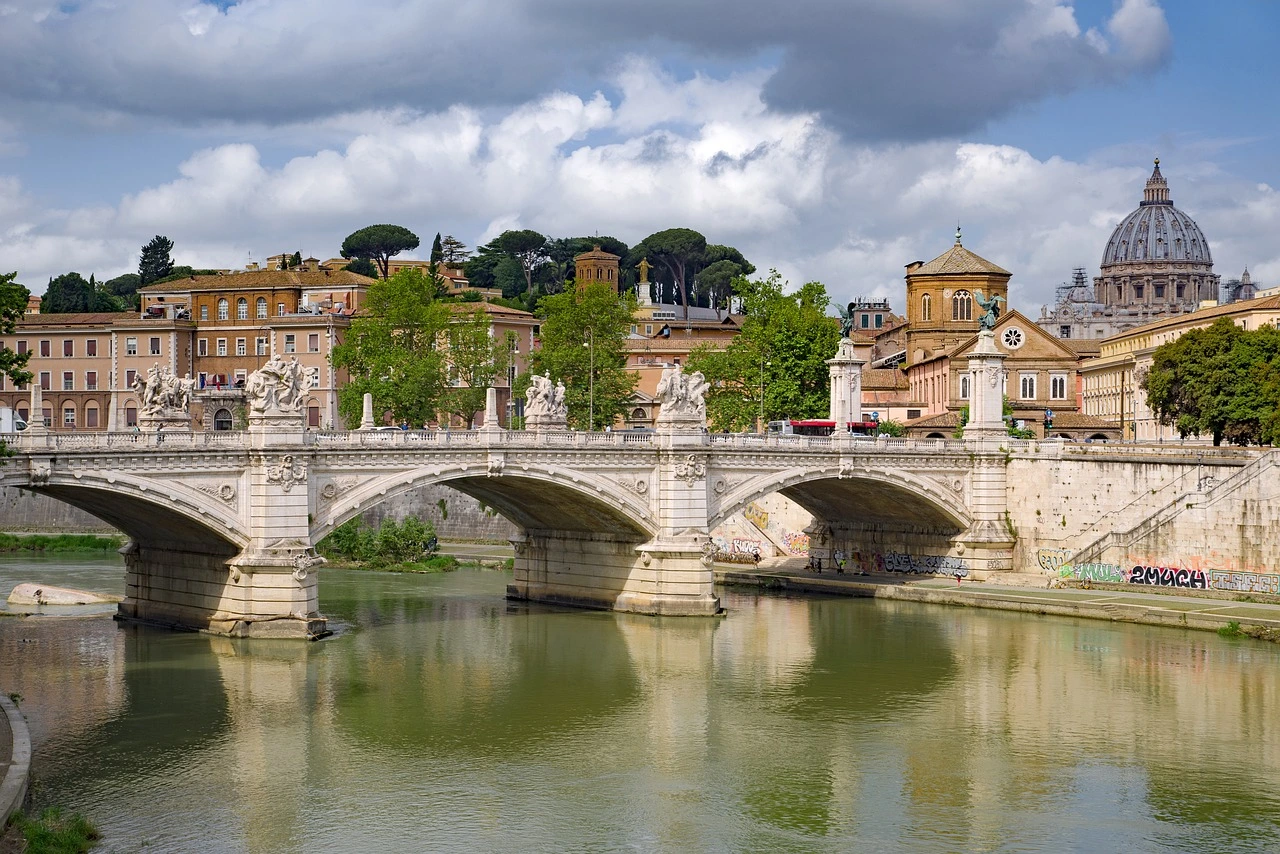
- Evening: Round off your day with a walk across Ponte Sant'Angelo, with views of the illuminated Castel Sant'Angelo.
Visiting Rome in 4 days
With four days in Rome, the city reveals its full richness — from iconic landmarks to charming neighbourhoods, along with lesser-visited treasures. This itinerary promises a complete and memorable experience, combining history, culture, and local atmosphere.
Day 1: Diving into ancient Rome
Begin your trip with the timeless symbols of ancient Rome. Discover the Colosseum, the grand theatre of the Empire, before exploring the ruins of the Roman Forum, the political and social hub of its time. Continue with a climb up Capitoline Hill, where history and architectural beauty converge. End your day with a visit to the Trevi Fountain, a place full of magic where tradition invites you to toss a coin and guarantee your return to Rome.
Day 2: Religious and artistic splendour
The day begins with an immersion into the spiritual heart of Rome: the Vatican. Explore St Peter's Basilica, the magnificent Sistine Chapel, and the Vatican Museums — true artistic treasures. After a lunch break in the tranquil neighbourhood of Borgo Pio, head towards the Baroque centre. Stroll around Piazza Navona, admire the unique architecture of the Pantheon, and finish with the sumptuous frescoes of the Church of San Luigi dei Francesi. In the evening, wander through the lanes of Campo de' Fiori, where the lively atmosphere draws you into the Roman dolce vita.
Day 3: Local atmosphere and unforgettable panoramas
Dedicate this day to authentic neighbourhoods and spectacular views. Start with a walk through Trastevere, where cobblestone streets and colourful facades transport you to another era. Stop at the Basilica of Santa Maria in Trastevere before climbing up to the Janiculum Hill for a stunning view over the city. After lunch at a local trattoria, head out to discover the Baths of Caracalla, a fascinating remnant of daily life in ancient Rome. In the evening, make your way to Ponte Sant'Angelo, beautifully lit for a magical end to the day.
Day 4: Off the beaten path
For your final day in Rome, venture out to discover lesser-known but equally fascinating places — perfect for experiencing a different, often overlooked side of the city.
Begin your morning with a visit to the EUR neighbourhood, a unique example of modernist rationalist architecture designed in the 1930s. The contrast with Rome's ancient monuments will give you a fresh perspective on the city's history. Next, make your way to the Basilica of Saint Paul Outside the Walls, one of Rome's four major basilicas. Its peaceful atmosphere and magnificence make it an essential site that many tourists tend to overlook.
For lunch, head to Testaccio, a neighbourhood celebrated for its traditional Roman cuisine. Here, local trattorias serve classic dishes such as rigatoni cacio e pepe or trippa alla romana, in a convivial and authentic setting.
In the afternoon, step back in time with a walk along the Via Appia, an ancient road lined with cypress trees, catacombs, and ancient ruins. Take time to visit one of the catacombs for a unique and captivating experience. Before the day is over, don't miss the Knights of Malta Keyhole on Aventine Hill — a small opening in the gate through which you will see a perfectly framed view of St Peter's Basilica: a magical moment you will never forget.
In the evening, head to Piazza del Popolo, a majestic square with an elegant atmosphere. Climb up to the Terrazza del Pincio, a magnificent viewpoint to watch a spectacular sunset over the Eternal City — the perfect way to close your stay in Rome.
This fourth day offers a different kind of exploration, blending lesser-known curiosities with immersive experiences, to bring your Roman adventure to a beautiful close.
What to eat in Rome?
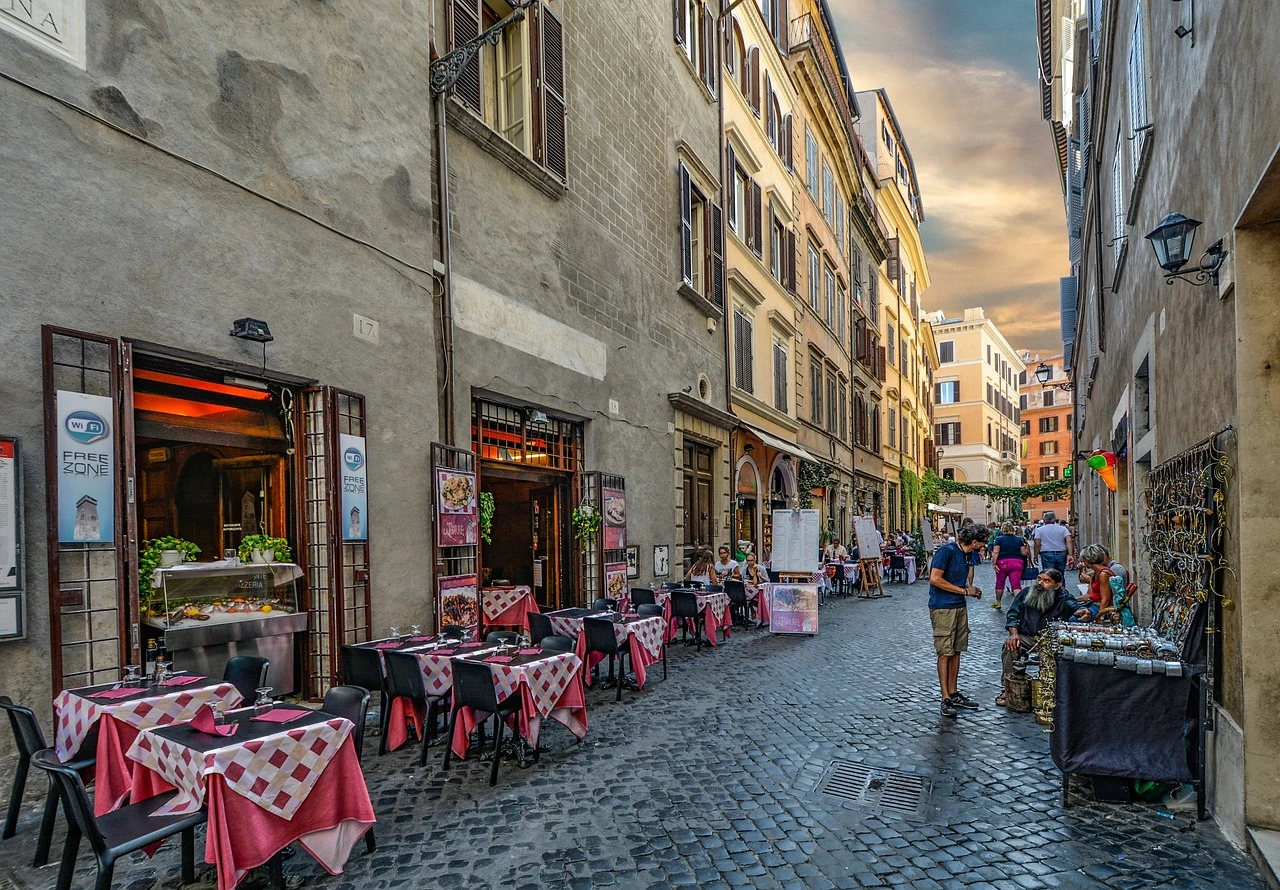
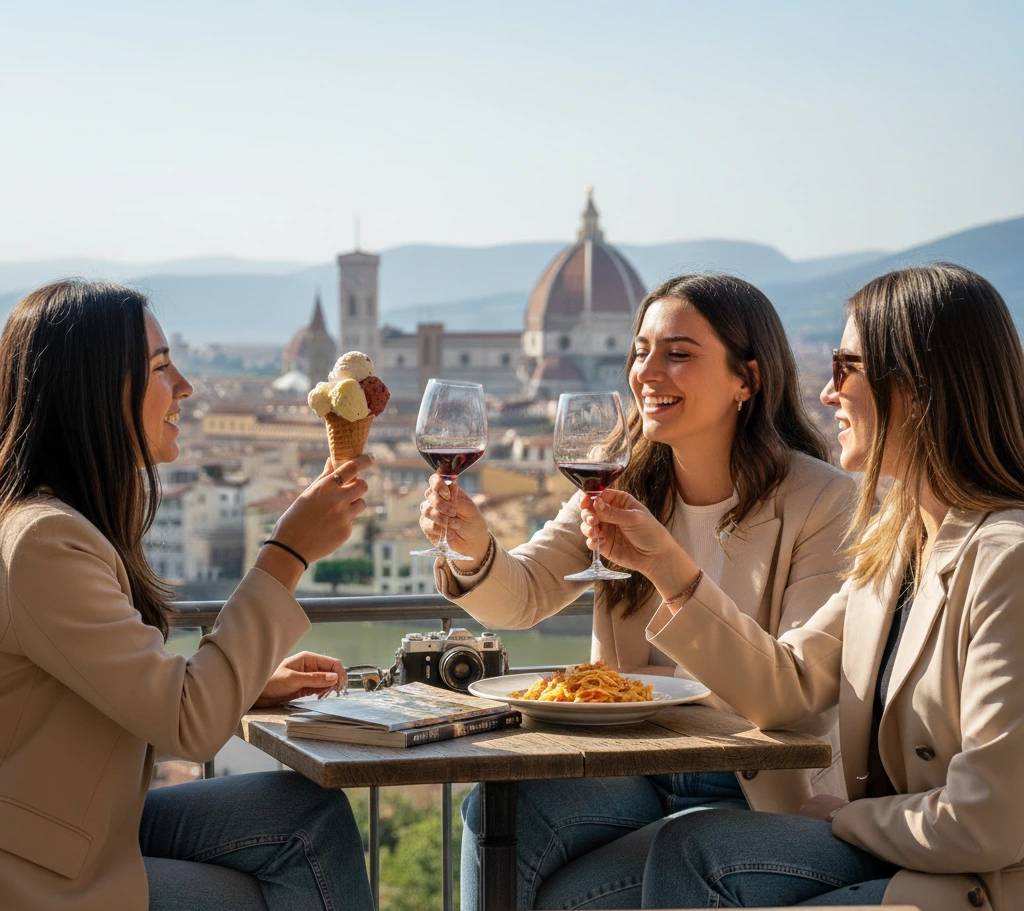
Rome is a true paradise for food lovers, where every meal is a celebration of authentic flavours and culinary heritage. The Italian capital is famous for its trattorias — traditional restaurants where you can enjoy classic dishes in a warm, convivial setting. Among the must-tries are cacio e pepe, a simple yet delicious combination of pecorino romano and black pepper; carbonara, made without cream but perfectly creamy thanks to egg yolk; and amatriciana, a rich sauce based on guanciale and tomato.
For an authentic experience, seek out historic addresses beloved by those in the know. Establishments such as Armando al Pantheon or Felice a Testaccio are institutions that honour tradition while showcasing the finest local produce. In Trastevere, trattorias like Da Enzo al 29 welcome you with straightforward, well-crafted cooking — ideal for savouring the true spirit of Roman cuisine.
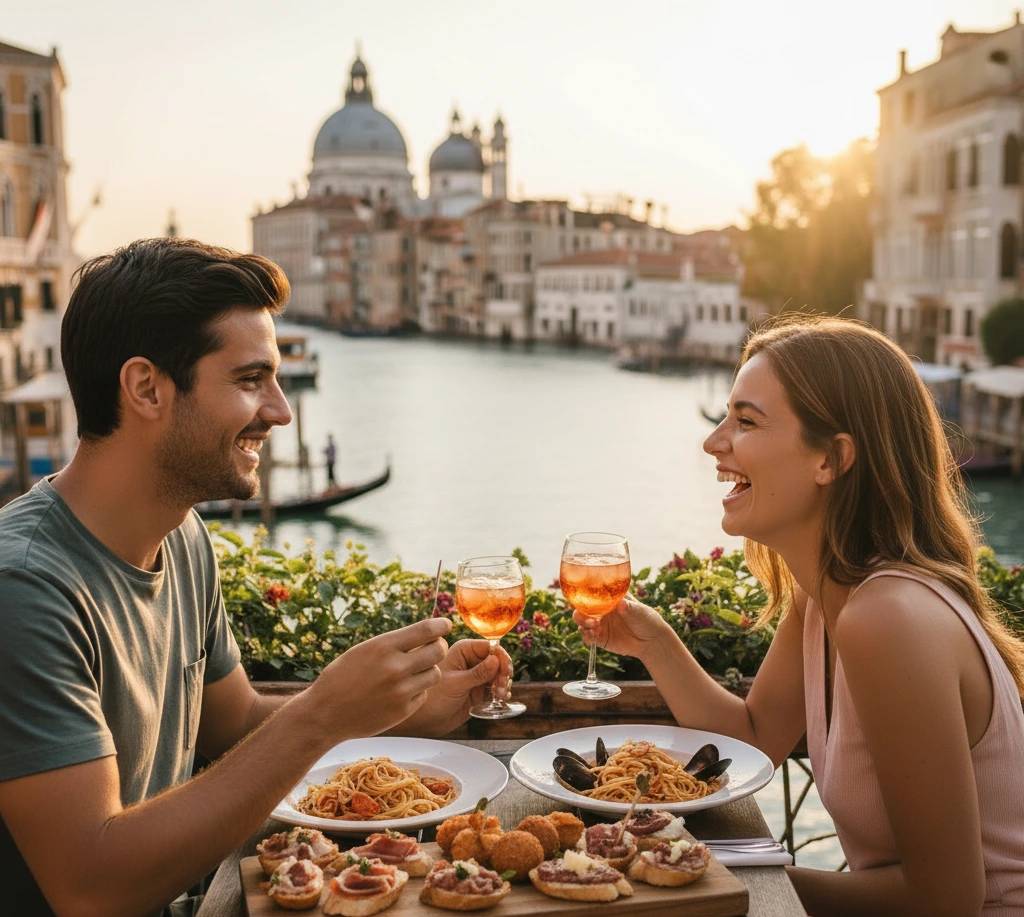
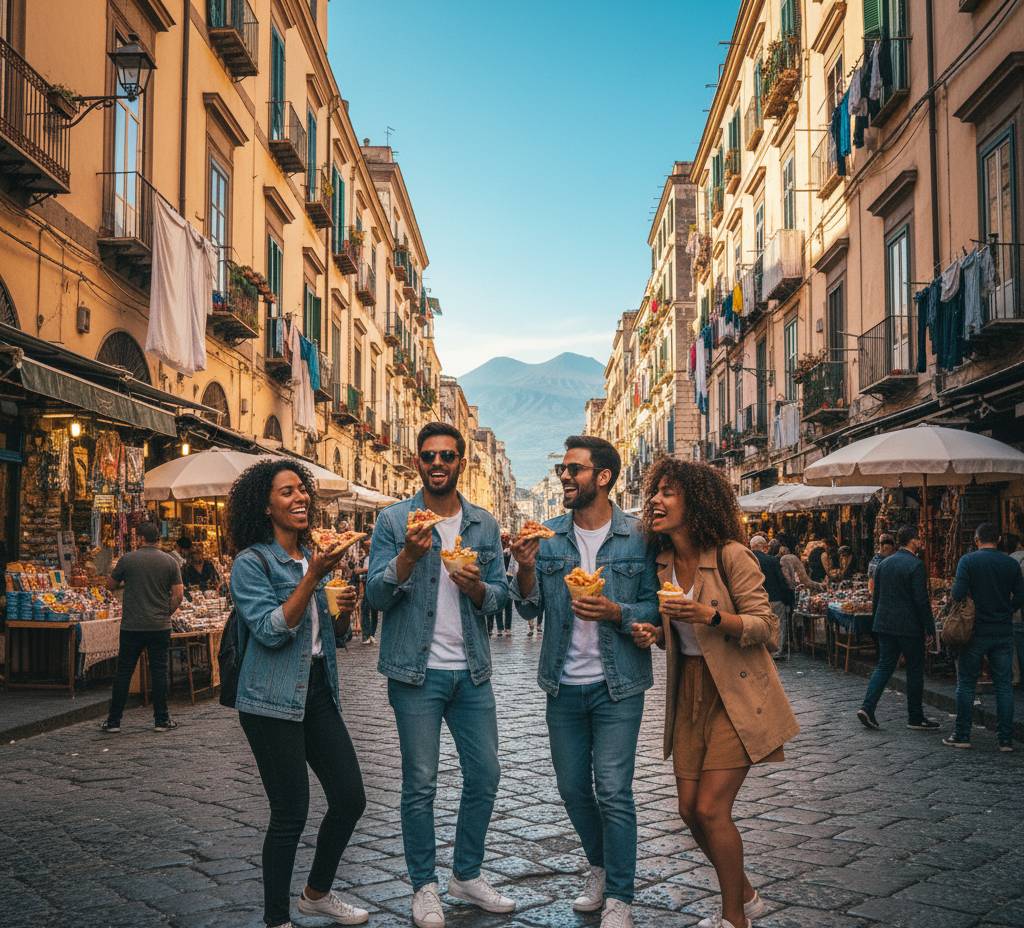
As you explore Rome, make sure to try some of the street food on offer, such as supplì — crispy fried rice balls filled with melted cheese — or pizza al taglio, sold by the slice and priced by weight. And don't forget to finish your meals with a classic tiramisù or a grattachecca, a shaved ice dessert flavoured with fruit syrups, perfect for warm sunny days.
In Rome, food is an inseparable part of the culture, and every meal is an invitation to discover the passion and know-how of its people. Buon appetito!
Where to stay in Rome?
Choosing where to stay in Rome depends on your preferences, your budget, and the kind of experience you are looking for. Each neighbourhood in the Eternal City has its own distinct atmosphere and specific advantages for a memorable stay.
The historic centre, around Piazza Navona, the Pantheon, and the Trevi Fountain, is ideal for those who want to be close to the most iconic landmarks. Staying here puts you within walking distance of the main attractions, surrounded by charming streets and a lively atmosphere — though prices tend to be higher.
If you prefer a more authentic and bohemian neighbourhood, Trastevere is an excellent choice. Its cobblestone lanes, traditional trattorias, and animated piazzas make it a perfect place to soak up the Roman atmosphere. It is a vibrant area, well-suited to couples or groups of friends.
For a quieter stay while remaining close to the main sights, the Vatican neighbourhood is a great option. Located near St Peter's Basilica and the Vatican Museums, it offers a peaceful setting with accommodation that is often more spacious.
The Termini area, surrounding Rome's main railway station, is a practical and budget-friendly choice, particularly for short stays or if you are planning day trips outside the city. However, the atmosphere here is more functional and less picturesque.
Finally, if you are looking for panoramic views and a more residential feel, the Monti neighbourhood is an excellent pick. Close to the Colosseum and full of independent boutiques, cafés, and restaurants, it strikes a balance between stylish and understated.
Every neighbourhood in Rome has its own personality and charm — choose the one that best matches your expectations to make the most of your stay in the Eternal City.
Practical tips for your stay in Rome
Planning a trip to Rome may seem straightforward, but a few practical tips can make a real difference in how much you enjoy the Eternal City. Here are some useful pieces of advice to help you get around easily and avoid common pitfalls.
Getting to Rome from the airports
Rome is served by two main airports: Fiumicino (Leonardo da Vinci) and Ciampino. To reach the city centre from Fiumicino, the Leonardo Express train is a fast and reliable option, connecting to Termini station in just 32 minutes. From Ciampino, direct bus services such as Terravision or SIT Bus reach the centre in around 40 minutes. For greater comfort, you can also book a private transfer or take an official taxi (fixed fare of €50 from Fiumicino and €31 from Ciampino).
How to use the metro in Rome
The Rome metro, although limited to three main lines (A, B and C), is an efficient way to travel between major tourist sites such as the Colosseum, the Spanish Steps, and the Vatican. Tickets cost €1.50 for 100 minutes and can be purchased at stations or at tabaccherias (tobacconists). Bear in mind that some areas, such as Trastevere or Campo de' Fiori, are not served by the metro, so you will need to take a bus or tram instead. Watch out for rush hours, as the metro can get very crowded, particularly in the late afternoon.
Renting a car in Rome
Renting a car to get around Rome itself is not recommended. Traffic is often heavy, streets are narrow, and the restricted traffic zones (ZTL) make driving within the city quite complicated for visitors. However, renting a car in Italy can be an excellent option for exploring the wonders beyond the capital.
From Rome, a car makes it easy to explore the Roman countryside, the charming villages of Lazio, or the nearby beaches of Fregene or Santa Marinella. If you are planning to visit other Italian regions, such as Tuscany or the Amalfi Coast, a car will give you the freedom to discover secluded and authentic places that are often unreachable by public transport.
For the best choice and competitive rates, it is advisable to pick up your vehicle directly at the airport. Make sure you familiarise yourself with local traffic rules, particularly those relating to ZTL zones, to avoid costly fines. With a little planning, renting a car in Italy can transform your trip into an unforgettable adventure, allowing you to fully appreciate the breadth and diversity of the Italian landscape.
FAQs
1 — What are the must-see historical sites in Rome?
The essential sites include the Colosseum, the Roman Forum, the Pantheon, the Trevi Fountain, the Spanish Steps, St Peter's Basilica, and the Vatican Museums with the Sistine Chapel. These iconic landmarks reflect the extraordinary historical and cultural richness of the Eternal City.
2 — Where can you find the best traditional Roman food?
To taste the finest Roman specialities, head to traditional trattorias such as Felice a Testaccio, Armando al Pantheon, or Da Enzo al 29 in Trastevere. You will find classic dishes like carbonara, cacio e pepe, and supplì. For a street food experience, try pizza al taglio or Roman-style artichokes in the Jewish Quarter.
3 — What are the best neighbourhoods for shopping in Rome?
For shopping, explore Via del Corso for high-street brands, Via Condotti for luxury boutiques, and the back streets of Monti for independent designers and one-of-a-kind finds. Campo de' Fiori also hosts a lively market offering souvenirs and local produce.
4 — How do you get around Rome to visit the main attractions?
The metro (lines A, B and C) is ideal for reaching key sites such as the Colosseum, the Vatican, and the Spanish Steps. Buses and trams complement the network and provide access to areas not covered by the metro, such as Trastevere. For short distances, walking is the best way to explore Rome at your own pace and discover its charming side streets. Taxis and ride-hailing apps are also available for added comfort.