Living in Piedmont: Italian authenticity, nature, and quality of life
Living in Piedmont means choosing a region that seamlessly blends nature, culture, and gastronomy — ideal for expats seeking a high quality of life.

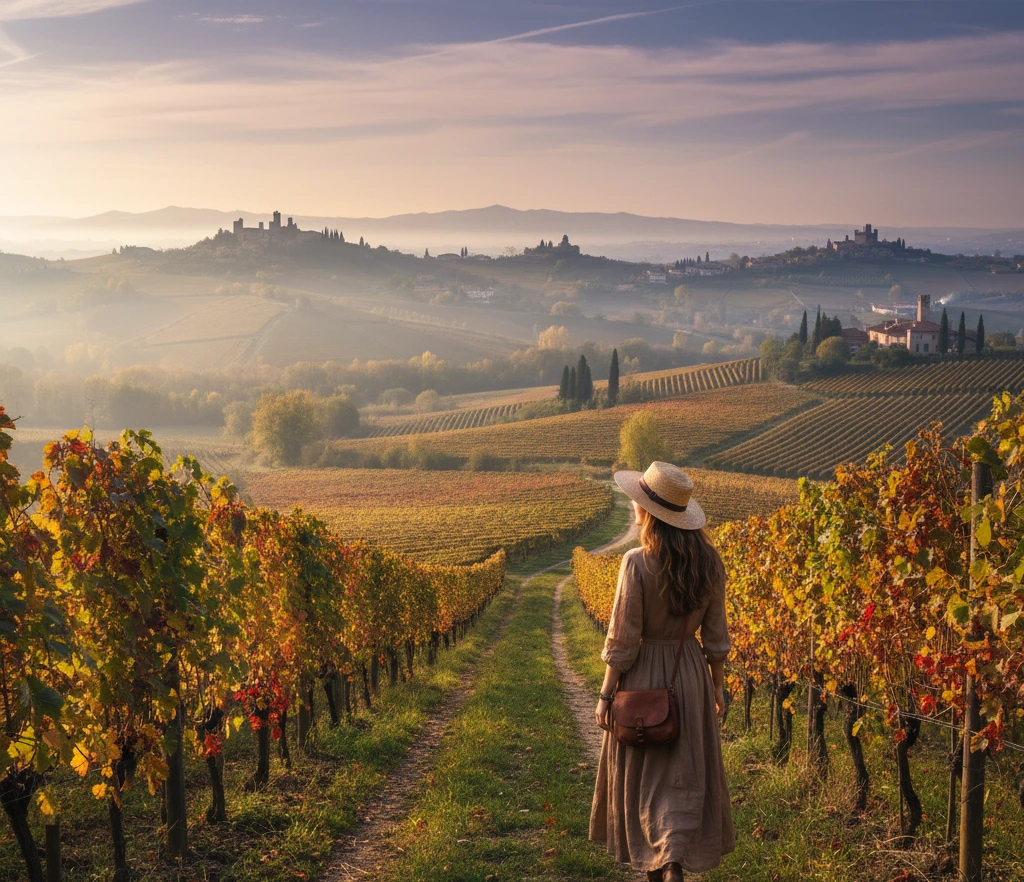
Living in Piedmont means choosing a region that is authentic, elegant, and full of contrasts. From the majestic Alpine peaks and the wine-covered hills of the Langhe, to the peaceful shores of Lake Maggiore and refined cities like Turin and Asti, Piedmont is attracting a growing number of foreigners looking for a balanced way of life — one that blends nature, culture, and outstanding gastronomy.
In this article, we explore why so many people choose to relocate to Piedmont, which areas are most appealing for settling down, how to rent or buy a home, find work, and assess the cost of living. We also cover the administrative steps involved, as well as the quality of healthcare and public services — all of which make Piedmont a welcoming and genuinely enjoyable region to call home.
Aller en Italie
Relocation experts · since 2020
4.9
How many steps separate you from Italy?
A tailored offer based on your needs — in 3 min, no commitment
Tell us about your project
Profile, area, buying or renting
We select your services
From 50+ services in English
Receive your quote
Clear, detailed, personalized
*Indicative and customizable quote, no contractual commitment.
Free · 3 min · in English · no commitment
Create my offerWhy choose to live in Piedmont

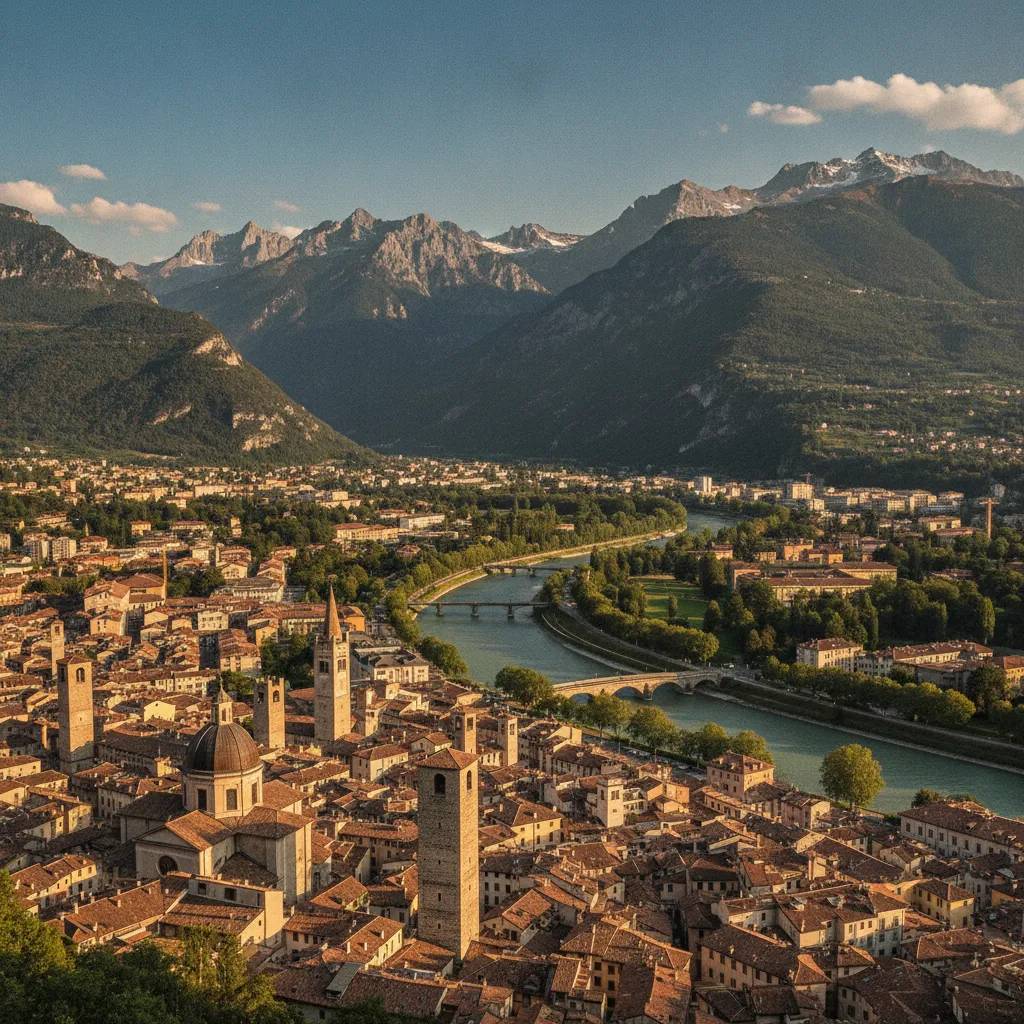
Living in Piedmont means choosing an elegant and authentic region at the crossroads of Italian tradition and high quality of life. Located in north-west Italy, Piedmont stands out for its balance of unspoiled nature, gastronomic excellence, and economic vitality. With Turin as its regional capital — a recognised industrial and cultural hub — Piedmont attracts both expats seeking professional opportunities and families looking to settle in a peaceful, history-rich environment.
Piedmont is home to numerous Italian and international companies, particularly in the automotive, food and beverage, design, healthcare, and technology research sectors. But living in Piedmont is about more than work: it is also about enjoying a gentler pace of life between mountains and hills, from Alpine panoramas to the UNESCO-listed vineyards of Barolo and Barbaresco, not forgetting Lakes Orta and Maggiore. Its strategic position — bordering France, Switzerland, and Lombardy — makes it an ideal region for settling in Italy while staying well connected to the rest of Europe.
THEY TALK ABOUT US
Maisons & Jardins · Le Figaro · Challenges
« Founded on solid field experience and an in-depth knowledge of Italian procedures. »
Jessica Colpin, co-founder — Maisons & Jardins France, Jan.–Feb. 2026
Where to settle in Piedmont
Settling in Piedmont means choosing between several distinct facets of the same region — all sharing an elegant, flavour-rich, and authentic Italian character. The right location will depend on the pace of life you are looking for.
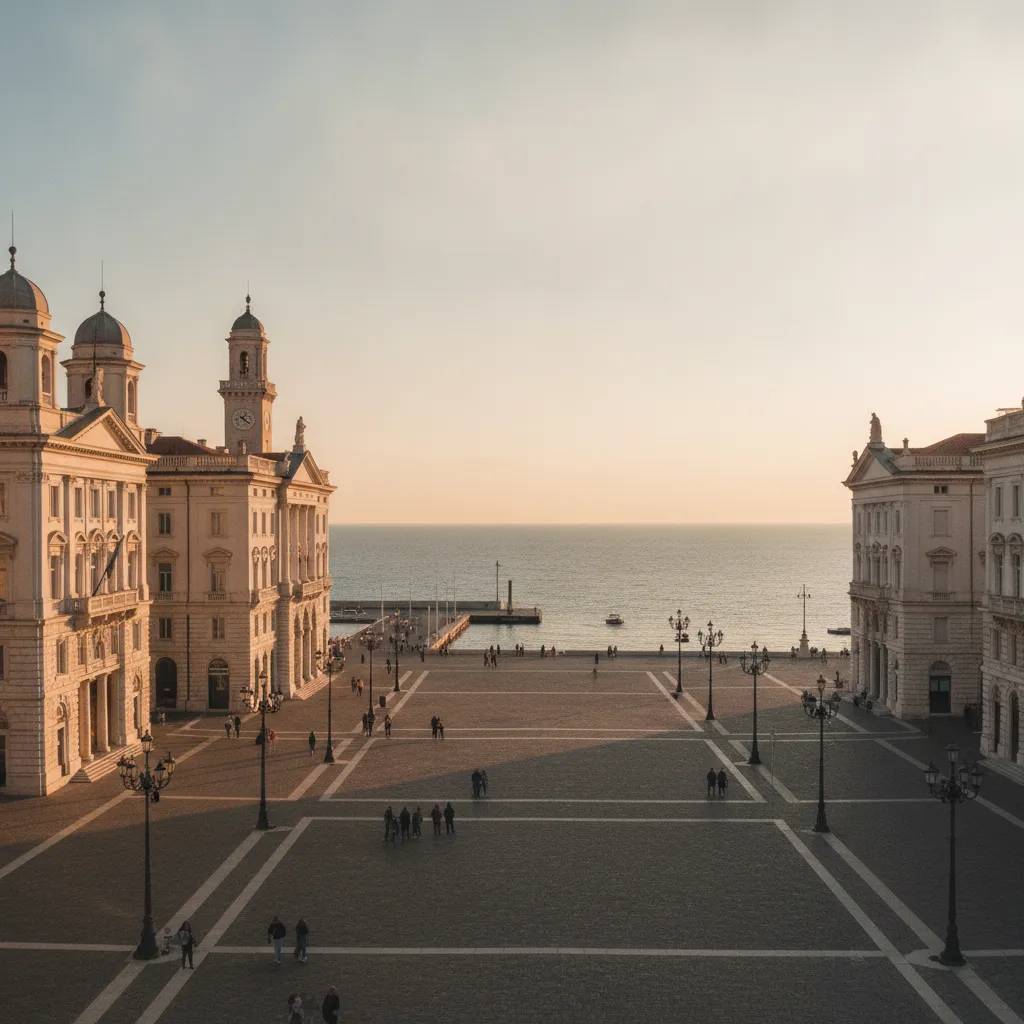
Turin draws people in with its refinement, vibrant cultural scene, and cosmopolitan atmosphere, while remaining calmer and more affordable than Milan. A city of art and history, it combines Baroque architecture, grand cafés, world-class museums, and leafy parks — an ideal setting for families or working professionals seeking a healthy work-life balance.
In the wine-covered hills of the Langhe and Monferrato, listed as UNESCO World Heritage Sites, life moves at a slower pace. These rural areas attract those who dream of a home surrounded by vineyards, where fine food and exceptional wine are simply part of everyday life.
Further north, the shores of Lake Maggiore and Lake Orta offer an exceptional living environment — a blend of mountains and water that is perfectly suited to remote working or retirement. Meanwhile, cities such as Novara, Biella, and Cuneo are valued for their quality of life, local traditions, and close proximity to both France and Switzerland — a major advantage for cross-border expats.
Aller en Italie
French expatriation expert · since 2020
4.9
71 verified reviews
1,500+ expats supported
50+ services with French-speaking professionals
20 regions covered
Local consultants on the ground in Italy
Free appointment · 15 min · in French · no commitment
Book an appointmentEssential administrative steps for living in Piedmont

Settling in Piedmont requires some preparation to avoid administrative surprises. As soon as your plans take shape, start by applying for your codice fiscale, the Italian tax identification number. This personal number is essential for any official procedure: signing a lease, setting up a utility contract, buying a property, or accepting a job offer. You can obtain it free of charge from the Agenzia delle Entrate in Italy or from the Italian consulate in your home country.
Once you are settled on a long-term basis, you will need to register your official residence in your new municipality. This registration, carried out at the local town hall (comune), formally establishes your presence in Italy and unlocks access to a wide range of services: healthcare, vehicle registration, local taxation, and school enrolment for children.
Each municipality in Piedmont follows its own procedures and timelines, so it is important to check locally — especially in smaller towns or rural areas where processes may be more manual.
You should also remember to open an Italian bank account, register for waste collection, and check the rules for residential parking. These practical details will make your day-to-day life much smoother from the start.
If you are not yet confident in Italian or would prefer to have support throughout the process, working with a specialist expat assistance team can save you considerable time and ensure a stress-free relocation to Piedmont.
Renting accommodation in Piedmont
Renting in Piedmont offers an excellent balance between quality of life and housing costs. The region is well known for being more affordable than Italy's major metropolitan areas, while offering a wide variety of living environments — urban, rural, or mountain.
Turin, the regional capital, remains the most sought-after city. Rents are reasonable by European standards: expect to pay on average €800 to €1,200 per month for a one-bedroom flat in the city centre, and €600 to €800 in residential neighbourhoods such as Santa Rita, Parella, or Mirafiori. The city is appealing for its cultural atmosphere, proximity to the Alps, and excellent public transport network.
For those seeking a quieter environment, cities like Asti, Alessandria, and Cuneo offer significantly lower rents, often between €400 and €700 per month, while still providing a solid level of services. Nature lovers tend to favour the Langhe, the Monferrato, or the areas around Lake Orta for their peace and outstanding scenery.
In Italy, most rental agreements follow the "4+4" model — a four-year contract that automatically renews for a further four years unless either party gives notice. The standard notice period is six months, unless otherwise agreed between the parties. For short-term stays — particularly suited to expats or students — the contratto transitorio (1 to 18 months) is the most appropriate option.
At the time of signing, landlords typically ask for a security deposit equivalent to two or three months' rent, which is returned at the end of the tenancy provided the property is handed back in good condition. Estate agencies may also charge a fee of around one month's rent for setting up the contract and handling the paperwork.
Buying a property in Piedmont
Buying a property in Piedmont means investing in a region that combines authenticity, heritage, and a high quality of life. Between mountains, lakes, and wine-covered hills, Piedmont offers a property market that remains more affordable than other regions of northern Italy, while delivering excellent living standards and strong investment potential.
Prices vary considerably depending on the area. In Turin, properties in the historic centre are priced between €2,500 and €4,000 per m², while residential neighbourhoods and the city outskirts offer properties around €1,500 to €2,500 per m². In the Langhe and Monferrato — famous for their UNESCO-listed landscapes — it is still possible to acquire charming rural homes or traditional farmhouses (cascine) in need of renovation from as little as €1,000 per m², or even less in some rural areas.
The shores of Lake Maggiore and Lake Orta attract an international clientele looking for secondary residences, with prices for lake-view villas or apartments reaching €4,000 to €6,000 per m².
The Piedmontese property market appeals to both foreign buyers and Italians seeking a quieter lifestyle, notably due to its proximity to France and Switzerland, its efficient rail and motorway connections, and the quality of its public services. Properties here tend to hold their value well, and renovation opportunities are plentiful — particularly in the wine-growing hills and mountain areas.
Before buying, it is essential to verify the planning and cadastral compliance of the property, as some older buildings may have undeclared irregularities. Engaging a bilingual lawyer or surveyor helps secure the transaction, clarify the tax implications, and ensure a smooth and worry-free purchase.
Working in Piedmont

Working in Piedmont is a compelling opportunity for anyone looking to build a career in a region that is dynamic, innovative, and well connected to the rest of Europe. Historically industrial, Piedmont has successfully reinvented itself by combining manufacturing heritage, technological excellence, and artisanal know-how.
The region is particularly known for its key sectors:
-
Automotive and precision engineering, with Turin as the birthplace of the Stellantis group (formerly Fiat), alongside a recognised ecosystem of suppliers, engineering firms, and automotive design studios operating across Europe.
-
Food, beverage, and wine production, cornerstones of the Piedmontese economy: chocolate makers, prestigious wine producers (Barolo, Barbaresco, Asti), Alba white truffle, regional cheeses, and a thriving gastronomic export industry.
-
Aerospace, logistics, and research, supported by leading university centres in Turin and Novara.
-
Tourism, a rapidly growing sector across the Langhe, the Alpine valleys, and the northern lakes, offering numerous seasonal opportunities in hospitality, catering, and visitor services.
In terms of pay, the average salary in Piedmont is slightly below that of Lombardy, but the cost of living is also lower. An employee earns on average €1,500 to €1,800 net per month, while technical and specialist profiles (engineers, researchers, managers) can earn between €2,200 and €3,000 net. In tourism, crafts, or agriculture, starting salaries are around €1,200, with strong growth prospects for qualified candidates.
To find work in Piedmont, it is recommended to consult Italian job platforms such as Indeed Italia. Having a LinkedIn profile in Italian is a genuine advantage, as is a working knowledge of the language. That said, many internationally oriented companies also recruit bilingual candidates, particularly in trade, logistics, and export management.
Cost of living in Piedmont
The cost of living in Piedmont remains one of the most reasonable in northern Italy. This is one of the key reasons so many expats choose the region: you benefit from a pleasant lifestyle, a high standard of services, and prices that are significantly lower than in Lombardy or Veneto.
In Turin, the average monthly budget for a single person ranges between €1,400 and €1,700, including rent. Rents are noticeably more affordable than in Italy's major cities: a one-bedroom flat in the city centre costs between €800 and €1,100, while in the outskirts or residential neighbourhoods prices tend to fall between €550 and €800. In mid-sized cities such as Asti, Cuneo, or Novara, daily life is even more accessible, with an overall monthly budget often below €1,300.
Day-to-day expenses such as transport and food remain moderate. Bus and metro passes are among the most affordable in Italy, and food offers excellent value for money — particularly thanks to the richness of local markets and regional produce. Piedmont is indeed a region where food lovers thrive: short supply chains and protected designations of origin are the norm here.
Leisure and culture are equally accessible. Whether you are visiting a museum, attending a concert, joining a wine tasting, or spending a day hiking in the hills or mountains, costs remain manageable and the quality of infrastructure is high.
Healthcare and public services in Piedmont
Piedmont is widely recognised for the quality of its healthcare system and public infrastructure, combining medical excellence, accessibility, and proximity. The region has a dense and well-distributed hospital network, meaning the vast majority of residents can access quality care without travelling long distances.
In Turin, several institutions stand out for their expertise and advanced facilities. The Ospedale Molinette, part of the Città della Salute e della Scienza complex, is one of the largest hospital centres in Italy and a national reference for surgery, cardiology, and medical research. The Ospedale Regina Margherita specialises in paediatrics, while the Ospedale Mauriziano is well regarded for its emergency services and internal medicine.
In the other provinces, healthcare coverage remains excellent. In Novara, the Maggiore della Carità is a recognised teaching hospital, as is the hospital in Cuneo, which offers strong orthopaedics and rehabilitation services. The regional medical network is underpinned by reputable universities — particularly the University of Turin — which trains large numbers of healthcare professionals each year.
In terms of transport, the region benefits from efficient and well-maintained infrastructure. Rail and motorway links make it easy to reach major urban centres, while the airports of Turin-Caselle, Cuneo-Levaldigi, and Milan-Malpensa provide fast connections to France and the rest of Europe.
Foreign expats in Piedmont

In 2025, Piedmont ranks among the most popular Italian regions for foreigners looking to relocate to Italy. According to the latest data from Tuttitalia, approximately 4,000 French nationals are registered in the region — a figure that has been steadily rising in recent years. This presence is driven by the region's direct proximity to the French border, its quality of life, and the diversity of professional opportunities available across sectors such as industry, tourism, and agri-food. More broadly, Piedmont is increasingly attracting expats from across Europe and beyond.
The majority of foreign residents in Piedmont are based in Turin and its metropolitan area, where they enjoy a pleasant living environment, a rich cultural offer, and modern infrastructure. Others prefer to settle in the Langhe, the Monferrato, or the border areas around Cuneo, drawn by the tranquillity, the natural surroundings, and the easy access to neighbouring countries. This geographical spread reflects the diversity of expat profiles: young professionals, entrepreneurs, retirees, and families in search of a more serene way of life.
The international community is increasingly visible in local life. In Turin, several international schools offer bilingual education, and Franco-Italian associations regularly organise cultural events, networking evenings, and language exchange activities. These initiatives help strengthen ties between communities and make Piedmont an increasingly welcoming destination for expats from around the world.
Relocating to Piedmont means choosing an Italian region that is human in scale, internationally open, yet deeply rooted in its own traditions. With the right preparation and the right support, building a fulfilling new life here — balancing quality of life, authenticity, and professional opportunity — is entirely within reach.
FAQs
1- Do I need to speak Italian to live in Piedmont?
Knowing Italian makes integration significantly easier, especially for administrative procedures and everyday life. That said, in larger cities like Turin, many people speak English, and the region's cultural and geographical closeness to France means French is also understood in some contexts. Gradually learning Italian remains a real asset for integrating fully into local life.
2- What is the cost of living in Piedmont?
The cost of living in Piedmont is lower than in Lombardy and remains well balanced overall. Turin offers a good ratio of salaries, rents, and service quality, while cities like Asti, Novara, or Cuneo are even more affordable. In general, monthly expenses are 10 to 15% below the northern Italian average.
3- How do I find accommodation in Piedmont?
Your search can start on Italian property websites such as Immobiliare.it, Idealista, or Casa.it. The market is varied: you will find everything from renovated city-centre flats to rural countryside homes. To avoid potential pitfalls, it is advisable to work with a bilingual professional or a local expert who is familiar with Italian rental and purchasing procedures.
4- What are the main advantages of Piedmont for expats?
Piedmont combines proximity to France and Switzerland with rich cultural heritage and an excellent quality of life. The region appeals through its diverse landscapes — mountains, lakes, and wine-covered hills — and its economic dynamism across industry, research, and agri-food. The healthcare system is well regarded, and everyday life is more relaxed than in Milan, making it an ideal destination for those looking to settle long-term in Italy.