Buy a Cheap House in Italy
Buying a cheap house in Italy is within reach, thanks to a range of opportunities: €1 homes, property auctions, and lesser-known regions in the south.

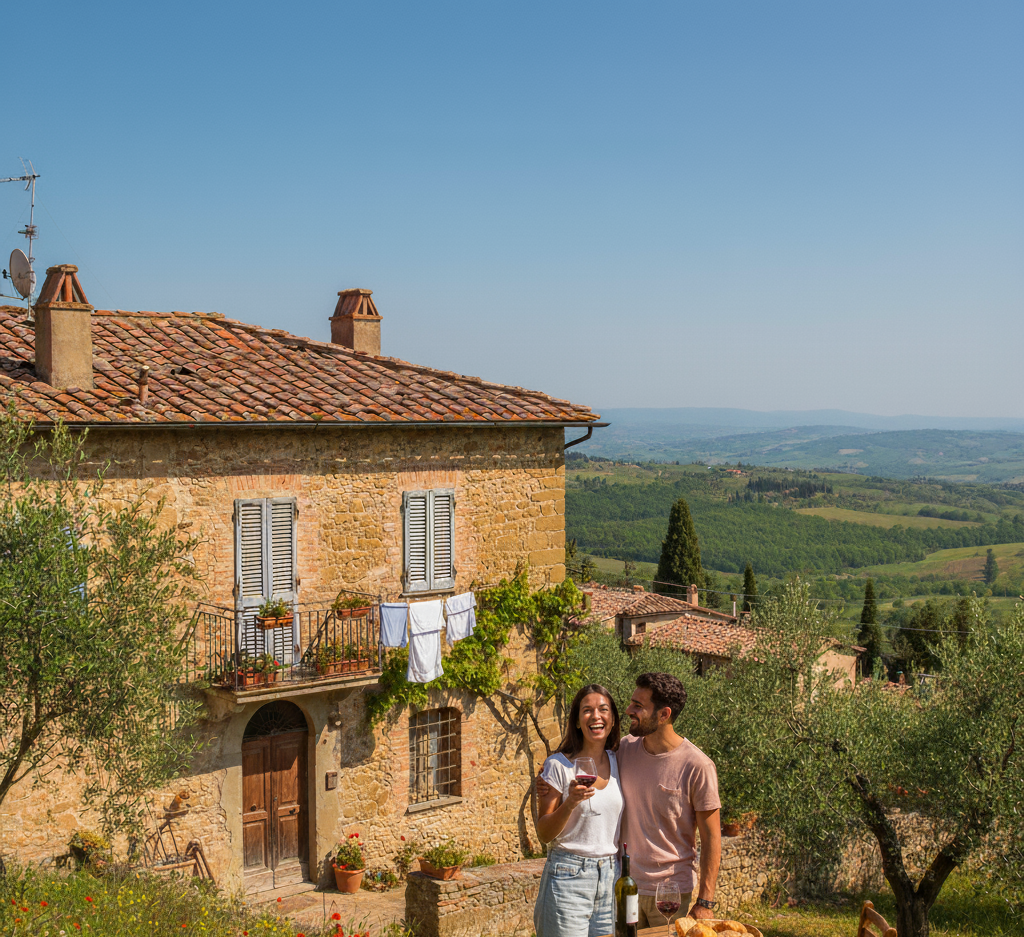
Buying a house in Italy is a dream that more and more people around the world share. With its relaxed pace of life, outstanding cuisine, breathtaking landscapes, and rich cultural heritage, Italy draws those looking for a change of rhythm — or simply to turn a heartfelt dream into reality.
The good news is that it is still possible to buy a cheap house in Italy. In certain regions, prices remain surprisingly affordable: 1-euro homes in villages waiting to be revitalised, property auctions offering houses well below market value, and southern villages where life is peaceful and the price per square metre is genuinely accessible.
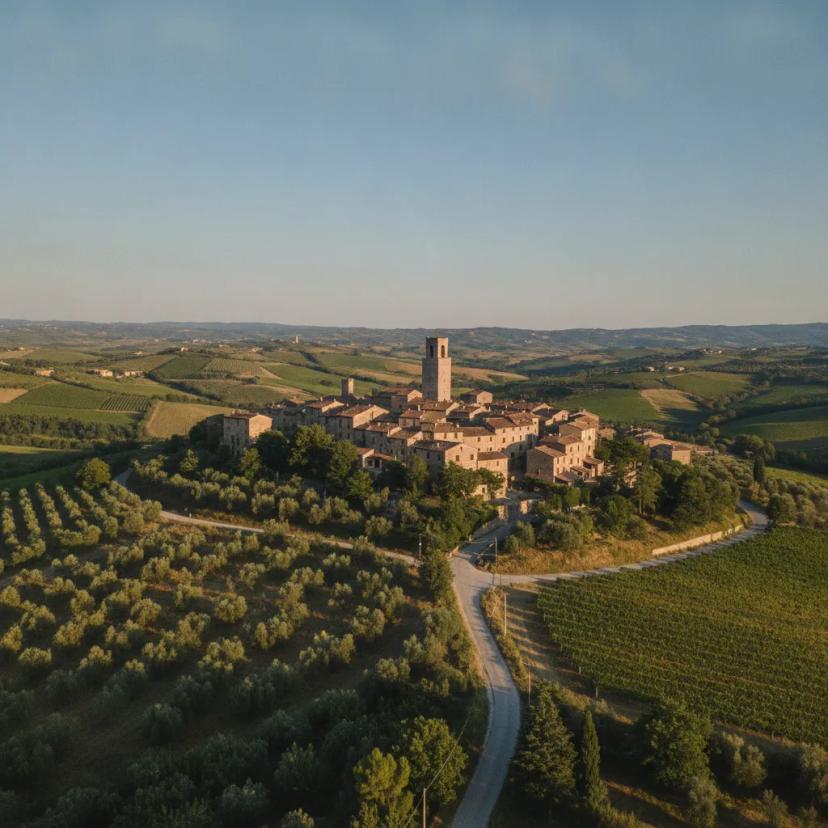
Venturing away from the major cities often uncovers real hidden gems: stone houses to renovate, small apartments in historic town centres, or large farmhouses to convert into a B&B. Italy is full of lesser-known regions that offer an exceptional quality of life for a reasonable budget.
In this article, we walk you through the different ways to buy a cheap house in Italy, the advantages, and the key precautions to take before you get started. With the right information and the right support, your Italian dream can absolutely become a reality.
Aller en Italie
Relocation experts · since 2020
4.9
How many steps separate you from Italy?
A tailored offer based on your needs — in 3 min, no commitment
Tell us about your project
Profile, area, buying or renting
We select your services
From 50+ services in English
Receive your quote
Clear, detailed, personalized
*Indicative and customizable quote, no contractual commitment.
Free · 3 min · in English · no commitment
Create my offer1-euro homes in Italy
Among the various ways to buy a cheap house in Italy, one of the most surprising — and certainly the most talked about — is the 1-euro house scheme. This initiative, which started around fifteen years ago in certain Sicilian villages such as Gangi, has since been adopted by more than forty Italian municipalities looking to breathe new life into their abandoned historic centres.
The concept is straightforward: offer houses at a symbolic price to encourage new residents to settle in and restore these historically significant buildings. But beyond the headline-grabbing price tag, it is above all a commitment to reviving a piece of heritage.
Because while the house itself costs 1 euro, you will need to budget for administrative fees, notary costs, and — most importantly — renovation works, which are often substantial. On average, expect to spend between €50,000 and €150,000 to properly renovate a property of around 100 square metres.
For those dreaming of a life project, a career change, or a long-term investment, this path can be deeply rewarding. It allows you to build genuine ties with the local community, take part in the revival of a village, and put down roots in a more authentic side of Italy, far from the well-worn tourist trails.
But it is also a choice that requires careful thought, patience, and guidance. You need to understand the conditions set by the municipality (renovation plan, deadlines, security deposit), familiarise yourself with the Italian legal framework, and make sure the project genuinely fits your personal situation.
THEY TALK ABOUT US
Maisons & Jardins · Le Figaro · Challenges
« Built on solid hands-on experience and an in-depth knowledge of Italian procedures. »
Jessica Colpin, co-founder — Maisons & Jardins France, Jan.–Feb. 2026
Buying a house at auction in Italy
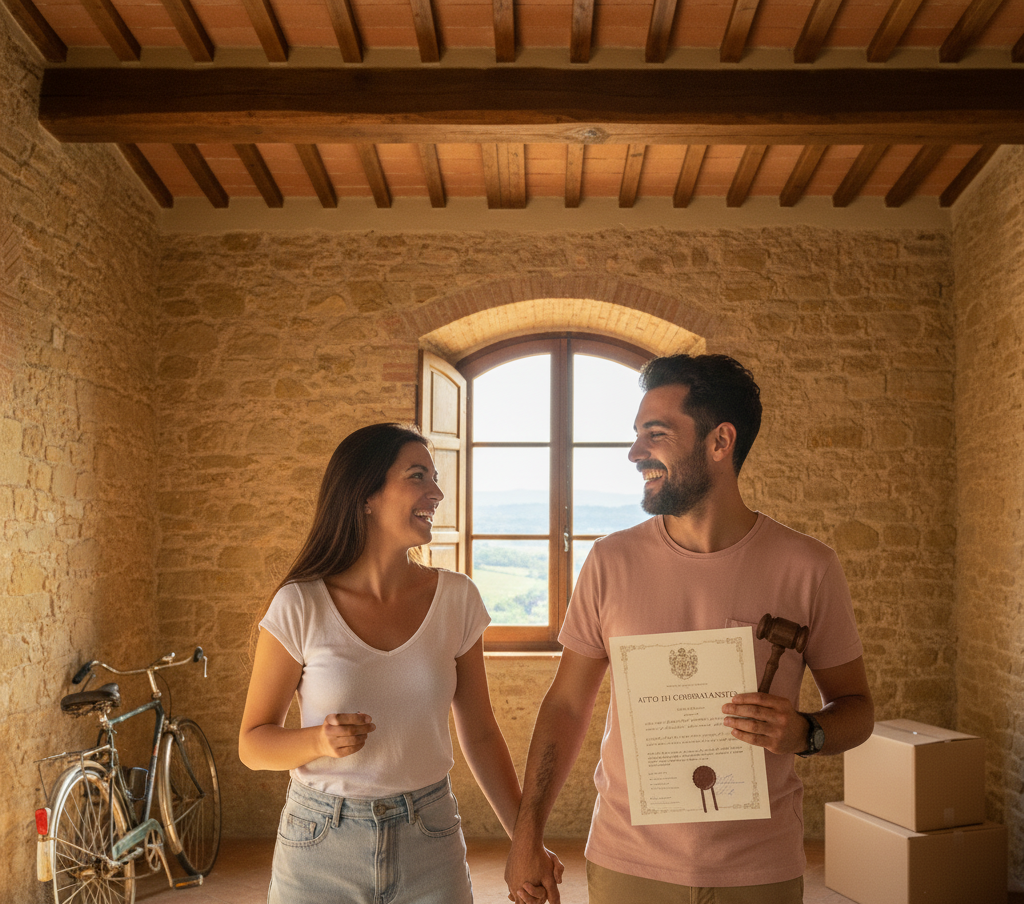
Another way to buy a cheap house in Italy is to explore property auctions. This is an often-overlooked opportunity, yet it is a very interesting one for anyone looking for a property to renovate or a more concrete project than the 1-euro house scheme.
These auctions typically involve properties repossessed by banks or released through inheritance proceedings. They offer the chance to acquire a house or apartment well below market price, sometimes with discounts of 30% to 60%. Contrary to common assumptions, these are not always rundown properties: some are already habitable, while others simply need minor work to meet current standards.
This type of purchase does require a degree of preparation and care. You need to know how to read the sale documents (expert report, property condition, charges, cadastral compliance) and understand the procedure involved. The whole process is regulated, often conducted online, under the supervision of a court. For a foreign buyer, the ideal approach is to work with a lawyer or consultant who speaks your language, able to verify the technical and legal details before you submit a bid.
The experience can be incredibly rewarding: you discover unexpected properties in sometimes stunning locations, and you play a part in giving new life to existing heritage. Property auctions are, above all, a smart way to invest, combining a controlled budget, a renovation project, and a true love for Italy.
Aller en Italie
French expatriation expert · since 2020
4.9
71 verified reviews
1,500+ expats supported
50+ services with French-speaking professionals
20 regions covered
Local consultants based in Italy
Free appointment · 15 min · in French · no commitment
Book an appointmentBuying property in southern Italy
Southern Italy remains an ideal destination for those who want to buy a home at an affordable price without giving up charm, light, or the sea. Regions such as Calabria, Basilicata, Molise, Puglia, and Sicily still offer rare opportunities, with prices ranging from €500 to €1,200 per m², and sometimes even less in rural areas or inland villages.
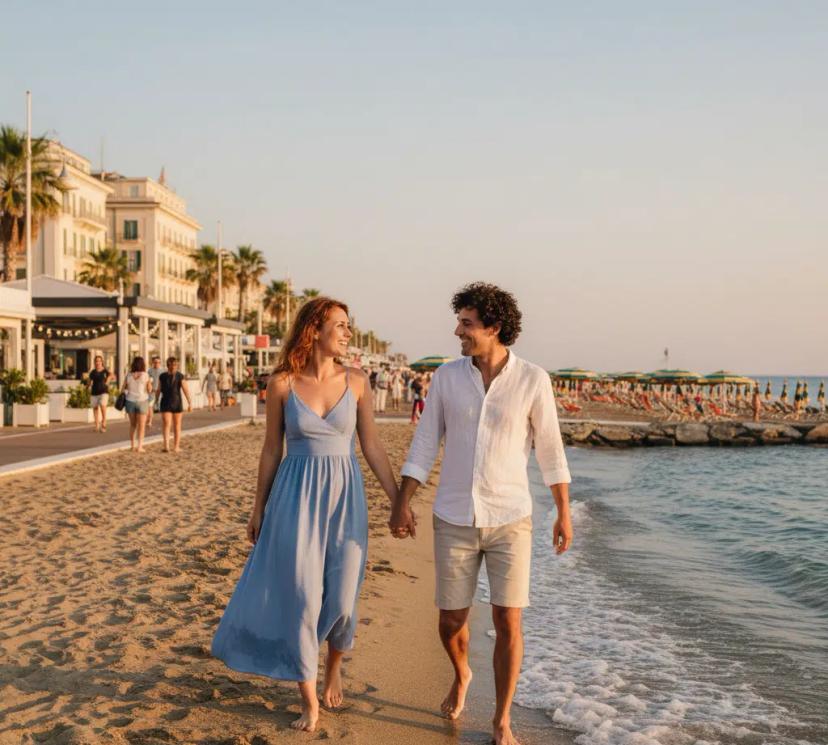
Here, it is still possible to buy a home by the sea without spending a fortune: a small fisherman's cottage, a villa to renovate with views over the Mediterranean, or an apartment just a few minutes from the beach. These regions attract foreigners in search of sunshine, authenticity, and tranquillity, far from mass tourism and the relentless pace of major cities.
Living or investing in the south also means enjoying a lower cost of living, a mild climate year-round, and a warm local welcome. Some municipalities even offer tax incentives or financial bonuses for new residents, particularly retirees, remote workers, or those wishing to open a B&B.
Beyond the major cities: authentic Italy at affordable prices
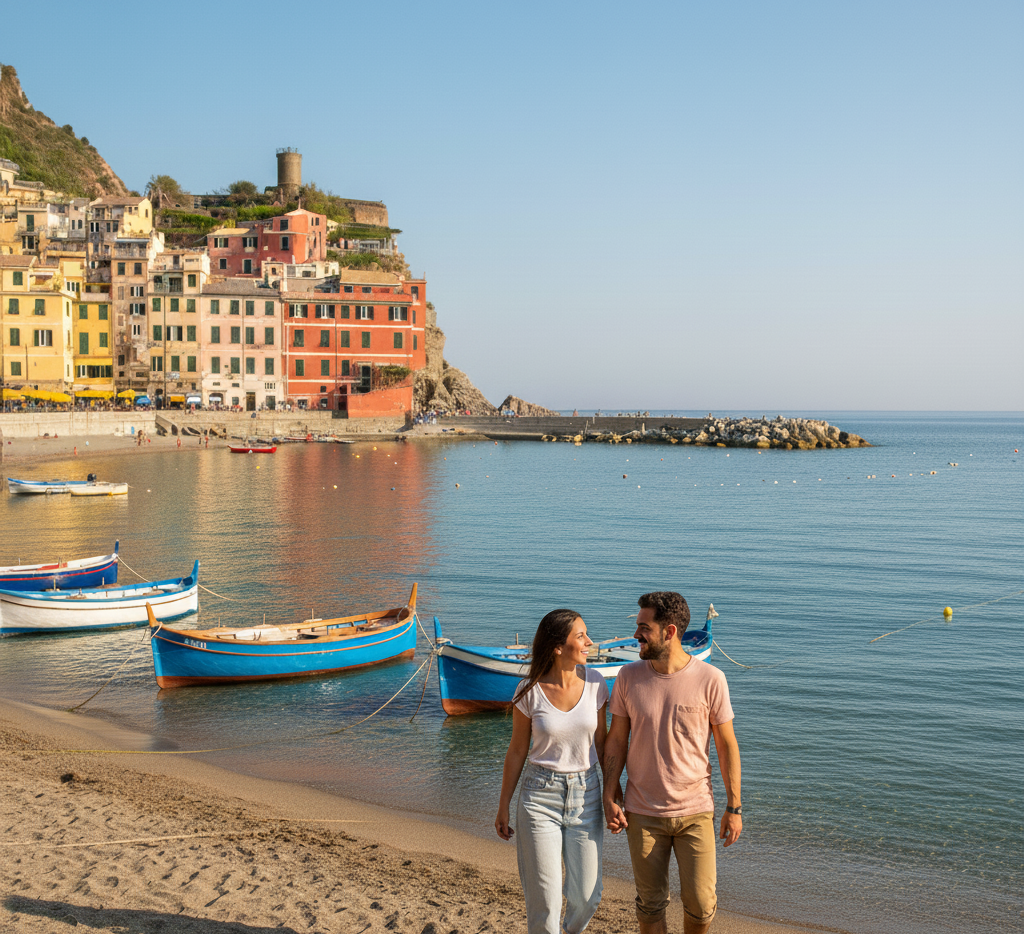
Stepping off the beaten path — away from major urban centres and heavily visited regions — is often the best way to buy a cheap house in Italy. Moving just a few dozen kilometres away from Rome, Florence, Milan, or Naples reveals a completely different side of the country: quieter, more affordable, and often far more authentic.
In these rural areas and low-mountain zones, property prices can be two or even three times lower, while still remaining close to major transport links and essential services.
Regions such as Umbria, Le Marche, or parts of Piedmont perfectly embody this balance between nature, heritage, and affordability. You will find well-maintained houses, lively villages, and landscapes that seem frozen in time — an ideal setting for a holiday home or a new chapter in life.
And if you want to venture even further into authentic Italy, there are true hidden treasures waiting: Molise, Abruzzo, Basilicata, and Friuli-Venezia Giulia. These quiet, often overlooked regions offer properties starting from €30,000 to €50,000, sometimes with a garden, terrace, or views over the Adriatic Sea. Their appeal lies in a simple, human-scale daily life, outstanding local food, and a cost of living well below the national average.
Choosing these territories means choosing peace of mind, space, and genuine human connection. It means rediscovering Italy as it is actually lived every day — sincere, warm, and deeply rooted in its traditions. By stepping away from saturated tourist areas, you gain far more than a property: a way of life, shaped by light, reclaimed time, and authentic relationships.
How to buy a cheap house in Italy
Buying a cheap house in Italy requires above all thorough preparation and a clear understanding of the local market. Opportunities exist, but they vary considerably from one region to another — between the more structured north, the still-affordable centre, and the south where prices can be remarkably low. It is therefore essential to compare different areas, assess the total cost (purchase price, renovation, taxes, notary fees), and understand the administrative specifics of each municipality.
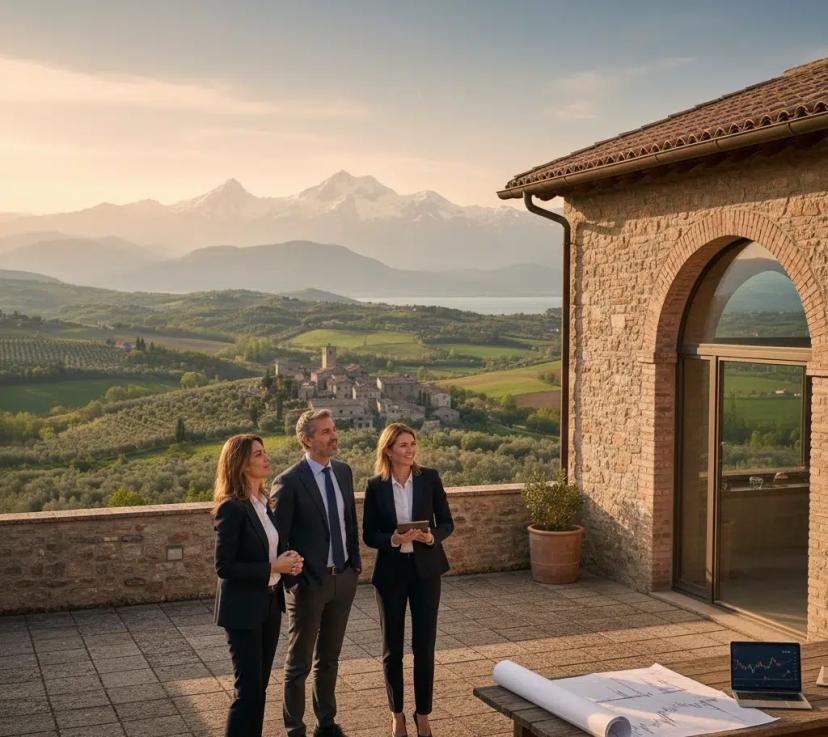
To move forward with confidence, the best approach is to work with a bilingual team based in Italy, able to guide you at every stage: defining your project, identifying the zones that best match your budget, finding the right property, checking cadastral and legal documents, and supporting you all the way through to signing at the notary.
At Allerenitalie, we work with a network of notaries, lawyers, surveyors, and accountants who are fluent in both Italian and your language, specialised in international property purchases. This guarantees you full transparency, a clear translation of every document, and complete legal security.
Whether you are considering a small house to renovate in the south, an affordable apartment in a mid-sized town, or a holiday home by the sea, our support allows you to move forward without language barriers, with full confidence, and with the assurance that you are making the right decisions — from your first enquiry to the handover of the keys.
FAQs
1 — Is it really possible to buy a cheap house in Italy?
Yes, absolutely. In certain regions — particularly southern Italy (Calabria, Basilicata, Puglia, Sicily) and rural areas of central Italy — property prices remain very low, sometimes between €500 and €1,200 per m². You can even find houses to renovate starting from €30,000. The key is to look beyond the major tourist cities and compare several areas before committing to a purchase.
2 — Which regions are the most affordable for buying a house in Italy?
The most affordable regions are often the least well known: Molise, Abruzzo, Basilicata, Calabria, and parts of Piedmont or Le Marche. They offer an exceptional quality of life, varied landscapes (sea, mountains, rolling hills), and a cost of living below the national average. These areas are ideal for a first purchase, a holiday home, or a B&B project.
3 — What precautions should I take before buying a low-cost property?
Even at a low price, it is essential to verify the cadastral and legal documents, confirm there are no mortgages or outstanding debts, and check that the property meets planning regulations. If you are buying a house to renovate, always request a detailed renovation quote. The safest approach is to work with a professional team who speaks your language (lawyer, notary, surveyor, accountant) to avoid any unpleasant surprises.
4 — Can I get support throughout my property purchase in Italy?
Yes, and it is strongly recommended. At Allerenitalie, we support international buyers regardless of where they are in the process: whether you have already spotted a property on a listings site, are already in contact with a local agency, or are still searching for the right region, we can step in at any stage.
Our bilingual team (Italian–English) helps you buy in Italy with complete peace of mind: property search, document verification, translation, negotiation, administrative procedures, and signing at the notary. You benefit from personalised support, clear communication, and a tailored service, wherever you are starting from.