Living in Basilicata: a hidden corner of Italy between nature and tradition
Basilicata is one of Italy's most authentic regions, offering unspoiled nature, living traditions, and a genuine quality of life — increasingly attracting expats seeking simplicity.

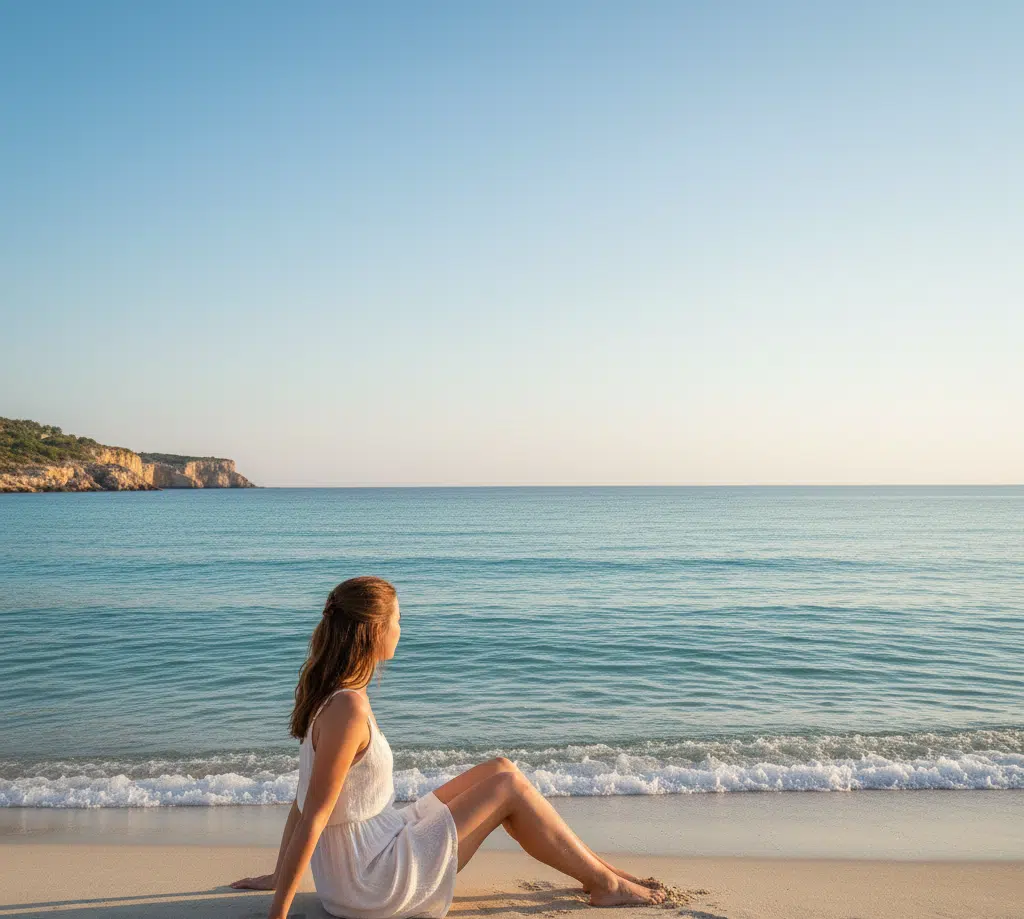
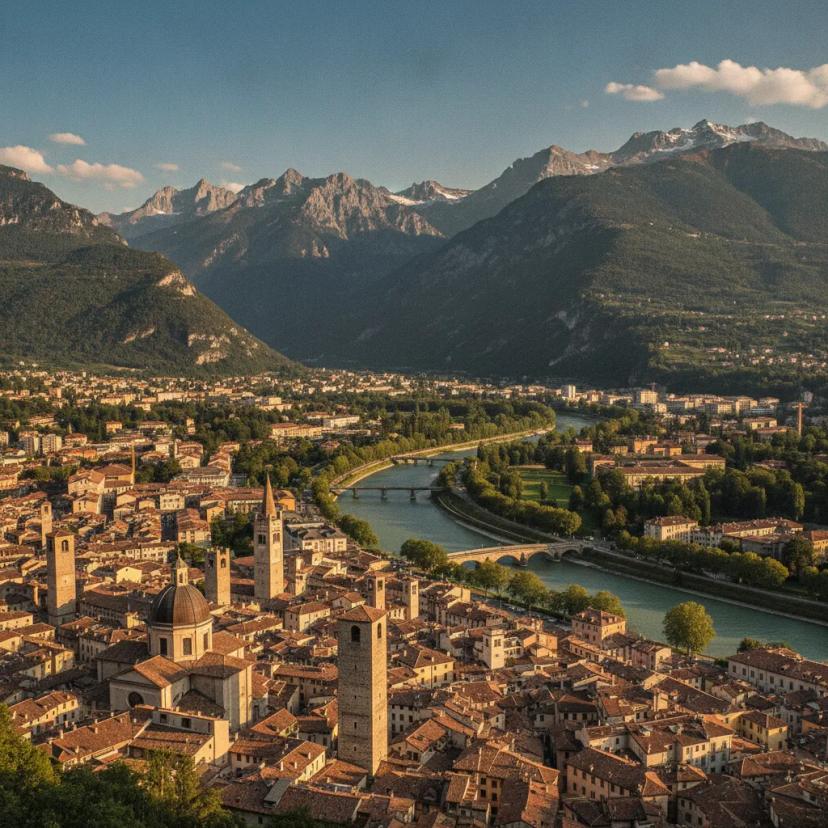
Living in Basilicata means choosing a region that is still off the beaten path and deeply authentic, nestled between the Ionian Sea, mountain ranges, and medieval villages perched on spectacular hillsides. From the ancient alleyways of Matera, a UNESCO World Heritage Site, to the tranquil beaches of Maratea, from the hilltop villages of the Vulture area to the quiet seaside towns along the Ionian coast, Basilicata appeals to those seeking a simple, natural way of life that is more affordable than Italy's most heavily touristed regions.
Life here follows the rhythm of the land, traditions, and seasons: local festivals, harvests on volcanic slopes, artisanal fishing, craftspeople keeping ancient skills alive, and markets overflowing with local produce. Lucanian cuisine reflects this deep bond with the land: peperoni cruschi, hand-made pasta such as orecchiette, mountain lamb, Aglianico del Vulture wine, Metapontino olive oil, and freshly caught Ionian fish — a generous culinary tradition rooted in the region's rural and maritime history.
In this article, we explore why more and more expats are choosing to settle in Basilicata, which areas are most appealing — Matera, Potenza, Maratea, Metaponto, Melfi, Policoro, and the villages of the Vulture — and how to rent or buy a home there. We also cover professional opportunities in cultural and sustainable tourism, slow living, agritourism, and remote work, as well as the cost of living, administrative formalities, and the quality of life in a region still untouched by mass tourism.
Aller en Italie
Relocation experts · since 2020
4.9
How many steps separate you from Italy?
A tailored offer based on your needs — in 3 min, no commitment
Tell us about your project
Profile, area, buying or renting
We select your services
From 50+ services in English
Receive your quote
Clear, detailed, personalized
*Indicative and customizable quote, no contractual commitment.
Free · 3 min · in English · no commitment
Create my offerWhy choose to live in Basilicata?

Living in Basilicata means embracing a peaceful, human-scale lifestyle, far from the bustle of major cities and overcrowded tourist areas, while remaining fully immersed in an Italy rich in history and tradition. Beyond the clichés, Basilicata embodies a rare balance between a gentle pace of life, local authenticity, and a deep connection with nature.
The region draws people in through the diversity of its landscapes: the ancient laneways of its hilltop villages, the silence of the mountains and rolling hills, the Ionian Sea stretching along calm and unspoilt shores, agricultural valleys, olive groves, and forests that wrap settlements in an uncommon tranquillity. It is one of the few corners of Italy where you can still hear birdsong in the early morning, walk along forgotten trails, or discover an ancestral heritage without crowds — a true luxury of stillness.
Day to day, Basilicata offers a rhythm of life grounded in respect for the seasons and local traditions: fresh produce markets, village festivals, generous home-style cooking, craftspeople keeping local skills alive — all within a warm and human-scale environment. For those escaping urban stress, pollution, or noise, it represents a return to what truly matters: simplicity and harmony with the natural world.
In terms of opportunities, Basilicata is gaining visibility — not only through cultural tourism centred on places like Matera, but also through the growth of initiatives linked to ecotourism, agritourism, rural heritage, and the welcoming of remote workers and expats seeking calm and a sustainable lifestyle. For those looking to build something different — boutique accommodation, rural guesthouses, restoration of historic properties, nature activities, or artisan crafts — Basilicata offers a landscape of opportunities that is often underestimated.
Finally, Basilicata captivates with its spectacular and varied natural setting: mountains, forests, hills, coastlines, and agricultural valleys — a true haven for lovers of nature, hiking, the sea, fresh air, and serenity. For families, artists, retirees, free spirits, or entrepreneurs pursuing new ways of living, it is an opportunity to (re)build a balanced daily life, in harmony with oneself and with the environment.
THEY TALK ABOUT US
Maisons & Jardins · Le Figaro · Challenges
« Founded on solid field experience and an in-depth knowledge of Italian procedures. »
Jessica Colpin, co-founder — Maisons & Jardins France, Jan.–Feb. 2026
Where to settle in Basilicata?
Settling in Basilicata means choosing a region that is still quietly under the radar, where each area offers a different lifestyle.
Matera draws those looking for an inspiring city defined by art, heritage, and a unique atmosphere. Far from being a museum-city, it offers a lively local life, cafés, cultural events, artisan workshops, and a thriving creative scene — ideal for artists, freelancers, remote workers, or anyone passionate about culture.
More understated and practical, Potenza suits families, local professionals, or those seeking a functional daily life with accessible services. As a university city, it offers public transport, shops, and schools, without the tourist energy of other Italian cities. Its more straightforward lifestyle appeals to those who value stability, practicality, and affordable costs.
For those who want to live by the sea, Maratea is the most picturesque option. Its cliffs, small coves, steep alleyways, and preserved natural setting make it an ideal spot for a second home, a peaceful retirement, or an intimate tourism project. Further south, Policoro and Nova Siri, on the Ionian coast, attract families and retirees who want to enjoy long sandy beaches, a pleasant climate, and a relaxed seaside life without excessive tourism.
Inland, villages such as Melfi, Venosa, Rionero in Vulture, and Pietragalla offer an alternative for those who prioritise nature, authenticity, local agriculture, or land-based projects. These areas are particularly appealing to people drawn to ecotourism, agriturismo, rural property restoration, or a more self-sufficient way of life.
Basilicata is not chosen for its buzz, but for its rhythm, its calm, its heritage, and its strong connection to the land. Each area offers a different way to experience Italy: cultural in Matera, practical in Potenza, coastal in Maratea, or rural in the volcanic hinterland of the Vulture. It is up to each person to build their own version of the dolce vita here.
Aller en Italie
French expatriation expert · since 2020
4.9
71 verified reviews
1,500+ expats supported
50+ services with French-speaking professionals
20 regions covered
Local consultants on the ground in Italy
Free appointment · 15 min · in French · no commitment
Book an appointmentEssential steps for moving to Basilicata
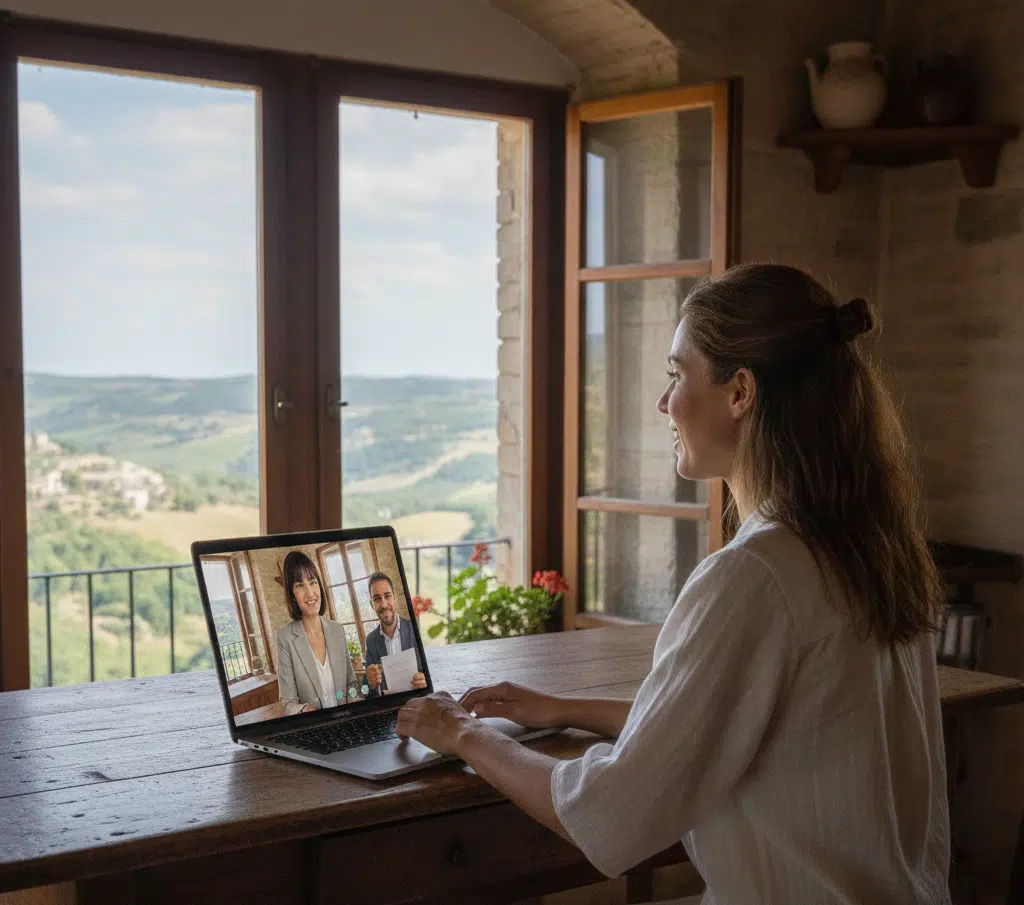
Settling in Basilicata requires careful preparation to avoid administrative surprises and ensure a smooth arrival in Italy. Once your plans take shape, the first step is to obtain your codice fiscale, the Italian tax identification number. This personal number is essential for all administrative processes: renting a flat in Matera, buying a property in Maratea, setting up a utility contract in Potenza, or signing an employment contract. It can be obtained free of charge from the Agenzia delle Entrate in Basilicata, or from the Italian consulate in your home country before you arrive.
Once you are established on a long-term basis, you will need to register your residency with the comune of your new place of residence. This official registration confirms your presence in Italy and gives you access to essential services: the healthcare system, local taxation, vehicle registration, school enrolment for children, and access to municipal services.
In Basilicata, administrative procedures can vary from one municipality to another. Cities such as Matera and Potenza generally have more structured services, with a growing number of procedures now available online. In smaller rural or coastal communes, processes can be slower and may require additional documents or multiple in-person visits. It is therefore advisable to check directly with the relevant comune for the required documents, opening hours, and processing times — which are often longer than in Italy's larger regions.
For a complete relocation to Basilicata, also keep in mind:
- opening an Italian bank account, which is useful for paying certain local taxes and signing contracts;
- registering for the waste collection tax (TARI), which is compulsory in all municipalities;
- familiarising yourself with ZTL zones (limited traffic areas), which are common in historic town centres such as Matera and Potenza;
- checking residential parking rules, particularly in tourist areas such as Maratea or near the Ionian beaches.
If you are not yet confident in Italian or wish to avoid the administrative mistakes that are common in smaller municipalities, having the support of a specialist team can save you significant time, keep your paperwork on track, and make your move much smoother. Personalised guidance will allow you to fully enjoy your new life in Basilicata — between culture, nature, the Ionian Sea, and the quiet charm of a lesser-known Italy.
Renting an apartment in Basilicata
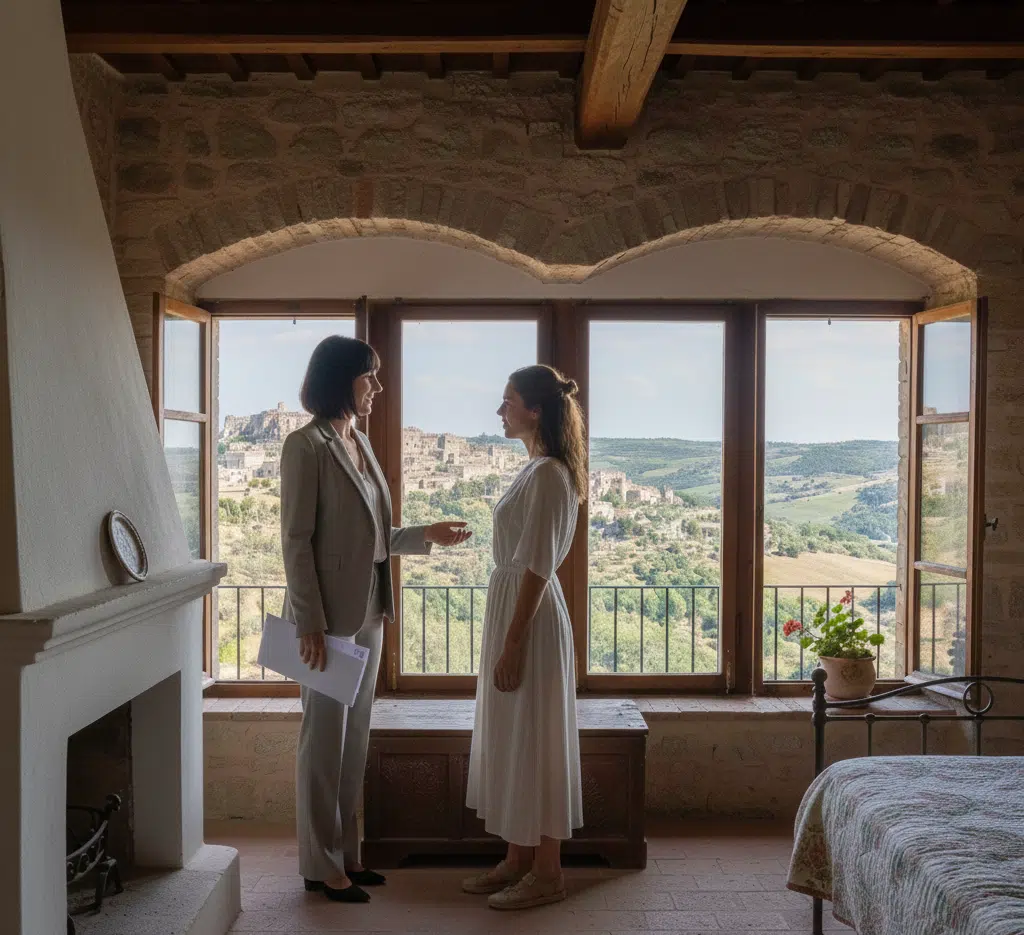
Renting a home in Basilicata is a great way to discover an authentic region, more rural than most of Italy, with a property market that varies considerably depending on whether you settle in a cultural city, by the sea, or in the hinterland. Rents are generally more affordable than in Italy's northern tourist regions, but they differ according to proximity to services, the coast, or historic sites.
Matera has the most distinctive market: its cultural and tourist appeal has driven strong demand, particularly in areas close to the historic centre. Rents there can be higher than elsewhere in the region, and many properties have been converted into tourist lets. However, residential neighbourhoods slightly further from the centre offer more stable prices and a greater number of long-term leases.
By contrast, Potenza has a more steady market, shaped by a local, university, and administrative population. Rents are more affordable than in Matera, and the offer is often oriented towards families, students, and working residents. For those seeking a practical everyday life close to shops and public transport, Potenza is a solid option.
On the coast, Maratea attracts mainly second-home buyers and tourism project developers. As with most Italian seaside areas, seasonal rentals dominate close to the beaches, which reduces the availability of annual leases. Villages slightly further inland, however, offer more year-round options at more balanced prices. On the Ionian coast, Policoro and Nova Siri offer a more accessible market, with more properties geared towards local residents than to tourism.
In the hinterland, particularly around Melfi, Venosa, Rionero in Vulture, and Picerno, rents are generally lower, with supply oriented towards local residents, families, and those drawn to a rural lifestyle. These areas suit those looking for more spacious accommodation, a calm environment, or a life project closer to nature.
As elsewhere in Italy, signing a lease in Basilicata typically requires a deposit of two to three months' rent, as well as agency fees that may amount to one month's rent. Some landlords may also ask for an Italian guarantor, especially if you do not yet have a local employment contract or are self-employed.
Buying a house in Basilicata
Buying a house in Basilicata opens the door to very different projects depending on the area chosen. Unlike other regions where property purchases are mainly driven by the tourist rental market, Basilicata allows you to invest in locally rooted sectors that are actively evolving, giving real meaning to a property purchase.
Bolstered by the international profile of Matera, the region is attracting a growing number of artists, designers, architects, creative professionals, and digital workers. Buying an older property can provide the space for a studio, an artist's residency, an independent cultural venue, or an educational project linked to local heritage. Small historic towns often offer unusual premises well suited to these kinds of ventures.
Basilicata has a deep connection to the land. Around the Vulture and the agricultural plateaus, buying rural houses or small plots of land opens up possibilities for micro-production projects (olive oil, honey, organic vegetables, dried fruits, aromatic herbs), local food processing, or agritourism. These sectors are meeting growing demand for authentic, traceable products.
In coastal and mountain areas, property purchases often align with slow tourism: eco-friendly accommodation, intimate guesthouses, wellness retreats, craft workshops, hiking, and outdoor activities (kayaking, cycling, trekking, photography). Basilicata stands out for its lower visitor numbers, which encourages smaller, higher-quality projects.
Thanks to its attractive cost of living and the gradual rollout of digital infrastructure, Basilicata is also drawing international profiles who want to work remotely while living in an unspoilt setting. Buying a home with a dedicated workspace, a garden, or an annexe can suit this hybrid lifestyle, combining online work with a complementary local activity.
Working in Basilicata

The Basilicata economy rests on several complementary sectors deeply rooted in the territory: agriculture and agri-food form a major pillar, thanks to quality local produce including olive oil, pulses, ancient grains, and appellation wines such as Aglianico del Vulture; cultural and nature-based tourism, driven by Matera and its listed heritage sites as well as Maratea and the Ionian coast, supports the development of boutique hotels, upscale B&Bs, outdoor activities, and slow tourism experiences; the automotive and mechanical industry, concentrated around Melfi, brings together companies specialising in manufacturing, logistics, and technical services; and finally, the public and social sectors — healthcare, education, and local administration — offer regular employment opportunities in a region where small municipalities remain very present and local service demand stays consistent.
Salaries in Basilicata reflect its lower cost of living compared to northern Italy: an employee typically earns between €1,100 and €1,500 net per month, while specialists in the automotive, energy, agri-food, or cultural tourism sectors can reach €1,700 to €2,300 net depending on experience and field. To maximise your chances of finding work in Basilicata, it is essential to target local businesses, agricultural cooperatives, independent tourism structures, and specialised industries, using Italian job platforms (Indeed Italia, Subito Lavoro, LinkedIn) as well as the Centri per l'Impiego, which are very active in smaller towns. Profiles with strong foreign language skills are particularly sought after in cultural tourism, boutique hospitality, agri-food export, and destination marketing, where relationships with international visitors and overseas markets play a key role.
Cost of living in Basilicata
The cost of living in Basilicata is among the lowest in Italy, making it an appealing destination for expats seeking a peaceful, culturally rich, and nature-close lifestyle without the often high prices of heavily touristed regions. In Matera, a UNESCO World Heritage city, a one-bedroom apartment in the centre averages around €500 to €650 per month, while outside the centre prices can drop to between €350 and €500. In Potenza, rents are even more affordable, with averages often below €400–500 outside the centre. Another attractive point for new residents: the region is among the areas eligible for Italy's 7% flat tax for certain foreign retirees, a specific tax scheme reserved for eligible municipalities in southern Italy.
For a single person, monthly expenses beyond rent remain moderate. The food basket is generally less expensive than in northern Italy, with local markets and regional produce making it easy to shop at reasonable prices. Public services and transport are accessible: a monthly bus pass in Potenza costs around €30–35, while a meal for two at a mid-range restaurant in Matera comes to around €50–65 depending on location and season.
More tourist-oriented areas such as Matera or Maratea may show slightly higher prices, especially during peak season or in the most sought-after historic neighbourhoods, but everyday life generally remains affordable once you step away from the most prestigious zones. As a rough guide, a single expat can live comfortably in Basilicata on a total monthly budget of between €1,000 and €1,350 depending on the type of accommodation chosen.
Healthcare and services in Basilicata
Basilicata has a well-distributed public hospital network across the region, suited to the everyday needs of residents and expats living in human-scale cities. The main reference centres are located in Matera and Potenza.
-
The Ospedale Madonna delle Grazie in Matera covers most common specialties and some regional-level procedures, with a well-functioning emergency department and several specialist units in imaging and cardiology.
-
The Azienda Ospedaliera San Carlo in Potenza is one of the major hospitals in southern Italy, recognised for its neuro-traumatology, oncology, and orthopaedic surgery departments, as well as for the management of complex emergencies.
In addition, smaller hospitals and clinics are spread across secondary towns such as Melfi, Policoro, Lagonegro, and Villa d'Agri, providing primary care, maternity services, and local healthcare. Along the Maratea coastline and the Ionian shore, facilities are functional for emergencies and routine care, but for specialist procedures, patients are generally referred to Potenza or Matera, or to larger centres in Bari (Puglia) or Salerno (Campania), both reachable within under two hours.
As across Italy, waiting times can vary depending on the period and type of consultation: urgent care is generally efficient, but some specialist appointments may involve longer waits. Overall healthcare quality remains solid, supported by regional commitment to public health, doctors trained at universities in Bari, Naples, and Salerno, and growing collaboration with southern research centres.
In terms of accessibility, regional transport links make it straightforward to reach Potenza and Matera. In rural areas, where distances are greater and bus services less frequent, a car remains essential for reaching the most comprehensive hospital facilities quickly.
Expats and international residents in Basilicata
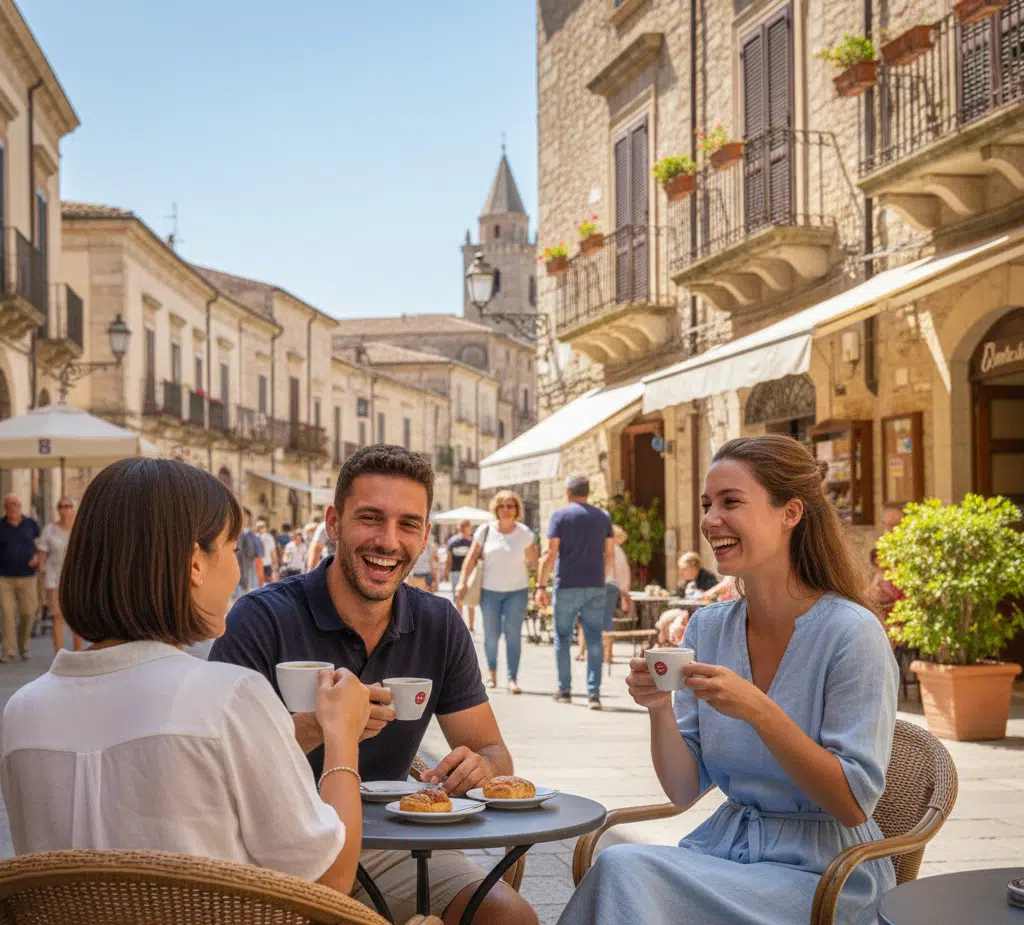
Situated between the Ionian Sea and the Apennine ranges, Basilicata combines exceptional heritage, unspoilt nature, a low cost of living, and real opportunities for those seeking a quieter life, a local project, or a hybrid working arrangement. Unlike Puglia or Tuscany, very few foreign residents have settled here — fewer than 100 registered residents per nationality, which makes it a privileged destination for those who wish to integrate into an authentic territory rather than join an already established expat community.
New arrivals settle mainly in Matera and Potenza. The residential neighbourhoods on the outskirts of Matera's centre, as well as the family-friendly areas of Potenza, offer a good balance between quality of life and proximity to services.
On the coast, Maratea draws those looking for a charming second home oriented towards slow tourism, upscale hospitality, or a peaceful retirement by the sea. Policoro and Nova Siri, more family-oriented and less exclusive, appeal to remote workers and households who want to enjoy a tranquil seaside setting without giving up affordable prices. In parts of Basilicata, certain areas also benefit from the 7% flat tax scheme for new resident retirees, which further strengthens the region's appeal as a long-term place to live.
The rural areas around the Vulture (Melfi, Venosa, Rionero) attract entrepreneurs working in slow tourism, agritourism, heritage restoration, or projects linked to wine and local produce. These sectors offer genuine room for growth for those who want to build a small-scale business tailored to an audience seeking authentic experiences.
Choosing to live in Basilicata means opting for a less-known side of Italy where everyday life is affordable, the land offers space, nature, history, and genuine human connections, and where you can build something lasting — whether professional, artistic, tourism-related, or personal — at the heart of a region still untouched by mass tourism.
FAQs
1- Do you need to speak Italian to live in Basilicata?
Yes, it is strongly recommended. Basilicata is a predominantly rural region, and most locals speak very little English or other foreign languages. For administrative processes, healthcare, daily life, and local integration, a good command of Italian is a real advantage. Learning the language progressively will make settling in considerably easier.
2- What is the cost of living in Basilicata?
Basilicata is one of the most affordable regions in Italy. The cost of housing, services, and everyday life is well below the national average. Matera is slightly more expensive due to its tourist appeal, while Potenza and smaller municipalities offer excellent value for money.
3- How do you find accommodation in Basilicata?
Your search can begin online through Italy's main property portals. However, since many properties are located in small municipalities or require technical checks (land status, renovation needs, compliance), it is advisable to work with a local professional or a specialist with multilingual expertise to avoid unpleasant surprises and navigate all the administrative requirements.
4- What are the advantages of Basilicata for expats?
Basilicata stands out for its quality of life, its preserved natural landscapes, its particularly low costs, and its authentic atmosphere. It is an ideal region for those seeking tranquillity, a slower pace of life, or a property project on a reasonable budget. Matera also offers a dynamic cultural scene with good connections, while the rest of the region guarantees full immersion in Italy's most traditional side.