Living in Campania: the complete guide for expats
Living in Campania is attracting a growing number of expats, thanks to its Mediterranean atmosphere, rich culture, and world-renowned cuisine.


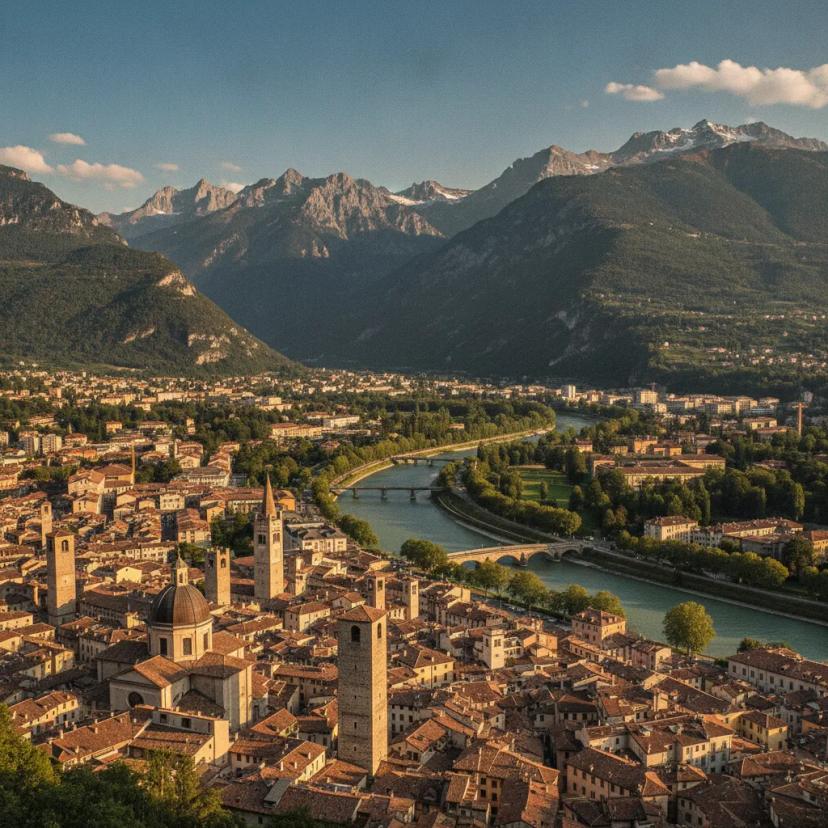
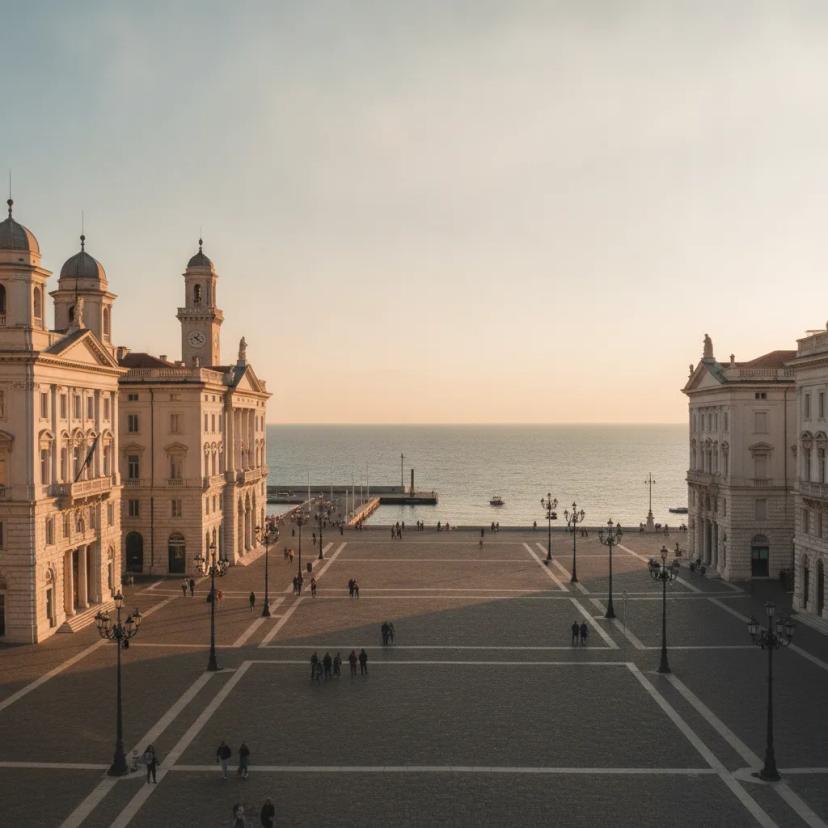
Living in Campania means choosing a vibrant, sun-drenched and deeply Mediterranean region. Between the Bay of Naples, the colourful villages of the Amalfi Coast, the archaeological treasures of Pompeii and Herculaneum, the legendary islands of Capri, Ischia and Procida, and the volcanic landscapes dominated by Mount Vesuvius, Campania attracts a growing number of international residents each year who are seeking an authentic, luminous and emotionally rich way of life.
Life here moves at a different pace: you live by the sea, surrounded by nature, history and one of Italy's most celebrated cuisines — Neapolitan pizza, mozzarella di bufala, sfogliatella, limoncello… The culture is intense, shaped by centuries of Greek, Roman, Spanish and Bourbon influences. The locals, warm and expressive, welcome newcomers with ease and have a natural way of making you feel part of the community.
In this guide, we explore why so many people choose to relocate to Campania, which areas are most appealing for settling down — Naples, Sorrento, Salerno, Pozzuoli, Caserta or the Cilento coast — and how to rent or buy property there. We also cover job opportunities, cost of living, essential administrative steps, as well as the quality of healthcare and local services.
All of these elements make Campania a region where sea, culture, gastronomy and hospitality come together to offer a truly unique living environment — vibrant, deeply human, and unlike anywhere else.
Aller en Italie
Relocation experts · since 2020
4.9
How many steps separate you from Italy?
A tailored offer based on your needs — in 3 min, no commitment
Tell us about your project
Profile, area, buying or renting
We select your services
From 50+ services in English
Receive your quote
Clear, detailed, personalized
*Indicative and customizable quote, no contractual commitment.
Free · 3 min · in English · no commitment
Create my offerWhy choose to live in Campania?

Living in Campania means choosing a bright, authentic and deeply Mediterranean region — but it also means settling in one of Italy's most distinctive and characterful regions, a true symbol of the Italian soul. Everything here evokes Italy as you imagine it: turquoise sea, colourful villages, unforgettable flavours, the energy of its cities, the warmth of its people and a strong cultural identity shaped by centuries of history and tradition.
Nestled between the Bay of Naples, Mount Vesuvius and one of the most beautiful stretches of coastline in the country, Campania offers a rare balance between spectacular landscapes, extraordinary archaeological sites and a relaxed way of life. From the crystal-clear waters of the Amalfi Coast to the lively streets of Naples, the temples of Paestum, the legendary islands of Capri, Ischia and Procida, and the hilltop villages of the Cilento, Campania embodies a vibrant, generous and deeply rooted Italy.
With Naples as its regional capital — a cultural, administrative and industrial hub — Campania attracts both expatriates seeking authenticity and families looking for a lively, safe and historically rich environment. Here, Italian values take on their full meaning: family, conviviality, sharing, a love of good food, the importance of traditions and a strong sense of community.
The Campanian economy draws on a variety of sectors: tourism, premium food production (mozzarella di bufala, Amalfi lemons, Vesuvius wines), craftsmanship, universities, international ports and a thriving cultural scene. But living in Campania is about more than work — it means embracing a generous and passionate approach to life.
From Sorrento to Positano, from the historic streets of Naples to the picturesque villages of the Cilento, and through Pompeii and Herculaneum, Campania captivates with its raw beauty, energy and unique cultural identity. A region where Italy is lived to the fullest — in all its most authentic, intense and human dimensions.
THEY TALK ABOUT US
Maisons & Jardins · Le Figaro · Challenges
« Founded on solid field experience and an in-depth knowledge of Italian procedures. »
Jessica Colpin, co-founder — Maisons & Jardins France, Jan.–Feb. 2026
Where to settle in Campania?
Settling in Campania offers an exceptional variety of living environments, from the vibrant neighbourhoods of Naples to the peaceful villages of the Cilento and the breathtaking views along the Amalfi Coast. With a strong character and a deeply Italian identity, Campania provides a wide range of places to live depending on your lifestyle:
Naples for its cultural energy and authenticity, Salerno for its modern, seaside calm, Sorrento and Positano for a prestigious setting overlooking the Mediterranean, Pozzuoli for its balance between the sea and proximity to Naples, or Caserta for a more affordable cost of living.
Nature lovers and those seeking tranquillity will find their ideal home in the Irpinia area or along the Cilento coast, where crystal-clear beaches, local traditions and a gentle pace of life shape a serene daily routine.
Aller en Italie
French expatriation expert · since 2020
4.9
71 verified reviews
1,500+ expats supported
50+ services with French-speaking professionals
20 regions covered
Local consultants on the ground in Italy
Free appointment · 15 min · in French · no commitment
Book an appointmentEssential steps for moving to Campania
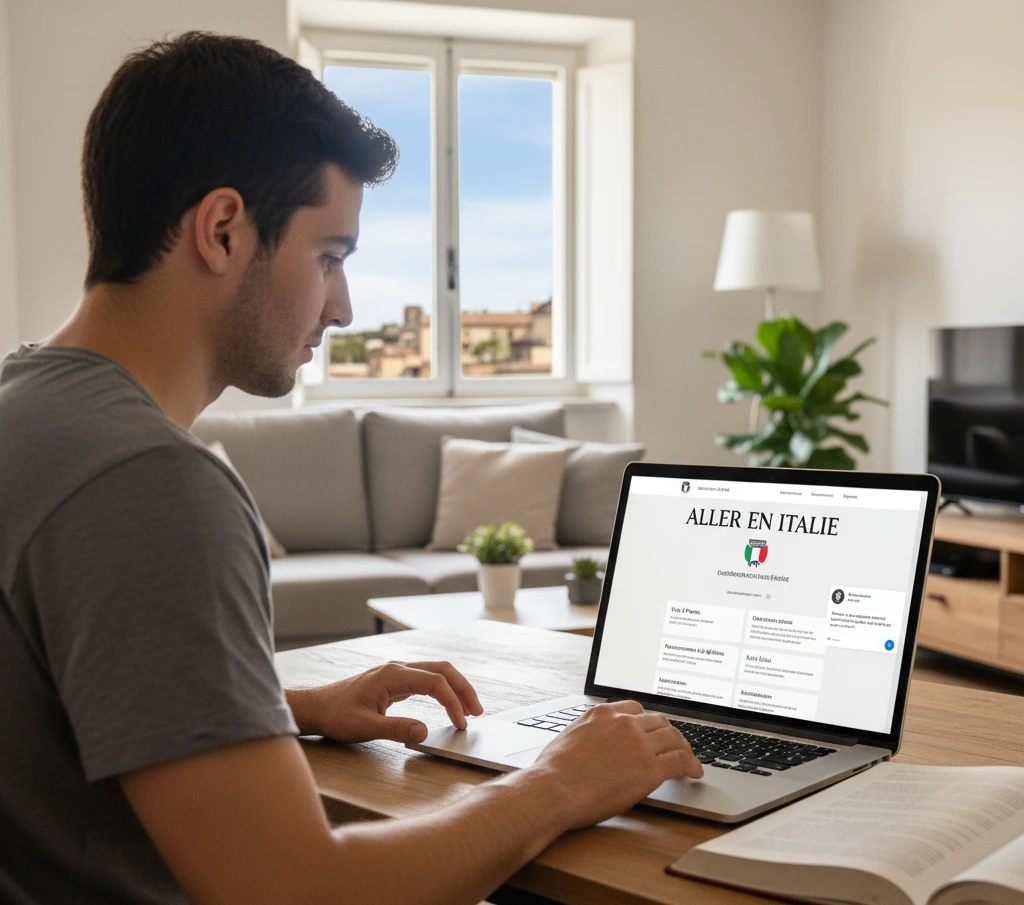
Relocating to Campania requires a minimum of preparation to avoid administrative surprises and ensure a smooth arrival in this region rich in traditions, culture and varied landscapes. As soon as your plans take shape, the first step is to apply for your codice fiscale, the Italian tax identification number. This personal number is essential for all administrative procedures: renting a flat in Naples, setting up utility contracts, buying a home on the Amalfi Coast or accepting a job offer. You can obtain it free of charge from the Agenzia delle Entrate in Campania or from the Italian consulate in your home country before you arrive.
Once you have settled permanently, you will need to register your residence at the town hall (comune) of your new city. This official registration confirms your presence in Italy and gives you access to essential rights: public healthcare, local taxation, vehicle registration, school enrolment for your children and access to municipal services.
Administrative procedures can vary slightly from one municipality to another, particularly in certain rural areas of the Irpinia, in villages along the Cilento coast or in small localities near Vesuvius, where processes can be slower and less digitalised. It is advisable to check directly with the local comune to find out exactly which documents are required and what the processing times are.
For a complete relocation to Campania, you should also consider:
- opening an Italian bank account,
- registering for waste collection services (TARI),
- familiarising yourself with residential parking rules, especially in historic centres subject to ZTL restricted traffic zones, which are very common in cities such as Naples, Salerno, Caserta and Benevento.
If you are not yet fluent in Italian or would like some support, working with a specialist team experienced in international relocations can save you a great deal of time and help you avoid costly administrative mistakes. A personalised support service will allow you to settle in Campania with complete peace of mind and start enjoying your new life in the heart of southern Italy as quickly as possible.
Renting a flat in Campania
Renting a property in Campania gives you the chance to enjoy a lively, sun-filled and diverse region, where the rental market varies significantly depending on the area you choose. Rents are generally affordable, though certain tourist hotspots command higher prices.
Naples is the most dynamic and sought-after city. Central neighbourhoods such as Chiaia, Vomero and Posillipo are among the most expensive, while Fuorigrotta or Arenella offer more affordable rents while still being well connected by public transport. Demand is high, so it is advisable to act quickly when you find a property that meets your criteria.
In Salerno, the atmosphere is calmer and more structured, with a slightly less competitive rental market. Neighbourhoods close to the seafront are the most popular, while areas such as Pastena offer a good balance between price and quality of life.
In highly touristic areas — the Amalfi Coast, Sorrento, Capri, Ischia — the majority of properties are geared towards short-term holiday rentals. Annual contracts exist but are harder to find, especially near the sea. Prices vary considerably depending on the season and location.
By contrast, inland towns such as Avellino and Benevento, as well as villages in the Irpinia area, offer a more stable rental market with significantly lower rents and a greater number of year-round properties available.
When signing a lease, you should generally budget for two to three months' security deposit as well as agency fees equivalent to one month's rent, as is common across much of southern Italy.
Buying a house in Campania
Buying a house in Campania means discovering a contrasting property market where elegant palazzi, colourful homes overlooking the sea, apartments in vibrant historic centres and old rural estates at the foot of the Irpinia mountains all coexist. The region offers a rare diversity: panoramic villas above the Gulf of Naples, traditional stone houses in the hills, 19th-century bourgeois residences and small village properties ripe for renovation.
Prices vary considerably by area. Naples and its bay rank among the most expensive markets in southern Italy, with significant differences between neighbourhoods. In contrast, inland areas — Avellino, Benevento, the villages of the Irpinia — remain very accessible, often well below the national average. In highly touristic zones such as the Amalfi Coast, Capri, Ischia and Sorrento, prices rise steeply: international demand is strong and supply is tight, particularly for properties with sea views.
Many homes in Campania offer features that appeal to foreign buyers: terraces, small gardens, inner courtyards, roof terraces, vaulted cellars and agricultural outbuildings. In villages, it is not uncommon to find multi-storey properties that have remained largely unchanged for decades, offering excellent potential for renovation or conversion into a family home or rental investment.
Before purchasing, it is essential to verify the cadastral and urban planning status of the property. Campania has an ancient built heritage where undeclared modifications, extensions added over the years or cadastral inconsistencies are not uncommon — particularly in mountain villages and very old coastal areas. A technical survey by a licensed surveyor is therefore strongly recommended.
Negotiations can also take time. In many areas, properties are passed down through generations, and a sale often involves the entire family. This context can lengthen timelines and add an emotional dimension to discussions. Being supported by a bilingual lawyer or specialist makes communication considerably easier.
Working in Campania
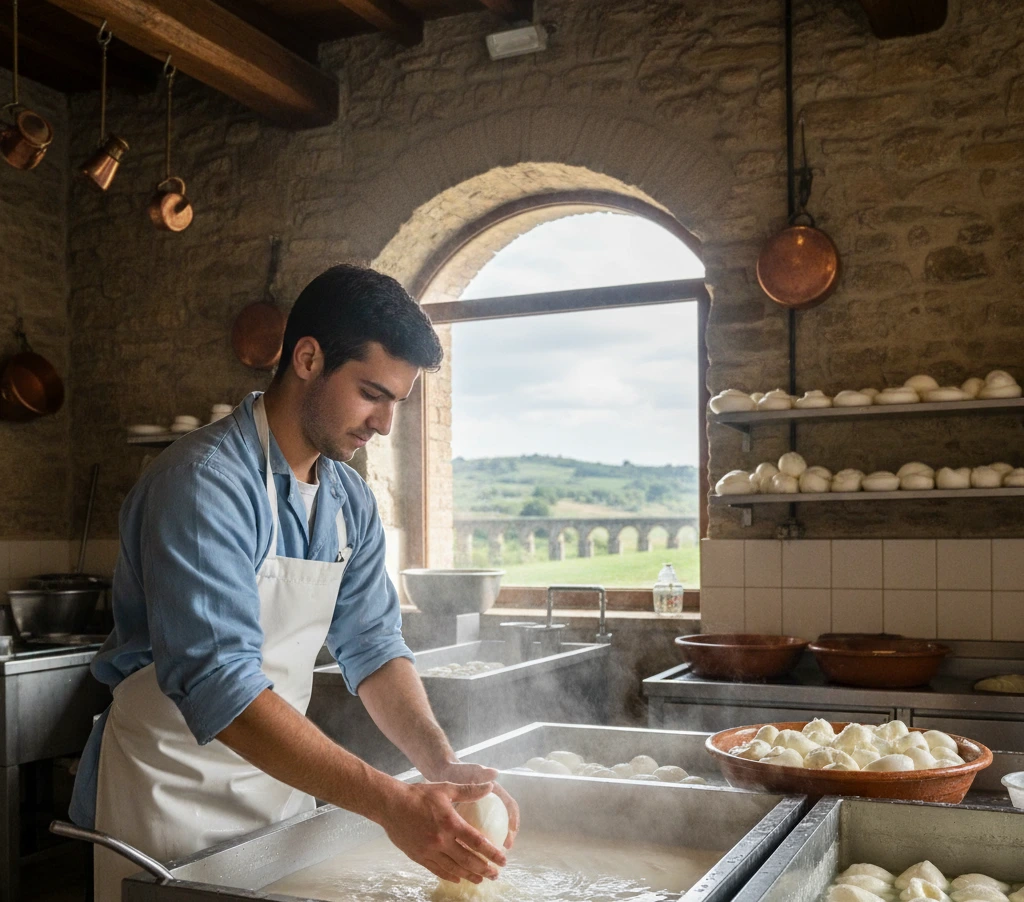
Working in Campania is an interesting opportunity for those who want to integrate into a dynamic and culturally rich region, but it is important to understand the reality of the local job market. The economy is built on several solid sectors: tourism, hospitality and restaurants around Naples, Sorrento, Capri, Ischia and the Amalfi Coast; food production (mozzarella di bufala, Irpinia wines, coastal lemons); logistics and the Port of Naples; international trade; and digital services, which are growing within the Naples metropolitan area. B&Bs, agriturismi and small hospitality businesses continue to hire as well.
Salaries are generally lower than in northern Italy: an average employee earns around €1,200 to €1,500 net per month, while skilled professionals (project managers, engineers, IT specialists, tourism managers) can earn between €1,800 and €2,300 net. Seasonal work is plentiful, particularly from April to October in tourist areas.
That said, some caution is warranted: the market is competitive and finding a stable contract is not always straightforward. It is essential to insist on a written contract, verify your salary conditions and receive your busta paga (pay slip) every month. Undeclared work and irregular payment arrangements still exist in some sectors — these should be avoided at all costs to protect your rights.
To maximise your chances, use Italian job platforms (Indeed Italia, Subito Lavoro, Bakeca lavoro), optimise your LinkedIn profile in Italian, tailor your CV to local standards and target companies that serve an international clientele — bilingual Italian-English profiles are particularly in demand.
Cost of living in Campania
The cost of living in Campania is one of the lowest in Italy, making it a particularly attractive destination for international residents. You can enjoy a warm Mediterranean lifestyle, outstanding gastronomy (mozzarella di bufala, Amalfi Coast lemons, Irpinia wines) and prices significantly lower than in the major cities of northern Italy.
Worth noting: Campania is one of the regions eligible for the 7% flat tax for foreign retirees, an important tax benefit that further strengthens its appeal for those looking to settle there long term.
In Naples, a single person's monthly budget is typically around €1,300 to €1,700, including rent. A one-bedroom flat in a central neighbourhood (Chiaia, Vomero, Posillipo) generally rents for between €850 and €1,400, while in outer districts or more local areas, rents can drop to €600–850.
In Salerno, prices are more moderate: a single person can live comfortably on €1,200 to €1,500 per month. A one-bedroom flat typically costs between €600 and €900 depending on the area.
Inland cities such as Avellino and Benevento are even more budget-friendly: a monthly budget of €1,000 to €1,200 is often enough for a single person, with rents around €400 to €600.
Day-to-day expenses remain reasonable. Local markets offer cheese, vegetables, fish, wine and artisan products at accessible prices. Restaurants, trattorias and cafés are generally cheaper than in the north, allowing you to fully enjoy Campanian cuisine without breaking the budget.
Public transport is affordable: a monthly pass in Naples costs around €40 to €50, although, as in much of southern Italy, a car is often still necessary for getting around outside the main cities or exploring coastal areas.
Campania also offers a wide range of leisure activities at reasonable prices: cultural visits, beaches, hikes on Vesuvius, excursions along the Amalfi Coast, concerts, museums and local events. A wealth of cultural and natural experiences that contribute to the Mediterranean lifestyle so valued in this region.
Healthcare and services in Campania
Campania has an extensive hospital network, with several centres of excellence, particularly in the Naples metropolitan area. Institutions such as Cardarelli, Policlinico Federico II and the Istituto Pascale are nationally recognised for their services in cardiology, oncology, neurology, surgery and emergency care. In Salerno, the Ruggi d'Aragona hospital provides a good standard of care, while Avellino and Benevento offer reliable medical coverage for basic and intermediate care needs.
However, the quality of healthcare varies by area. In small rural or mountainous communities in the Irpinia and Matese areas, facilities are smaller and less well-equipped, often requiring patients to travel to Naples for specialist examinations or complex procedures. In addition, waiting times can be long in some emergency or diagnostic services, due to high patient volumes and an organisational structure that is sometimes less efficient than in northern Italy or other countries.
In terms of transport, Campania benefits from a dense and well-connected network. Naples-Capodichino international airport and the new Salerno-Costa d'Amalfi airport make travel within Italy and across Europe straightforward. High-speed trains connect Naples to Rome in just over an hour.
The region is also served by the Circumvesuviana, a local rail network connecting Naples to major tourist destinations such as Pompeii, Ercolano, Sorrento and the towns at the foot of Vesuvius. It is an essential transport link in the region, widely used but often described as ageing, slow and sometimes overcrowded, especially in summer. This is part of the everyday reality to keep in mind when living in or travelling around Campania.
In many rural municipalities or along the Amalfi Coast, a car remains essential for reaching hospitals, specialist services or simply getting to work, as public transport is not always reliable.
International residents and expats in Campania

In 2025, Campania is attracting a growing number of international residents, whether to settle, invest or work remotely. According to available data, the officially registered foreign community remains relatively small — a few hundred permanent residents — but the number of unregistered expats, investors, retirees and international workers is increasing year on year. The climate, strategic geographical location, lower cost of living and cultural richness of the region all play a major role in this trend.
New arrivals tend to gravitate towards Naples, a lively and well-connected capital with a strong international presence. The city is home to the NATO Joint Force Command at Lago Patria, a multinational military base hosting thousands of foreign personnel — Americans, Europeans and expatriate families — which contributes to a more international atmosphere and growing demand for housing across the northern Naples area (Pozzuoli, Varcaturo, Licola, Lago Patria). This presence further increases the appeal of the region for foreign investors.
Salerno is also attracting a growing international community thanks to its calmer setting, modern seafront and still-accessible property prices. The Amalfi Coast, along with Sorrento, Capri, Positano and Ischia, primarily appeals to buyers of holiday homes and investors focused on tourist rentals, despite higher price levels.
Inland, cities such as Avellino and Benevento attract expats looking for peace and quiet, an authentic lifestyle and significantly lower property prices. These areas are of particular interest to retirees, families and some self-employed workers seeking an affordable and peaceful way of life.
The international presence in Campania is becoming increasingly visible through property purchases, the opening of B&Bs and agriturismi, the arrival of digital nomads, and various cultural and language-related local initiatives. Naples and Salerno have international schools, language centres and events that help expats integrate into local life.
Moving to Campania means choosing a vibrant, contrasting and deeply Mediterranean region that combines urban energy, coastal tranquillity and inland serenity. Between modernity, authenticity and real estate appeal, Campania is steadily establishing itself as one of the most compelling regions in southern Italy for those looking to settle or invest.
FAQs
1- Do I need to speak Italian to live in Campania?
Yes, especially if you live outside Naples or Salerno. In some tourist areas of Naples, Sorrento or the Amalfi Coast, you can get by in English on occasion — particularly in hotels and restaurants. But for administrative tasks, healthcare, everyday life and genuine local integration, speaking Italian is essential. In smaller towns and inland villages, Italian is the only language used.
2- What is the cost of living in Campania?
Campania is one of the most affordable regions in Italy, though prices vary considerably between Naples, the coast and the inland areas.
- In Naples, a single person typically lives on €1,300 to €1,700 per month, including rent.
- In Salerno, the monthly budget is around €1,200 to €1,500.
- In inland cities such as Avellino or Benevento, you can live comfortably on €1,000 to €1,200.
Local produce is affordable, and you can eat very well on a modest budget.
Worth noting: like Sicily, Campania is eligible for the 7% flat tax for foreign retirees, a highly attractive tax incentive.
3- How do I find a place to live in Campania?
The search process depends heavily on the area. In Naples and along the Amalfi Coast, short-term and holiday rentals are very common, which can make it difficult to find a long-term contract, especially near the sea. It is advisable to search outside peak season and use platforms such as Immobiliare.it, Idealista.it or Casa.it.
Long-term contracts follow the standard Italian 4+4 model, with six months' notice required. In inland cities, the market is more stable, rents are lower and more options are available.
4- What are the advantages of Campania for expats?
Campania combines an exceptional climate, a rich cultural life, varied landscapes (coast, mountains, villages), a renowned gastronomy (mozzarella di bufala, pizza, Amalfi Coast lemons) and an affordable cost of living.
The region appeals to families, retirees, investors and remote workers alike. The presence of the Lago Patria military base adds an extra international dimension to the area around Naples.
Between urban energy, coastal tranquillity and inland serenity, Campania offers an attractive setting for those looking to settle, invest or work remotely in southern Italy.