Living in Emilia-Romagna: practical tips for a successful move to Northern Italy
Discover Emilia-Romagna, a dynamic and welcoming region, ideal for settling in Italy thanks to its quality of life, culture and professional opportunities

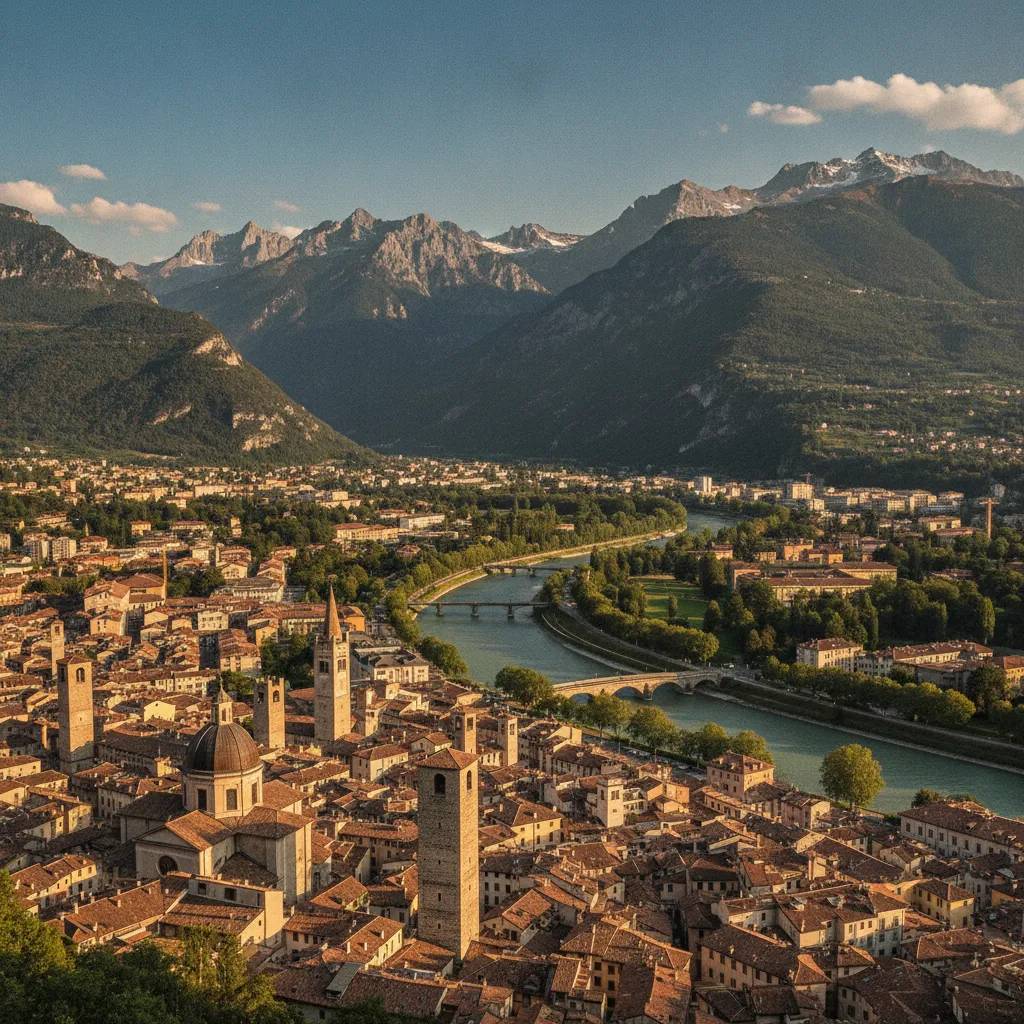
Living in Emilia-Romagna means choosing a region that is dynamic, refined, and genuinely welcoming — stretching from the Adriatic beaches to the gentle hills of the Apennines and some of Italy's most prestigious art cities. From the medieval arcades of Bologna, a vibrant cultural capital, to the UNESCO-listed Byzantine mosaics of Ravenna, from the hilltop historic villages of Parma and Piacenza to the long sandy beaches of Rimini and Riccione, Emilia-Romagna appeals to those seeking a way of life that blends tradition, innovation, and well-being.
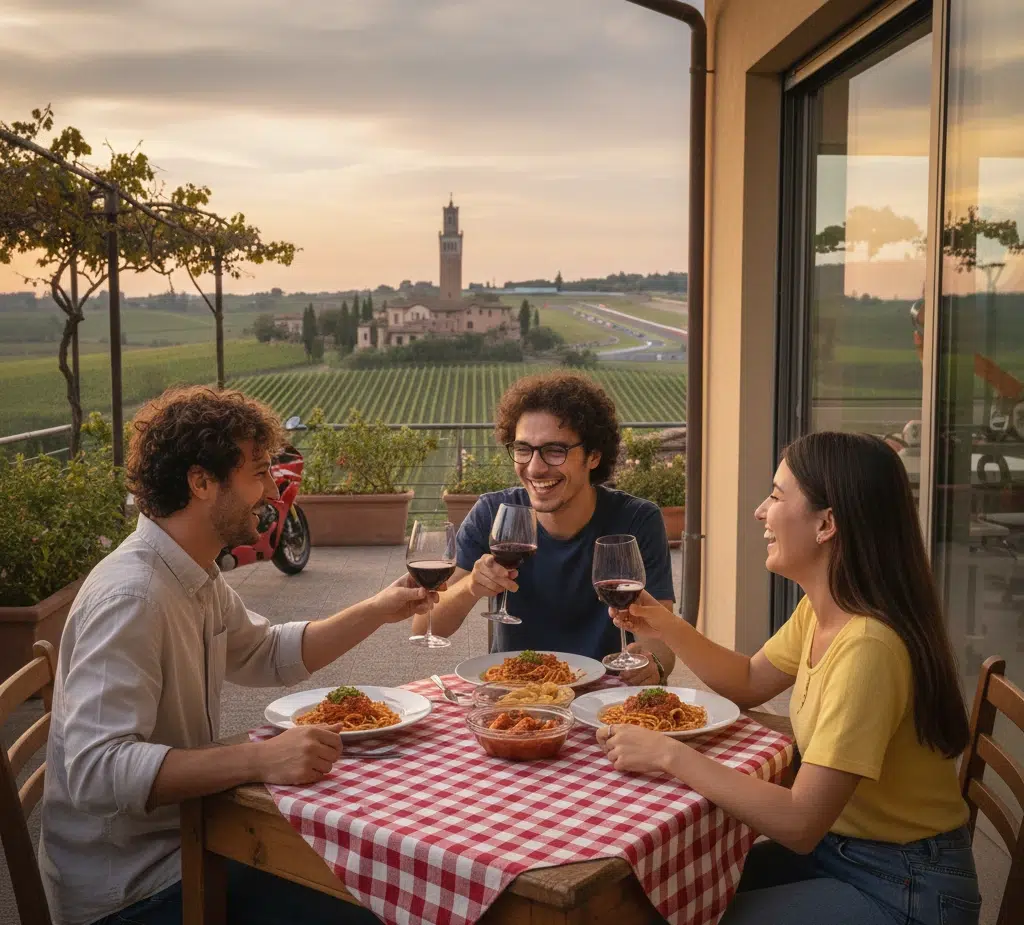
Life here moves to the rhythm of a region rich in craftsmanship and excellence: food festivals, grape harvests on the Sangiovese hills, lively markets overflowing with exceptional cured meats and cheeses, artisan workshops, family-run trattorias, and cultural events throughout the year. Emilian-Romagnol cuisine is one of the most celebrated in Italy: Parmigiano Reggiano, prosciutto di Parma, tortellini, lasagne, piadina romagnola, Lambrusco, fish and seafood from the Adriatic… A generous, refined culinary tradition deeply rooted in a fertile and creative land.
In this guide, we explore why more and more expats are choosing to settle in Emilia-Romagna, and which areas are most appealing: Bologna, Modena, Parma, Reggio Emilia, Ferrara, Ravenna, Rimini, Forlì-Cesena, as well as the villages of the Apennines and the Po Valley. We also cover professional opportunities linked to innovation, premium food and agriculture, cultural and seaside tourism, digital careers and remote work. Additional topics include: the property market, renting or buying a home, cost of living, administrative procedures, and the exceptional quality of life in a region that combines tradition, modernity, and hospitality.
Aller en Italie
Relocation experts · since 2020
4.9
How many steps separate you from Italy?
A tailored offer based on your needs — in 3 min, no commitment
Tell us about your project
Profile, area, buying or renting
We select your services
From 50+ services in English
Receive your quote
Clear, detailed, personalized
*Indicative and customizable quote, no contractual commitment.
Free · 3 min · in English · no commitment
Create my offerWhy choose to live in Emilia-Romagna?

Living in Emilia-Romagna means choosing a region where quality of life strikes a rare balance: culturally rich, economically dynamic, yet deeply rooted in human warmth, conviviality, and the unhurried pace of Italian life. Here, you enjoy a welcoming, authentic, and peaceful lifestyle while benefiting from modern infrastructure, excellent services, and one of the most robust economies in Italy.
Emilia-Romagna captivates with the diversity of its landscapes and atmospheres: the lively squares of Bologna, medieval villages perched on hilltops, long cycling paths winding through Parma or Modena, the Apennines for mountain lovers, and a welcoming Adriatic coast where the sea is accessible year-round. It is a region where you can move from culture to nature in just a few minutes — a rare and precious luxury.
Day to day, life here revolves around local markets, great food, pavement cafés, and strong social ties, along with the human warmth typical of central-northern Italy. The region also offers high-quality services: efficient transport, renowned universities, top-level hospitals, and infrastructure suited to families and expats alike. For those looking to leave behind big-city stress or pollution, Emilia-Romagna represents a return to a more balanced life — without sacrificing comfort or professional opportunities.
In terms of projects and ventures, Emilia-Romagna attracts both employees and entrepreneurs, thanks to a fertile ecosystem: cultural tourism, slow tourism, gastronomy, artisan crafts, innovation, sustainable agriculture, rural property restoration, holiday rentals, B&B projects… The region also welcomes many remote workers and expats in search of stability, nature, and an environment conducive to a fresh start.
Finally, Emilia-Romagna impresses with its exceptional heritage: the wine-growing hills of Piacenza and Reggio Emilia, the natural parks of the Apennines, the beaches of Ravenna and Rimini, and art cities such as Parma, Ferrara, Modena, and Bologna. For families, entrepreneurs, retirees, creatives, or anyone seeking a harmonious daily life, this is a region where you can build (or rebuild) a serene, inspiring, and authentically Italian life.
THEY TALK ABOUT US
Maisons & Jardins · Le Figaro · Challenges
« Founded on solid field experience and an in-depth knowledge of Italian procedures. »
Jessica Colpin, co-founder — Maisons & Jardins France, Jan.–Feb. 2026
Where to settle in Emilia-Romagna?
Settling in Emilia-Romagna means choosing a well-rounded and harmonious region where each city offers a distinct lifestyle. Between art cities, food-rich countryside, wine-growing hills, and the Adriatic coast, everyone can find their own balance here.
Bologna, a dynamic university city, attracts those who want to live in a culturally vibrant, well-connected urban environment. Its arcades, libraries, cafés, covered markets, and student atmosphere make it an ideal choice for working professionals, freelancers, expats, and families seeking a stimulating environment without sacrificing quality of life.
Parma and Modena appeal through their elegance, exceptional heritage, and celebrated cuisine. These are perfect cities for those seeking a refined living environment, excellent services, a strong local identity, and a human-scale atmosphere. They are particularly well suited to families, professionals, food lovers, and those looking for a stable and well-organised setting.
For a quieter pace of life, Reggio Emilia and Piacenza offer a pleasant daily life with very good public services, well-organised residential neighbourhoods, reputable schools, and a cost of living that is often more affordable than in Italy's larger cities. These areas suit those looking for tranquillity, practicality, and easy access to both nature and infrastructure.
On the coast, Ravenna, Rimini, and Cesenatico attract those who want to live near the Adriatic. Ravenna is appreciated for its heritage and peaceful atmosphere, while Rimini appeals more to those who enjoy a lively year-round city with a wide range of services — and is particularly attractive for families, remote workers, and retirees drawn by the mild climate and immediate access to the sea.
In the hills and hinterland, areas such as Brisighella, Castelvetro di Modena, and Salsomaggiore Terme offer an alternative for those who dream of an elegant rural setting surrounded by vineyards, olive groves, and small villages living at the rhythm of nature. These areas attract slow living enthusiasts, those with tourism projects (B&Bs, agritourism), and anyone who wants to renovate a home in an authentic setting.
Emilia-Romagna does not offer just one way of living, but a mosaic of possibilities: intellectual Bologna, gourmet Parma, well-organised Reggio Emilia, seaside Rimini, or the peaceful hills of the hinterland. Everyone can shape the version of Italy that suits them best.
Aller en Italie
French expatriation expert · since 2020
4.9
71 verified reviews
1,500+ expats supported
50+ services with French-speaking professionals
20 regions covered
Local consultants on the ground in Italy
Free appointment · 15 min · in French · no commitment
Book an appointmentEssential steps for living in Emilia-Romagna

Settling in Emilia-Romagna requires a minimum of preparation to avoid administrative surprises and make the most of your move to one of Italy's most dynamic regions. Once your plans take shape, the first step is to apply for your codice fiscale (Italian tax code), which is essential for renting a flat in Bologna, buying a property in the hills of Modena, setting up a utility contract in Parma, or signing an employment agreement. You can obtain it free of charge from the Agenzia delle Entrate in Emilia-Romagna, or from the Italian consulate in your home country before you arrive.
Once you are settled on a long-term basis, you will need to register your residency with the comune (local municipality) of your new city. This official registration formalises your presence in Italy and grants access to several essential services: the public health system, local taxation, vehicle registration, school enrolment for children, and access to municipal services.
In Emilia-Romagna, the procedures can vary slightly depending on the municipality. Larger cities such as Bologna, Modena, Parma, and Reggio Emilia have well-organised administrations, often partially digitalised, which makes the process easier. In medium-sized towns or coastal areas, procedures are generally straightforward but may require additional documents or an in-person visit to the office. It is always advisable to check with your comune in advance regarding required documents, opening hours, and processing times.
To complete your move to Emilia-Romagna, you should also consider:
- opening an Italian bank account, which is useful for local payments and certain contracts;
- registering for the TARI (waste collection tax), which is mandatory in all municipalities;
- checking for ZTL (restricted traffic zones), particularly in the historic centres of Bologna, Parma, and Modena;
- finding out about residential parking rules, especially in historic neighbourhoods or along the Ravenna and Rimini coastline.
If you are not yet comfortable in Italian, or if you want to avoid the administrative mistakes that commonly occur when moving to a new country, having support from a specialist team can save you considerable time and ensure all your procedures are handled correctly. Personalised guidance will allow you to fully enjoy your new life in Emilia-Romagna — among art cities, the Adriatic coast, wine-growing hills, and the gentle pace of living that defines central-northern Italy.
Renting a flat in Emilia-Romagna
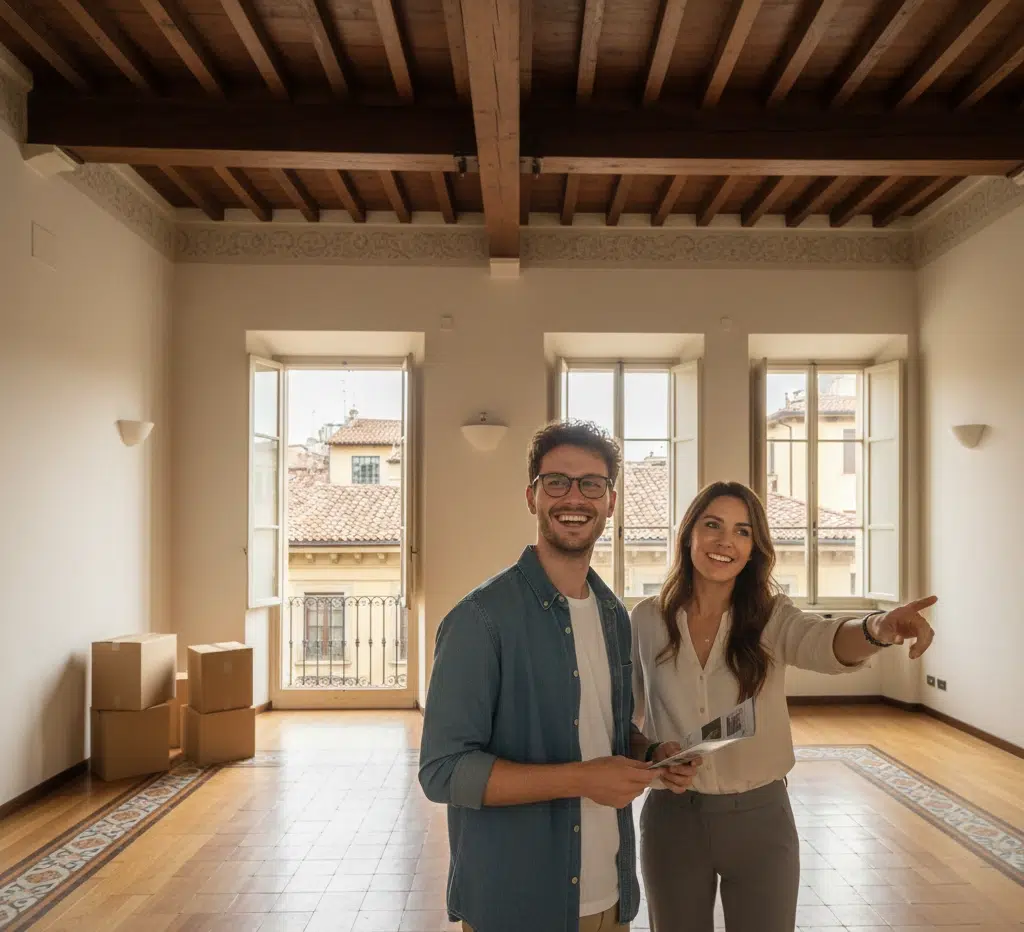
Renting in Emilia-Romagna gives you the chance to explore a dynamic and varied region where the property market differs greatly depending on whether you settle in a large city, along the Adriatic coast, or in the hills of the hinterland. Rents are generally more affordable than in major Italian cities like Milan or Florence, but vary according to available services, proximity to universities, economic hubs, or the coastline.
Bologna has the tightest rental market in the region. As a university city and economic crossroads, it sees strong demand, particularly in the historic centre and around the main university campuses. Rents here are among the highest in Emilia-Romagna, and a significant portion of the housing stock is absorbed by students and short-term lets. For those seeking more stable prices, residential neighbourhoods such as San Donato, Saragozza, or slightly peripheral areas offer more long-term rental options.
By contrast, Parma, Modena, and Reggio Emilia offer more stable markets, well suited to families, local workers, and expats. Rents are more balanced, and the available housing tends to be well maintained, often located in quiet neighbourhoods close to services, schools, and transport. Parma attracts for its quality of life, Modena for its economic dynamism, and Reggio Emilia for its excellent infrastructure.
On the coast, Rimini, Ravenna, and Cesenatico have a particular market dynamic: seasonal rentals dominate, which can reduce the availability of year-round leases close to the beach. Long-term rentals are easier to find in slightly inland neighbourhoods or in neighbouring towns. Rimini is livelier and more tourist-oriented, while Ravenna has a more residential and cultural character.
In the hills and hinterland, around Brisighella, Castelvetro di Modena, Salsomaggiore Terme, or Piacenza, rents are generally lower, with supply geared towards families, retirees, remote workers, and those seeking a quieter daily life surrounded by nature and wine-country landscapes. These areas are ideal for those looking for more spacious accommodation or a peaceful environment.
As elsewhere in Italy, signing a rental lease in Emilia-Romagna typically requires a security deposit of two to three months' rent, as well as agency fees equivalent to one month's rent. Some landlords may also ask for an Italian guarantor, particularly if you do not yet have a local employment contract or if you are self-employed.
Buying a property in Emilia-Romagna
Buying property in Emilia-Romagna opens the door to very different projects depending on the area you choose. A region that is at once cultural, economically strong, and deeply attached to its land, it lends itself to investments that go well beyond simple residential or tourist use.
The influence of cities like Bologna, Parma, and Modena is attracting a growing number of creatives, designers, artisans, entrepreneurs, and digital professionals. Buying a flat or commercial space in one of these historic centres can serve as a workshop, co-working space, creative studio, craft boutique, or an activity linked to culture and gastronomy. Older buildings often offer interesting volumes and an architectural charm that is highly sought after.
Emilia-Romagna is also a region deeply connected to the land. In the hills of Modena, Reggio Emilia, Piacenza, and Parma, buying a rural house, an old casale, or a small plot of land opens the way to agricultural or artisan projects: small-scale production of olive oil, natural wines, cheeses, fresh pasta, aromatic herbs, or typical local products. These sectors, highly valued and often exported internationally, benefit from an expanding market.
In coastal areas, particularly around Rimini, Riccione, Cesenatico, and Ravenna, property purchases lend themselves to sustainable tourism projects: guest houses, boutique accommodation, sports activities (cycling, surfing, hiking), wellness retreats, or slow tourism ventures. The region attracts a varied audience, from Italian families to international visitors seeking authentic experiences.
Thanks to excellent infrastructure and strong digital connectivity, Emilia-Romagna is also an attractive destination for remote workers. Buying a house with a garden, a spacious flat, or a property with a dedicated office space makes it possible to combine a stable professional life with an exceptional quality of life. Many expats choose to combine online work with a small local activity — artisan crafts, property restoration, creative workshops, or tourism hosting.
Finally, the region stands out for the richness of its architectural heritage. In many municipalities, buying an older property means restoring stone houses, village palazzos, country estates, or historic buildings with strong potential. These projects attract heritage enthusiasts, cultural investors, and those with tourism or educational ventures in mind.
Working in Emilia-Romagna
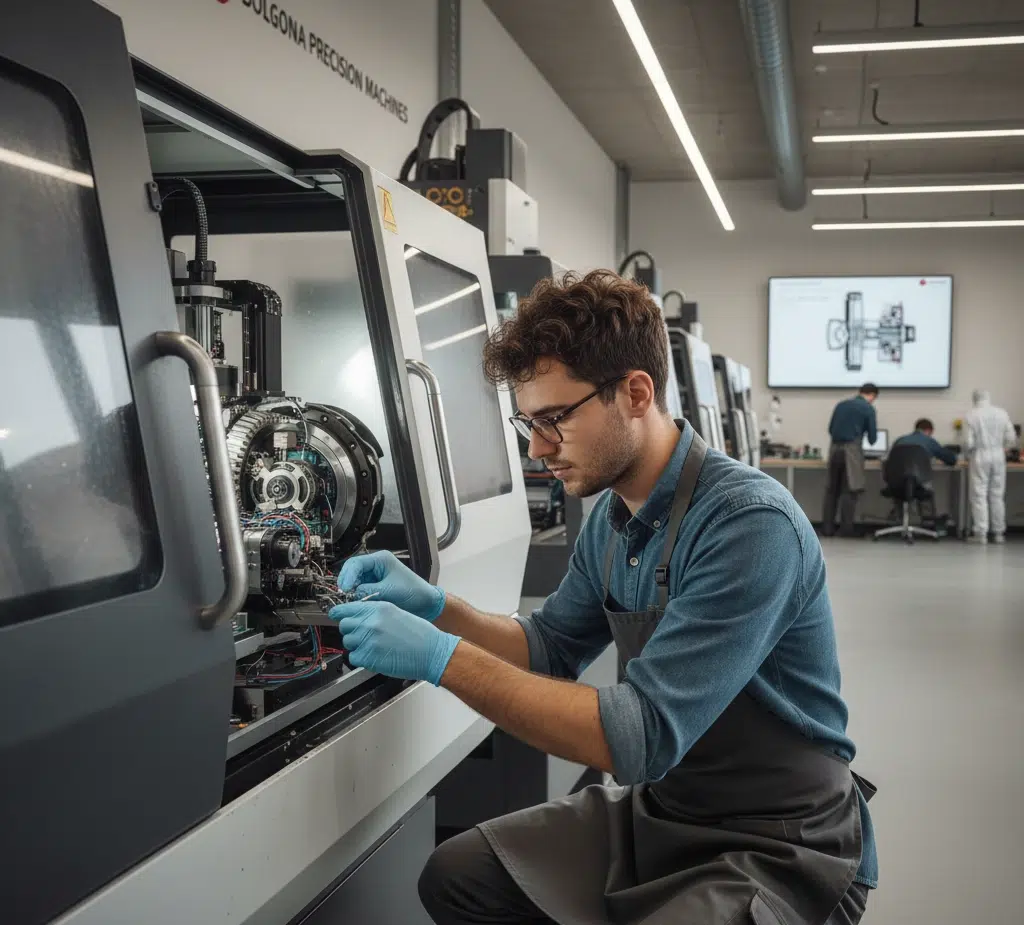
Emilia-Romagna is one of Italy's most dynamic regions, driven by a diversified, innovative economy deeply rooted in sectors of excellence. Its productive fabric rests on several complementary industries that offer numerous opportunities for employees, self-employed workers, and expats alike.
Manufacturing and precision engineering are among the region's key drivers. Modena, Reggio Emilia, Bologna, and Imola are home to world-renowned companies in automotive, robotics, packaging, industrial machinery, and advanced engineering. Ferrari, Ducati, Maserati, and a host of excellent SMEs form a highly attractive ecosystem for engineers, specialist technicians, IT professionals, and skilled operators.
The agri-food sector, a true source of regional pride, also offers abundant opportunities. Parma, Modena, and Reggio Emilia are at the heart of iconic productions: Parmigiano Reggiano, Parma ham, balsamic vinegar, hillside wines, fresh pasta, and IGP/DOP products. These industries seek diverse profiles: production, quality control, logistics, export, international marketing, and food safety.
Tourism is another key pillar, driven by art cities (Bologna, Parma, Ravenna, Ferrara), Adriatic seaside resorts (Rimini, Riccione, Cesenatico), wine-growing hills, and natural parks. The sector is evolving, with growing demand for boutique hospitality, slow tourism, wellness, culture, and gastronomic experiences. Speakers of other European languages are particularly valued in hospitality, tourism marketing, agri-food exports, and upmarket establishments.
Emilia-Romagna also stands out for its highly developed innovation ecosystem: renowned universities, research laboratories, technology hubs, digital start-ups, and companies working in AI and cybersecurity. Bologna, now home to the European supercomputer Leonardo, is attracting a growing number of specialists in data, cloud computing, IT, and advanced technologies.
Public services, healthcare, education, and local government remain significant employers. The region's hospital system is one of the best in Italy, offering opportunities for medical, paramedical, and socio-educational professionals.
In terms of salaries, Emilia-Romagna sits at the upper end of the Italian average, in line with its economic dynamism.
- Employees generally earn between €1,300 and €1,800 net per month.
- Specialists in industry, automation, IT, agri-food, or premium tourism can reach €2,000 to €3,000 net or more, depending on experience.
- Freelancers and self-employed professionals can readily find assignments thanks to the density of local companies and international business activity.
To maximise your chances, it is essential to target industrial companies, agri-food consortia, tourism structures, universities, start-ups, and innovation clusters.
Cost of living in Emilia-Romagna
The cost of living in Emilia-Romagna is moderate relative to its excellent quality of services, but varies considerably depending on whether you settle in a large city like Bologna, an art city like Parma or Modena, along the Adriatic coast, or in the hills of the hinterland. The region remains more affordable than Milan, Florence, or the Veneto for often comparable services, making it an attractive destination for international expats.
In Bologna, rents are the highest in the region: a one-bedroom flat in the city centre averages between €750 and €1,000, driven by strong student and professional demand. Moving away from the historic centre, rents typically fall to between €600 and €800.
In Parma, Modena, and Reggio Emilia, prices are more balanced. A one-bedroom flat in the city centre generally costs €600 to €800, while on the outskirts rents can fall to between €500 and €650. These cities offer excellent value for money, thanks to highly efficient services, modern infrastructure, and a reasonable cost of everyday life.
On the coast, particularly in Rimini, Riccione, Cesenatico, and Ravenna, rents can vary by season. Seafront prices are higher from April to September due to tourism; for a long-term rental
Healthcare and services in Emilia-Romagna
Emilia-Romagna is widely regarded as one of Italy's best-equipped regions for public healthcare. Its dense and modern hospital network covers the entire territory, ensuring quality care whether you live in a major city or a more rural area. Bologna occupies a central role in this system: the Policlinico Sant'Orsola-Malpighi, one of the country's most reputable teaching hospitals, excels across numerous disciplines — from oncology and cardiology to paediatrics, complex surgery, and neuroscience. It is a national reference centre that receives patients from across Italy.
Modena and Parma also have excellent hospital centres capable of handling both routine care and specialist procedures. Orthopaedics, gastroenterology, internal medicine, imaging, and emergency services are all recognised for their efficiency and technical standards. Reggio Emilia is home to the Arcispedale Santa Maria Nuova, a historic institution with modern and highly effective units, particularly in oncology and radiology.
Along the Adriatic coast, cities such as Rimini and Ravenna have hospital and clinic facilities well suited to the everyday needs of residents and the seasonal demands of tourism. For highly specialised procedures, patients are most often referred to Bologna, Modena, or Parma, all connected by a fast and efficient transport network.
The overall quality of healthcare rests on several factors: recognised medical universities, a strong culture of scientific research, well-developed preventive care services, and a regional organisation that places access to healthcare at the heart of its priorities. Waiting times can vary depending on the speciality and the time of year, as elsewhere in Italy, but emergency care is notably efficient, and follow-up treatments benefit from high-quality infrastructure.
Mobility between cities also makes accessing care easier: frequent train services, well-maintained roads, and relatively short distances mean that even the most specialised hospital centres are easy to reach. In rural communes or hill areas, a car is often necessary to reach major regional facilities, but the entire territory benefits from a solid and reliable hospital network.
International expats in Emilia-Romagna

Emilia-Romagna is home to one of the most active expat communities in northern Italy. Drawn by the excellent quality of life, efficient public services, economic dynamism, and the appeal of cities like Bologna, Parma, and Modena, a growing number of foreigners are choosing to settle here on a long-term basis. According to Tuttitalia data, several hundred foreign residents from various countries already live in the region — a figure that continues to grow, concentrated mainly in the large university and cultural cities.
Bologna is the city that attracts the most international residents. Its cosmopolitan atmosphere, historic university, technology hubs, and extensive transport network make it a natural choice for students, young professionals, researchers, and remote workers. The city offers a rich cultural environment and an open, international outlook that makes integration straightforward.
In Parma and Modena, expats appreciate the relaxed pace of life, the exceptional quality of services, safety, and the presence of outstanding sectors such as agri-food, precision engineering, and classical music. These cities are particularly appealing to families who want to settle in Italy in a stable, elegant, and well-structured environment.
Along the Adriatic coast, particularly in Rimini, Riccione, and Cesenatico, the international expat presence is more scattered but very real. These destinations attract remote workers, active retirees, and tourism entrepreneurs seeking a balance between sea, mild climate, and modern infrastructure. Slow tourism, gastronomy, and outdoor activities further enhance the region's appeal for those who want to live by the sea while remaining close to cultural hubs.
In the wine-growing hills and rural villages around Piacenza, Reggio Emilia, and Forlì-Cesena, a different expat profile is emerging: couples and families seeking a more nature-oriented lifestyle, renovating a countryside home, launching a B&B, setting up a small agritourism venture, pursuing artisan crafts, or simply working remotely in a peaceful setting. These areas offer an authentic alternative, with more accessible costs and genuine closeness to local communities.
Unlike some heavily touristic Italian regions, Emilia-Romagna does not have a highly visible, concentrated expat community. On the contrary, newcomers tend to integrate smoothly into local life, benefiting from the warmth of the people, administrative efficiency, and a balanced way of living that is more affordable than the major northern cities yet just as dynamic.
Choosing to live in Emilia-Romagna means combining quality of life, professional opportunities, and easy integration. The region offers an ideal environment for anyone looking to settle in Italy — whether to study, work, start a business, enjoy the sea, or live in the hills. It is a lasting, culturally rich, and accessible destination, perfectly suited to building a serene life at the heart of central-northern Italy.
FAQs
1- Do I need to speak Italian to live in Emilia-Romagna?
A good level of Italian is strongly recommended, even though Emilia-Romagna is more internationally oriented than many other Italian regions. In Bologna, Parma, Modena, and Rimini, it is common for young people, students, and professionals to have some knowledge of English. However, for administrative procedures, healthcare, work, daily life, and social integration, speaking Italian remains essential. Steady progress in the language will make your move significantly easier.
2- What is the cost of living in Emilia-Romagna?
The cost of living varies from city to city. Bologna is the most expensive, due to strong student and professional demand, while Parma, Modena, Reggio Emilia, and Ravenna are more affordable. In smaller towns and rural areas, prices are noticeably lower. Overall, Emilia-Romagna offers excellent value for money: high-quality public services, efficient transport, affordable local gastronomy, and a very high standard of living.
3- How do I find housing in Emilia-Romagna?
Your search can begin on Italy's main property portals, which are very active across the region. However, in historic centres such as Bologna, Parma, and Modena, demand is high and properties go quickly. Having support from a local expert or a specialist professional can help you understand the specifics of Italian rental agreements, avoid overly tourist-oriented properties, and ensure all procedures are handled correctly — including document checks, land registry verification, and contractual conditions.
4- What are the advantages of Emilia-Romagna for expats?
Emilia-Romagna combines economic dynamism, exceptional cultural heritage, and one of the highest qualities of life in Italy. Expats value the safety, efficiency of public services, reliable transport, prestigious universities, welcoming locals, and a culinary tradition unlike anywhere else in the world. The region strikes an ideal balance between vibrant cities, charming villages, wine-growing hills, and the Adriatic coast. It is a perfect destination for settling, working, starting a business, or simply enjoying an authentic Italian lifestyle without sacrificing comfort.