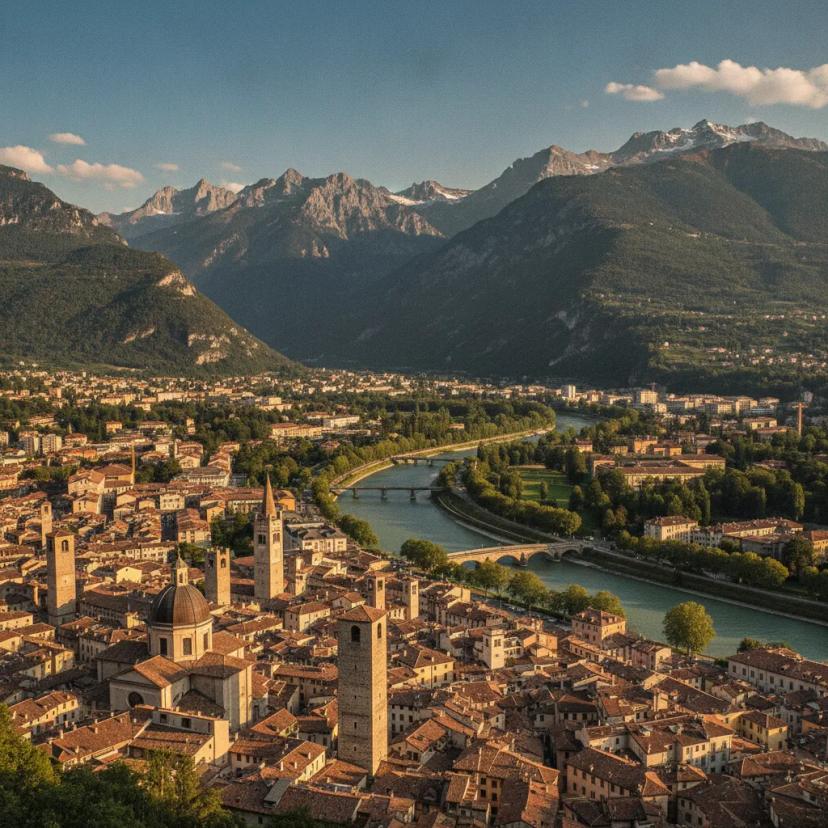
Living in Tuscany: hills, olive groves, and art towns
Living in Tuscany means embracing the Italian art of living — beauty, culture, and quality of life — while exploring its enchanting villages and landscapes.

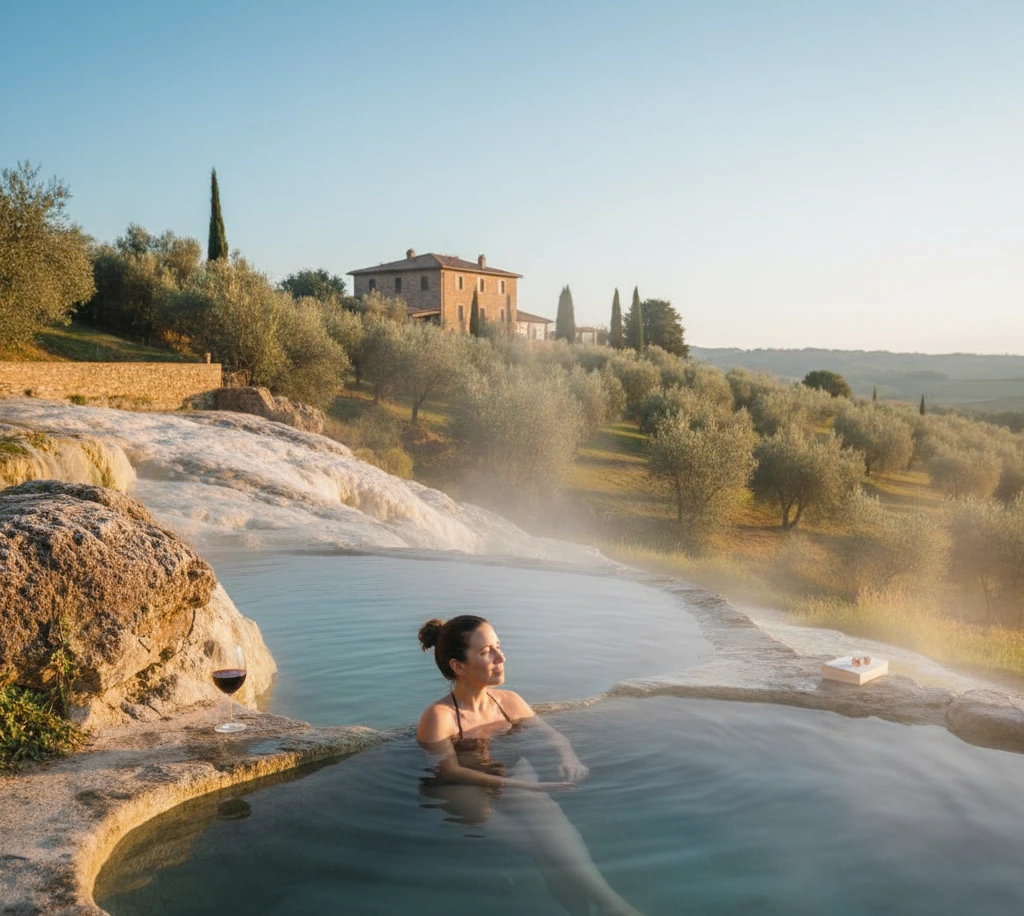
Living in Tuscany means immersing yourself in the most iconic side of Italy — where art, nature, and the dolce vita come together. From the golden hills of Chianti to the medieval lanes of Siena, from Florence's world-class museums to the rolling landscapes of Val d'Orcia, this region embodies Italian elegance and beauty in every sense. Each village tells a story, every view feels like a painting, and every meal becomes a moment of genuine pleasure and connection.
Yet beyond its extraordinary heritage, Tuscany offers a rare quality of life: a pleasant climate, a globally celebrated food and wine culture, and a relaxed pace of living. Florence, Pisa, Lucca, and Arezzo attract culture lovers and entrepreneurs alike, as well as families seeking the perfect balance between professional life and personal well-being.
In this guide, we explore why Tuscany appeals to so many expats, which areas are best suited for settling down, how to find housing, find work, and understand the cost of living. We also cover the key administrative steps and infrastructure quality that make Tuscany an ideal destination for combining a high quality of life with real professional opportunities.
Aller en Italie
Relocation experts · since 2020
4.9
How many steps separate you from Italy?
A tailored offer based on your needs — in 3 min, no commitment
Tell us about your project
Profile, area, buying or renting
We select your services
From 50+ services in English
Receive your quote
Clear, detailed, personalized
*Indicative and customizable quote, no contractual commitment.
Free · 3 min · in English · no commitment
Create my offerWhy choose to live in Tuscany?


Renting an apartment in Tuscany
Renting a home in Tuscany means enjoying a rare balance of quality of life, heritage, nature, and culture, in one of Italy's most sought-after regions. Tuscany attracts a growing number of international expats every year, drawn by its lifestyle and authenticity.
The rental market is varied, but often more competitive than in southern Italy. In Florence, rents are comparable to other major Italian cities: expect to pay between €900 and €1,200 per month for a one-bedroom apartment in the historic centre, and between €650 and €850 in residential neighbourhoods such as Campo di Marte or Gavinana. In Pisa and Livorno, prices are more affordable, around €600 to €800, while in rural areas such as Chianti, Val d'Orcia, or the Maremma, it is still possible to find charming houses at reasonable prices, often between €500 and €700 per month.
However, as in many tourist regions of Italy, a significant share of the market is dominated by short-term holiday rentals. In highly touristic areas such as Florence, Siena, and the Tuscan coast, many properties are let by the week or month, especially between April and October. Finding a long-term rental can therefore require persistence and forward planning.
Rental contracts typically follow the standard "4+4" model — four years, automatically renewable — with a six-month notice period to terminate. For shorter stays, the contratto transitorio (1 to 18 months) is the most practical option, particularly for expats, students, or people in the process of settling in.
At the time of signing, landlords generally require a security deposit equivalent to two or three months' rent, while agency fees typically amount to one additional month's rent.
Buying a house in Tuscany
Buying a house in Tuscany means investing in one of Italy's most iconic regions, where heritage, nature, and a refined way of life blend seamlessly. Renowned worldwide for its rolling landscapes, medieval villages, and gastronomic excellence, Tuscany has long attracted foreign buyers in search of beauty, tranquillity, and authenticity. Buyers from across Europe and beyond are consistently drawn by the quality of life and the enduring value of Tuscan real estate.
Prices vary considerably depending on the area. In Florence, apartments in the historic centre are often priced between €4,000 and €6,000 per m², or even higher for properties with views or in the most prestigious neighbourhoods. In art cities such as Siena, Lucca, and Pisa, prices tend to fall around €2,500 to €4,000 per m², depending on the condition of the property and its proximity to the centre. In rural areas such as Chianti, the Maremma, or Val d'Orcia, it is still possible to find beautiful stone houses in need of renovation from as little as €1,200 to €1,800 per m², or vineyard properties and agriturismi already restored, priced between €2,500 and €3,500 per m².
Tuscany remains one of the most stable property markets in Italy, with sustained demand — particularly for second homes and tourism-related projects (guesthouses, rural retreats, agriturismi). The region's timeless appeal and international reputation ensure strong long-term property values and excellent seasonal rental potential, especially in tourist areas around Florence, Siena, San Gimignano, Cortona, and the Etruscan Coast.
Before purchasing, it is essential to verify the cadastral and planning compliance of the property, as many older homes have been extended or renovated without full documentation. Working with bilingual professionals helps avoid costly mistakes, ensures the legal integrity of the purchase, and clarifies the tax implications of buying property in Italy.
Working in Tuscany
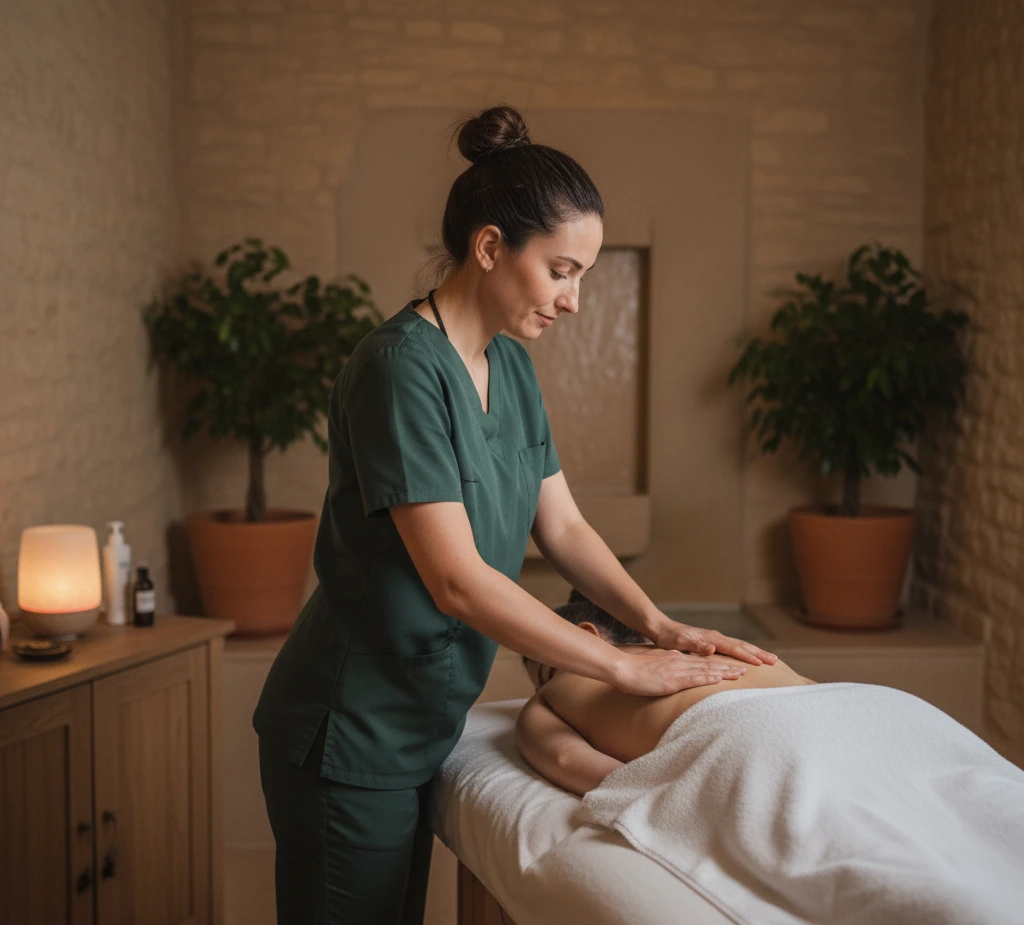
Working in Tuscany means combining professional opportunities with an outstanding quality of life in one of Italy's most attractive regions.
The Tuscan economy is built on several key sectors: quality food and wine production (Chianti wines, olive oil, local cheeses), high-end tourism, fine craftsmanship (leather goods, jewellery, ceramics), fashion and design, and industrial and green technologies. Florence and Prato are major hubs for fashion and textiles, while Pisa and Siena stand out in research, biotechnology, and digital services. The continued growth of sustainable tourism, accommodation businesses, and agriturismi also generates numerous job opportunities, particularly for internationally minded professionals.
In terms of pay, salaries in Tuscany are slightly above the Italian national average. A typical employee earns around €1,500 to €1,900 net per month, while skilled professionals (engineers, architects, project managers, sales managers, or hospitality professionals) can earn €2,500 to €3,000 net. The cost of living, though somewhat higher in major cities like Florence and Pisa, remains balanced thanks to a stable market and strong infrastructure.
To find a job in Tuscany, it is advisable to check Italian job platforms regularly, such as Indeed Italia, Subito Lavoro, and Jooble, and to keep your LinkedIn profile up to date in Italian. A good command of the language is essential for integration, but bilingual profiles are in high demand in tourism, hospitality, culture, and international trade.
Cost of living in Tuscany
The cost of living in Tuscany is moderate relative to the quality of life on offer, though it varies considerably depending on where you choose to settle. It is a region where comfort, culture, and natural beauty more than justify a cost of living that can be slightly above the Italian average. Florence, Pisa, and Siena are among the priciest cities in central Italy, while more rural areas such as Arezzo, Grosseto, and Lucca offer an excellent value for money.
In Florence, a single person typically spends around €1,600 to €1,900 per month, including rent. A one-bedroom apartment in the city centre generally costs between €1,000 and €1,300, compared to €700 to €900 in outer neighbourhoods. In medium-sized towns or rural areas — such as Pistoia, Arezzo, or Livorno — the overall monthly budget often drops to around €1,200 to €1,400, while still enjoying a green, peaceful environment.
Food is both affordable and of exceptional quality, with an abundance of local products: Chianti wines, olive oil, fresh vegetables, cheeses, and artisan charcuterie. Public transport is well organised, especially between major cities, with a monthly pass costing around €40 to €55. That said, in rural or coastal areas, a car is often essential for getting around freely.
When it comes to leisure, Tuscany is a living open-air museum: galleries, festivals, walks through the hills, visits to medieval villages, and wine tastings — cultural and outdoor activities are plentiful and accessible. Prices remain reasonable compared to other European tourist regions, allowing you to fully enjoy the Tuscan art of living, where culture, gastronomy, and nature find a perfect balance.
Healthcare and public services in Tuscany
Tuscany is widely recognised as one of the Italian regions offering the highest quality healthcare and public services in Italy, thanks to a modern, well-structured, and accessible health system. The region has long invested in preventive care, local accessibility, and medical research, while maintaining high standards of expertise across both public and private facilities.
In Florence, the Careggi University Hospital (Azienda Ospedaliero-Universitaria Careggi) is one of the most respected hospitals in Italy, with centres of excellence in cardiology, oncology, neurology, and advanced surgery. In Pisa, the Policlinico di Santa Chiara is particularly well regarded for neurosurgery and experimental medicine, while in Siena, the Policlinico Le Scotte houses a major university and medical research centre.
In rural and coastal areas such as Grosseto, Arezzo, and Livorno, hospitals are smaller but well equipped, ensuring consistent access to care across the entire region. Many facilities collaborate with the Universities of Florence and Pisa, training new doctors and specialists across a wide range of medical disciplines each year.
In terms of infrastructure, Tuscany benefits from a well-developed transport network: regional trains, motorways, and international airports (Florence-Peretola and Pisa Galileo Galilei) ensure excellent connectivity with the rest of Italy and Europe.
This combination of medical quality, accessibility, and innovation makes Tuscany an ideal region for a secure and fulfilling life, backed by one of the best healthcare systems in Italy.
The international expat community in Tuscany
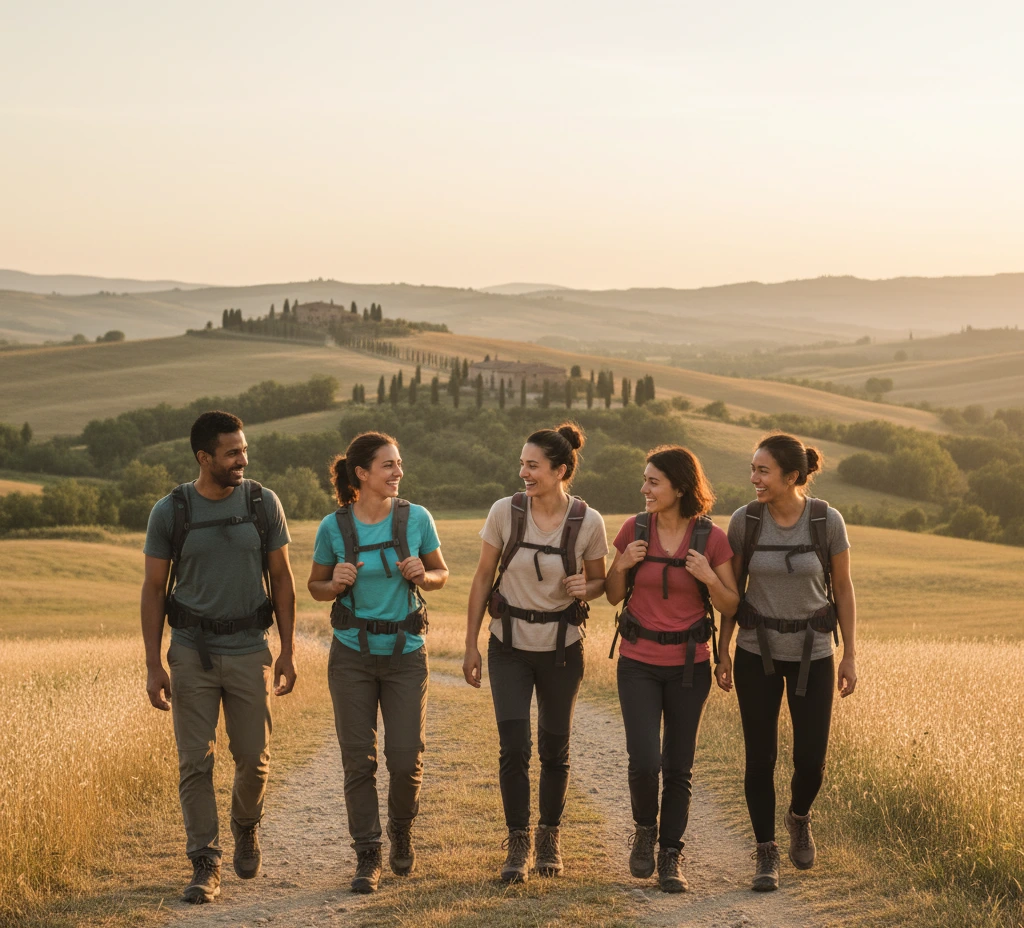
In 2025, Tuscany continues to attract a growing number of international expats and foreign residents, drawn by its lifestyle, exceptional heritage, and real estate investment opportunities. According to data from Tuttitalia, the permanent foreign community now numbers several thousand residents, concentrated primarily in major cities such as Florence, Lucca, Pisa, and Siena, as well as in select rural areas prized for their charm and tranquillity.
This presence reflects the region's broad appeal: high quality of life, safety, pleasant climate, and a property market that remains accessible compared to other prestigious Italian regions such as Lombardy or Liguria. Many expats have chosen Tuscany to work remotely, open a bed and breakfast, or invest in a holiday home nestled in the Tuscan hills.
In Florence, the regional capital and a major cultural centre, the expat community is particularly active: international schools and local associations support integration and cross-cultural exchange. Lucca and Pisa, quieter but equally well located, attract expat families and retirees looking for a more relaxed setting, while Chianti, the Maremma, and Val d'Orcia draw those seeking nature and an authentic rural lifestyle.
The foreign presence is also visible in the tourism and craft sectors, with projects involving the renovation of farmhouses, the opening of agritourismi, and the creation of cultural workshops. This dynamic continues to strengthen the ties between the international community and Tuscany — two worlds united by a shared passion for culture, gastronomy, and heritage.
Moving to Tuscany means choosing an elegant and harmonious Italy, where every day brings beauty, history, and a sense of calm. With a well-established expat community and an environment that encourages connection, Tuscany stands out as one of Italy's most welcoming and inspiring regions for those who want to live or invest here.
FAQs
1- Do you need to speak Italian to live in Tuscany?
Speaking Italian makes everyday life in Tuscany significantly easier, especially for administrative tasks and building genuine connections with locals, who take great pride in their language and culture. In larger cities such as Florence, Pisa, and Siena, a fair number of people speak English, particularly in professional and tourist settings. However, learning Italian remains essential for truly integrating, forming meaningful relationships, and appreciating the full richness of local life.