Living in Veneto: art, lagoons, and an exceptional quality of life
Discover Veneto, a culturally rich region of art, lagoons, and gastronomy — an ideal destination for those seeking an exceptional quality of life.


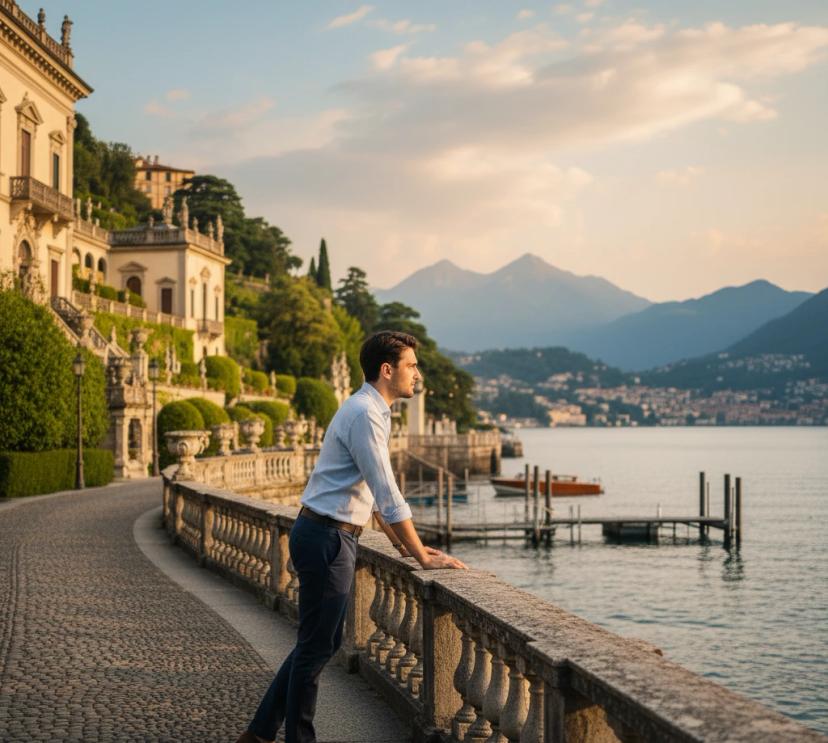
Living in Veneto means choosing a refined, dynamic, and deeply cultural region, nestled between the Adriatic Sea, wine-covered hills, and world-famous art cities. From the romantic alleyways of Venice to the palaces of Vicenza, from the colourful markets of Padua to the Palladian villas along the Brenta, from the landscapes of Lake Garda to the beaches of Jesolo and Caorle, Veneto attracts a growing number of expatriates every year in search of an inspiring, history-rich, and forward-looking place to call home.
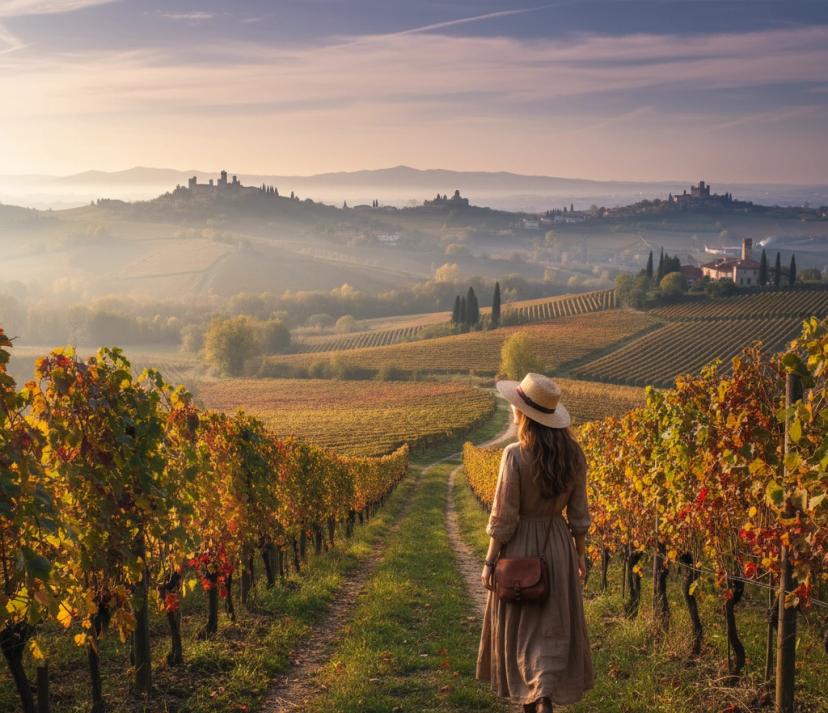
Life here follows the rhythm of the seasons and local traditions: gondolas and lagoons, Prosecco vineyards, seaside resorts, the accessible Dolomites, local markets, cultural festivals… Venetian cuisine reflects the region's plural identity: risotto al nero di seppia, sarde in saor, bigoli in salsa, lagoon fritto misto, Soave and Valpolicella wines… A way of life that blends the sea, the land, and centuries of influence from the East and Central Europe.
In this article, we explore why so many expatriates choose to settle in Veneto, which areas are the most appealing — Venice, Verona, Padua, Vicenza, Treviso, Chioggia, Lake Garda, and the Adriatic coast — and how to rent or buy a home there. We also cover professional opportunities, cost of living, key administrative steps, and the quality of public services, including the region's excellent healthcare system.
Aller en Italie
Relocation experts · since 2020
4.9
How many steps separate you from Italy?
A tailored offer based on your needs — in 3 min, no commitment
Tell us about your project
Profile, area, buying or renting
We select your services
From 50+ services in English
Receive your quote
Clear, detailed, personalized
*Indicative and customizable quote, no contractual commitment.
Free · 3 min · in English · no commitment
Create my offerWhy choose to live in Veneto?

Living in Veneto means choosing a refined, luminous, and deeply cultural region — one of Italy's richest in heritage, art, and tradition. Between lagoons, vineyard-covered hills, art cities, and Adriatic beaches, Veneto has a strong identity shaped by centuries of history, international trade, cultural exchange, and the legacy of the Serenissima Republic.
Everything here evokes an elegant and sophisticated Italy: Gothic palaces reflected in Venice's canals, Palladian villas along the Brenta, trattorias in Verona, historic cafés in Padua, traditional markets in Vicenza, mouth-blown glass from Murano, and Prosecco vineyards sculpting the hillsides. Everywhere you feel the pleasure of craftsmanship, the art of detail, warm and understated hospitality, architectural beauty, and a culture deeply rooted in its landscape.
Situated between the Dolomites and the Adriatic, historically open to Northern Europe through its ancient trade routes, Veneto offers a rare balance between vibrant cities, preserved natural landscapes, and family-friendly seaside resorts. From the romantic streets of Venice to the theatres of Verona, from Lake Garda to the beaches of Jesolo and Caorle, through the hills of Valdobbiadene and the fortified villages of Treviso, Veneto embodies a wealthy, creative, elegant Italy that looks outward to the world.
With Venice as its regional capital — a cultural, tourist, and economic hub — Veneto attracts expatriates seeking inspiration, families looking for a safe and green environment, and professionals drawn to a dynamic business landscape. Here, Italian values take on a distinctive character: a passion for art and craftsmanship, culinary excellence, a strong sense of commerce, respect for heritage, and a genuine love of living well.
Veneto's economy rests on several pillars: cultural and seaside tourism, premium food and drink (Prosecco, Valpolicella wines, cheeses, rice, lagoon fish), fashion and design, port logistics, traditional craftsmanship (Murano, Burano), and industrial innovation, with strong university hubs and active research centres. And living in Veneto is not only about work — it means embracing a way of life shaped by history, culture, good food, and landscapes that inspire every single day.
THEY TALK ABOUT US
Maisons & Jardins · Le Figaro · Challenges
« Founded on solid field experience and an in-depth knowledge of Italian procedures. »
Jessica Colpin, co-founder — Maisons & Jardins France, Jan.–Feb. 2026
Where to settle in Veneto?
Settling in Veneto means accessing a region of rich contrasts, where each area offers a different lifestyle — art cities, seaside resorts, lakeside scenery, and wine-growing hills. Despite this diversity, the region is well organised and coherent, making it relatively easy to find a location that suits your life plans.
Venice appeals to those who want daily life steeped in history, art, and culture — with a local rhythm far calmer than imagined once you step away from the tourist circuits. Padua and Verona attract working professionals and families who want to combine urban energy, heritage, reputable universities, and modern infrastructure. More compact and elegant, Vicenza offers an excellent balance between cultural life, tranquillity, and accessibility.
For those seeking the sea, the Adriatic coast resorts of Jesolo, Caorle, Bibione, and Chioggia (Sottomarina) are popular for their family-friendly atmosphere, long beaches, and well-developed amenities — ideal for a primary or secondary residence. Around Lake Garda, towns such as Peschiera, Lazise, and Bardolino offer a lush, peaceful setting, appreciated by retirees and families who want a calm environment without straying too far from services.
Inland villages, particularly in the Prosecco hills and around Treviso, represent an ideal alternative for those who prioritise nature, authenticity, and more affordable property prices, while remaining close to major urban centres.
Aller en Italie
French expatriation expert · since 2020
4.9
71 verified reviews
1,500+ expats supported
50+ services with French-speaking professionals
20 regions covered
Local consultants on the ground in Italy
Free appointment · 15 min · in French · no commitment
Book an appointmentEssential steps for moving to Veneto

Settling in Veneto requires good preparation to avoid administrative surprises and ensure a smooth arrival in a region where art cities, lagoons, seaside resorts, and vineyard hills coexist harmoniously. As soon as your plans start to take shape, the first step is to apply for your codice fiscale, the Italian tax identification number. This personal number is essential for all administrative procedures: renting a flat in Padua, buying a property near Lake Garda, setting up a utilities contract, or signing an employment contract. It can be obtained free of charge from the Agenzia delle Entrate in Veneto, or from the Italian consulate in your home country before you arrive.
Once you are settled on a long-term basis, you will need to register your residency with the comune of your new town. This official registration formalises your presence in Italy and gives you access to essential services: the healthcare system, local taxation, vehicle registration, school enrolment rights, and municipal services.
In Veneto, administrative procedures can vary slightly from one comune to another. Larger cities such as Venice, Verona, Vicenza, and Padua generally have well-organised and increasingly digitalised services. In smaller municipalities, particularly around the Prosecco hills, Lake Garda, or the Adriatic coast, procedures may take longer or require more documentation. It is therefore advisable to check directly with the relevant comune for the required documents and processing times.
For a complete relocation to Veneto, also remember to:
- open an Italian bank account, useful for paying certain local taxes or property-related costs;
- register for the waste disposal tax (TARI);
- find out about restricted traffic zones (ZTL), which are common in the historic centres of Venice, Verona, Treviso, and Padua;
- check residential parking regulations, which are particularly strict in tourist and coastal areas.
If you are not yet fluent in Italian or would like support throughout the process, a specialised team can save you valuable time, keep your paperwork on track, and help you avoid costly mistakes. Personalised assistance will make your move to Veneto smoother and more secure — so you can quickly start enjoying life between lagoons, art cities, the Adriatic, and rolling vineyard landscapes.
Renting a flat in Veneto
Renting a home in Veneto gives you access to a dynamic and varied region where the property market differs greatly depending on whether you settle in an art city, on the Adriatic coast, near Lake Garda, or in the inland wine country. Rents can be high in tourist and historic areas, while more residential or rural municipalities offer more affordable alternatives.
Venice is one of the most distinctive markets: historic neighbourhoods such as Dorsoduro, Cannaregio, and San Marco command high rents, while Mestre and Marghera, located on the mainland, offer more accessible prices with good transport links to the lagoon. The market moves quickly, so you often need to act fast when a property matches your criteria.
Padua, Verona, and Vicenza appeal to students, families, and working professionals thanks to their universities, quality infrastructure, cultural offer, and solid economic base. City-centre neighbourhoods are pricier, but well-connected areas such as Arcella in Padua, Borgo Roma in Verona, and San Pio X in Vicenza offer more balanced rents.
Along the Adriatic coast, seaside resorts such as Jesolo, Caorle, Bibione, and Chioggia–Sottomarina offer an attractive market, though it is heavily influenced by tourism: short-term holiday rentals dominate near the seafront. Annual leases do exist, but they tend to be fewer and more expensive right on the beach. A short distance inland, however, rents are more stable year-round.
Around Lake Garda, towns such as Peschiera, Lazise, and Bardolino are in high demand, particularly among families and retirees. Rents are higher, but the quality of life, services, and green spaces justify the cost. By contrast, villages in the Prosecco hills and the Treviso hinterland offer lower rents while remaining close to major roads and good infrastructure.
When signing a rental agreement in Veneto, you should generally budget for two to three months' security deposit, as well as agency fees equivalent to one month's rent, as is standard across most of northern Italy. Depending on the municipality, some landlords may also require an Italian guarantor or proof of employment.
Buying a property in Veneto
Buying a property in Veneto means investing in one of Italy's most solid regions, driven by year-round cultural tourism, a dynamic economy (industry, universities, craftsmanship, agri-food), and a highly sought-after architectural heritage.
This stable property market attracts buyers looking to live near art cities such as Venice, Verona, Padua, or Vicenza, as well as those seeking a secondary residence on the Adriatic coast (Jesolo, Caorle, Bibione, Chioggia–Sottomarina) or around Lake Garda (Bardolino, Lazise, Peschiera). The region also offers genuine opportunities in the wine-growing hills of Prosecco and the Treviso hinterland, where properties requiring renovation retain attractive prices and strong heritage potential.
Given the high proportion of older properties subject to specific planning and conservation regulations, a cadastral check and legal due diligence are essential to secure a safe property purchase in Veneto, particularly in historic centres or protected zones. With the right preparation and expert support, buying in this culturally rich, tourist-friendly, and economically stable region represents a sound investment — whether to live year-round, enjoy a seaside retreat, or develop a profitable rental project.
Working in Veneto
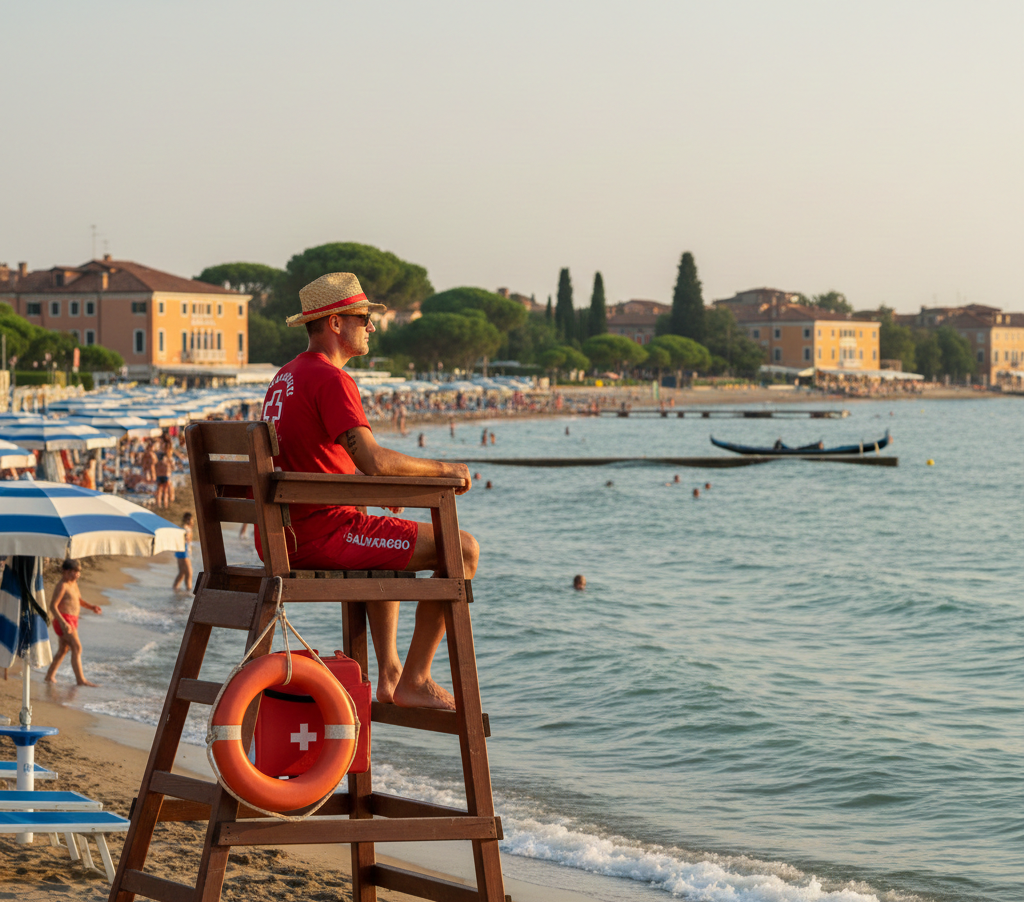
Veneto's economy rests on several strong and complementary sectors: cultural and seaside tourism, highly developed around Venice, Verona, Padua, and the Adriatic coast (Jesolo, Caorle, Bibione, Chioggia–Sottomarina); port and maritime logistics, concentrated notably in Venice and Chioggia, where commercial freight and passenger transport play a major role; advanced manufacturing, with a dense network of companies specialising in design, fashion, precision engineering, robotics, and chemicals; as well as artisanal craftsmanship (Murano glass, Burano lace) and premium agri-food production, underpinned by designation products such as Prosecco, Valpolicella wines, Vialone Nano rice, and mountain cheeses. The hotel sector, restaurants, museums, and tourism services hire regularly, particularly from March to October.
Salaries in Veneto are in the upper range for north-eastern Italy: an employee typically earns between €1,300 and €1,700 net per month, while qualified profiles — engineers, logistics specialists, tourism managers, digital marketing experts, glassworkers, designers, or export managers — can reach €2,000 to €2,800 net depending on experience and sector. Seasonal opportunities are plentiful, particularly on the Adriatic beaches, around Lake Garda, and in the art cities, where tourist activity extends over a long period.
To maximise your chances of finding a job in Veneto, it is essential to use Italian job platforms (Indeed Italia, Subito Lavoro, Bakeca), to adapt your CV to Italian standards, and to keep your LinkedIn profile in Italian. Internationally oriented companies — hotels, wineries, ports, design firms, export businesses, and cultural tourism operators — regularly seek bilingual profiles, which are particularly valued in a region with such strong tourism and commercial links.
Cost of living in Veneto
The cost of living in Veneto is broadly competitive compared to Italy's most popular tourist regions, making it an appealing destination for expatriates seeking a lifestyle rich in culture, nature, and history. According to Numbeo data, in Venice, a one-bedroom flat in the city centre costs on average approx. €1,090/month, while outside the centre rents drop to around €638/month. For a single person, monthly expenses excluding rent in Veneto are estimated at around €907 in Padua.
Day-to-day costs remain very reasonable: food, public services, and transport are generally moderately priced. For example, a monthly transport pass in Venice costs around €37, while a meal for two at a mid-range restaurant is around approx. €70. That said, some highly touristic or popular areas (historic centre, busy coastal strips, Lake Garda) can be more expensive, particularly for rents and tourist-facing services.
When planning your move to Veneto, allow for a reasonable monthly budget: for a single person, including rent outside the centre or in a less central area, a budget of approx. €1,200 to €1,600 can be sufficient to live comfortably. If you opt for a prime address (Venice, Lake Garda, seafront), you should plan for a higher budget.
Ultimately, thanks to the quality of life, well-developed infrastructure, and quick access to the sea, the lake, and the hills, living in Veneto appeals equally to those relocating for work, those planning for retirement, and those seeking a year-round base combining heritage, modernity, and natural beauty.
Healthcare and public services in Veneto
Veneto benefits from a modern and extensive hospital network, supported by highly reputed centres — particularly in the areas of Verona, Padua, and Venice. The Azienda Ospedale Università di Padova is one of Italy's most prestigious institutions: a university centre of excellence recognised for medical research, complex surgery, cardiology, neurology, and oncology. In Verona, the Ospedale Borgo Roma and Ospedale Borgo Trento are regional reference centres, particularly for paediatrics, emergency care, and transplantation. Venice and Mestre are served by the Ospedale dell'Angelo, a modern facility covering the majority of specialist care for the province.
In tourist areas such as Lake Garda (Desenzano, Peschiera del Garda) and the Adriatic coast (Jesolo, Chioggia, Caorle), local facilities provide good primary care, often reinforced in summer due to the influx of visitors. However, for specialist treatment or complex procedures, patients are generally referred to Padua or Verona, where specialist centres and advanced equipment are concentrated.
As in many Italian regions, waiting times can vary depending on the season and type of appointment: emergency services and certain diagnostic tests may experience longer waits, especially in tourist areas during summer. Nevertheless, the overall quality of care remains high, thanks to sustained regional investment in public health and close collaboration with universities.
Veneto is well served in terms of transport, facilitating access to hospitals: frequent regional trains, a dense road network, and fast connections between major cities and hospital centres. Venice Marco Polo airport and Treviso Antonio Canova airport provide essential national and international links for both professionals and expatriates. In rural mountain areas (the Belluno Dolomites) or some isolated villages on the plain, however, a car remains indispensable, as public transport is less frequent and distances to reference facilities are greater.
International expatriates in Veneto
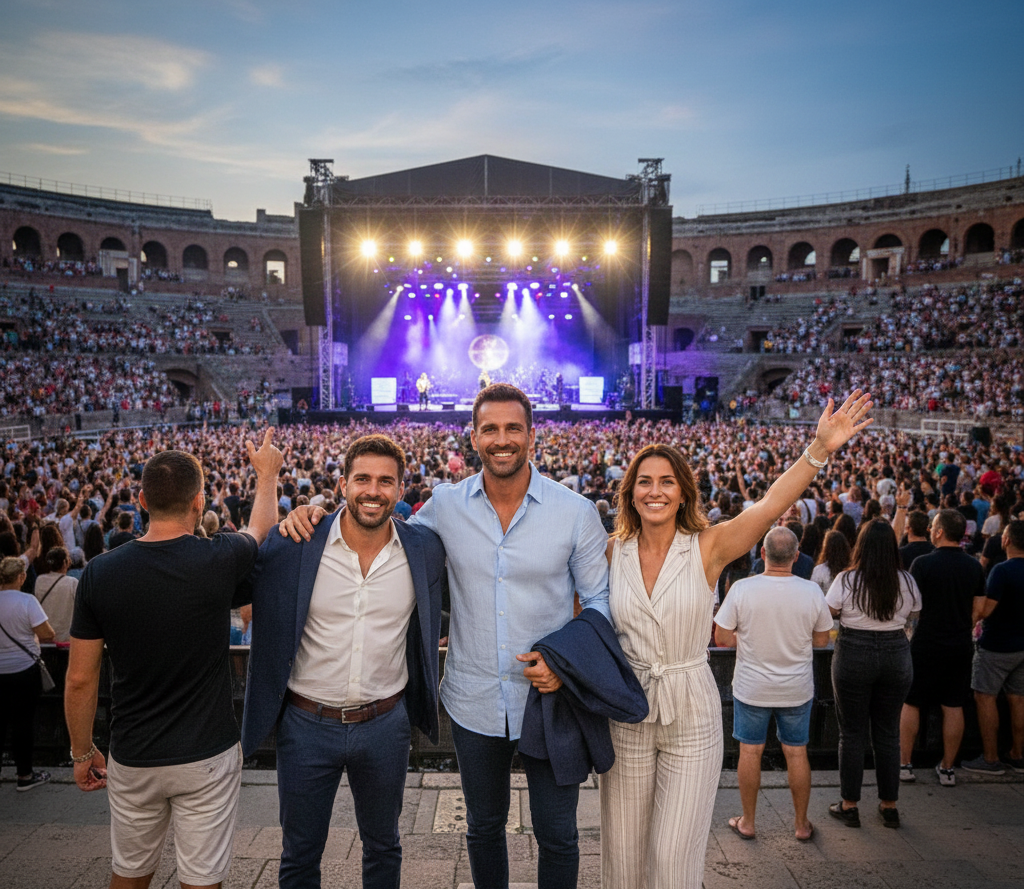
In 2025, Veneto stands out as one of Italy's most attractive regions for expatriates looking to settle, invest, or work remotely. Situated between the Dolomites and the Adriatic Sea, it combines economic vitality, exceptional heritage, varied landscapes, and a property market that remains accessible outside the most heavily touristed areas.
Newcomers settle primarily in Padua and Verona, two major university and cultural cities with solid economic centres spanning healthcare, technology, finance, industry, and research. They are popular for their quality of life, transport networks, top-level medical services, and a more balanced housing offer than in coastal zones. Residential neighbourhoods such as Borgo Trento (Verona) and Prato della Valle (Padua) are among the most sought-after for buying or renting.
Around Venice and Mestre, the property market draws those working in aviation, culture, high-end tourism, or international business. Mestre is a more practical and affordable alternative to historic Venice, where the majority of housing is geared towards short-term tourist lets. The Adriatic coast, notably Jesolo, Caorle, and Chioggia, attracts investors interested in seafront properties and seasonal rentals.
More rural areas, such as the province of Vicenza and the countryside around Treviso, appeal to families and retirees in search of peace, greenery, and more spacious properties — sometimes requiring renovation — while remaining close to major cities. These areas also offer numerous opportunities for agritourism, guesthouses, and projects linked to wine and local gastronomy.
Choosing to live in Veneto means benefiting from a dynamic economic fabric, an outstanding cultural heritage, varied landscapes spanning sea, art cities, and mountains, and more property opportunities than many expect — in one of the most influential regions of northern Italy.
FAQs
1 — Do I need to speak Italian to live in Veneto?
Yes. In tourist areas (Venice, Verona, Padua, Jesolo), English is widely used, especially in hospitality, culture, and retail. However, for administrative procedures, healthcare, schooling, stable employment, and genuine integration into local life, a working knowledge of Italian becomes essential. In smaller towns and rural areas, Italian is the only language in use.
2 — What is the cost of living in Veneto?
Veneto has an intermediate cost of living — higher in art cities and coastal resorts, and more reasonable inland.
- Padua, Verona: €1,500 to €2,100/month (including rent).
- Mestre, Vicenza, Treviso: €1,300 to €1,800/month.
- Countryside and small towns: €1,100 to €1,500/month.
Local food products are affordable, but tourist-facing restaurants (Venice, Verona) are noticeably more expensive than the national average.
3 — How do I find a home in Veneto?
In tourist cities such as Venice or Verona, a large share of the housing stock is dedicated to short-term lets. Searching outside the historic centre or off-season significantly increases the chances of finding an annual lease.
Recommended sites: Immobiliare.it, Idealista.it, Casa.it. Standard rental contracts run for 4+4 years, with a security deposit of 2 to 3 months.
4 — Why choose Veneto as an expat destination?
The region combines economic dynamism (industry, tourism, culture, technology, agriculture), historical heritage, high-quality infrastructure, and landscape diversity — from the Dolomites to the Adriatic Sea. Close to Milan and well connected by rail and air, Veneto attracts families, working professionals, retirees, entrepreneurs, and remote workers alike.
An ideal destination for those who want to live in a culturally rich, modern, and economically stable region.