What to do in Bologna?
Bologna, capital of Emilia-Romagna, blends culture, history, and gastronomy. Explore its landmarks, famous porticoes, and culinary delights.

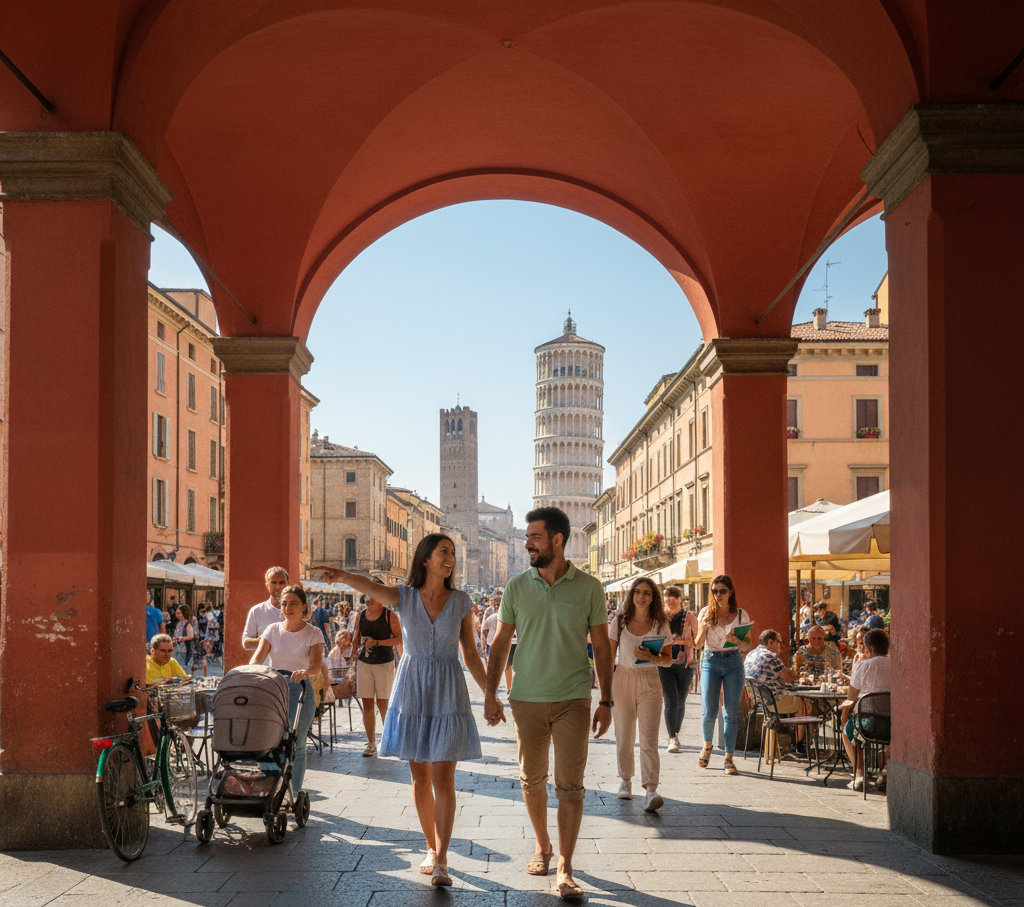
Bologna, the capital of Emilia-Romagna, is a must-visit destination for lovers of culture, history, and food. Celebrated for its medieval architecture, iconic towers, and kilometres of covered arcades, it captivates visitors at every turn. Wondering what to do in Bologna? The city is packed with things to see and experience — from wandering its charming streets and tasting its world-famous cuisine to visiting its many historic landmarks. This practical guide will help you plan a stay full of discoveries and unforgettable moments.
« Built on solid field experience and an in-depth knowledge of Italian procedures. »
Jessica Colpin, co-founder — Maisons & Jardins France, Jan.–Feb. 2026
Visiting Bologna: a itinerary to discover this historic city
Bologna, nicknamed "la Dotta, la Grassa e la Rossa" (the Learned, the Fat, and the Red), is a city where history, culture, and gastronomy blend seamlessly. A trip to Bologna is a genuine immersion into a vibrant medieval city where age-old traditions meet a lively modern energy. With its legendary towers, endless arcades, and one of the world's oldest universities, Bologna offers a rich and varied experience. In just two days, you can explore its picturesque streets, savour classic dishes like tagliatelle al ragù, and soak up its warm atmosphere. Whether you're drawn by history, art, or food, this city will captivate you at every moment.
Aller en Italie
French expatriation expert · since 2020
4.9
73 verified reviews
1,500+ expats supported
50+ services with French-speaking professionals
20 regions covered
Local consultants on the ground in Italy
Free appointment · 15 min · in French · no commitment
Book an appointmentBologna's top sights and attractions
To make the most of your visit, Bologna is brimming with treasures that tell its story, celebrate its art, and reflect its cultural richness. Here is a detailed guide to its most iconic places:
The Asinelli and Garisenda Towers
These two leaning medieval towers are Bologna's most recognisable symbols. Climbing the 498 steps of the Asinelli Tower is quite a workout, but the reward is well worth it: a spectacular view stretching all the way to the Apennines and the Po Valley. The Garisenda Tower, shorter and with a more pronounced lean, is equally fascinating to admire from the square below — a testament to the ingenuity of medieval architecture.
Piazza Maggiore and the Neptune Fountain
This vast square is the beating heart of Bologna, surrounded by iconic landmarks. Beyond the Basilica of San Petronio, the Palazzo dei Notai, and the Palazzo d'Accursio, take a moment to sit at a terrace café and enjoy the lively rhythm of Bolognese life. The Neptune Fountain, with its majestic statue of the god of the sea, embodies the Italian Renaissance and is one of the most popular spots for memorable photographs.
Bologna's Porticoes
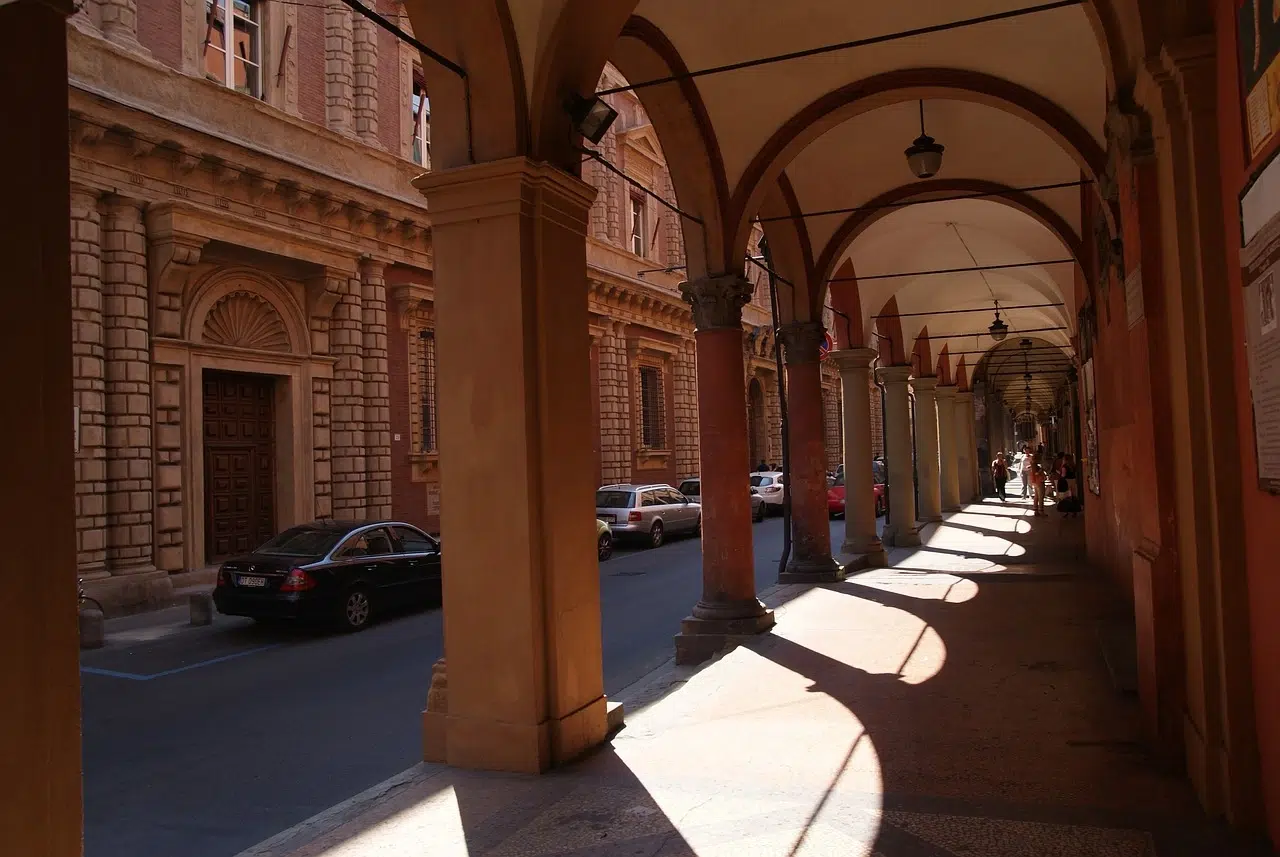
A unique heritage found nowhere else in the world, Bologna's porticoes stretch for more than 38 kilometres, sheltering visitors from sun and rain while guiding them through the city's history. The portico leading to the Sanctuary of San Luca is particularly famous: a peaceful walk beneath its 666 arches, winding up the hillside, is an experience not to be missed. Don't overlook the smaller hidden porticoes in the city centre either, often adorned with frescoes or sculpted details.
The Basilica of San Petronio
The centrepiece of Piazza Maggiore, this Gothic basilica impresses with its unfinished facade and monumental scale. Inside, you will be amazed by its colourful frescoes, a 15th-century pipe organ still in use today, and the meridian line — a precision astronomical instrument that reflects the scientific achievements of the Renaissance.
The Quadrilatero
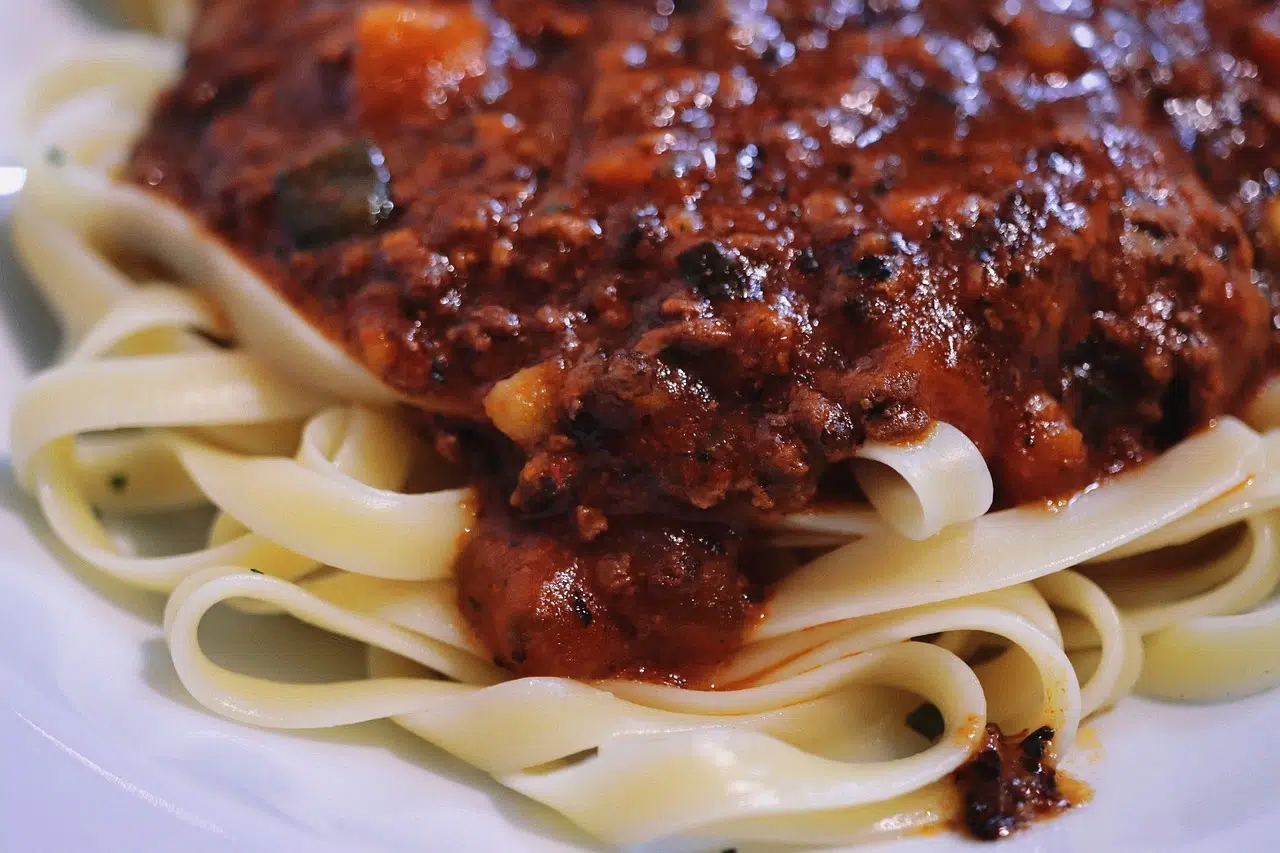
This neighbourhood is a full sensory immersion into the flavours of Emilia-Romagna. Stroll through its narrow streets, where artisan workshops, fresh produce markets, and traditional restaurants sit side by side. It is the ideal place to taste Bolognese cuisine: tortellini, tagliatelle al ragù, or the famous mortadella paired with a glass of Lambrusco.
The Sanctuary of San Luca
Perched on a verdant hillside, the Sanctuary of San Luca is a place of pilgrimage and peaceful reflection. Reachable on foot from the city or by a small tourist train, this sanctuary offers a tranquil atmosphere and a panoramic view over Bologna and the surrounding countryside. Inside, the icon of the Virgin Mary — deeply venerated locally — sits at the heart of local religious traditions.
The Anatomical Theatre and the Archiginnasio
Less well known but equally fascinating, these landmarks bear witness to Bologna's university heritage — it is home to the oldest university in Europe. The Anatomical Theatre, with its carved wooden statues and tiered seating, was once used to teach anatomy, while the Archiginnasio houses a historic library and impressive frescoes that tell the story of students who came from every corner of the world.
The Museum of Modern Art (MAMbo)
For contemporary art enthusiasts, MAMbo is not to be missed. This museum presents a bold collection that stands in striking contrast to the city's historic architecture, offering a modern perspective on Bolognese culture.
Visiting Bologna in 1 day
If you only have one day to explore Bologna, here is an itinerary that will take you through the city's highlights and let you soak up its unique atmosphere. Start your morning at Piazza Maggiore, the vibrant heart of the city, surrounded by historic landmarks including the Palazzo d'Accursio and the Basilica of San Petronio. Take some time to visit the basilica, admiring its frescoes and astronomical meridian line. Just steps away, the Neptune Fountain — a masterpiece of the Renaissance — is well worth a closer look.
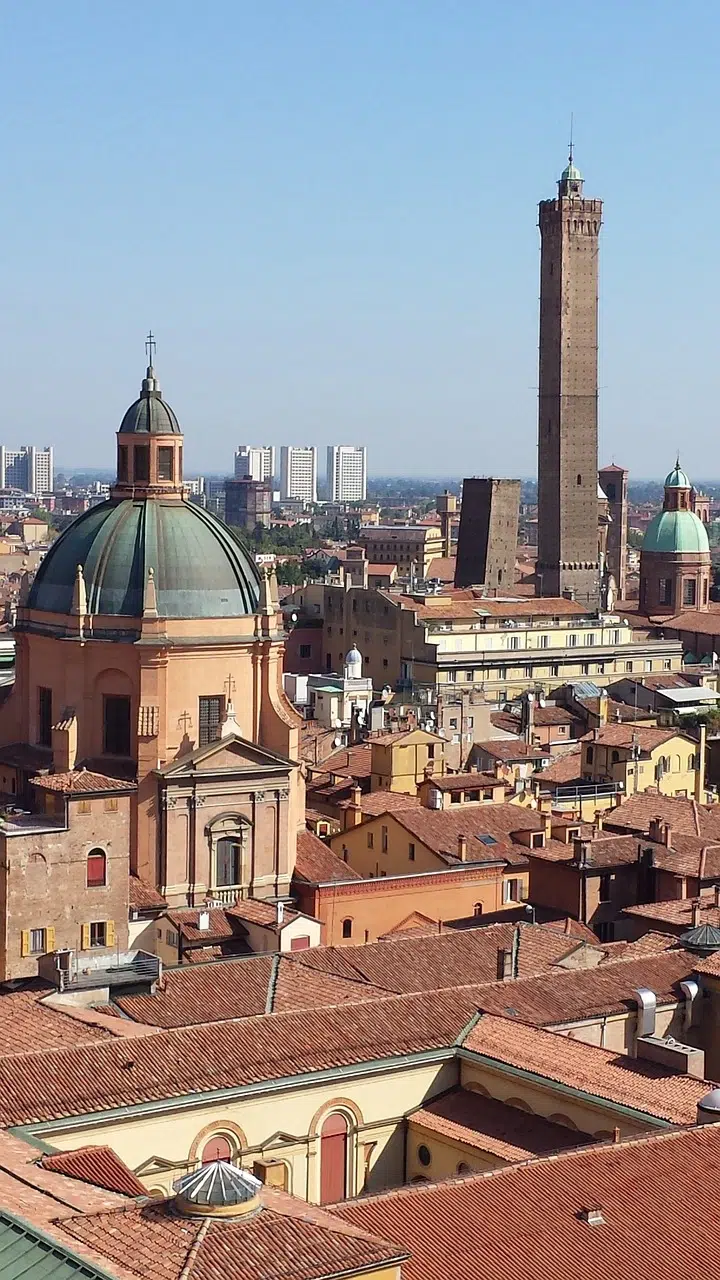
Continue your exploration by climbing the Asinelli Tower, one of Bologna's two iconic leaning medieval towers, for a spectacular panoramic view over the city's red rooftops. After the climb, make your way to the Quadrilatero market district for a classic Bolognese lunch. Here you'll find local specialities such as mortadella, tortellini, and tagliatelle al ragù.
In the afternoon, take a leisurely walk along Bologna's famous porticoes, a UNESCO World Heritage Site. If time allows, follow the portico leading to the Sanctuary of San Luca, set on a hillside above the city. To save time, you can take a small tourist train that brings you directly to the top, where a breathtaking view over Bologna awaits.
End your day with a cultural visit to the Archiginnasio, the former seat of the University of Bologna. Don't miss the Anatomical Theatre — a fascinating space that traces the history of medicine. Finally, round off the evening with dinner at a traditional trattoria, leaving with lasting memories of this remarkable city.
With this itinerary, Bologna reveals its timeless charm in a single day — a rich mix of history, culture, and gastronomy.
Bologna in 2 or 3 days
With 2 or 3 days in Bologna, you'll have time to discover the many facets of this historic city while enjoying its warm atmosphere and exceptional food scene.
Day 1: Begin in the historic centre by exploring Piazza Maggiore and its iconic landmarks, including the Basilica of San Petronio. Admire the Neptune Fountain before climbing the Asinelli Tower for a breathtaking panoramic view. After lunch in the Quadrilatero, browse the local markets and sample specialities like tortellini or mortadella. End the day with a stroll beneath the city's celebrated porticoes.
Day 2: Spend your morning visiting the Archiginnasio, former seat of the university, and the Anatomical Theatre, steeped in history. Then head to the Sanctuary of San Luca, reached either by walking along the portico or by tourist train. In the afternoon, explore the city's museums, such as the National Picture Gallery (Pinacoteca Nazionale) or MAMbo (the Museum of Modern Art). Finish with dinner at a trattoria for a satisfying end to the day.
Day 3 (if you have extra time): Venture beyond the city. You might visit the Certosa monumental cemetery, a peaceful and historically rich site, or head into the Bolognese hills for stunning natural scenery and viewpoints. Food lovers should not miss a visit to local producers of Parmigiano Reggiano or balsamic vinegar.
Over 2 or 3 days, Bologna reveals its full charm: a subtle blend of history, culture, and flavour that makes every moment of your stay unique and memorable.
Where to eat — the best restaurants in Bologna
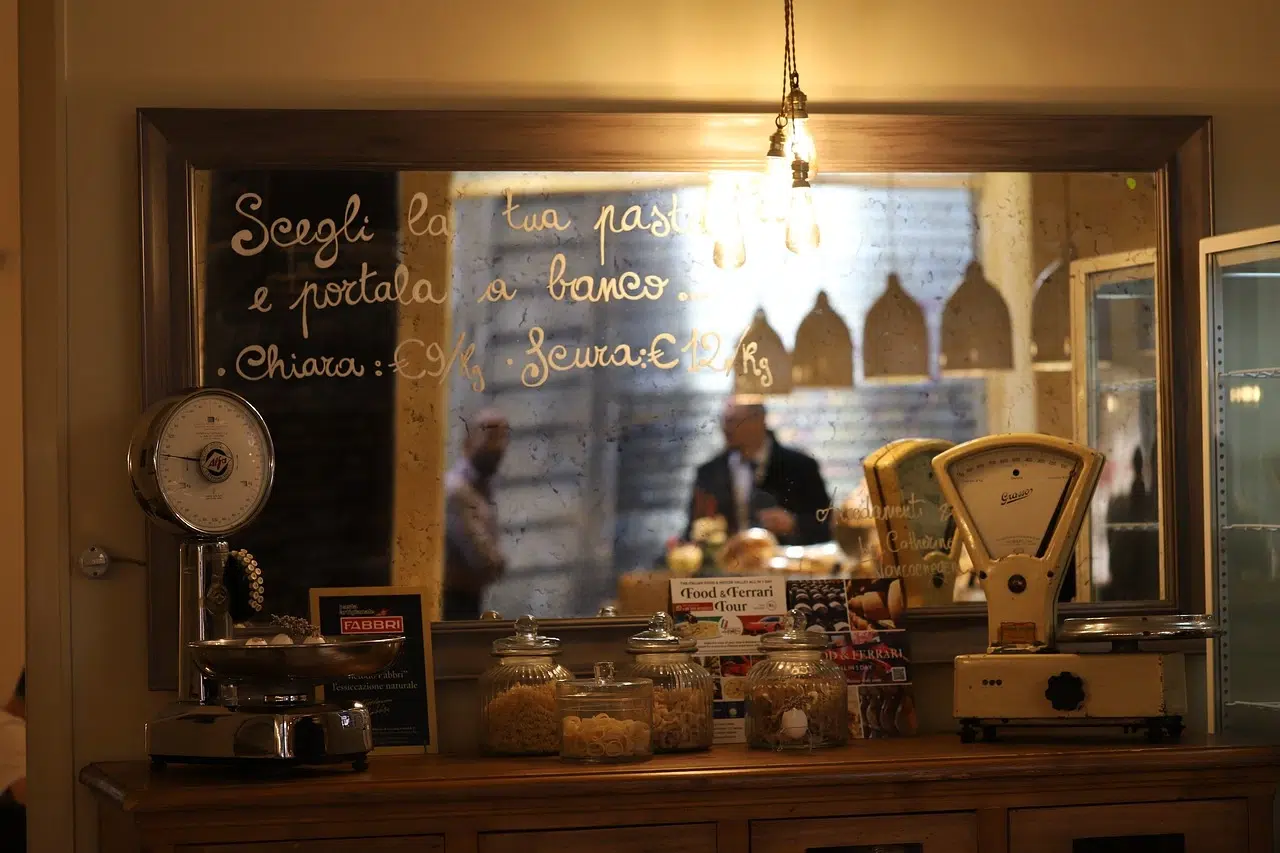
Bologna, nicknamed "la Grassa" (the Fat One), is a gastronomic capital where every meal reflects the soul of Emilia-Romagna. For an authentic taste of Bolognese culinary tradition, the city's trattorias are essential. Among the top addresses, Trattoria di Via Serra stands out for its homemade dishes prepared with local ingredients and a touch of creativity. Da Cesarina, in the heart of the historic centre, is a beloved institution where you can savour tagliatelle al ragù and tortellini in brodo in an elegant setting.
For a more relaxed and convivial atmosphere, Osteria Broccaindosso serves generous, flavourful dishes alongside a carefully selected wine list. Fans of cured meats and cheeses should make a point of visiting Salumeria Simoni, a landmark address in the Quadrilatero, where you can sample local specialities on the spot or take them away.
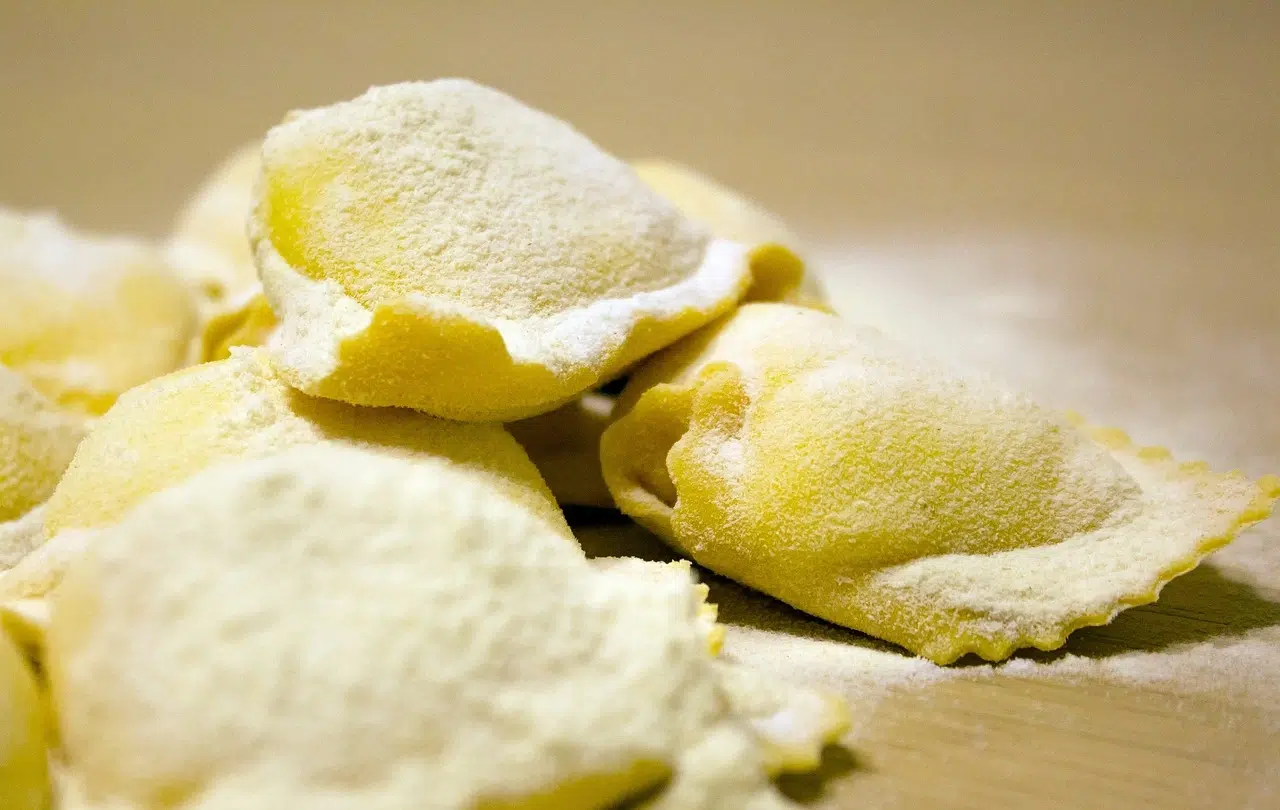
Finally, for those with a sweet tooth, a stop at Cremeria Santo Stefano is a must: their artisanal gelato, made with seasonal ingredients, is widely considered among the finest in the city.
Whether in a traditional trattoria or a fine delicatessen, Bologna offers a truly exceptional culinary experience — fully living up to its reputation as a paradise for food lovers.
Where to stay in Bologna
Choosing where to stay in Bologna depends on your interests and your itinerary. Each neighbourhood has its own atmosphere and distinct advantages for visitors.
- Historic Centre (Centro Storico): If you want to be at the heart of the action, the historic centre is the obvious choice. You'll be within walking distance of the main sights, including Piazza Maggiore, the Basilica of San Petronio, and the Asinelli and Garisenda Towers. The area is well stocked with hotels, charming B&Bs, and elegant apartments. It's also the best base for restaurants, trattorias, and a lively evening scene.
- Central Station District (Stazione Centrale): Located near the main railway station, this neighbourhood suits travellers in transit or those planning day trips around the region by train. You'll find a good range of accommodation at various price points, from modern hotels to budget hostels. While slightly removed from the centre, it is well connected on foot or by bus.
- San Stefano: For a quieter and more authentic experience, the San Stefano neighbourhood — with its picturesque lanes and elegant buildings — is an excellent option. Well suited to couples or families, it offers a residential feel and upscale accommodation while remaining close to the main attractions.
- Bolognina: This up-and-coming district to the north of the city is a good fit for travellers seeking affordable accommodation and a cosmopolitan vibe. You'll find local markets and an emerging arts scene, with solid public transport connections.
- Bolognese Hills (Colli Bolognesi): If you prefer peace and nature, the hills surrounding Bologna are worth considering. You'll find agriturismos and guesthouses with sweeping views over the city — an ideal setting for a romantic retreat or a relaxing stay.
Whether your priority is proximity to monuments, tranquillity, or budget, Bologna offers a wide range of accommodation to suit every type of traveller.
Renting a car in Bologna
Renting a car in Italy, and in Bologna in particular, is an excellent way to make the most of your stay and explore the surrounding region at your own pace. While the historic centre is easily navigable on foot or by public transport, hiring a car in Bologna opens up access to the Colli Bolognesi — the rolling green hills that offer stunning views and a peaceful atmosphere, perfect for a nature escape.
Having a vehicle also makes it easy to discover the wider highlights of Emilia-Romagna: Modena with its automotive museums, Parma and its culinary heritage, and Ferrara, a UNESCO World Heritage city, are all less than an hour's drive away.
Before hitting the road, it's essential to be aware of the Limited Traffic Zones (ZTL) that restrict access to the historic centre. These zones are monitored by cameras and entry without authorisation is prohibited. If your accommodation is within the ZTL, you can request a temporary permit through your hotel or the local authorities.
To rent a car in Italy without any hassle, plan your routes in advance, use car parks on the outskirts of the city centre, and review the rental conditions carefully (insurance, mileage, and deposit). With these precautions in mind, renting a car in Bologna will give you the freedom to explore the region fully — from cultural heritage and gastronomy to landscapes that take your breath away.
FAQs
1 – What are the main attractions to visit in Bologna?
The must-sees include Piazza Maggiore, the Basilica of San Petronio, the Asinelli and Garisenda Towers, the Quadrilatero for food and shopping, and the city's unique porticoes, listed as a UNESCO World Heritage Site.
2 – What are the best guided tours available in Bologna?
You can choose from walking tours of the historic centre, cycling tours to explore the wider area, or food tours to discover local specialities. Some tours also include access to landmarks such as the Asinelli Tower or the Sanctuary of San Luca.
3 – What cultural events are worth attending in Bologna?
Look out for the Bologna Jazz Festival, exhibitions at the National Picture Gallery (Pinacoteca Nazionale), and seasonal events such as the Feast of San Petronio in October. Bologna also hosts a number of major trade fairs and exhibitions, including the renowned Bologna Children's Book Fair.