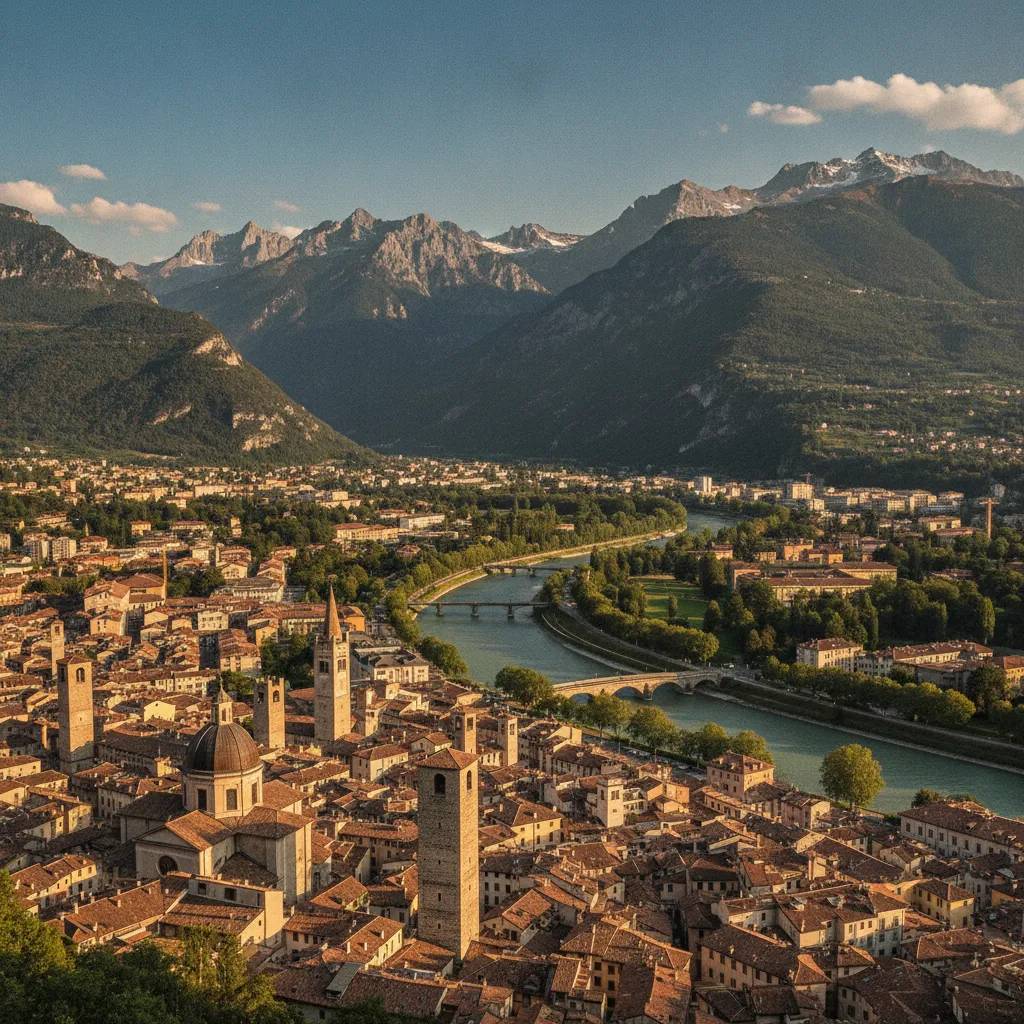
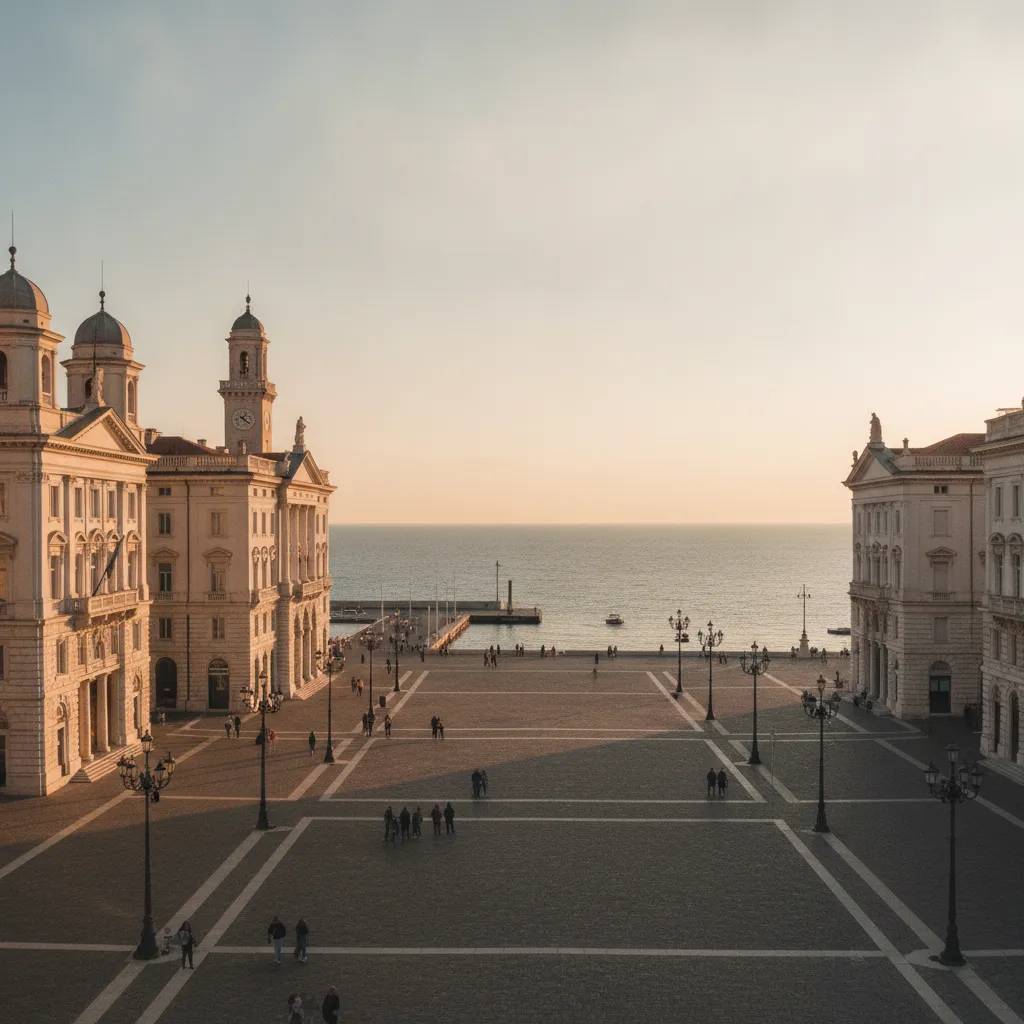
Living in Umbria: The Green Heart of a Timeless, Authentic Italy
Living in Umbria means choosing an authentic, green, and unspoiled corner of Italy, right at the heart of the peninsula, far from the major tourist crowds.

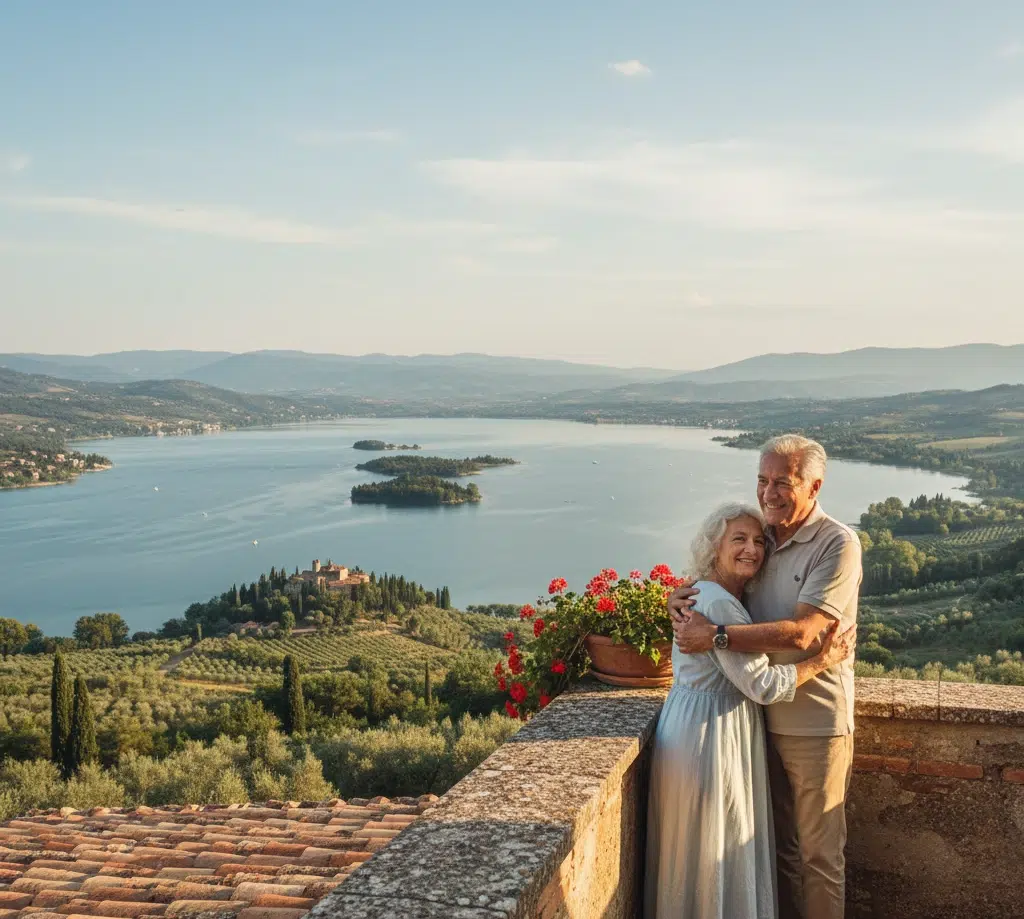
Living in Umbria means choosing an Italy that is authentic, green, and unspoilt — far from the main tourist crowds yet right at the heart of the peninsula. Known as the cuore verde d'Italia (the green heart of Italy), this gently hilly region, carpeted with olive groves, vineyards, and medieval hilltowns, is attracting a growing number of international residents in search of a quieter, more human-scale daily life deeply rooted in the Italian way of living.
From art cities such as Perugia, Assisi, Gubbio, Orvieto, and Spoleto, to its extraordinary gastronomy (truffles, extra-virgin olive oil, prestigious wines), its ever-present nature, and a cost of living generally lower than Tuscany or Lombardy, Umbria appeals to those who want to live or invest in a region that is authentic, accessible, and full of character. This is not a place for mass tourism — it is the very essence of Italy: lentezza, conviviality, heritage, and landscape.
In this guide, we explore why more and more people from abroad are choosing to make Umbria their home, which towns and villages best suit different lifestyles, how to rent or buy property in the region, how to find work or manage a real-estate project, and which administrative steps are essential. We also cover the cost of living, key services, and the practical advantages of this still-underrated region — perfectly located just a short distance from Lazio, Tuscany, and the Marche.
Aller en Italie
Relocation experts · since 2020
4.9
How many steps separate you from Italy?
A tailored offer based on your needs — in 3 min, no commitment
Tell us about your project
Profile, area, buying or renting
We select your services
From 50+ services in English
Receive your quote
Clear, detailed, personalized
*Indicative and customizable quote, no contractual commitment.
Free · 3 min · in English · no commitment
Create my offerTHEY TALK ABOUT US
Maisons & Jardins · Le Figaro · Challenges
« Founded on solid field experience and an in-depth knowledge of Italian procedures. »
Jessica Colpin, co-founder — Maisons & Jardins France, Jan.–Feb. 2026
Why choose to live in Umbria?

Living in Umbria means choosing the most authentic side of Italy — one that offers a gentle, peaceful quality of life deeply rooted in heritage and nature. Situated at the centre of the country, bordered by Tuscany, the Marche, and Lazio, Umbria stands out for its unique balance of tranquillity, culture, and unspoilt scenery. There are no hectic megacities here: instead, you find vibrant art cities like Perugia, Assisi, and Spoleto, surrounded by verdant hills, intact medieval villages, and nature at every turn.
Choosing Umbria also means benefiting from a cost of living and housing that is often more affordable than in neighbouring regions, while still enjoying excellent services, safety, and a more human pace of life. Here you live in the heart of a real Italy — one of local markets, exceptional olive oil, truffles, renowned vineyards, and a living artisan tradition. Its central, well-connected location makes it easy to reach Rome, Florence, or the Adriatic coast without sacrificing the calm of everyday life.
Umbria draws those who are looking for a serene living environment, a preserved natural landscape, and a strong cultural identity, while remaining close to Italy's major urban centres. It is an ideal region for families, nature lovers, remote workers, and anyone who wants to settle in Italy without the stress of a big city.
Aller en Italie
French expatriation expert · since 2020
4.9
71 verified reviews
1,500+ expats supported
50+ services with French-speaking professionals
20 regions covered
Local consultants on the ground in Italy
Free appointment · 15 min · in French · no commitment
Book an appointmentWhere to settle in Umbria?
Deciding where to settle in Umbria depends above all on your lifestyle and what you are looking for day to day. If you want a lively, culturally rich environment with good connections to the rest of Italy, Perugia is the obvious choice. A dynamic university city, it combines heritage, services, transport links, and a very affordable cost of living.
For a quieter atmosphere without sacrificing amenities, cities such as Terni, Spoleto, Foligno, and Città di Castello offer an excellent middle ground. They provide a rich local life, good infrastructure, affordable rents, and an active cultural scene. Families and working professionals who want to live in Italy with a strong value-for-money ratio will find an ideal balance here.
Those seeking tranquillity and beautiful scenery will be drawn to the hilltowns and villages of Umbria, such as Assisi, Montefalco, Trevi, Bevagna, and Orvieto. These areas are particularly valued for their medieval charm, proximity to nature, peaceful quality of life, and properties that are often more affordable than in neighbouring Tuscany. Umbria thus attracts both remote workers and lovers of authentic Italy who wish to live in an unspoilt setting while staying within easy reach of major cities like Rome and Florence.
Essential steps for moving to Umbria
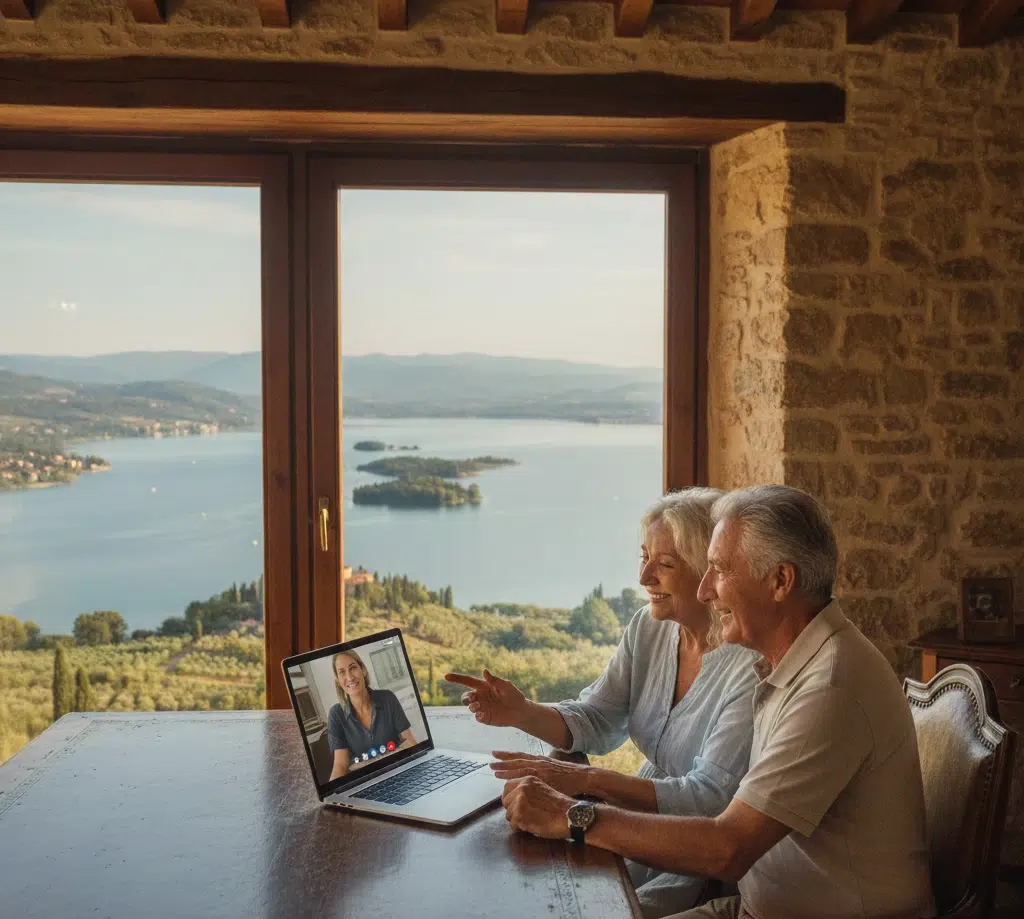
Before settling in Umbria, it is essential to prepare your move carefully and follow the Italian administrative requirements. The first step is to obtain your codice fiscale, Italy's tax identification number. This document is indispensable for renting or buying a property, signing an employment contract, opening a bank account, activating utility services, or accessing healthcare. It can be obtained free of charge from the Agenzia delle Entrate in Italy or from the Italian consulate in your home country.
If you are settling in Umbria on a long-term basis, you will then need to register your official residence (residenza) with the town hall of your municipality — whether in Perugia, Assisi, Todi, Orvieto, or a village in the Umbrian countryside. This registration gives you access to the Italian public health system, local tax benefits, vehicle registration, and various municipal services. For any stay longer than three months, this step is mandatory.
It is also advisable to open an Italian bank account to simplify day-to-day payments (rent, bills, subscriptions, local taxes), and to find out about the services available in your municipality: waste collection, public transport, parking, as well as cultural services and sporting activities, which are very well represented throughout Umbria.
Since the administrative process can be complex — due to differences in bureaucratic systems and the language barrier — it can be extremely helpful to work with a bilingual team specialised in relocation to Italy, able to translate, verify, and manage your documents. This ensures a smooth, well-organised arrival in Umbria that fully meets local requirements.
Renting an apartment in Umbria
Renting a property in Umbria is generally more affordable than in the major regions of northern Italy. The region offers an excellent balance between quality of life, cultural heritage, and accessible property costs. In the main cities such as Perugia and Terni, a one-bedroom apartment in the city centre typically rents for between €550 and €800 per month, while in smaller towns such as Assisi, Spoleto, Foligno, and Orvieto, rents can fall to between €400 and €650, often with a very high standard of accommodation.
For those who want to live in the Umbrian countryside — in a typical stone house, a renovated farmhouse, or an apartment with views over the hills — rents remain attractive, well below those in neighbouring Tuscany, while offering an exceptional living environment. Remote workers and families who prioritise nature very often find their ideal compromise in Umbria.
On the administrative side, rentals follow standard Italian national regulations. The most common contract is the "4+4" — four years automatically renewable for a further four years, with the option for tenants to leave early by giving six months' notice. For temporary stays (between one and 18 months) — particularly for expatriates, students, or new arrivals — a contratto transitorio (short-term contract) is available and offers greater flexibility.
When signing, landlords typically require a security deposit (deposito cauzionale) equivalent to two or three months' rent, returned at the end of the contract provided the property has not been damaged. Some estate agencies also charge a fee equivalent to approximately one month's rent for handling the contract. It is therefore advisable to check all conditions carefully before signing.
Buying a house in Umbria
Buying a house in Umbria represents an excellent opportunity for those seeking an authentic, human-scale lifestyle, away from the overcrowded and expensive areas of Tuscany. A region of green hills, olive groves, vineyards, and medieval villages, Umbria is attracting a growing number of international buyers in search of charming properties at still-accessible prices.
Property values here are significantly lower than in neighbouring regions. In the main cities such as Perugia, Terni, and Foligno, prices average between €1,400 and €2,200 per m², while in rural areas or picturesque villages such as Assisi, Spoleto, Montefalco, Bevagna, and Orvieto, it is possible to find stone houses, traditional farmhouses (casali), or renovation projects starting from as little as €900 to €1,300 per m². Renovated properties with panoramic views or a swimming pool remain highly sought after, even given growing international demand.
The Umbrian market also presents interesting potential for tourism-related projects (guest houses, agriturismi, short-term rentals), particularly around Assisi, Lake Trasimeno, Lake Piediluco, and in municipalities close to the Tuscan border. The region's cultural and gastronomic appeal reinforces this dynamic, while maintaining a cost of living lower than most neighbouring Italian regions.
As with any property purchase in Italy, it is essential to verify the urban planning and land-registry compliance of the property before buying — especially for rural properties that may have been renovated or altered over the years. Working with a bilingual professional (lawyer, surveyor, or property consultant) helps avoid irregularities, assess any renovation costs, and understand the local tax implications, ensuring a safe, well-managed, and fully compliant purchase.
Working in Umbria
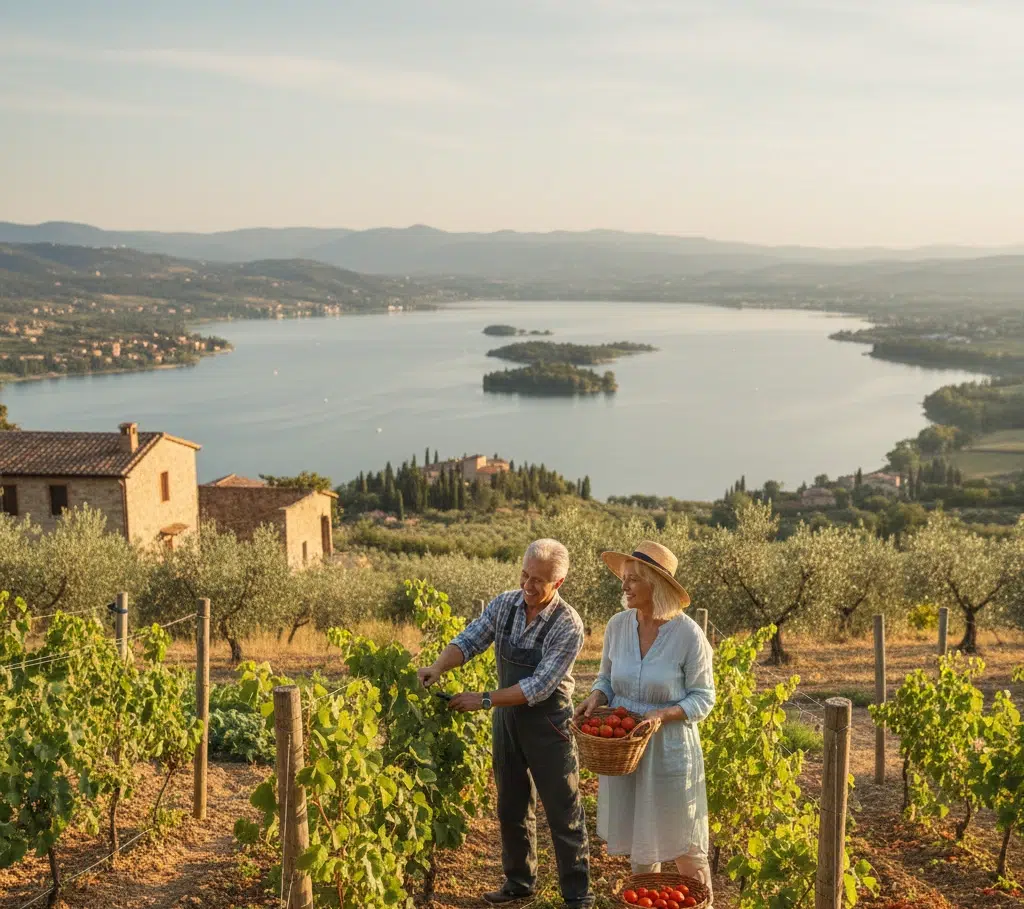
Working in Umbria is an appealing option for those who want to relocate to Italy while enjoying a peaceful lifestyle and a lower cost of living than in the major industrial regions of the north. Far from the fast pace of Milan, Umbria has a diverse local economy centred on food and agriculture, craftsmanship, organic farming, metallurgy, and small and medium-sized industrial enterprises, as well as cultural and rural tourism, driven by cities such as Assisi, Orvieto, Spoleto, and Perugia.
The region is also home to several university centres and research institutions, particularly around the University of Perugia, which support employment in education, healthcare, scientific research, translation, and services for international students. Remote working is also growing here, attracting many professionals who want to work from home while living in a calmer, greener, and more affordable region.
Salaries in Umbria are generally lower than in major industrial regions such as Lombardy or Emilia-Romagna. The average employee earns between €1,350 and €1,700 net per month, while more highly qualified profiles can reach €2,000 to €2,500, depending on experience and sector. Jobs in tourism, agriculture, or crafts often start around €1,100 to €1,300, but come with advantages such as local stability, a better quality of life, and opportunities to launch an independent venture (seasonal rentals, local catering, rural accommodation, etc.).
To find a job in Umbria, it is recommended to use Italian platforms such as Indeed, Subito Lavoro, local recruitment agencies, and LinkedIn with an Italian-language profile. A good command of Italian remains essential, but certain sectors — particularly tourism and cultural heritage — also value bilingual profiles, especially in hospitality, cultural mediation, and upmarket hotels.
Cost of living in Umbria
The cost of living in Umbria is noticeably lower than in the major regions of northern Italy. This is one of the main draws for international residents: you can live comfortably while enjoying a high quality of life that encompasses nature, culture, heritage, and local gastronomy. Unlike more expensive regions such as Lombardy or Tuscany, the monthly budget in Umbria remains moderate, even in cities with international tourism such as Perugia or Assisi. A single person spends on average €1,100 to €1,400 per month including rent, while a family can live comfortably on €2,200 to €2,800, depending on the type of housing and lifestyle.
Another major advantage, often overlooked, is the possibility for certain new residents to benefit from the Italian flat tax. This attractive tax regime allows foreign retirees and individuals who transfer their tax residency to Italy to benefit from a reduced rate of taxation, making Umbria particularly interesting for those planning a long-term move. Thanks to this scheme, many expatriates can manage their budget efficiently while optimising their tax situation.
Housing is particularly affordable. A one-bedroom apartment typically rents for between €450 and €650 per month in medium-sized towns, while a larger house or apartment on the outskirts can be rented for between €550 and €800, often with panoramic views over the hills, olive trees, or surrounding countryside. Buying property is equally attractive: it is still possible to acquire a charming home or renovation project in a historic village at prices that are very competitive compared with other Italian regions.
Day-to-day expenses remain reasonable. Food costs — especially thanks to local markets — are lower than in most Italian cities: budget around €200 to €300 per month per person. Transport is affordable, with monthly bus or train passes generally ranging from €28 to €40, and inter-city connections are well served. Cultural life and leisure activities are also easily accessible: music festivals, monument visits, wine tastings, natural thermal baths, and hillside walks are often available at reduced prices or free of charge, further reinforcing the appeal of living in Umbria.
Healthcare and services in Umbria
Umbria is often described as a human-scale region, and this is reflected in its healthcare system: accessible, efficient, and well distributed across the territory. While it does not have the sprawling hospital complexes of Italy's major cities, Umbria offers modern, well-organised facilities recognised for the quality of their care — particularly in oncology, surgery, cardiology, and rehabilitation.
The hospitals in Perugia, Terni, and Foligno are among the most important in the region and stand out for their level of specialisation and effective emergency services. The Ospedale Santa Maria della Misericordia in Perugia, for example, is a centre of excellence in oncology and emergency medicine, while the hospital in Terni is renowned for neurosurgery, orthopaedics, and specialist treatments. In smaller towns, hospitals and medical centres provide local-level care that is valued by families, older residents, and expatriates who need prompt consultations without travelling far.
What makes Umbria particularly attractive is the combination of quality healthcare and a serene living environment. Waiting times are often shorter than in large cities, medical facilities are easily reachable, and the relationship with healthcare professionals tends to be more direct and personalised.
International residents in Umbria
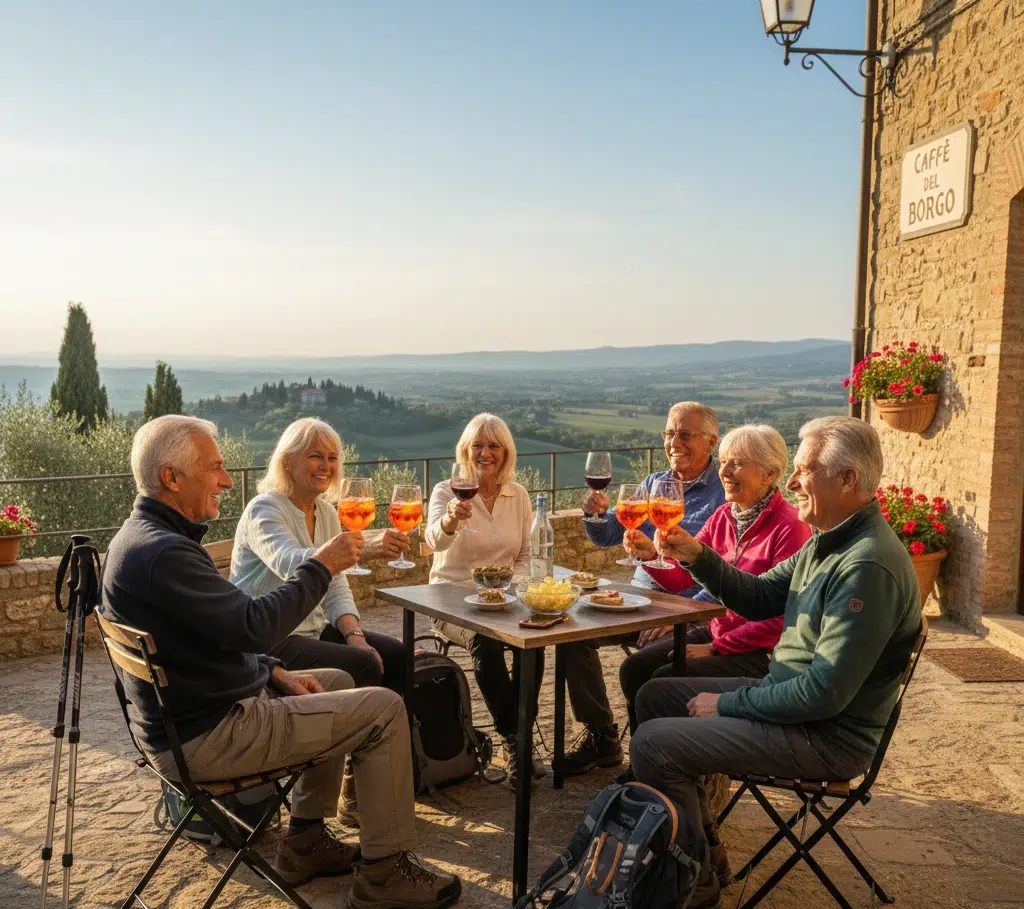
In 2025, Umbria is attracting a growing number of international residents in search of a more serene, authentic life close to nature. According to statistical data from Tuttitalia, several hundred foreign nationals are now officially registered in the region, a figure that has been steadily rising for a number of years. Unlike other more urbanised regions, the growth of the expatriate community in Umbria is driven less by employment and more by quality of life, tranquillity, and property prices that are significantly more accessible than in Tuscany or Lombardy.
Most expatriates choose Perugia, Assisi, Orvieto, Foligno, and the Lake Trasimeno area — zones appreciated by families, retirees, self-employed workers, and those wishing to develop tourism or agricultural projects. The region also attracts buyers interested in rural properties to restore, stone farmhouses, or small holdings in the wine-growing hills, often at very competitive prices.
While Umbria does not yet have as many international community structures as Italy's major cities, there are active local communities, cultural associations, accessible international schools nearby, and a dynamic artistic and artisan scene. Local markets, medieval festivals, gastronomic routes, and a strong religious and cultural tradition also draw international residents seeking deep cultural immersion.
Moving to Umbria means choosing an authentic, human-scale, and unspoilt Italy — a place where you can integrate gradually, enjoy an exceptional heritage, develop meaningful projects, and live at the pace of a region rich in traditional values. With the right preparation and tailored bilingual support, settling in Umbria can become a profound personal experience and a lasting life project.
FAQs
1. Do I need to speak Italian to live in Umbria?
Umbria is an authentic region where daily life takes place primarily in Italian. Unlike major cities such as Milan or Rome, English is rarely spoken outside tourist areas like Assisi or the Lake Trasimeno shore. Learning Italian — or having support at the start — clearly makes integration easier, as does navigating administrative procedures, property purchases, and social life.
2. Is the cost of living in Umbria high?
The cost of living in Umbria is lower than in more expensive regions such as Lombardy or Tuscany. Housing is particularly good value: apartments and houses are often 20 to 40% cheaper than in neighbouring regions. Day-to-day expenses (markets, restaurants, services) are also very affordable, which attracts many retirees and people looking for a calmer, more manageable lifestyle.
3. How do I find housing in Umbria?
Your search can begin on Italian property portals, but Umbria has many rural properties that sometimes have planning irregularities that are difficult to identify without local expertise. Working with a bilingual professional — such as a lawyer, surveyor, or property consultant — allows you to check all documents, avoid risks, and secure your purchase or rental with confidence.
4. What are the advantages of Umbria for expatriates?
Umbria appeals through its quality of life, unspoilt landscapes, accessible property prices, and a more human pace of living. The region offers exceptional cultural heritage, a celebrated gastronomy, festivals, historic villages, wine-growing hills, and a strong artisan tradition. It is particularly well suited to families, retirees, remote workers, and those with tourism or agricultural projects who want to experience a more authentic and less urbanised side of Italy.