Renting an Apartment in Turin: the Complete Guide
Renting an apartment in Turin in 2026 is the first step towards a new way of life in an elegant city rich in culture.

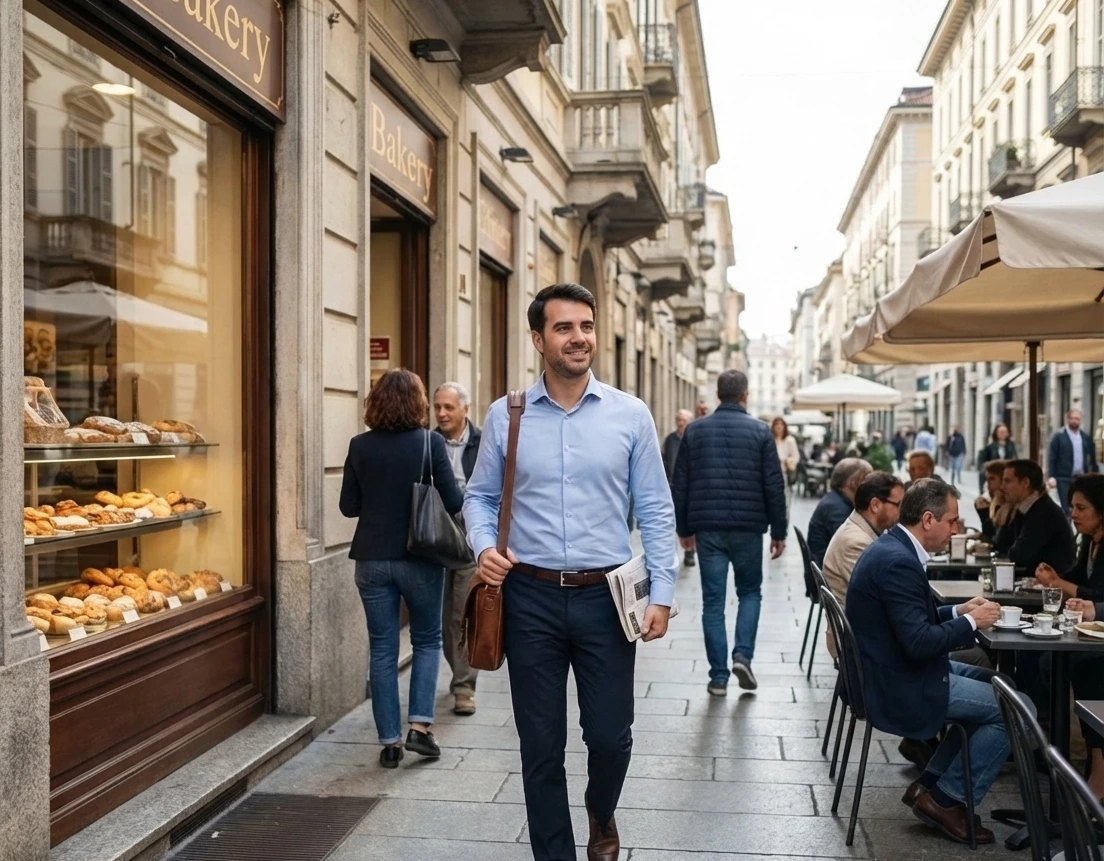
Renting an apartment in Turin in 2026 can be far more than a simple housing decision — it is often the first step towards a new way of life at the heart of one of Italy's most elegant and well-organised cities. Once the country's capital, Turin captivates with its rich historical heritage, strong cultural identity, and harmonious balance between tradition and modernity.
Living in Turin means settling into a city of human scale where architecture, museums, gastronomy, and quality of life take centre stage. From the historic districts of the city centre to quieter, greener residential areas, Turin offers a remarkable diversity of atmospheres — appreciated equally by working professionals, families, and expatriates seeking stability, culture, and a comfortable living environment.
For those looking to put down roots, renting an apartment in Turin is an ideal way to integrate gradually and discover the city from the inside. Renting allows you to choose the neighbourhood that best suits your lifestyle, explore different environments, and experience daily life as a true resident rather than a passing visitor.
In this article, we offer a comprehensive overview of renting in Turin: why choose this city for your relocation project, which neighbourhoods to consider based on your needs, how to find accommodation, how to understand the rental market, and how to plan your budget. We also cover the key administrative steps to help you prepare your move to Turin with confidence and clarity.
Aller en Italie
Relocation experts · since 2020
4.9
How many steps separate you from Italy?
A tailored offer based on your needs — in 3 min, no commitment
- 1
Tell us about your project
Profile, area, buying or renting
- 2
We select your services
From 50+ services in English
- 3
Receive your quote
Clear, detailed, personalized
*Indicative and customizable quote, no contractual commitment.
Free · 3 min · in English · no commitment
Create my offer →Why choose to live in Turin?
Living in Turin is often choosing a balanced alternative to Milan. Quieter, more affordable, and on a more human scale, the capital of Piedmont appeals to those who want to enjoy the advantages of a major Italian city without the intense pace or the pressure of a highly competitive property market. Turin offers a structured, elegant, and coherent living environment, particularly appreciated by families, working professionals, and expatriates seeking stability.
Less prominent than Milan in terms of media coverage and economic dominance, Turin is nonetheless a dynamic city. Its diversified economy — historically rooted in industry and now oriented towards innovation, research, and services — makes it possible to develop professional projects in a more accessible and less competitive environment. This difference is also reflected in the cost of living, which is generally more moderate, particularly when it comes to housing.
Turin's geographical proximity to France and Switzerland adds to its appeal for international profiles, while preserving a strong local identity. Connections are easier, distances shorter, and service quality high — making everyday life noticeably smoother. Choosing Turin over Milan means opting for an elegant, liveable city that combines opportunity, quality of life, and authenticity, without sacrificing a genuine European dimension.
THEY TALK ABOUT US
Maisons & Jardins · Le Figaro · Challenges
« Built on solid hands-on experience and an in-depth knowledge of Italian procedures. »
Jessica Colpin, co-founder — Maisons & Jardins France, Jan.–Feb. 2026
The best neighbourhoods in Turin
Turin has many neighbourhoods with distinct characters, which can make choosing the right area feel overwhelming at first. However, certain districts stand out clearly and rank among the most sought-after neighbourhoods in Turin for both locals and expatriates. The Centro Storico impresses with its elegance, arcaded streets, iconic squares, and proximity to cultural and administrative institutions. Crocetta is particularly popular for its residential character, upscale buildings, and calm, refined atmosphere — ideal for families and working professionals.
San Salvario draws a younger, more international crowd thanks to its vibrant cultural scene, restaurants, and proximity to Valentino Park and Porta Nuova station. Vanchiglia and Vanchiglietta offer an interesting balance of energy, neighbourhood life, and green surroundings — highly valued by students, creatives, and young professionals. Cit Turin, with its Art Nouveau architecture and good transport links, is a sought-after residential alternative, while Santa Rita stands out for its amenities, green spaces, and excellent value for money.
Choosing the right neighbourhood in Turin ultimately depends on your lifestyle, your budget, and your day-to-day priorities — the city offering a wide variety of atmospheres within a setting that is generally more accessible and more relaxed than other major Italian cities.
Aller en Italie
French expatriation expert · since 2020
4.9
71 verified reviews
1,500+ expats supported
50+ services with French-speaking professionals
20 regions covered
Local consultants based in Italy
Free appointment · 15 min · in French · no commitment
Book an appointmentNeighbourhoods to avoid in Turin
Turin is an elegant and generally safe city with a wide range of housing options. However, as in any large urban area, certain districts require extra attention when searching for an apartment. According to various local sources, some neighbourhoods can occasionally present issues related to safety or variable quality of life depending on the street and the time of day.
Areas such as Barriera di Milano, in the north of the city, are sometimes noted for social tensions and the need for greater vigilance, particularly in the evenings. The Aurora neighbourhood, currently undergoing significant change, has strong potential but remains uneven depending on the specific area, with more challenging conditions in some less-renovated sections. Mirafiori Sud and parts of Falchera may also warrant particular attention, especially for those who are new to the city.
Near major train stations such as Porta Nuova and Porta Susa, the environment is busy and lively, but some adjacent streets can be less pleasant at night, with a higher risk of petty crime linked to heavy foot traffic. These neighbourhoods should not be ruled out entirely, but they deserve a careful, street-by-street assessment and a visit at different times of day.
Overall, Turin remains a calmer and more consistent city than many other major Italian cities. To make the right choice, it is essential to research the neighbourhood thoroughly, assess the real atmosphere of the area, and if possible, seek guidance to find a place that suits your lifestyle, priorities, and relocation plans.
Where to stay in Turin?
Once you have identified the most sought-after neighbourhoods in Turin and those that require more caution, the question of where to live in Turin becomes central. Rather than searching without a clear direction, the most effective approach is to define clear criteria from the outset: proximity to your workplace or place of study, access to the metro, tram, or train, and how well the neighbourhood matches your daily rhythm.
Turin's city centre and certain highly desirable residential districts offer an attractive living environment, but availability can be limited and competition real, especially for quality properties. To broaden your options, many residents choose to look towards well-connected peripheral neighbourhoods or the inner suburbs, where more properties are available and rents are often more affordable, while still maintaining good accessibility.
Turin has an efficient public transport network, including the metro, trams, and regional rail lines that make daily commuting straightforward. Nearby towns such as Collegno, Rivoli, Moncalieri, and Nichelino are interesting alternatives for those who want to stay connected to the city while enjoying a more residential setting. These areas are particularly well suited to working professionals and families who prioritise practicality and comfort.
Broadening your search to well-served areas often helps to reduce waiting times and find better value for money. Finding accommodation in Turin ultimately comes down to a realistic and structured approach: assessing actual commute times, being open to moving away from the centre if needed, and prioritising well-connected neighbourhoods. This strategy allows you to balance quality of life, a manageable budget, and a successful integration into the Turin area.
Searching for accommodation in Turin

The search for accommodation in Turin is generally more accessible than in Milan, but it remains competitive in the most in-demand neighbourhoods. It is advisable to start your search on the main Italian property portals such as Idealista, Immobiliare.it, and Casa.it, which allow you to filter listings by neighbourhood, budget, and proximity to transport links — a key criterion in Turin given its metro, tram, and regional rail network. To maximise your chances, it is important to act quickly, prepare the standard required documents in advance (ID, proof of income, employment contract, or guarantees), and visit properties promptly, ideally at different times of day.
Renting with pets can also complicate the search, as some landlords remain reluctant — particularly in older buildings — so it is best to mention this from the very first contact. Financial guarantees play a key role in the acceptance of a rental application: guarantors are most often required to be Italian residents. In the absence of a local guarantor, it may be possible to reassure a landlord by paying several months' rent in advance, taking out rent guarantee insurance, or opting for a bank guarantee (fideiussione) — more reassuring for the landlord but also more costly. Finally, while home insurance is not legally required in Italy, it is strongly recommended in Turin to protect against unforeseen events and to secure your new home.
Key steps to settle in Turin
Before moving to Turin, it is essential to anticipate certain key administrative steps in order to settle smoothly in Italy. The first step is to obtain the Italian tax code (codice fiscale), which is required for virtually every official process: renting or buying a property, signing an employment contract, opening a bank account, or subscribing to essential services. This document can be requested free of charge from the Agenzia delle Entrate in Italy or through the Italian consulate in your country of residence.
If you are settling on a long-term basis, you will then need to complete the residency registration (residenza) with the Turin municipal authority (Comune di Torino). This registration becomes mandatory after three months of continuous residence and grants access to fundamental rights, including enrolment in the public health system, local taxation arrangements, and various administrative processes related to daily life.
It is also advisable to open an Italian bank account, which will make it easier to pay rent, utility bills, and everyday expenses. In Turin, it is important to familiarise yourself with the local municipal services specific to your neighbourhood, such as waste collection schedules, residential parking permits, public transport passes (GTT), and access to the city's digital services.
Even though Turin is more accessible than some major Italian cities, these administrative steps can be complex without a good command of Italian or knowledge of the local system. Being supported by a bilingual team specialising in relocation to Italy saves time, helps avoid costly mistakes, and allows you to approach your move to Turin in a more confident and organised way — right from the very first steps.
Working in Turin

Working in Turin offers genuine opportunities for expatriates looking for a structured and more accessible job market than those found in Italy's largest cities. Historically linked to industry and engineering, the Piedmontese capital has successfully evolved towards a diversified economic model combining innovation, research, services, and high-value manufacturing.
The sectors with the highest recruitment activity in Turin include the automotive and mechanical industries, engineering, aeronautics, logistics, research and development, and information technology. The presence of major corporations, research centres, well-regarded universities, and a dense network of SMEs supports employment for technical, skilled, and specialist profiles, while also offering opportunities across services and the tertiary sector.
Salary levels in Turin are generally lower than those in Milan, but they remain consistent with a more moderate cost of living, particularly in terms of housing. This balance makes it possible to maintain a good quality of life, especially for families and professionals planning a long-term move. Bilingual profiles or those with international experience may benefit from a competitive edge in the local market, particularly in companies focused on exports or international partnerships.
To find work in Turin, it is recommended to use platforms such as LinkedIn and Indeed, to build a local professional network, and to have a CV tailored to the Italian market. A good level of Italian remains essential for long-term integration, even if some companies — particularly in technical or international sectors — actively value multilingual profiles.
Cost of living in Turin
As a general guide, the cost of living in Turin is noticeably more affordable than in Milan, while still offering a good level of services and quality of life. Housing represents the main expense, but rents remain more accessible. A one-bedroom apartment typically rents for between €600 and €900 per month in central or sought-after neighbourhoods, while well-connected peripheral areas offer rents in the range of €500 to €750. Room rentals in shared flats are also common, with prices typically ranging from €400 to €600 depending on the neighbourhood.
Public transport is efficient and affordable: a monthly GTT pass costs around €38, covering the metro, buses, and trams. This accessibility makes it easy to get around the city without a car — a significant everyday advantage.
On the food side, a monthly grocery budget for one person generally falls between €250 and €350, with savings possible by shopping at local markets, neighbourhood stores, and supermarkets. Fresh produce and Piedmontese cuisine remain broadly affordable.
For everyday expenses, a meal at a simple restaurant costs on average €10 to €15, while dinner at a mid-range establishment comes to around €20 to €30 per person. Leisure and cultural activities (cinema, museums, events) are accessible, with prices often ranging between €7 and €12 — further enhancing the city's appeal.
Healthcare and services in Turin
Turin has a solid and well-regarded public healthcare system, providing reliable access to quality care for both routine consultations and specialist treatment. The city is supported by a balanced network of public hospitals, university medical centres, and private clinics, ensuring effective health coverage for both established residents and newcomers.
Among the key healthcare facilities is the Ospedale Molinette (Città della Salute e della Scienza), one of Italy's largest hospital complexes, recognised for its centres of excellence in specialist medicine, surgery, and research. San Giovanni Bosco and Maria Vittoria also provide comprehensive care across a wide range of specialities, while the university medical structures play a key role in training and medical innovation.
In terms of infrastructure and transport, Turin offers an efficient and well-functioning network. The metro, trams, buses, and regional rail lines make it easy to travel across the city and throughout the Piedmont region. Its proximity to France and major European transport corridors further enhances connectivity, while Turin-Caselle Airport provides both domestic and international flight connections.
The international community in Turin
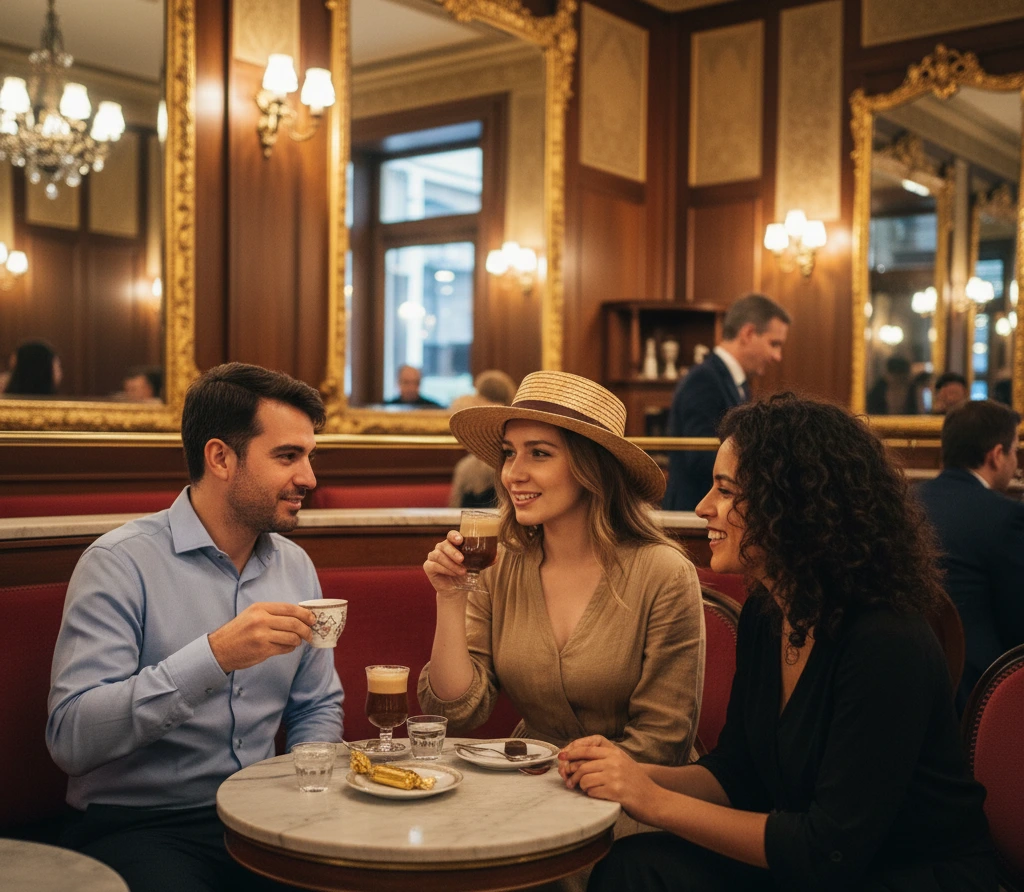
Turin is home to a well-established and active international community with strong ties to the city, making Piedmont the third most popular region in Italy for foreign residents. At the regional level, Turin concentrates the largest share of the international population, drawn by the city's proximity to France and Switzerland, its quality of life, and a cost of living more affordable than in other major Italian cities.
The international presence in Turin is also visible in everyday life. The city has specialist food shops, imported products, and several restaurants and venues popular with international residents. Many Europeans also visit Turin for holidays or regular short stays, drawn by its heritage, gastronomy, and strategic location between France and Italy. This ongoing exchange enriches the cultural life of the city and maintains a lively, diverse community atmosphere.
The city also benefits from several international and expat associations, active in cultural, educational, and social spheres. They organise meetups, events, and activities that ease integration, build connections among expatriates, and foster exchanges with local Turinese residents. This associative network makes settling in more straightforward and helps to prevent the sense of isolation that can sometimes come with relocating abroad.
Unlike Milan, the international community in Turin is less institutionalised but very well integrated, which creates conditions for a more natural and authentic expat experience. Choosing to live in Turin means choosing an open, welcoming, and internationally minded city, where it is possible to find cultural reference points while fully immersing yourself in Italian life.
FAQs
1. Do you need to speak Italian to live in Turin?
A good command of Italian is strongly recommended for living in Turin, particularly for administrative procedures, finding accommodation, and managing daily life. Unlike Milan, English is less commonly used in everyday situations, even though some international companies and universities do use it regularly. Learning Italian significantly eases integration and strengthens local relationships in a city where personal connections play a central role.
2. What is the cost of living in Turin?
The cost of living in Turin is noticeably lower than in major Italian cities such as Milan. Housing is more affordable, as are everyday expenses. This moderate cost of living, combined with a good quality of services and infrastructure, makes Turin a particularly attractive option for families, young professionals, and expatriates looking for a healthier financial balance.
3. How do you find accommodation in Turin?
Your search for accommodation in Turin can begin on the main Italian property portals such as Idealista, Immobiliare.it, and Casa.it. The market is generally less competitive than in Milan, which allows for greater flexibility in terms of timing and negotiation. That said, it is still advisable to prepare a complete application file and to prioritise neighbourhoods with good public transport links, particularly those served by the metro and regional train lines.
4. What are the advantages of Turin for expatriates?
Turin stands out for its elegant living environment, rich cultural heritage, and more relaxed pace of life. The city has a well-established international community, supported by associations, international shops, and strong geographical connections to the rest of Europe. More affordable and more accessible than Milan, Turin is a solid choice for a quality relocation — offering local integration, comfortable living conditions, and genuine openness to the world.